Boliviana de Aviación (BoA): Bolivia's Flag Carrier, Fleet and Routes
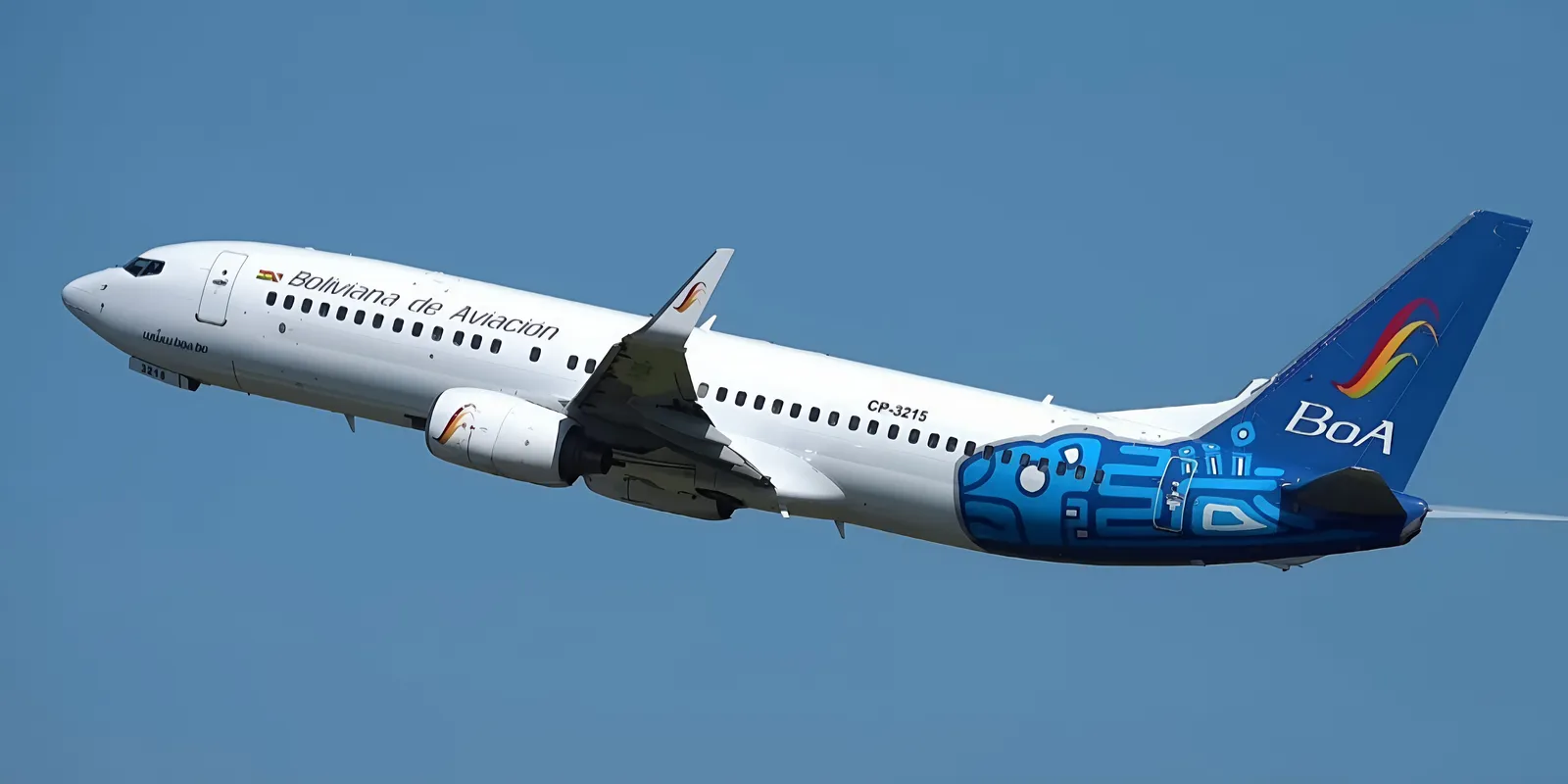
Boliviana de Aviación, known as BoA, was founded in October 2007 as a state-owned enterprise, succeeding the historic Lloyd Aéreo Boliviano, and began flying in 2009. It is now Bolivia's main airline, with a dual hub: Cochabamba for domestic traffic and Santa Cruz de la Sierra for international connections.
History and positioning
Boliviana de Aviación, known as BoA, was founded in October 2007 as a state-owned enterprise, succeeding the historic Lloyd Aéreo Boliviano, and began flying in 2009. It is now Bolivia's main airline, with a dual hub: Cochabamba for domestic traffic and Santa Cruz de la Sierra for international connections.
The fleet
The fleet combines Boeing 737s for medium-haul routes, Airbus A330s for intercontinental links to Madrid and Miami, and Bombardier CRJ-200s for the shortest regional routes. The average age of the regional portion is judged to be high, with direct consequences for the frequency of technical faults and for aircraft downtime.
Routes and network
The network covers the whole of Bolivian territory, marked by extreme altitudes that make fleet management particularly delicate, along with international routes to the United States, Spain and several South American countries. The dual hub reflects the need to separate high-altitude domestic traffic from international traffic at an altitude that is more manageable for long-haul aircraft.
Fares and baggage
Domestic fares generally remain affordable compared with the cost and time of a road transfer over the same distances, a factor that makes BoA practically indispensable for the country's longer domestic journeys.
What passengers report as positives
- The only carrier able to cover many high-altitude Bolivian domestic routes extensively.
- Domestic fares that are generally affordable compared with the cost of road transport on very long routes.
- An intercontinental direct link that is useful for the Bolivian diaspora in Spain and the United States.
What is criticized most often
- The average age of the regional fleet judged to be high, with consequences for reliability and the frequency of technical faults.
- Delays and cancellations not infrequently tied to weather conditions on high-altitude runways, such as Cochabamba's.
- Difficulty obtaining spare parts for some older models, which lengthens aircraft downtime.
BoA is the practically necessary choice for anyone who has to get around inside Bolivia on routes where overland alternatives take days instead of hours. It is less suitable for those with a very tight international connection right after a domestic flight, given the possibility of delays tied to the conditions of high-altitude runways.
If your trip includes a BoA domestic flight followed by an intercontinental flight, always leave at least half a day of margin between the two segments.
You might also like...

Bahamasair: The ATR and Boeing Fleet of the Bahamas' Flag Carrier
Ethiopian Airlines: How Africa's Largest Airline Built Its Hub in Addis Ababa

What to check with the airline before flying with a pet

Cardiff International Airport: where to stay, areas and recommended hotels

Timişoara Traian Vuia Airport: where to stay, areas and recommended hotels