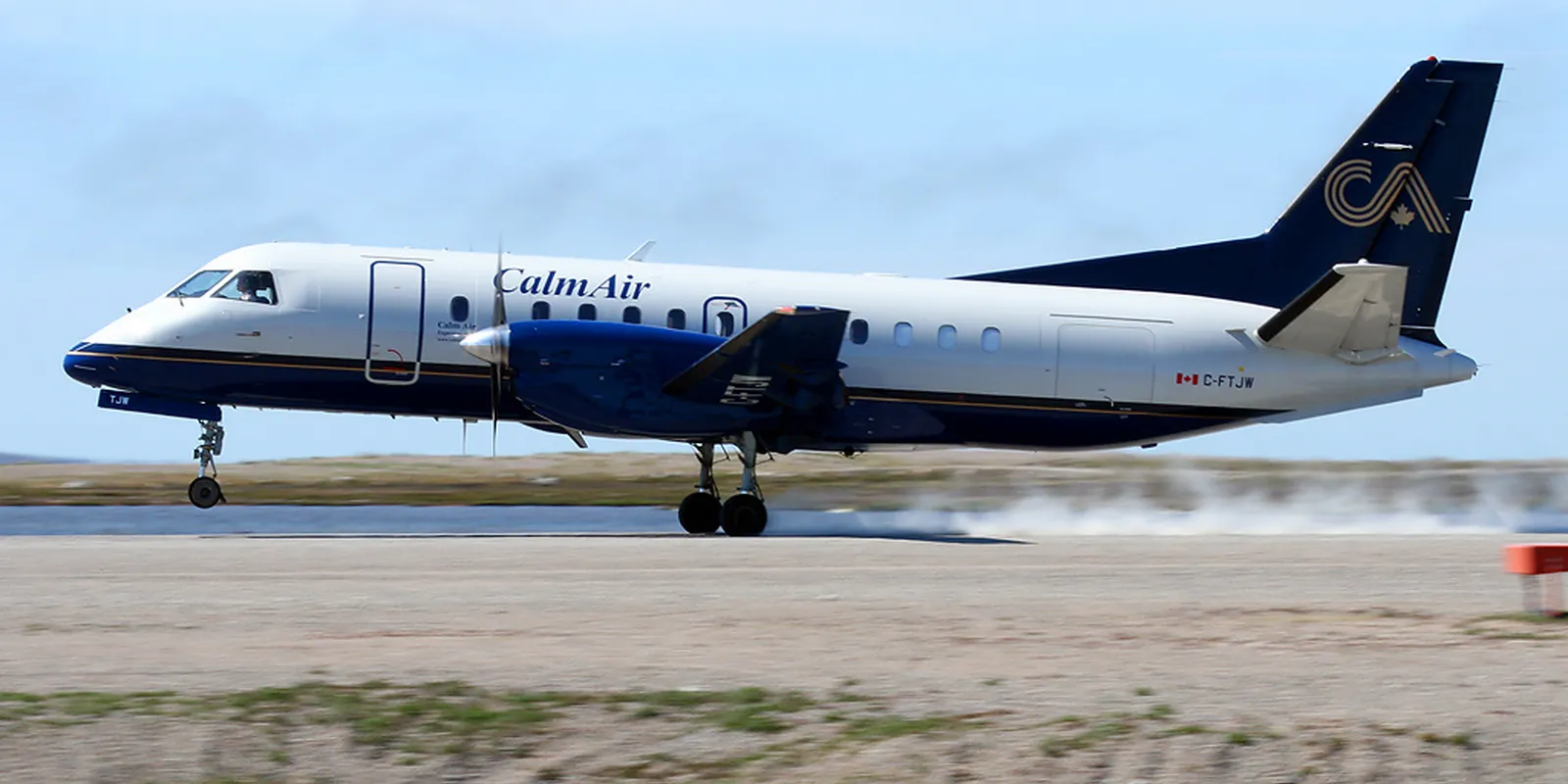
Calm Air, from Northern Manitoba to Nunavut: What You Need to Know
Operating since 1962 and owned since 2009 by Exchange Income Corporation, Calm Air flies a fleet of ATR 42s from its bases in Thompson and Winnipeg, linking northern Manitoba with Nunavut communities such as Rankin Inlet and Arviat and combining passenger service, cargo and medical flights.
History and positioning
Operating since 1962 and founded as a charter service in northern Saskatchewan, Calm Air has been owned since 2009 by Exchange Income Corporation, a holding company that controls several Canadian regional carriers, including Perimeter Aviation and Keewatin Air. This ownership gives it greater financial stability than many independent operators in the sector, with fleet maintenance investments coordinated at group level.
The fleet
The current fleet consists of ATR 42s in the 300 and 320 versions, used for both passenger and cargo transport, often on the same flight in a combined configuration; the old Hawker Siddeley 748 turboprops that characterized the airline in earlier decades have gradually been retired from service.
Routes and network
From its bases in Thompson and Winnipeg, Calm Air links northern Manitoba with Nunavut communities such as Rankin Inlet and Arviat, with interline agreements to southern carriers for those who need to continue beyond Winnipeg. Like other operators in the Canadian North, it does not really compete with other airlines: for many communities it is the primary air link, including for the food supply subsidized by the federal Nutrition North program.
What passengers say
Residents' verdict reflects the need for the service more than a comparison between alternatives.
- Service continuity even in difficult weather, thanks to specific experience with ATRs in northern conditions.
- Essential cargo links for supplying the communities served.
- Greater financial solidity than small independent operators, thanks to the parent group.
- High fares, partly unavoidable given the lack of competition on these routes.
- Reduced baggage capacity on the ATRs compared with larger airliners.
Calm Air is designed for people who live or work in northern Manitoba or Nunavut, not for occasional tourism: it remains an essential service for those communities, though, with an operational solidity superior to many small independent carriers thanks to the support of the parent group. Anyone who needs to fly these routes should book well in advance during peak periods, because ATR capacity is limited and sells out quickly.
You might also like...

Ostend-Bruges International Airport: where to stay, areas and recommended hotels

Quick layover: how not to miss your connection

Taiping Airport: where to stay, areas and recommended hotels
Azerbaijan Airlines: What Passengers Say About AZAL Comfort and Punctuality
ITA Airways in 2026: The New Fleet, the Move to Lufthansa and What Passengers Really Say