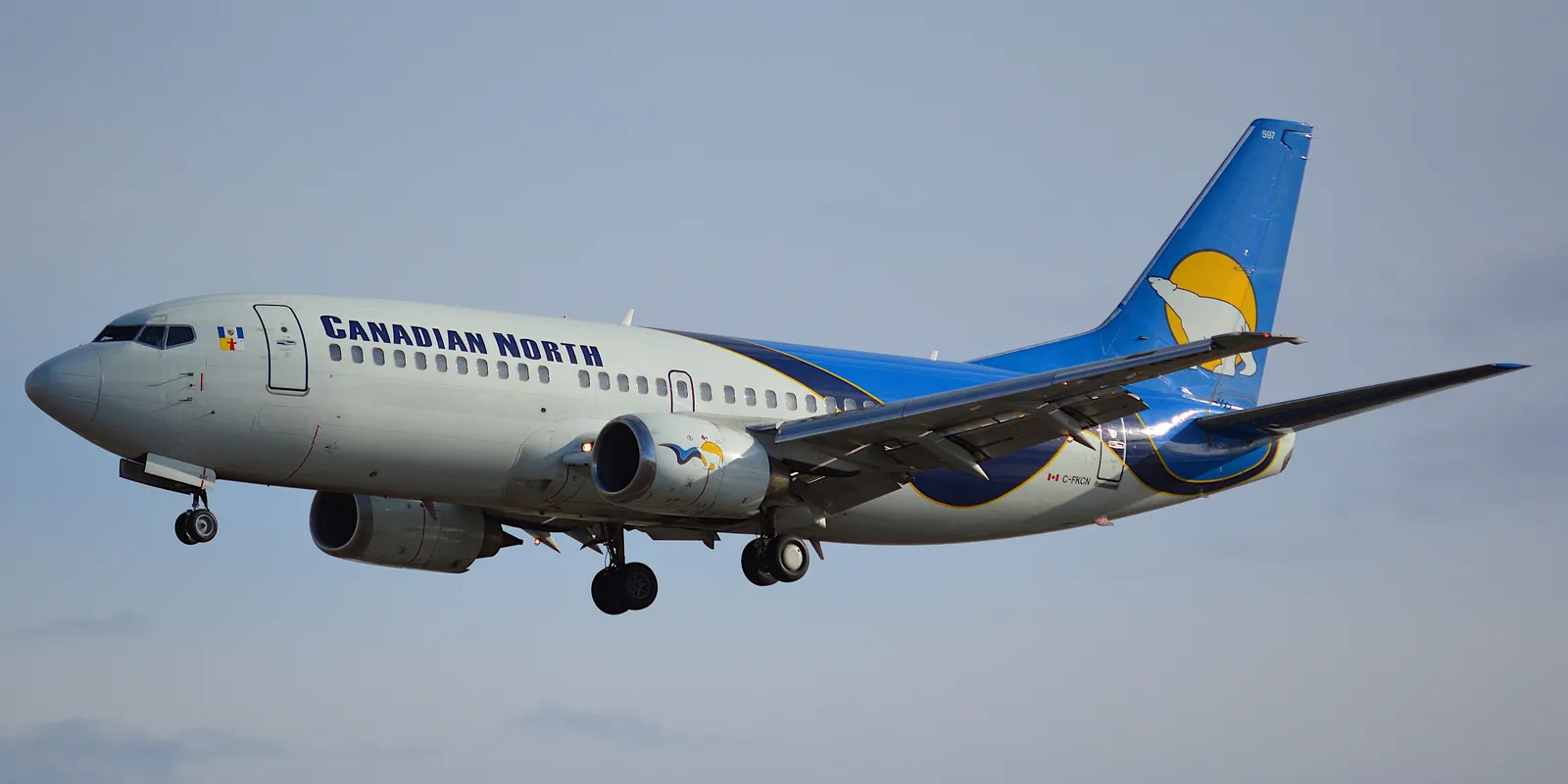
Canadian North After the First Air Merger: How It Flies Today
Born from the merger, completed in 2019, of the former Canadian North and First Air, the airline is jointly owned by two Inuit organizations, Nunasi Corporation and Makivik Corporation. It operates Boeing 737 combis and ATR 42s between Ottawa, Yellowknife, Iqaluit and communities in Nunavut, the Northwest Territories and Nunavik.
History and positioning
Canadian North was created by the merger, completed in 2019, of the former Canadian North and First Air, an airline that in turn traced its roots back to Bradley Air Services, active in Arctic transport since the 1940s. Ownership is shared between two Inuit organizations, Nunasi Corporation and Makivik Corporation, and after the merger the airline became the almost sole point of reference for many Arctic communities, where two separate and partially overlapping carriers previously operated.
The fleet
The fleet combines Boeing 737s configured as passenger-cargo combis and ATR 42s, an indispensable choice for carrying heavy freight where roads do not reach while still keeping seats for passengers. The cargo carried includes groceries subsidized by the federal Nutrition North program, which lowers the cost of fresh food in the most isolated communities.
Routes and network
From its bases in Ottawa, Yellowknife and Iqaluit, the network reaches communities in Nunavut, the Northwest Territories and Nunavik, with an integration of the two pre-existing networks that remains a work in progress rather than a completed result.
What passengers say
People who fly these routes regularly notice above all the progress compared with the pre-merger situation.
- A broader, better coordinated network than when there were two separate airlines.
- Significant cargo capacity for communities that depend on air transport for their supplies.
- A post-merger integration process judged slow in harmonizing schedules and fares on some routes.
- Frequent weather delays in winter, with few immediate alternatives.
Canadian North is now the almost obligatory choice for anyone who needs to travel between Canada's Arctic communities and the rest of the country, and the merger with First Air has simplified the network compared with before. Anyone planning a trip should still leave room for winter weather delays, which are structurally frequent on these routes. It is worth checking whether the chosen flight is configured as a passenger-cargo combi, because seat capacity can vary from route to route.
You might also like...

Santorini Airport: where to stay, areas and recommended hotels
AirBorneo: The New Airline Linking the Villages of Malaysian Borneo
Manila airport lounges: which one to pick across the NAIA terminals
Lao Airlines: How to Fly in the Landlocked Country

How to handle security checks with young children
