Flying With Air Canada: Punctuality, Fleet and What Passengers Really Say
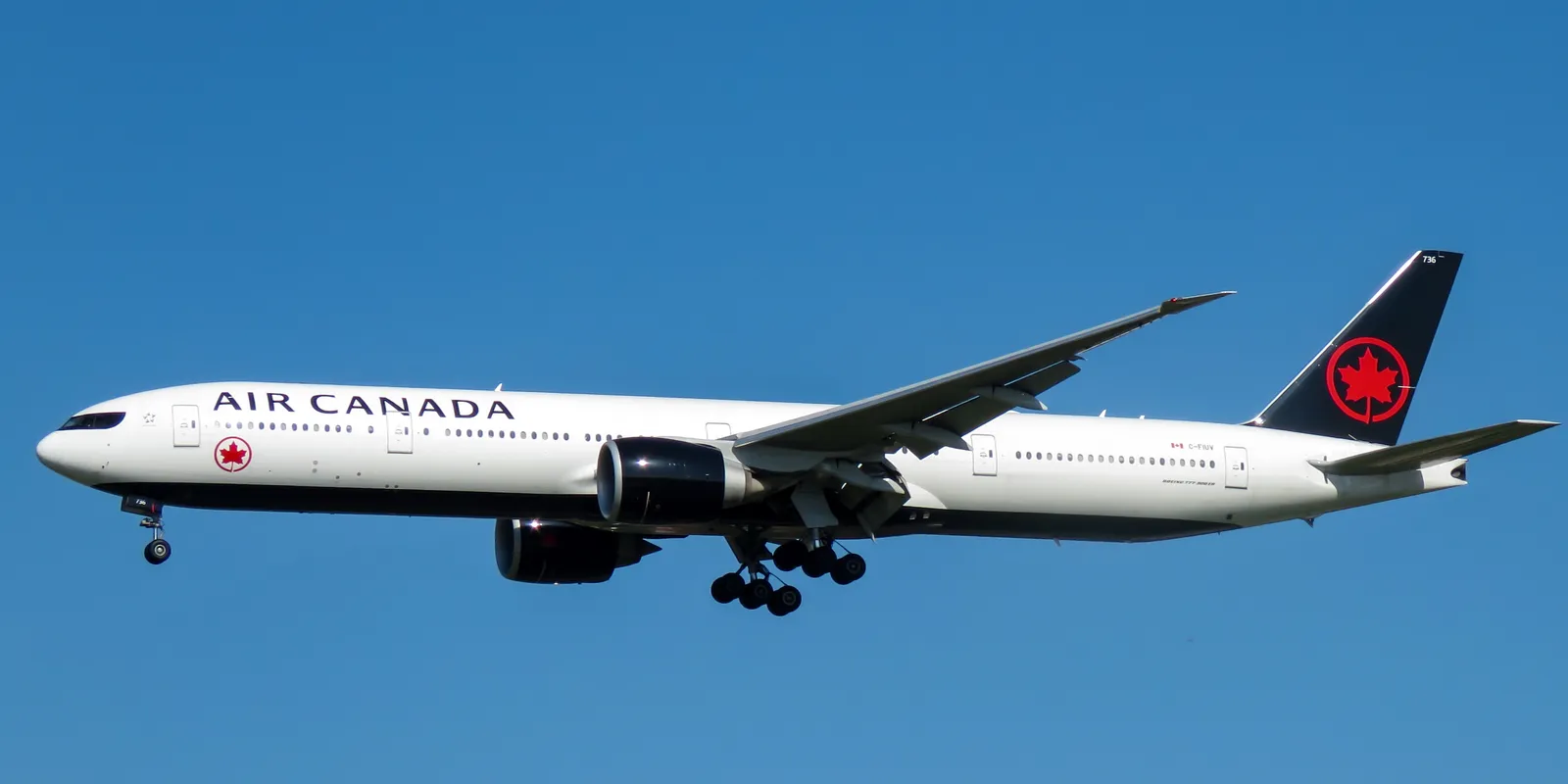
The Canadian flag carrier was born in 1937 as Trans-Canada Air Lines and took its current name in 1965. A founding member of Star Alliance since 1997, it runs its main hub at Toronto Pearson, with important bases also at Montréal-Trudeau and Vancouver, on a fleet that ranges from the long-haul Boeing 787s and 777s to the short and medium-haul Airbus A220s and A320s, alongside the leisure subsidiary Air Canada Rouge.
History and positioning
The Canadian flag carrier was born in 1937 as Trans-Canada Air Lines and took its current name in 1965. Privatized in the late 1980s, it has been a founding member of Star Alliance since 1997 and today operates as the main North American network to Europe and Asia departing from Canada, with the leisure subsidiary Air Canada Rouge dedicated to higher-density leisure routes.
The fleet
The fleet covers the whole range of distances: Boeing 787s and 777s on long-haul, Airbus A220s and the A320 family on short and medium-haul. Skytrax has historically given it a 3-star rating, in line with the other big North American mainstream carriers.
Routes and network
The model is hub-and-spoke with Toronto Pearson as the main node, flanked by important bases at Montréal-Trudeau and Vancouver. From these airports a dense domestic network feeds the intercontinental links to Europe, Asia and Latin America.
On board and service
The Business product on the long-haul Boeing 787s and 777s is generally well regarded, and the Aeroplan loyalty program remains among the most generous in North America in terms of partners and redemption options.
What passengers say
The overall verdict varies greatly with the season and the transit airport.
- A wide choice of direct routes from Canada to Europe, Asia and Latin America.
- A comfortable Business product on the Boeing 787s and 777s.
- The Aeroplan program, among the most generous on the continent.
- Frequent delays and cancellations in the winter months, made worse by internal coordination judged not always efficient.
- Lost baggage at the big hubs, with long recovery times.
- Long waits at telephone customer service in case of widespread disruptions.
Air Canada remains the most logical choice for anyone who needs to fly long-haul from Canada without going through the United States, especially in Business class. Those traveling in winter with tight connections should instead allow generous margins: snow and ice delays in Toronto and Montréal easily spread across the whole network. Turning on the official app's notifications in the hours before the flight helps you react in time to gate changes or last-minute cancellations.
You might also like...
RusLine: The Small Russian Regional Airline Flying from Vnukovo to the Provinces

Bahamasair: The ATR and Boeing Fleet of the Bahamas' Flag Carrier

Brescia Montichiari Airport: where to stay, areas and recommended hotels

Window or aisle: which seat is better to choose

Sligo Airport: where to stay, areas and recommended hotels