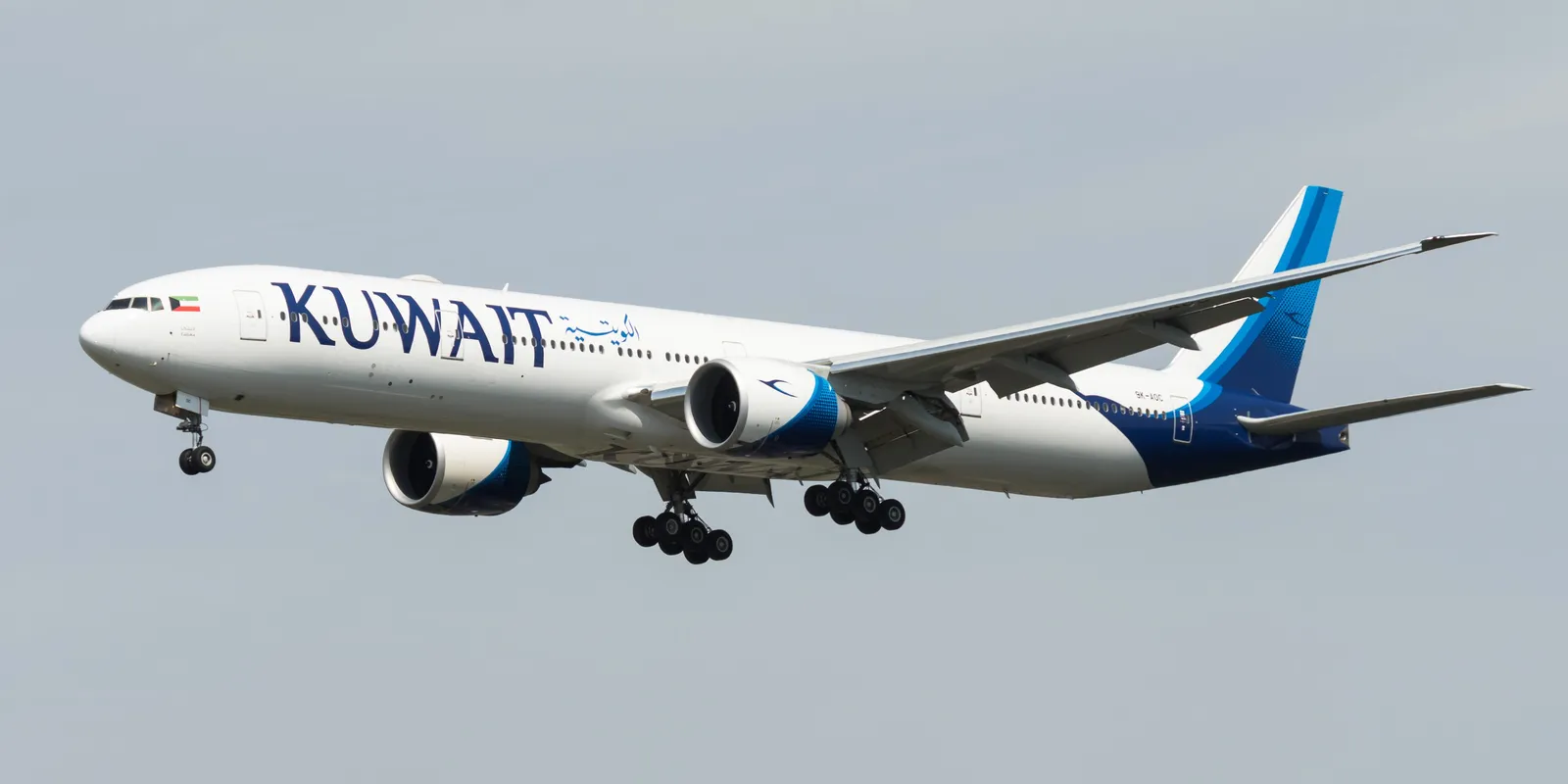
Kuwait Airways: Fleet and Privatization of the Flag Carrier
Kuwait Airways is the flag carrier of Kuwait, founded in 1954 and among the oldest carriers in the Persian Gulf. For years at the center of a privatization process approved by the Kuwaiti Parliament, which provides for its transformation into a joint-stock company with a 35% stake reserved for a strategic partner, it operates from Kuwait International Airport a historic network to the Middle East, Europe, Asia and North America, facing growing competition from the big Gulf carriers such as Qatar Airways and Emirates.
History and positioning
Founded in 1954, Kuwait Airways has a longer history than almost all Gulf carriers, but in recent decades it has struggled to keep pace with younger competitors that are more aggressive in their investments, such as Qatar Airways and Emirates. The privatization process, with parliamentary approval of a decree turning the airline into a joint-stock company (35% to a strategic partner, 20% to the state, 5% to employees, 40% to the public), is the most concrete attempt to reverse this trend.
The fleet
The airline has ordered 10 Airbus A350-900s and has expressed its intention to acquire new Boeing aircraft as well, in order to renew a fleet that over the years has suffered from the high average age of some aircraft still in service. Fleet renewal, together with privatization, is considered by industry analysts the necessary condition for relaunching the airline's competitiveness in the region.
Routes and network
From the hub at Kuwait International Airport, the network connects the Middle East, Europe (London, Frankfurt and Rome among the historic destinations), South Asia and a few North American cities, with a role that remains important for links serving the Kuwaiti diaspora and for business traffic tied to the energy sector.
What passengers say
The positives:
- Historic direct links to destinations served for decades, appreciated by those who travel regularly on the same routes.
- Cabin crew often described as friendly on long-haul routes.
The negatives:
- Average fleet age higher than that of Gulf competitors on some routes.
- High operating costs that sometimes show up as less fare flexibility.
Kuwait Airways remains a valid choice for those with direct ties to Kuwait or who travel on its historic routes to Europe and South Asia, but anyone looking for the most modern onboard product in the Gulf will today find more up-to-date alternatives with regional competitors, at least until the fleet renewal with the Airbus A350s is complete. A practical tip: given the airline's transition phase, it is worth checking which aircraft model is actually assigned to your route at the time of booking, because the difference in comfort between the oldest fleet and the new arrivals can be significant.
You might also like...
Azerbaijan Airlines: What Passengers Say About AZAL Comfort and Punctuality

Documents for traveling with pets within the European Union

Seattle lounges: which to choose among Delta, Alaska, cards
Sunclass Airlines: From the Thomas Cook Brand to a Possible Move to Norwegian

Sarajevo International Airport: where to stay, areas and recommended hotels
