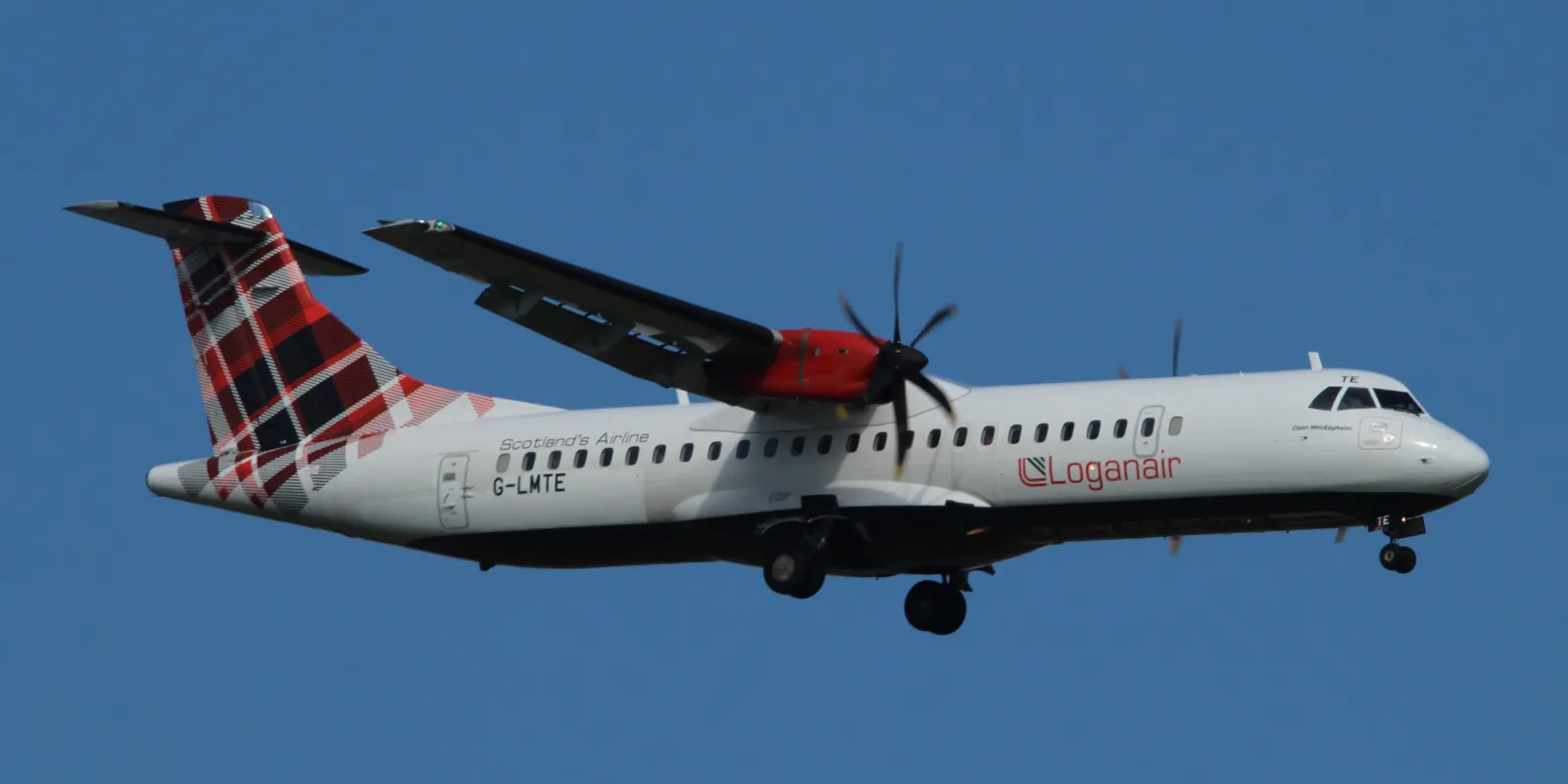
Loganair, the Airline Connecting the Scottish Islands: Fleet, Essential Routes and What to Expect On Board
Loganair was founded in 1962 and, based in Glasgow, is today the main British regional carrier, specializing in essential connections to the islands and remote communities of Scotland. Its role is not that of a leisure or low-cost carrier, but of a provider of essential air service where the alternative is often a ferry crossing of several hours or no overland connection at all.
History and positioning
After decades as a regional franchise of British Airways and then of Flybe, Loganair has returned to flying independently under its own brand, consolidating its role as the sole carrier on many routes to the Scottish Highlands and Islands, as well as on connections to Northern Ireland and Ireland.
The fleet
The fleet is being renewed: the old Saab 340s and Saab 2000s, loved by enthusiasts but increasingly difficult to maintain because of the scarcity of spare parts, are giving way to the new ATR 42-600s and ATR 72s, quieter and equipped with modern avionics that reduce fog cancellations on island routes. The fleet is completed by smaller aircraft such as the Britten-Norman Islanders and De Havilland Twin Otters, used on the shortest runways of the smaller islands, along with a share of jet-powered Embraer 145s on the longer routes.
Routes and network
The network is almost entirely domestic and island-based: Glasgow connects Islay, Benbecula, Sumburgh (Shetland) and Kirkwall (Orkney), with the recent addition of routes to Donegal and Derry in Ireland. Many of these routes are the only ones available without a long ferry journey, which makes Loganair more a connecting infrastructure than an airline in direct price competition with other carriers.
What passengers say
The opinions of island residents, who make up the most loyal share of the clientele, focus on operational reliability more than on comfort.
- Positively rated aspects: the only air link available for many communities, cabin crew described as attentive on the smaller island routes, the introduction of the ATRs perceived as a concrete improvement over the old Saabs.
- Most criticized aspects: weather-related cancellations still frequent on the most exposed runways of the smaller islands, high fares on some routes with no alternatives, limited capacity in peak periods because of the small size of the aircraft.
Loganair is the right choice for those who need to reach a Scottish island or a remote Highland community and prefer flying to a ferry crossing. It is not designed for anyone looking for a general-purpose low-cost flight: on many routes it is the only operator and the fares reflect that. Anyone booking a connection to the smaller islands should always check the seasonal weather conditions of the specific route before planning tight connections: on the smallest runways, cancellations due to fog or wind remain more frequent than at a standard regional airport.
You might also like...

Alta Airport: where to stay, areas and recommended hotels

Egal International Airport: where to stay, areas and recommended hotels

Bahamasair: The ATR and Boeing Fleet of the Bahamas' Flag Carrier
Aeroitalia: The ITA Airways Lawsuit, the Growing Fleet and What to Expect On Board

Niederrhein Airport: where to stay, areas and recommended hotels
