Tigerair Taiwan: How the Low-Cost Carrier Linking the Island to Japan and Korea Works
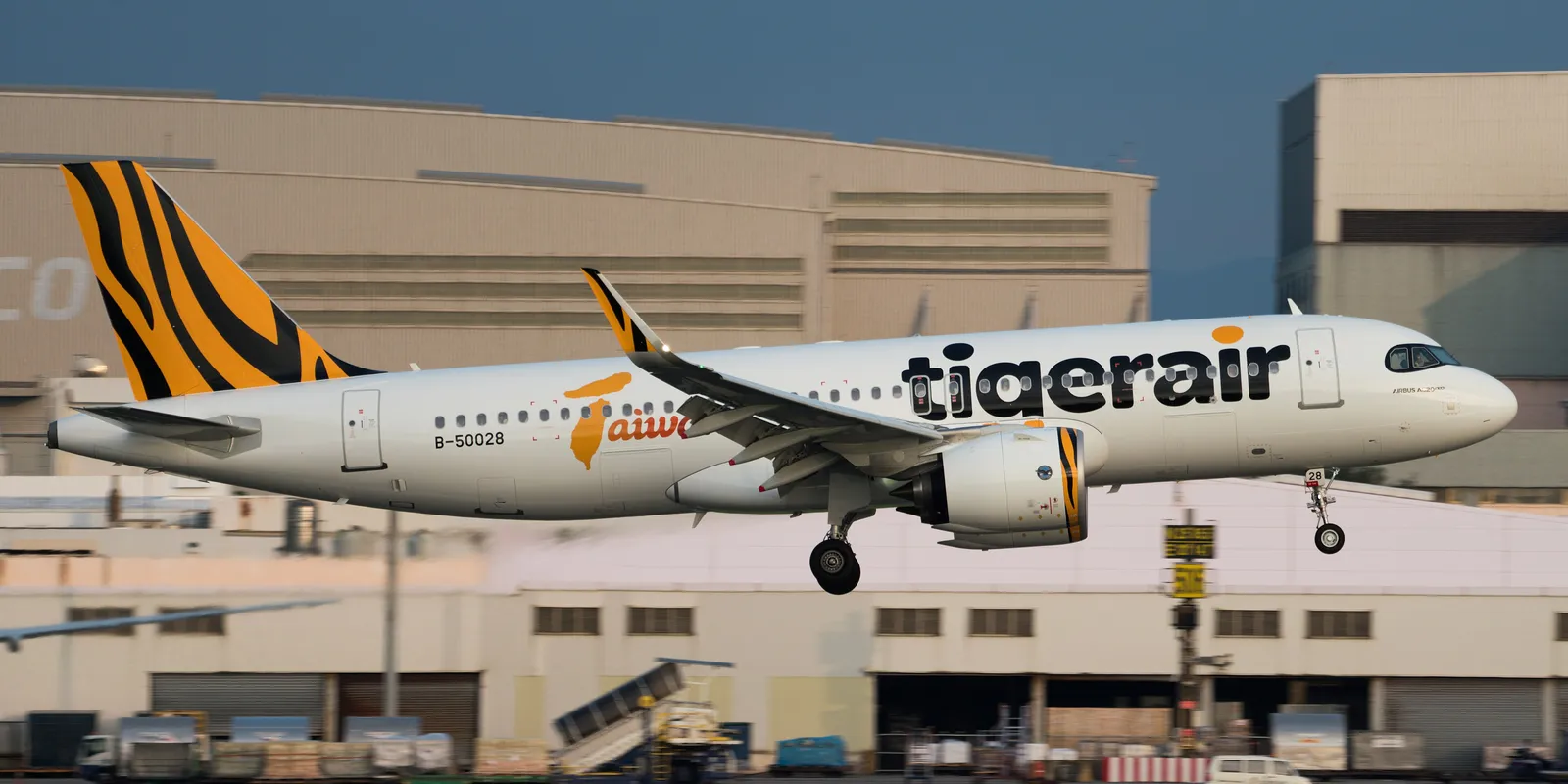
Tigerair Taiwan was born as a low-cost airline tied to the China Airlines group, with its main hub at Taipei Taoyuan airport and a second operating base at Kaohsiung. Although it inherited the brand from the original Singapore-based Tigerair group, today the airline operates independently with a fully low-cost model focused on short-haul routes to Japan and South Korea, the two markets where most of the regional competition plays out.
History and positioning
The link with China Airlines gives Tigerair Taiwan privileged access to slots and infrastructure at Taiwan's main airports, a competitive advantage that is far from a given for a low-cost carrier compared with independent competitors that must negotiate every agreement with airports separately.
The fleet
The fleet consists entirely of Airbus A320s, and the airline has announced the purchase of 15 Airbus A321neos to increase overall capacity in anticipation of growing demand on short-haul Asian routes, where competition from other regional low-cost carriers is particularly intense.
Routes and network
With about 400 weekly flights to over twenty destinations, Tigerair Taiwan concentrates its operations mainly on Japan and South Korea: the main routes include Taipei-Seoul, Taipei-Okinawa, Taipei-Jeju and Taipei-Busan, along with links from Kaohsiung to Macau. For the summer 2025 season the airline increased frequencies on several routes, for example raising Kaohsiung-Tokyo Narita from four to six weekly flights and Taipei-Okinawa from one to two flights a day.
Fares and baggage
The fare model follows the strictest low-cost scheme among Asian airlines: the base fare includes only one carry-on bag plus a personal item, for a combined maximum of 10 kg, with no checked baggage included at all. Checked baggage must always be purchased separately, in bands ranging from 15 to 30 kg, and it is better to buy it online in advance rather than directly at the airport, where the cost rises noticeably.
Anyone traveling light on short-haul routes to Japan and Korea saves money by choosing Tigerair Taiwan; those carrying heavy baggage or needing flexibility if plans change will instead find the strictest model. Anyone planning to bring a checked suitcase should always buy it online at the time of booking, or at least well before departure, because the surcharge paid directly at the airport check-in counter is significantly higher.
You might also like...
Vienna Schwechat lounges: a guide to choosing by gate
SKY High Dominicana: The Small Caribbean Airline Betting on Cargo
Bogotá's El Dorado lounges: which to choose and why

Bahamasair: The ATR and Boeing Fleet of the Bahamas' Flag Carrier

Karup Airport: where to stay, areas and recommended hotels