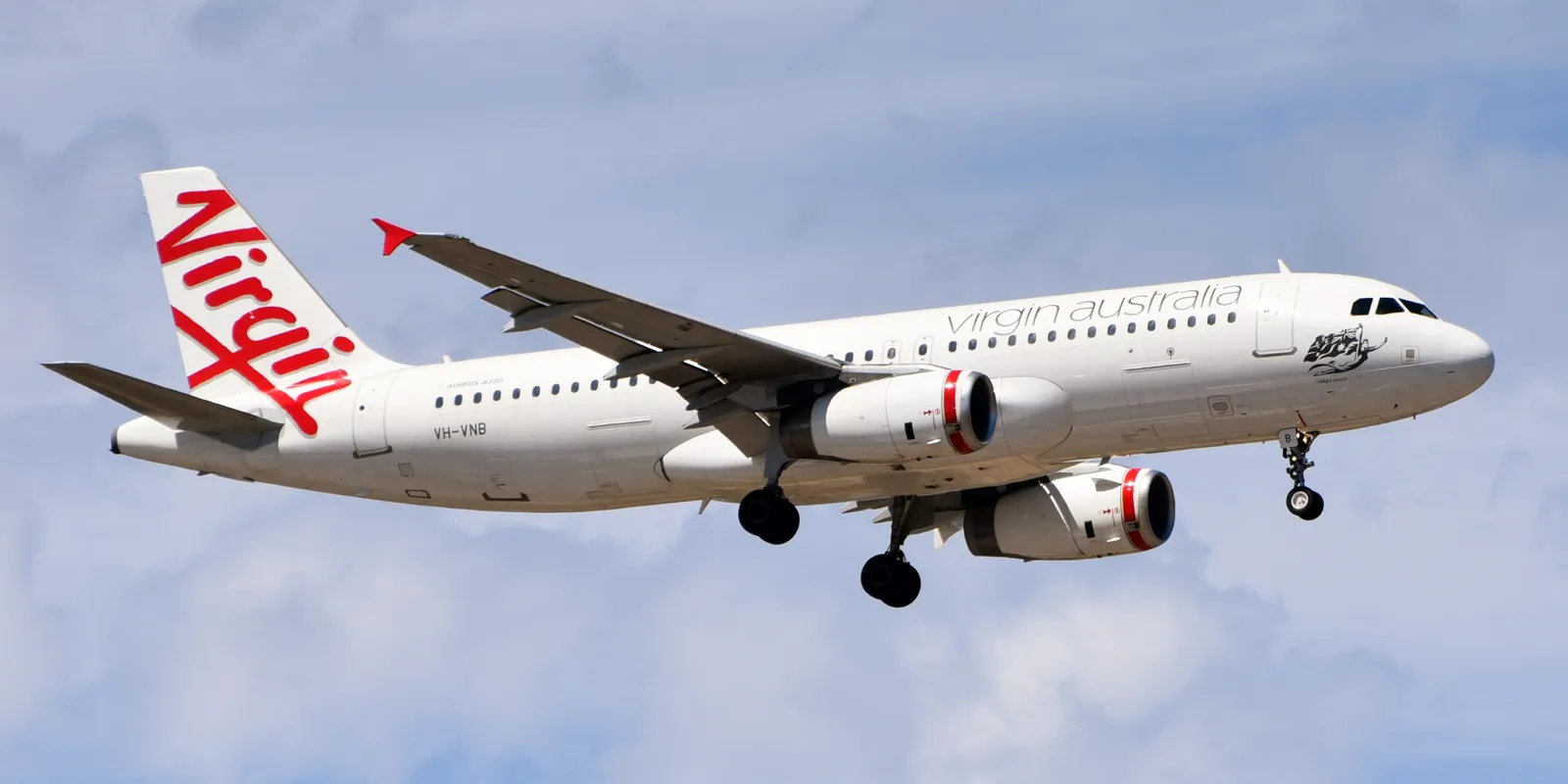
Virgin Australia Regional: The Fokker 100 and Airbus A320 Fleet After Saying Goodbye to the ATRs
Virgin Australia Regional Airlines is the regional division of the Virgin Australia group, created to serve mining and regional routes with a fleet different from that of the parent airline. After ending ATR 72 operations in 2020, when voluntary administration led to all the aircraft being returned to lessors, it now operates exclusively with jets: thirteen Fokker 100s and six Airbus A320-200s.
History and positioning
Virgin Australia Regional Airlines is the regional division of the Virgin Australia group, created to serve mining and regional routes with a fleet different from that of the parent airline. After ending operations with the ATR 72 in 2020, when voluntary administration led to all the aircraft being returned to lessors to contain costs during the crisis, it now operates exclusively with jets, a choice that sets it apart from most comparable regional carriers. The regional division remains less visible to the general public than the main Virgin Australia brand, although it shares its safety standards and operating procedures.
The fleet
The fleet consists of thirteen Fokker 100s, aircraft no longer in production but still efficient on short routes and valued for their ability to operate from shorter runways, and six Airbus A320-200s for the regional routes with higher demand. The decision to abandon turboprops sets Virgin Australia Regional apart from other Australian regional carriers such as Rex or Airnorth, which keep a significant turboprop component. Maintaining the Fokker 100s, aircraft no longer in production, requires careful management of spare-parts availability on the secondary market.
Routes and network
The Fokker 100s serve in particular the charter services to the mining sites of Western Australia and Queensland, a business segment that generates steady and predictable revenue through long-term corporate contracts, while the A320s cover regional routes open to the general public with higher demand. The charter services to the mining sites of Western Australia remain the most stable core of the division's business, less exposed to fluctuations in general tourist demand.
Fares and baggage
On the mining charter routes the ticket is generally arranged and paid for directly by the employer through corporate agreements, while on the A320 routes open to the general public the fare structure follows the standard of the Virgin Australia brand, including comparable baggage allowances.
On board and service
On the A320 routes open to the public, the onboard service follows the Virgin Australia standard, with drinks and snacks available; on the Fokker 100s used for the mining charter services the service is more basic, consistent with the nature of transporting shift workers rather than tourist flying.
What passengers say
Much of the traffic is corporate charter tied to the mining sector, so public reviews are fewer than for general scheduled carriers. Those who fly these routes report a basic but punctual service, in line with the needs of the rigid work rosters typical of the extractive sector, where a delay can have direct repercussions on the planning of shifts at the mine. The few public reviews available come mostly from mining-sector workers used to this kind of connection on fixed rosters.
- Punctual service, consistent with the rigid work rosters of the mining sector.
- Service standard in line with that of the main Virgin Australia brand on the A320 routes.
- All-jet fleet, without the range limits of turboprops.
- Fokker 100 fleet valued for operating from the shorter runways of mining areas.
- Much of the capacity is dedicated to corporate charter, not general scheduled flights.
- Limited public availability on many routes reserved for charter traffic.
- Smaller public network than regional carriers focused on general passenger traffic.
- Lower public visibility than the main Virgin Australia brand.
Virgin Australia Regional makes sense above all for people who work in the mining sector or need to reach a remote site in Western Australia on a charter flight organized by their employer, and less so for the general traveler looking for a public scheduled flight. If you are looking for a direct ticket to the site, first check whether the route you are interested in is actually open for public sale or reserved for corporate charter traffic.
You might also like...
Equaflight Service: The Small Carrier Linking Congo's Oil Industry

Billy Bishop Toronto City Centre Airport: where to stay, areas and recommended hotels

Madeira Airport: where to stay, areas and recommended hotels

Vienna Schwechat lounges: a guide to choosing by gate
ASL Airlines Belgium: The Belgian Cargo Airline That Carries No Passengers, and How It Works