Volotea: The Low-Cost Airline Linking Europe's Secondary Cities Without Going Through the Big Hubs
Volotea, founded in 2011 by two former Vueling executives, is a Spanish low-cost airline specializing in point-to-point routes between small and mid-sized European cities, often without direct links from other carriers. It operates from a network of more than twenty bases spread across Spain, France and Italy, a distinctive model compared with low-cost carriers concentrated on the big hubs.
A Model Built on the Cities Other Airlines Ignore
Volotea's strategy differs from most European low-cost carriers in its choice to focus on secondary routes with modest demand but little competition, rather than competing on the main routes between big capitals. It is a positioning that has let it grow while avoiding head-to-head competition with larger carriers such as Ryanair or easyJet on the busiest routes.
The Fleet
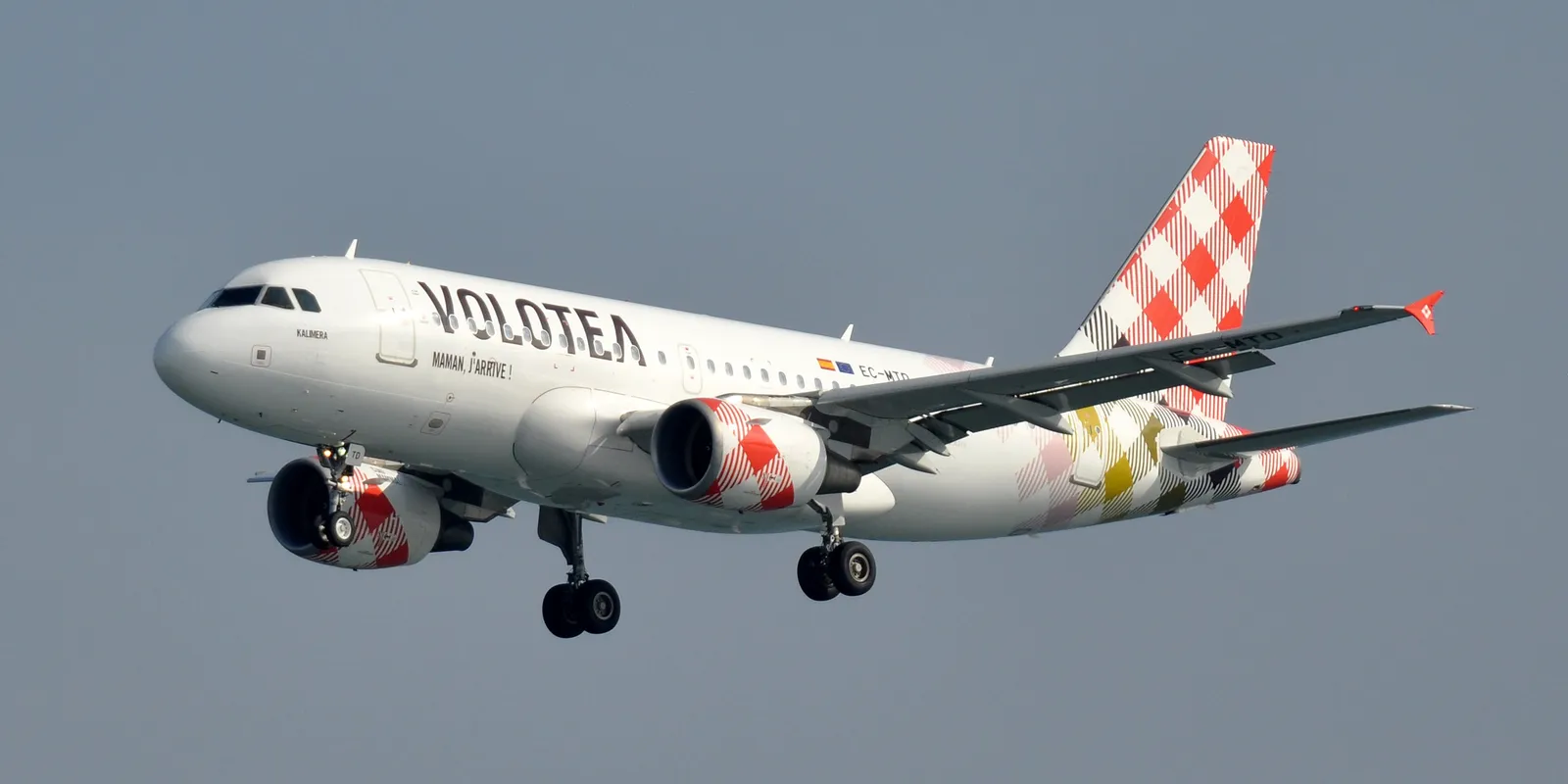
The fleet, made up of 45 aircraft split between Airbus A319s and A320s during peak season, remains relatively small compared with other European low-cost carriers, consistent with a model based on many low-demand routes rather than a few very high-frequency ones.
Routes and Bases
In 2026 the airline operates more than 430 routes from twenty-one permanent bases, with new bases opening in Limoges, Montpellier and Ancona during the year and a third aircraft based in Asturias. The network exceeds 80,000 flights a year, with nearly 14 million seats offered, growth built almost entirely on secondary destinations rather than on the major European capitals.
Fares and Baggage
As is typical of the low-cost model, the basic fare includes only a small carry-on bag, with checked baggage, a larger trolley and seat selection available for purchase separately. The higher fares progressively add these services, with a structure in line with the standards of other European low-cost carriers.
What Passengers Say
- Most appreciated: the chance to reach cities otherwise cut off from the direct air network, and a good selection of new seasonal routes every year.
- Most criticized: frequencies often limited to a few days a week on many secondary routes, and less flexibility in case of cancellation given the scarcity of direct alternatives on the same route.
Volotea is the most useful choice for anyone who needs to reach a secondary European city not covered by other carriers, accepting in exchange less dense frequencies than on routes between big capitals. It is less suitable for those who need more schedule alternatives on the same day in case of the unexpected.
Always check the exact weekly frequency of your route before booking a trip with fixed deadlines: many of Volotea's secondary destinations are served only two or three days a week, not daily.
You might also like...

Zaragoza Air Base: where to stay, areas and recommended hotels

Charlotte airport lounges: American's clubs vs independents

Billings Logan International Airport: where to stay, areas and recommended hotels

Bahamasair: The ATR and Boeing Fleet of the Bahamas' Flag Carrier
Flying with Tropic Air: What the Hop in a Cessna Caravan to the Belize Islands Is Really Like
