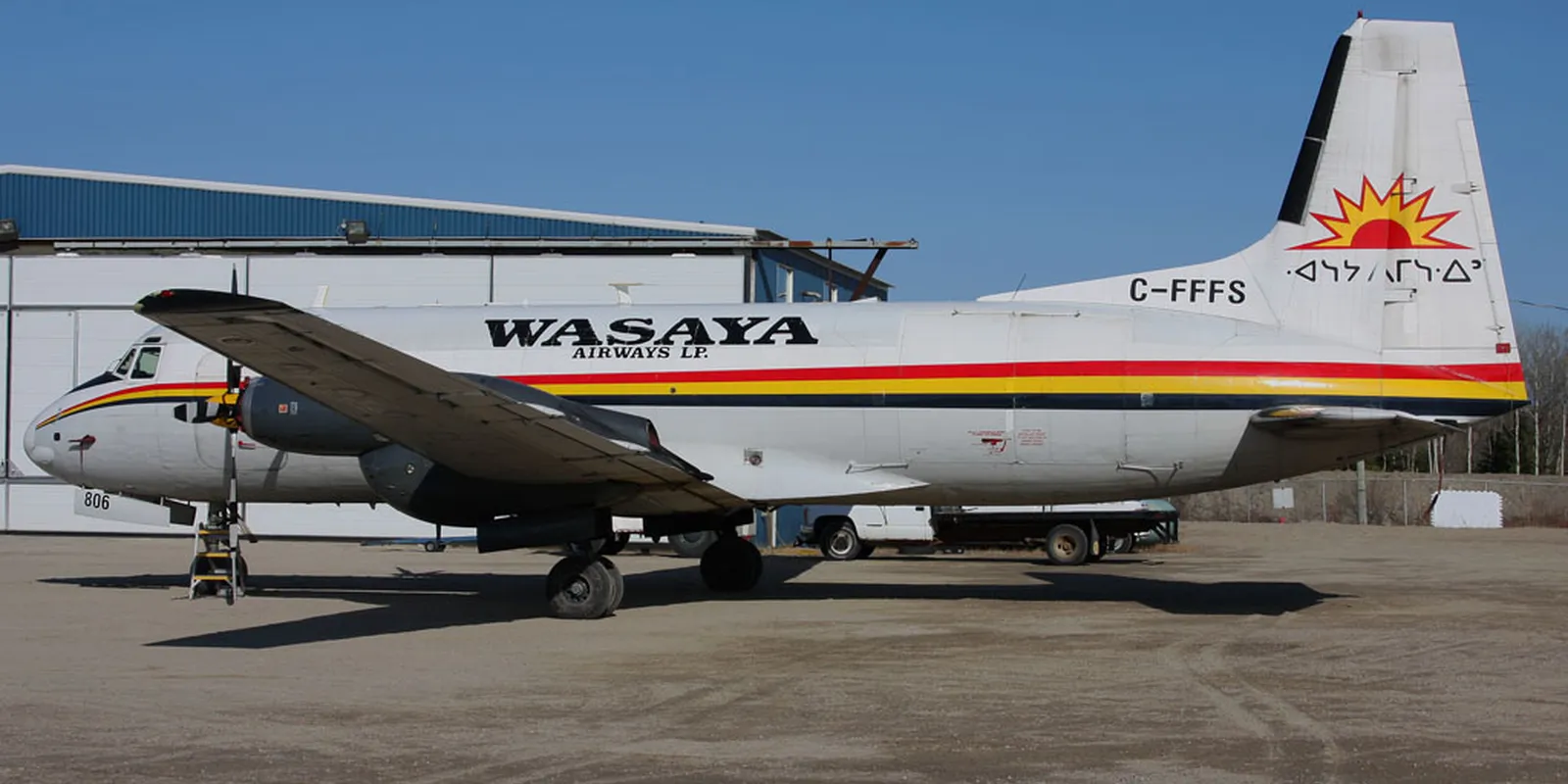
Wasaya Airways: A Practical Guide to Flying to Ontario's Remote Communities
Wasaya Airways is not an airline designed for tourism: it is the air link that holds together dozens of First Nations communities in northern Ontario, many of them with no roads reaching them year-round. It was founded in 2003, when it took over from Bearskin Airlines the rights to serve these communities, and it is owned by Wasaya Group, which is in turn held by 12 First Nations. Its operating bases are in Thunder Bay and Sioux Lookout, with additional outposts at Red Lake and Pickle Lake.
History and positioning
The acquisition of the route rights from Bearskin Airlines in 2003 was not a business deal like any other: it transferred to an Indigenous-owned structure the control of an essential service, not a tourist extra. For many of the communities served, the plane is the only way to receive fresh food, medicine and building materials and, of course, to move people. This explains why Wasaya does not compete on international-airport punctuality or inflight entertainment, but on the ability to keep operating when the runways are gravel, the weather forecast changes quickly and there is no road-based plan B.
The fleet
The fleet mixes very different aircraft precisely because the runways to be served are very different: Dash 8 for higher-capacity routes, Beechcraft 1900 and Pilatus PC-12 for lighter connections, Cessna Caravan for the shortest and least prepared strips. Several of these aircraft operate in a combi configuration, meaning passengers and freight in the same cabin, separated by a net, a solution common in air transport in Canada's Far North but rare elsewhere.
Routes and network
From its bases at Thunder Bay and Sioux Lookout, Wasaya reaches about 25 remote communities in northern Ontario, many of them reachable by land only in winter thanks to temporary ice roads, or not accessible at all. There is therefore no real point-to-point network in the traditional sense: each route answers a specific logistical need of the community it serves, and frequencies follow the demand for freight and essential passenger travel more than classic commercial scheduling.
On board and service
Do not expect screens, a drinks trolley or Wi-Fi: the cabin is functional, often shared with cargo, and your baggage may be left behind if the space has to go to priority freight on that flight. It is a compromise that residents of the communities served know well and accept, while for those arriving from outside with leisure-airline expectations it can be disorienting.
Wasaya Airways is the right choice if you need to reach a First Nations community in northern Ontario with no permanent road access, not if you are looking for a comfortable or predictable travel experience. It is not suited to a tourist itinerary with tight connections: freight often takes priority over passengers when space on board is limited, and weather changes can overturn the day's schedule. The practical tip is to book well in advance during the busiest freight periods, such as before winter, when communities stock up before ice roads become the only alternative.
You might also like...

The Eastern Iowa Airport: where to stay, areas and recommended hotels
Douala International Airport: where to stay, areas and recommended hotels
Airline alliances and miles: how to travel in business class
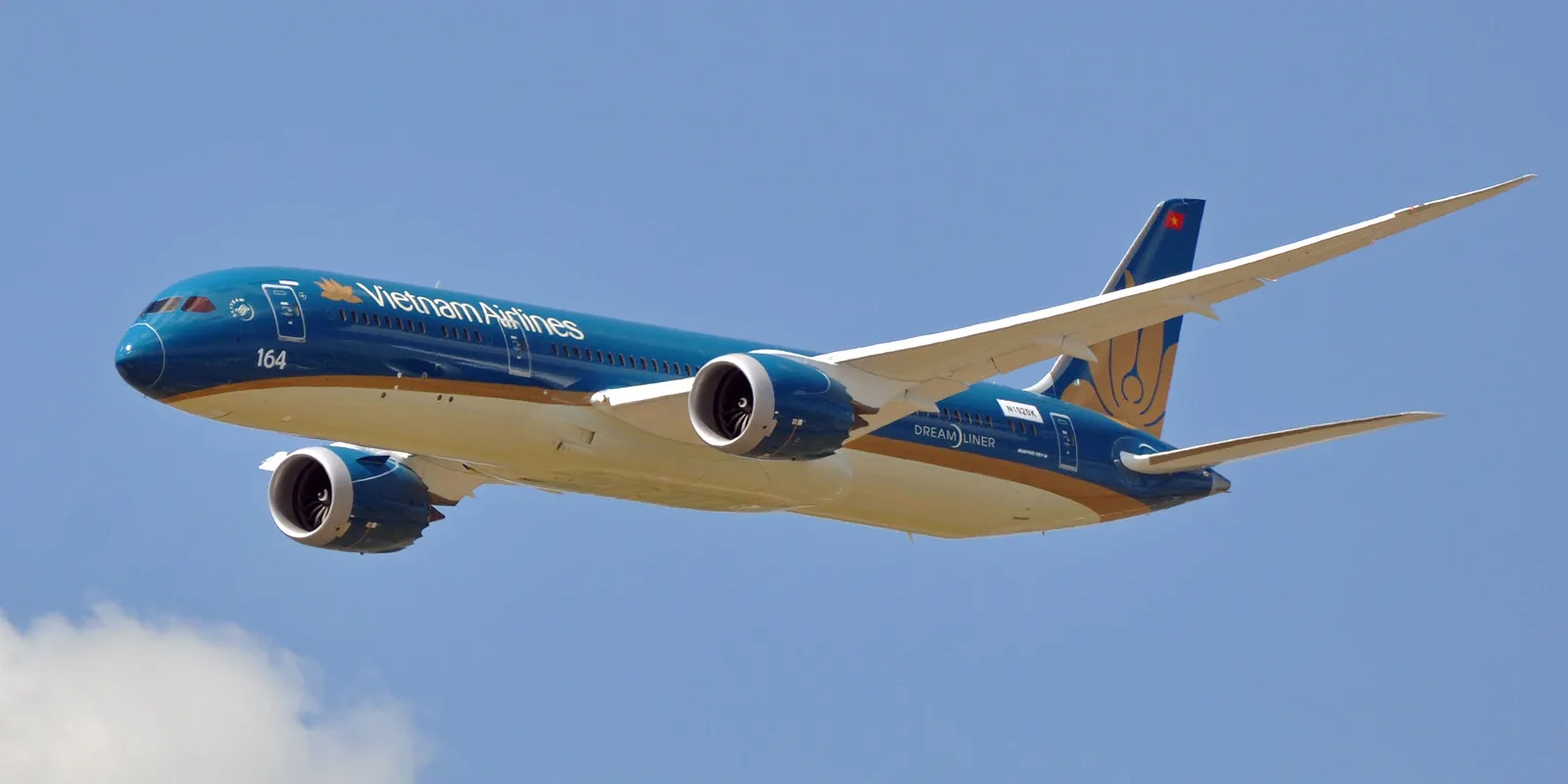
Vietnam Airlines: The A350 Fleet, the Two Hubs and the Crisis of Family Low-Cost Carrier Pacific Airlines
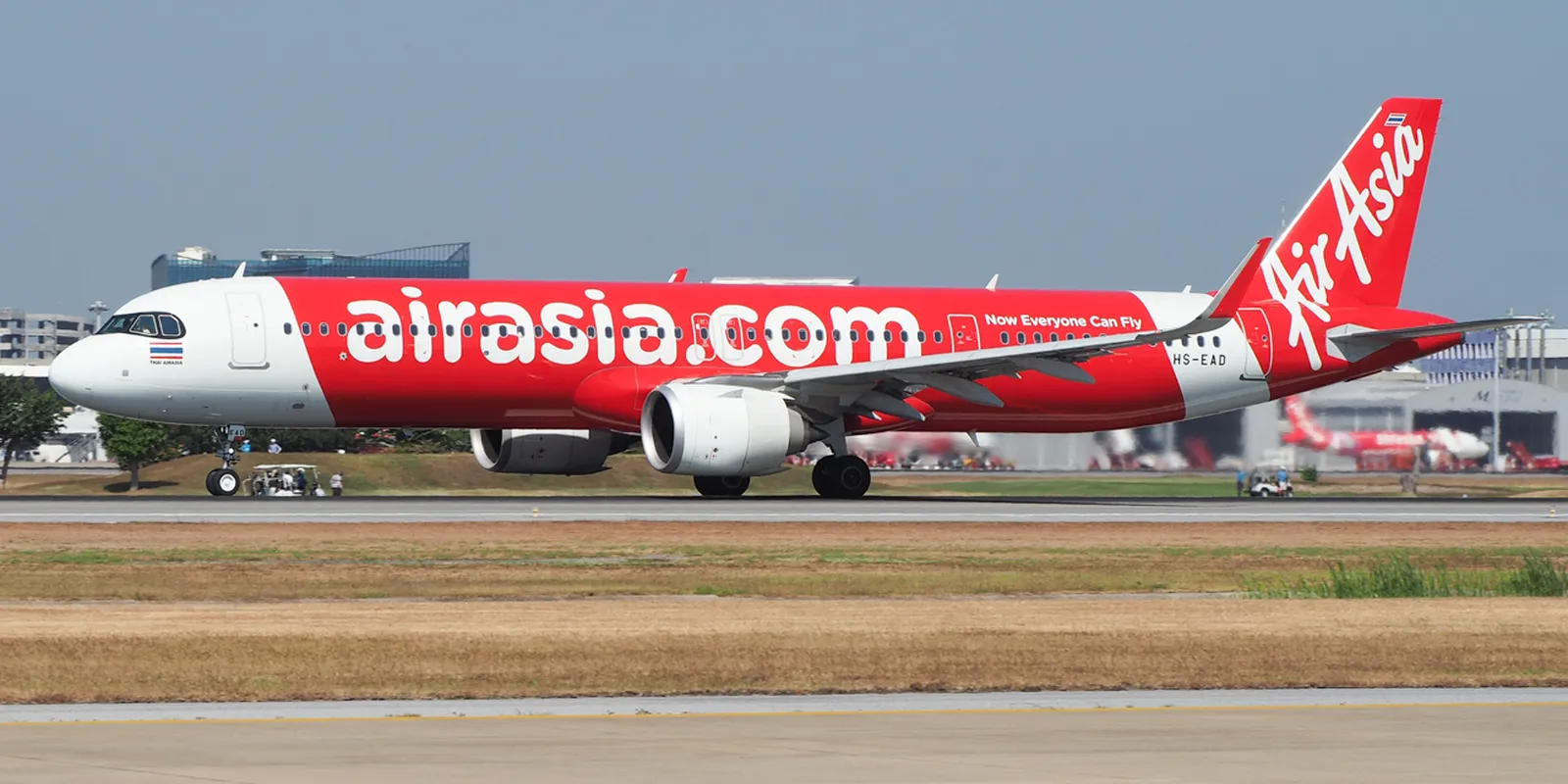
Thai AirAsia: The Low-Cost Network Covering Thailand and Southeast Asia
