
Aruba Bonaire and Curacao: main airports
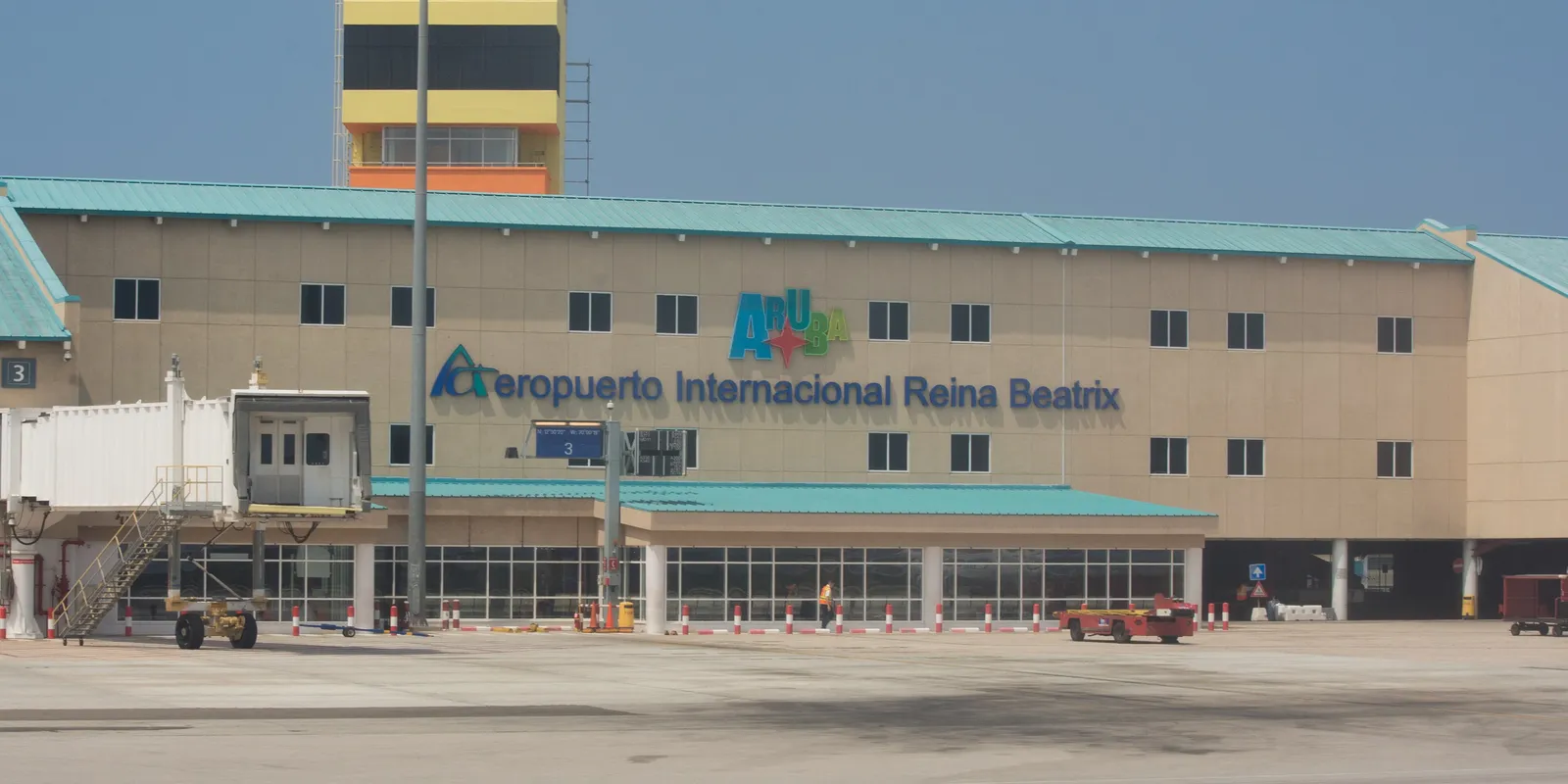
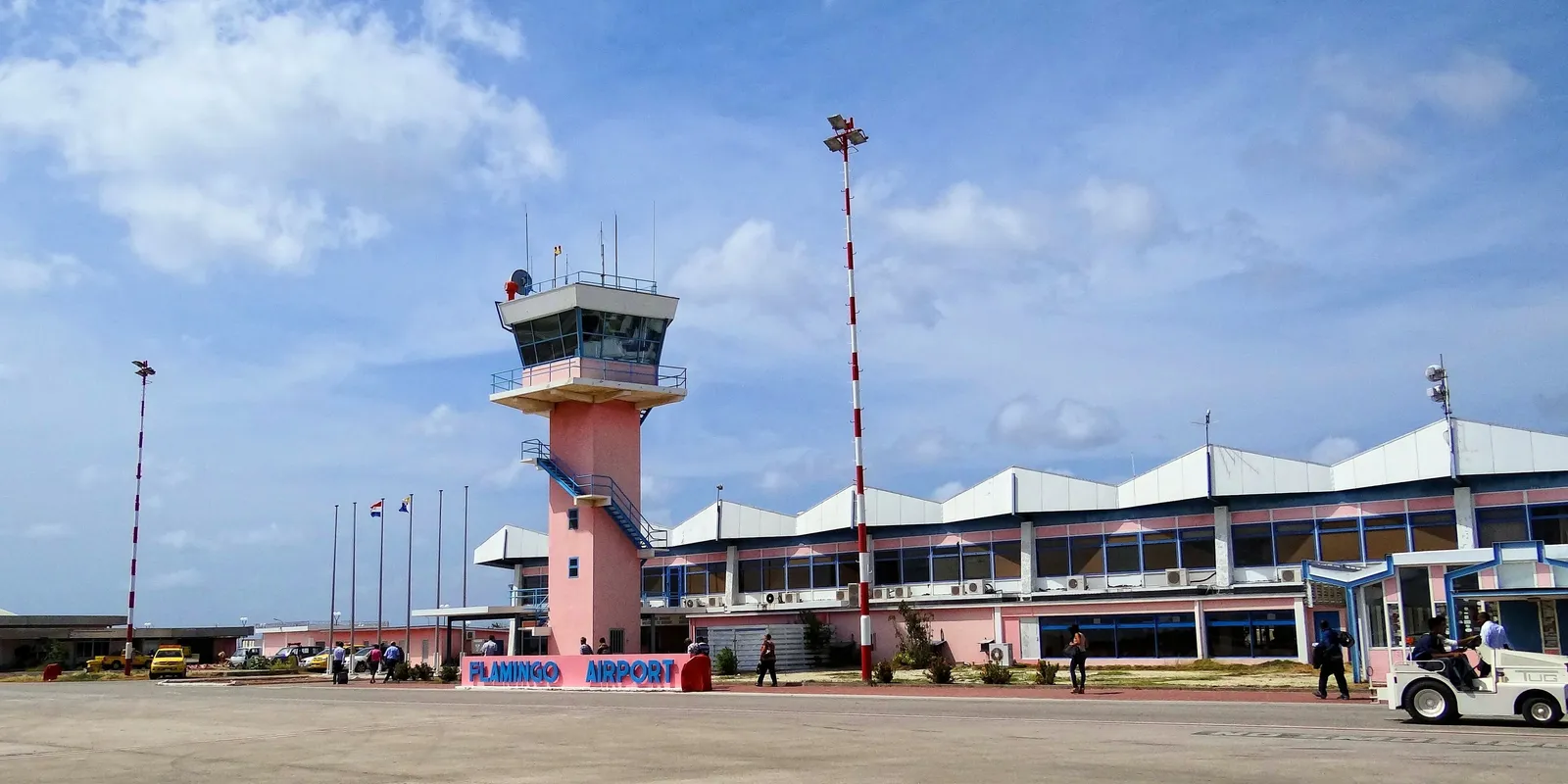
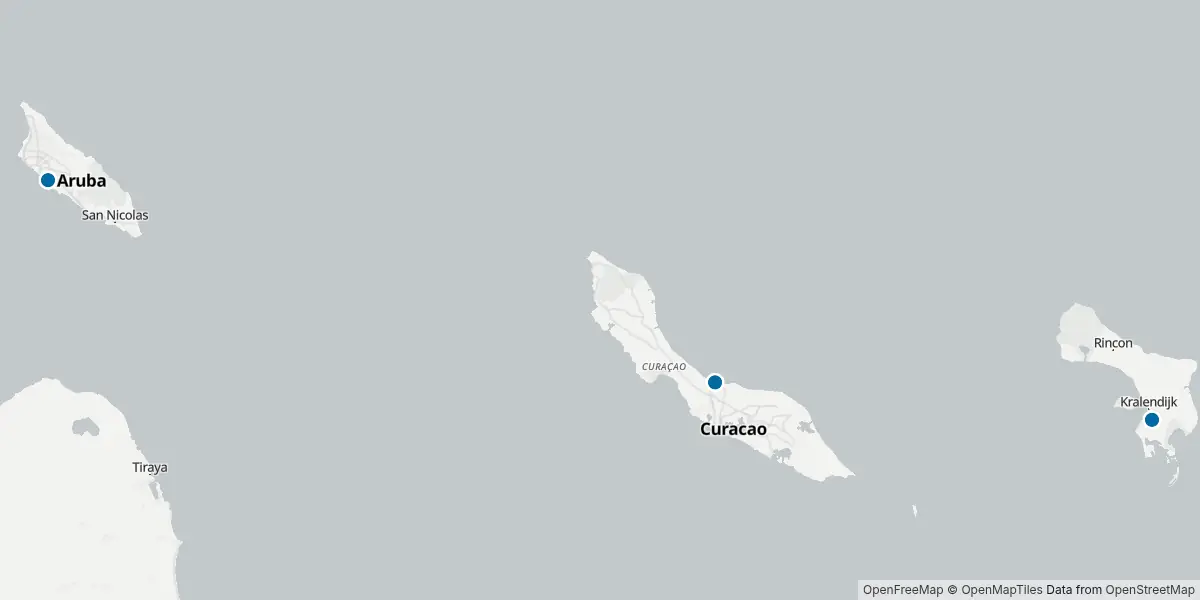
Aruba, Bonaire and Curaçao are three distinct islands of the Dutch Caribbean, each with its own international airport: Aruba Airport (Queen Beatrix) near Oranjestad, Curaçao Airport (Hato) near Willemstad, and Bonaire Airport (Flamingo) near Kralendijk. They are all well connected with direct flights from the Netherlands and several North American hubs.

Aruba Bonaire and Curacao: recommended activities
Aruba Bonaire and Curacao: visa and entry requirements
This entry actually groups together three distinct territories of the Kingdom of the Netherlands in the Caribbean: Aruba and Curaçao are autonomous countries within the Kingdom, while Bonaire is a special municipality of the Netherlands proper. Each has slightly different entry rules, but in general many nationalities, including EU countries, can enter without a visa for short tourist stays, with a valid passport.
Aruba Bonaire and Curacao: safety
The three islands are generally safe for tourists, with an economy strongly oriented towards international tourism. As in all Caribbean destinations, the usual precautions against petty theft apply in the more touristy areas.
Aruba Bonaire and Curacao: health situation
The health risk in Aruba, Bonaire and Curaçao is low, with a good level of medical facilities on all three islands, often comparable to European standards thanks to the link with the Netherlands. Tap water, largely desalinated, is generally considered safe.
As in much of the Caribbean, there is a risk of mosquito-borne diseases (dengue in particular): it is useful to use repellents, especially in the evening. No mandatory vaccinations are required for entry.
Aruba Bonaire and Curacao: currency, payments and connectivity
Aruba has the Aruban florin as its official currency, but the US dollar is widely accepted; Bonaire uses the US dollar, Curaçao the Netherlands Antillean guilder. Cards are generally well accepted on all three islands, given the strong tourism focus.
Western transport apps are not widespread: taxis operate with regulated rates by zone, displayed at the main stops.
For local connectivity, the operator Digicel is present on all three islands; Aruba also has the local operator Setar.
For driving and car rental: EU, US and Canadian licences are generally accepted directly for tourist stays; for other nationalities it is advisable to also have an International Driving Permit (IDP).