Ecuador: main airports
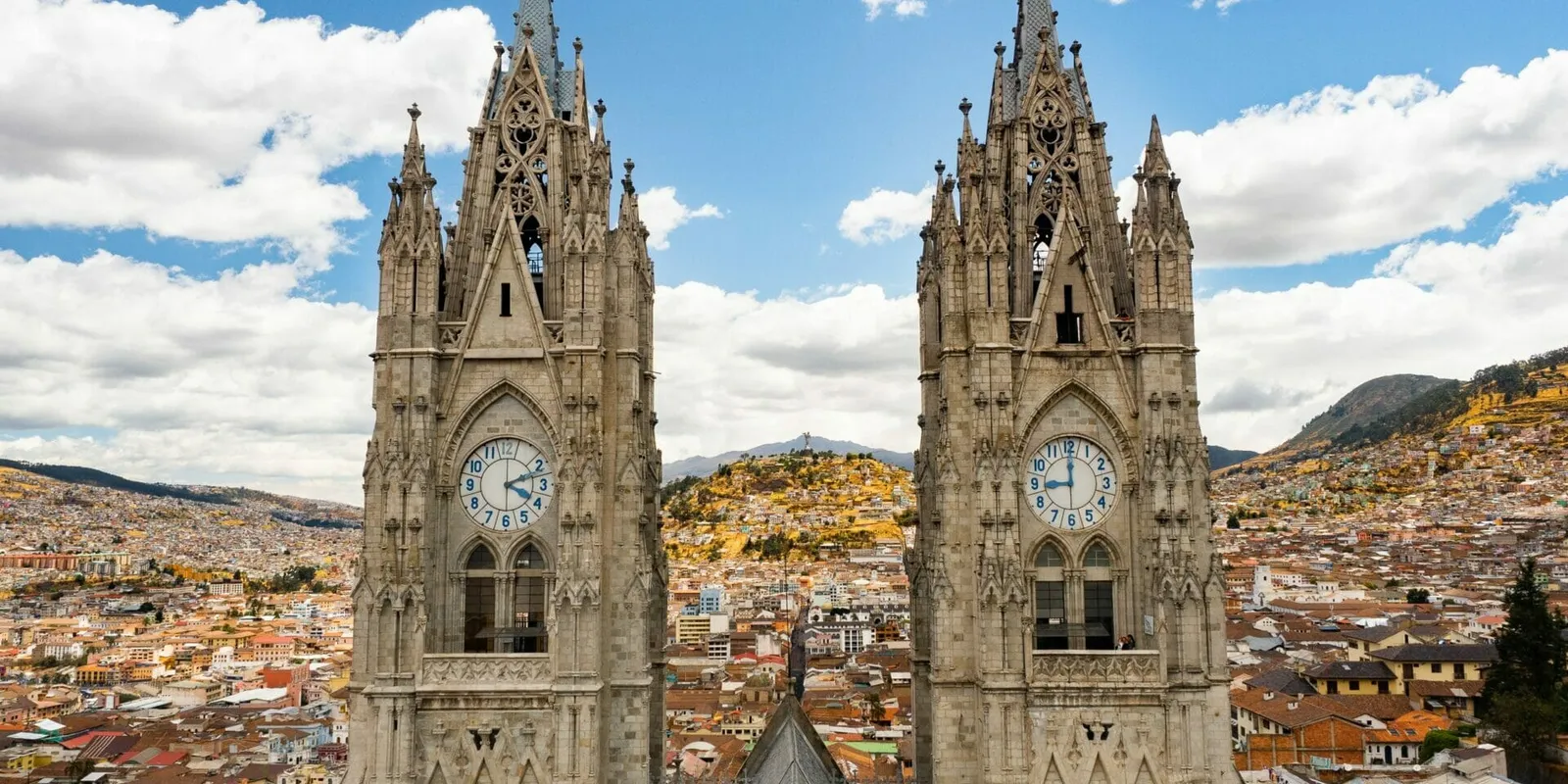
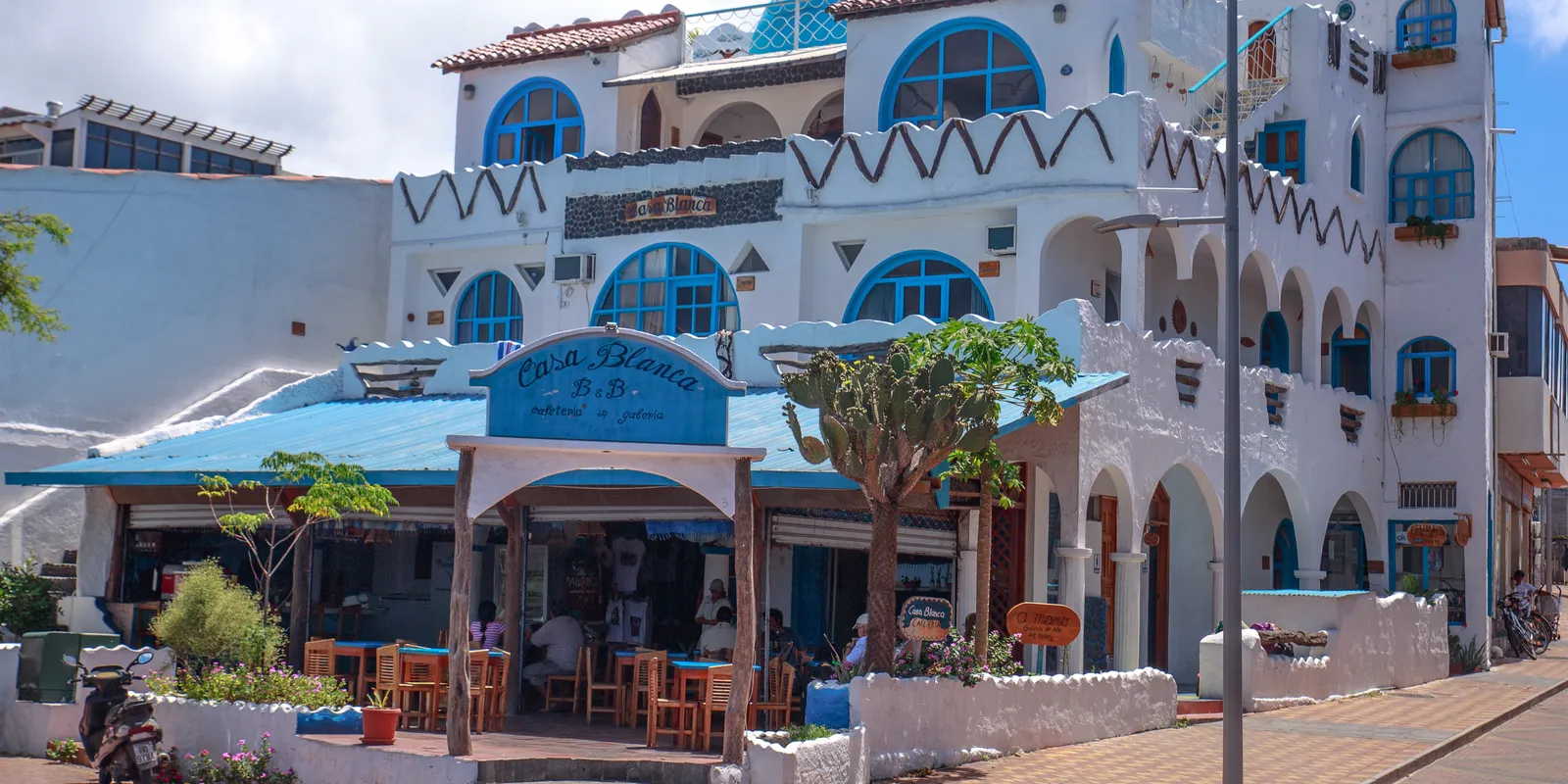
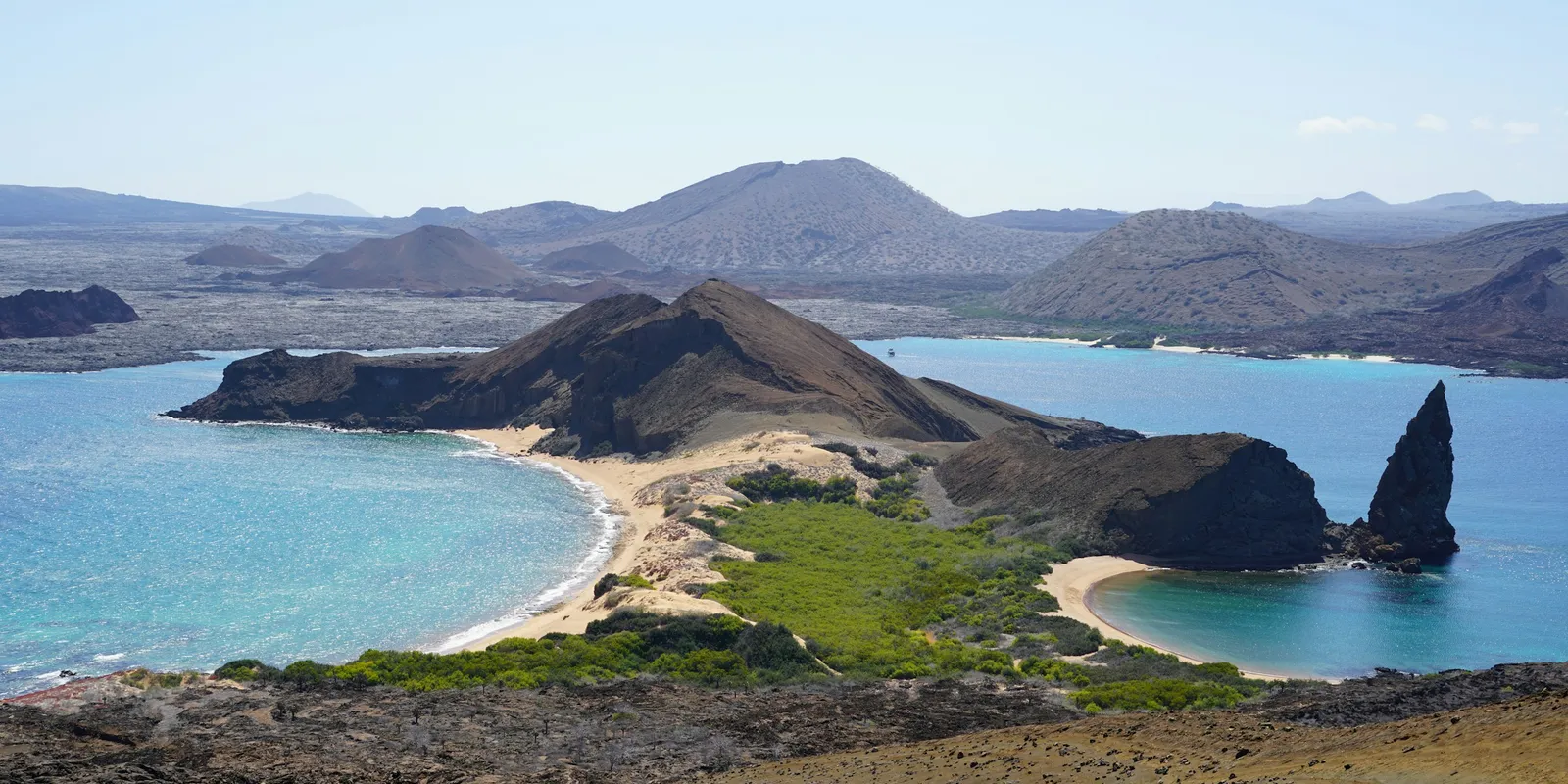
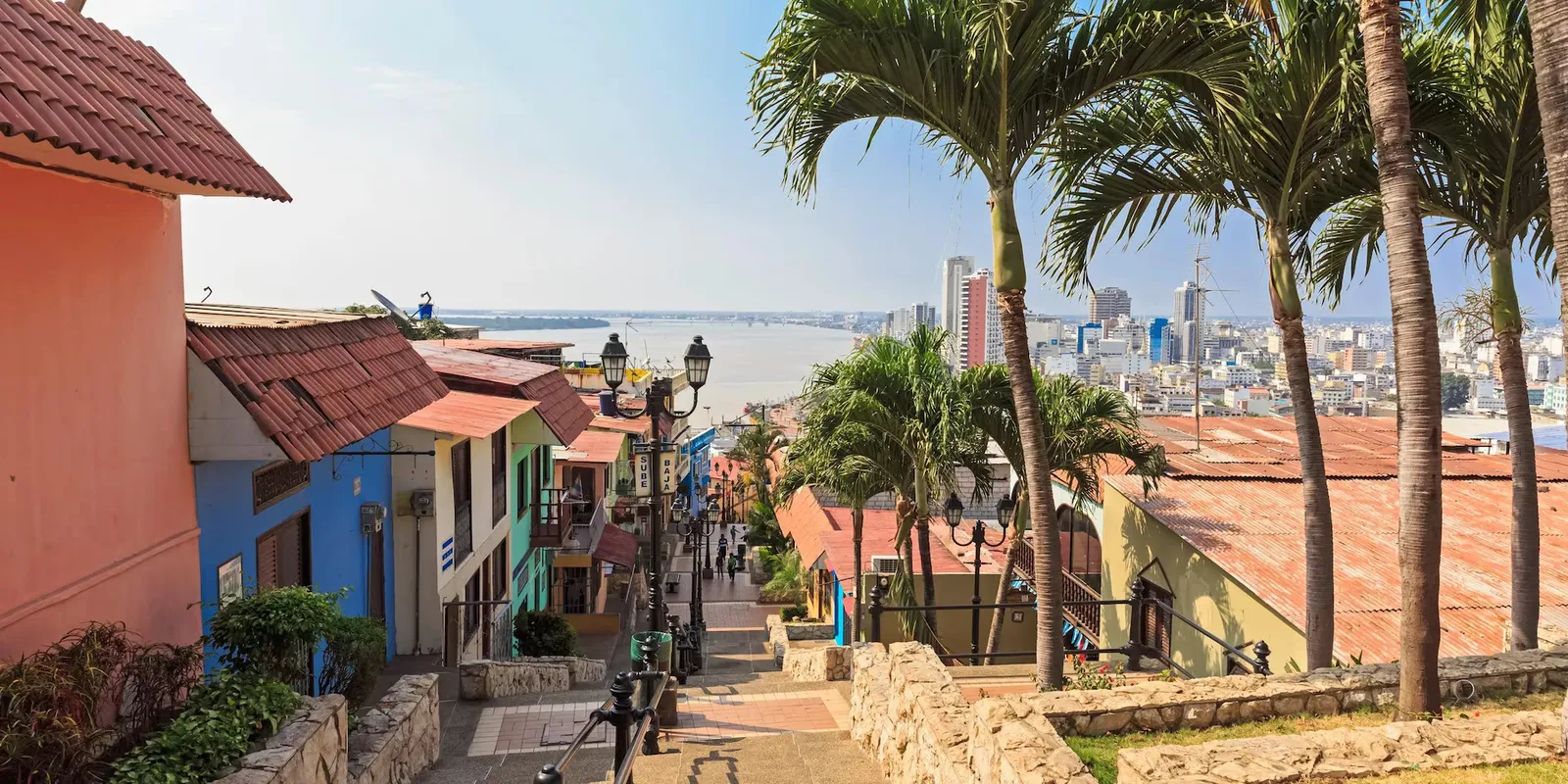
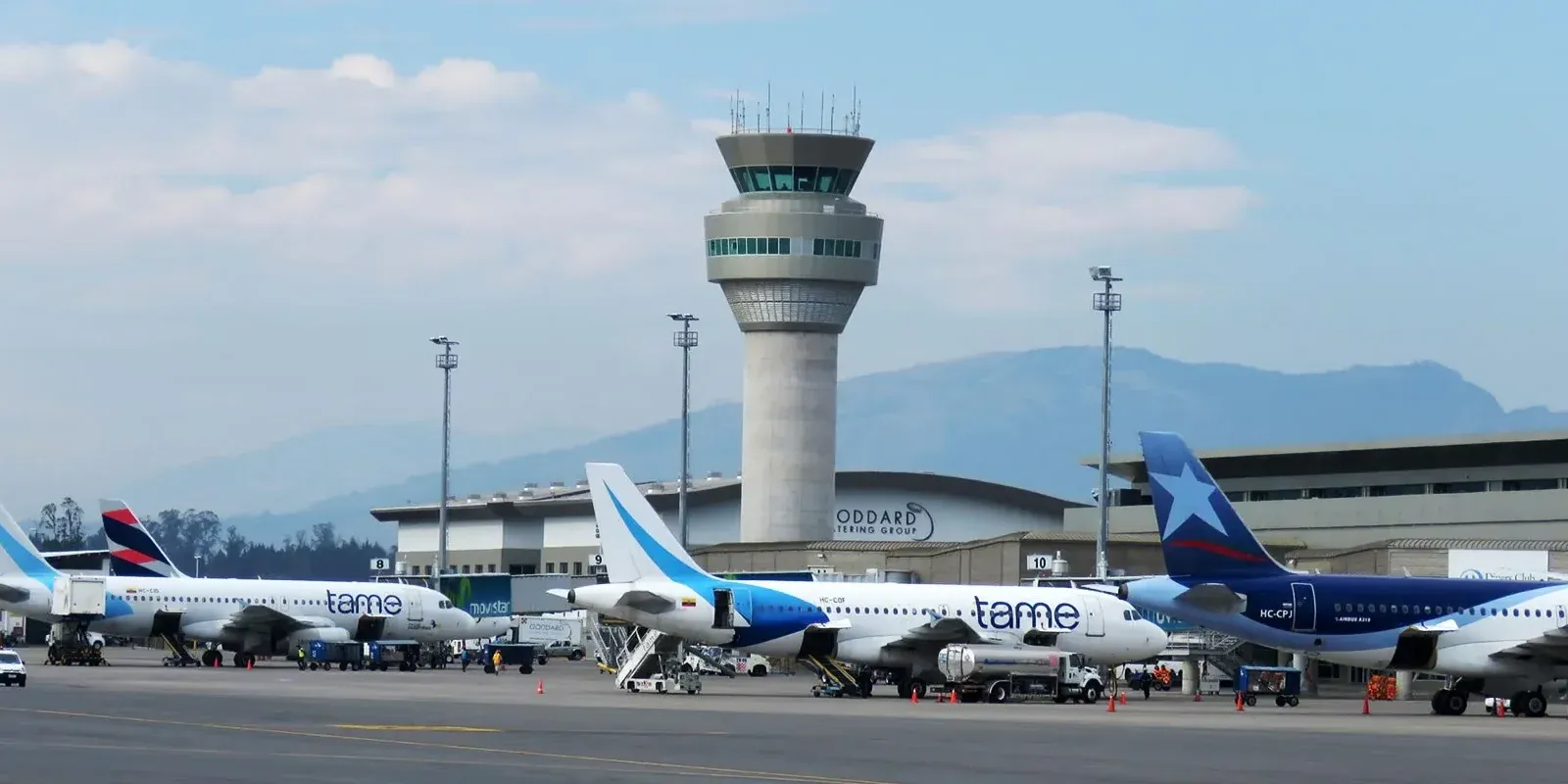
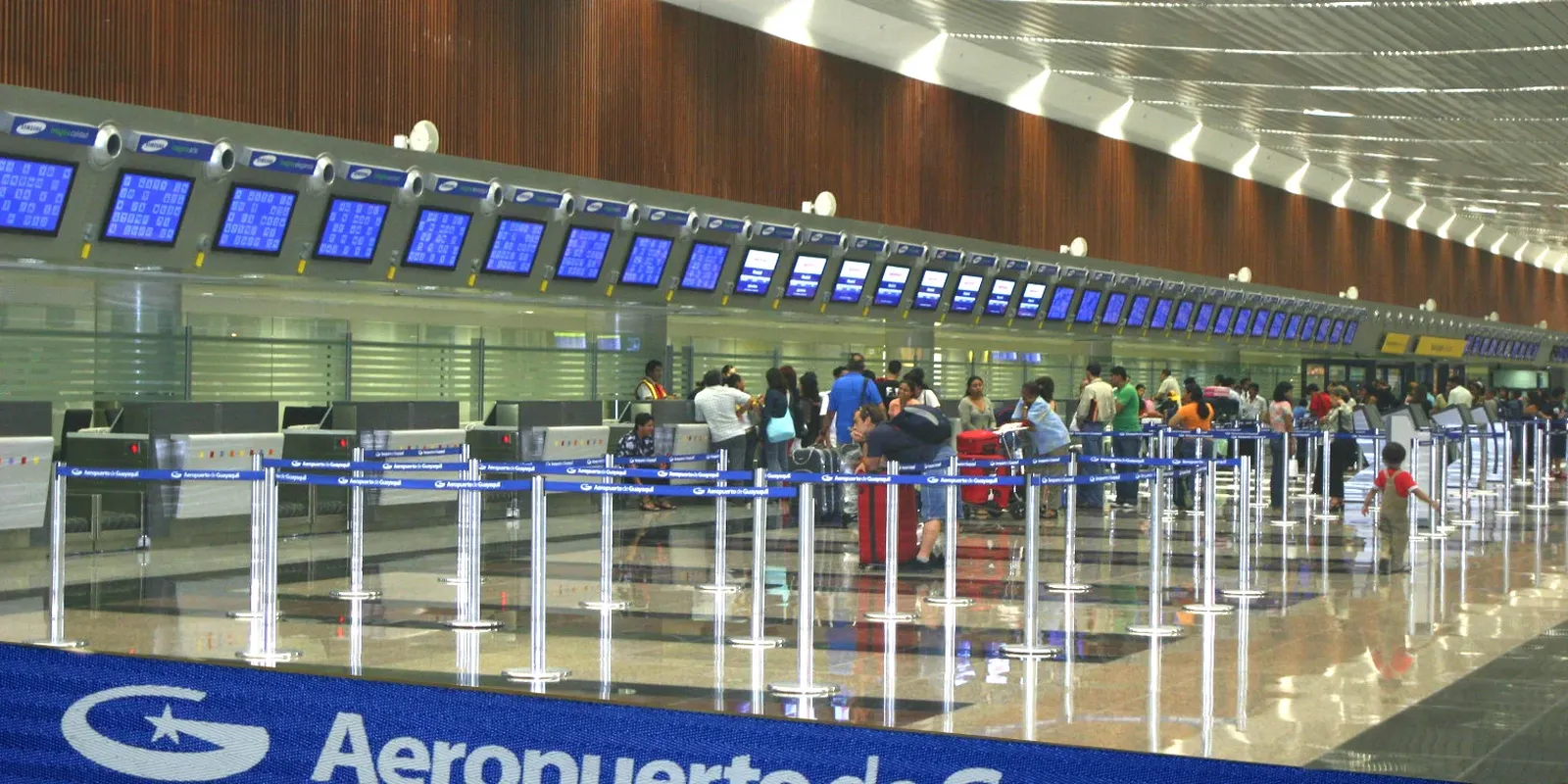
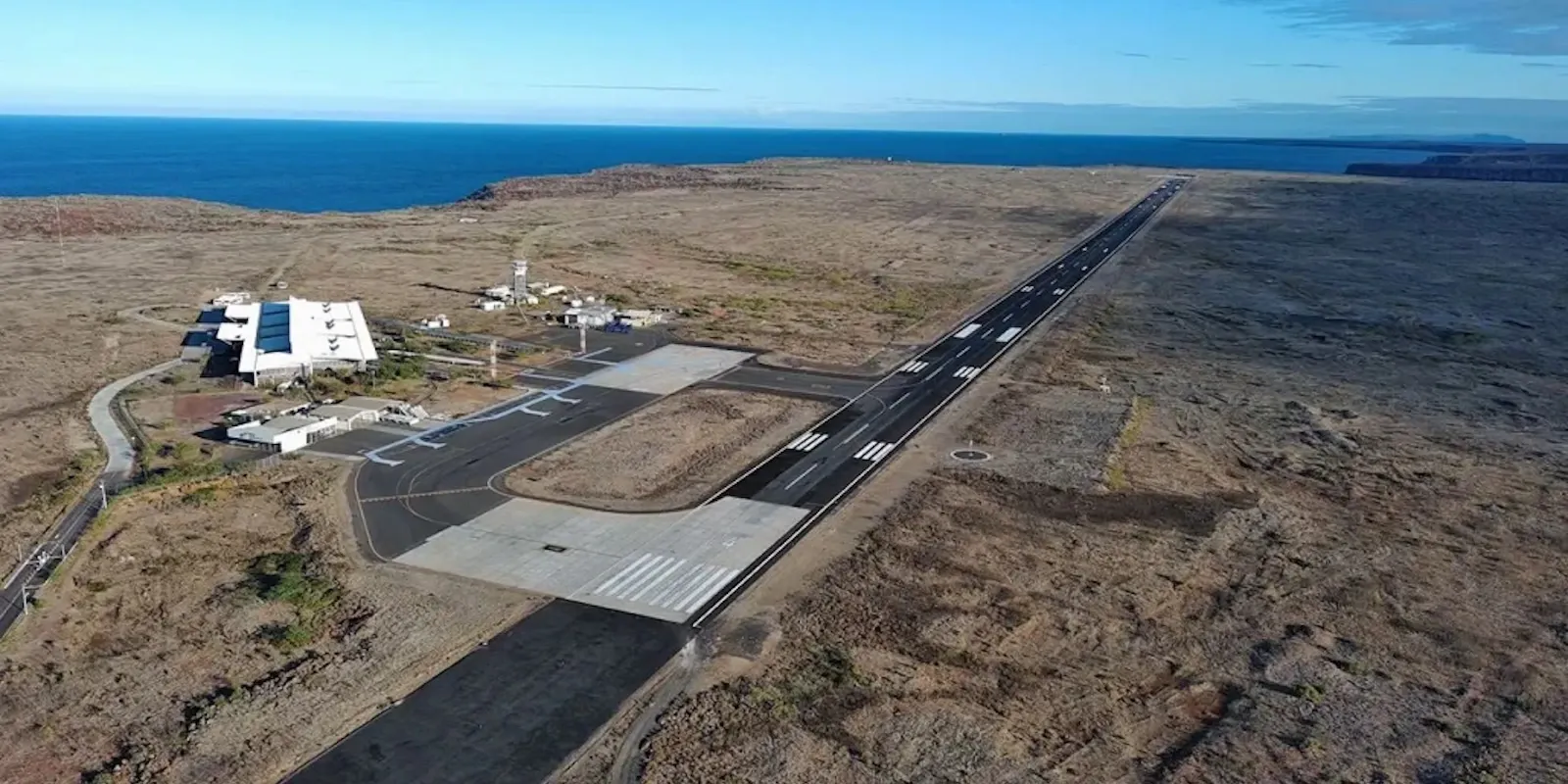
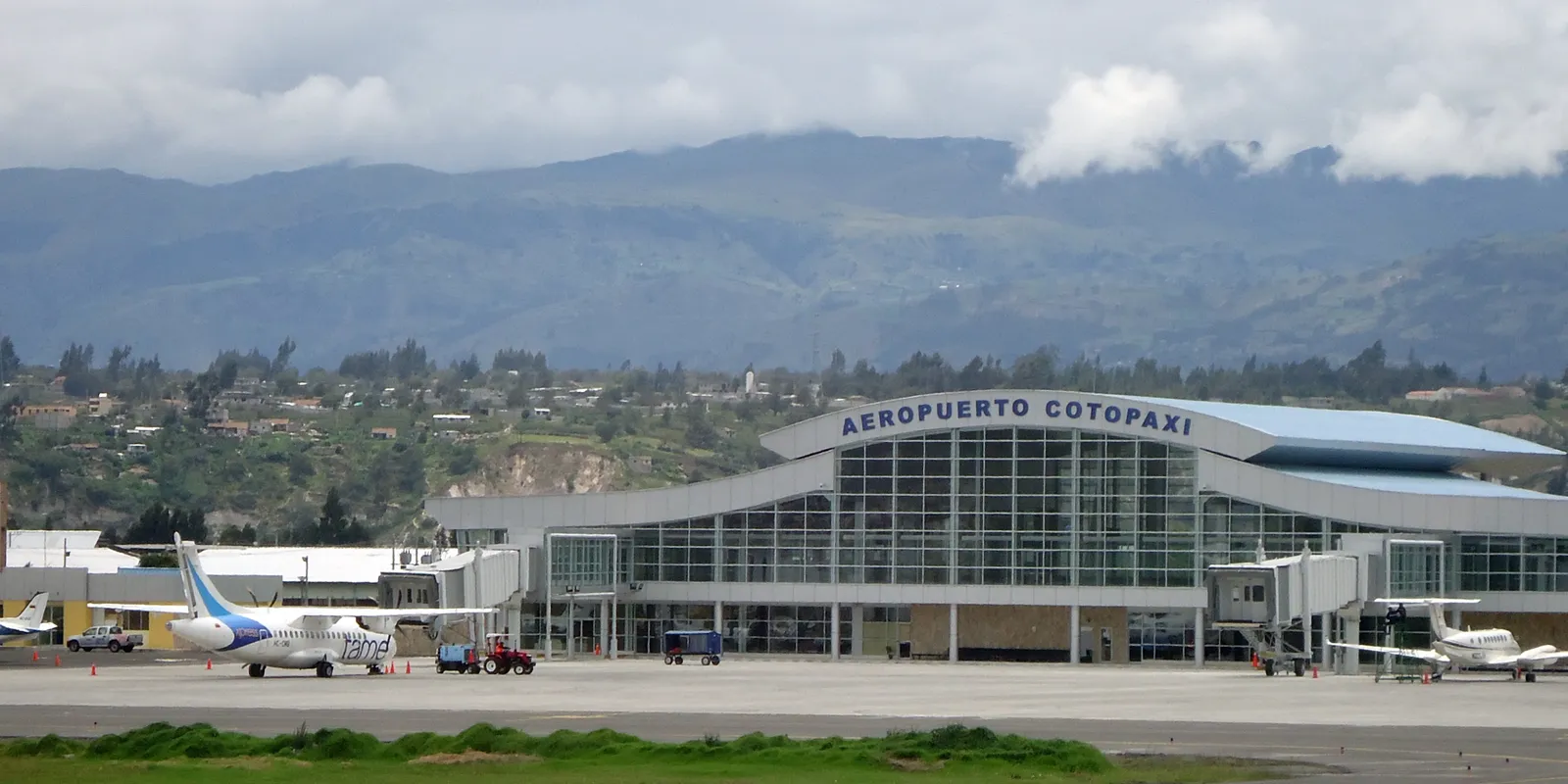
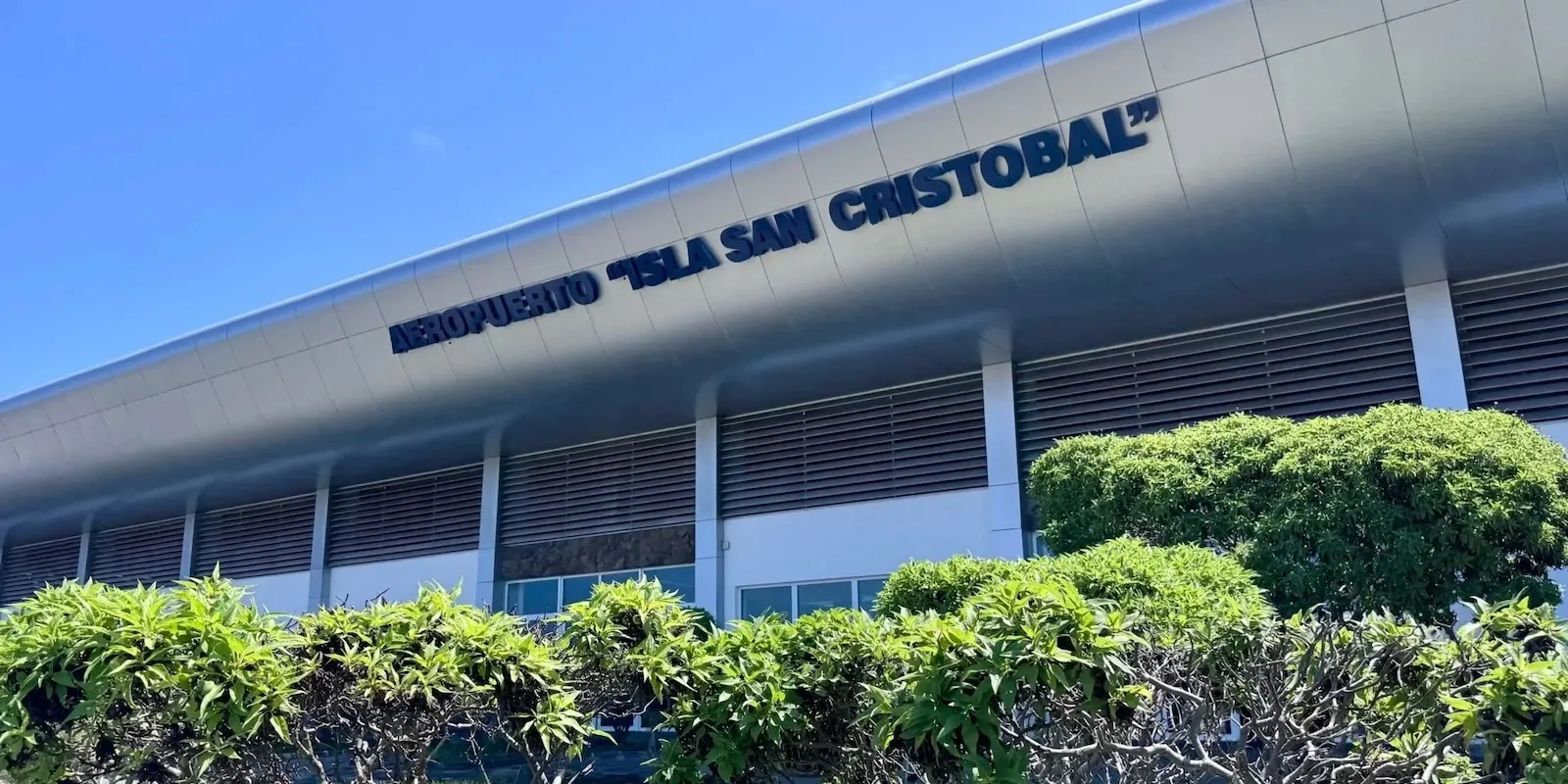
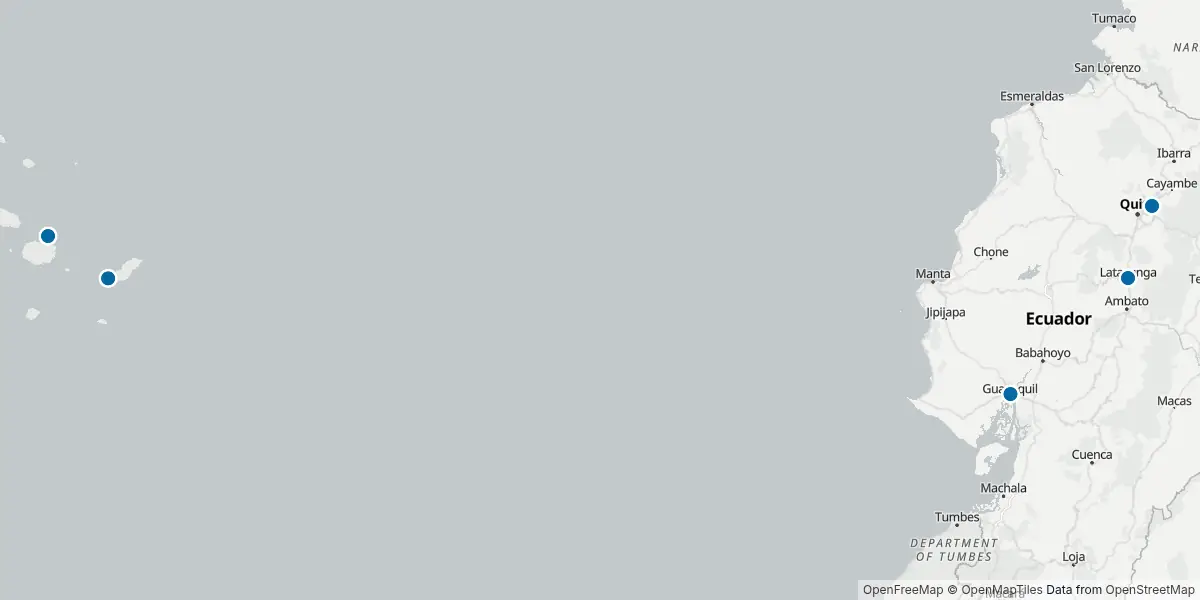
Ecuador has five airports with active connections: Quito Airport, the high-altitude capital in the Andes, Guayaquil Airport, the country's main port and most populous city, Cotopaxi Airport in Latacunga, a minor airport near the eponymous volcano, and the two Galápagos airports: Baltra and San Cristóbal, a UNESCO World Heritage Site.
Ecuador: recommended activities
Ecuador: visa and entry requirements
Citizens of the European Union, as well as those of most Western countries, do not need a visa for tourist stays of up to 90 days within a calendar year. The passport must have at least 6 months of remaining validity. Those continuing to the Galápagos Islands must also buy the Transit Control Card (TCC, around 20 USD) before boarding and pay the national park entrance fee (100 USD, cash) on arrival at the archipelago.
Ecuador: safety
It must be said honestly: Ecuador has experienced a sharp deterioration in security since 2023, linked to drug trafficking, with a marked increase in violence especially in Guayaquil and the coastal province of Guayas, and to a lesser extent in Manabí and Esmeraldas; the government has repeatedly declared a state of internal armed conflict against criminal organisations. Quito and the Andean areas (the historic colonial centre, Mariscal, Otavalo, Baños, Cuenca) generally remain calmer and are regularly visited by tourists, as are the Galápagos Islands, effectively isolated from mainland crime. In Guayaquil it is advisable to move with greater caution, avoid walking at night and peripheral neighbourhoods, and prefer organised transfers or official taxis even for short trips.
Ecuador: health situation
A yellow fever certificate is required only for those arriving from countries at risk of transmission, but it is nonetheless recommended for those visiting the Ecuadorian Amazon. Quito's altitude (over 2,800 metres) can cause altitude sickness in the first few hours: move calmly and avoid alcohol on the first day. In the Amazonian and low-lying coastal areas there is a risk of malaria and dengue: mosquito protection is recommended. Private health facilities in Quito and Guayaquil are of a good standard for common emergencies; insurance with medical evacuation is advisable for those visiting remote areas or the Galápagos.
Ecuador: currency, payments and connectivity
The official currency is the US dollar (USD), adopted in 2000 after a severe financial crisis. Credit cards are widely accepted in tourist areas and major cities, less so in rural areas. Uber operates in Quito and Guayaquil. For connectivity, the operators Claro, Movistar and CNT sell prepaid SIM cards. For driving, an International Driving Permit (IDP) is generally also required alongside the national one.