Kenya: main airports
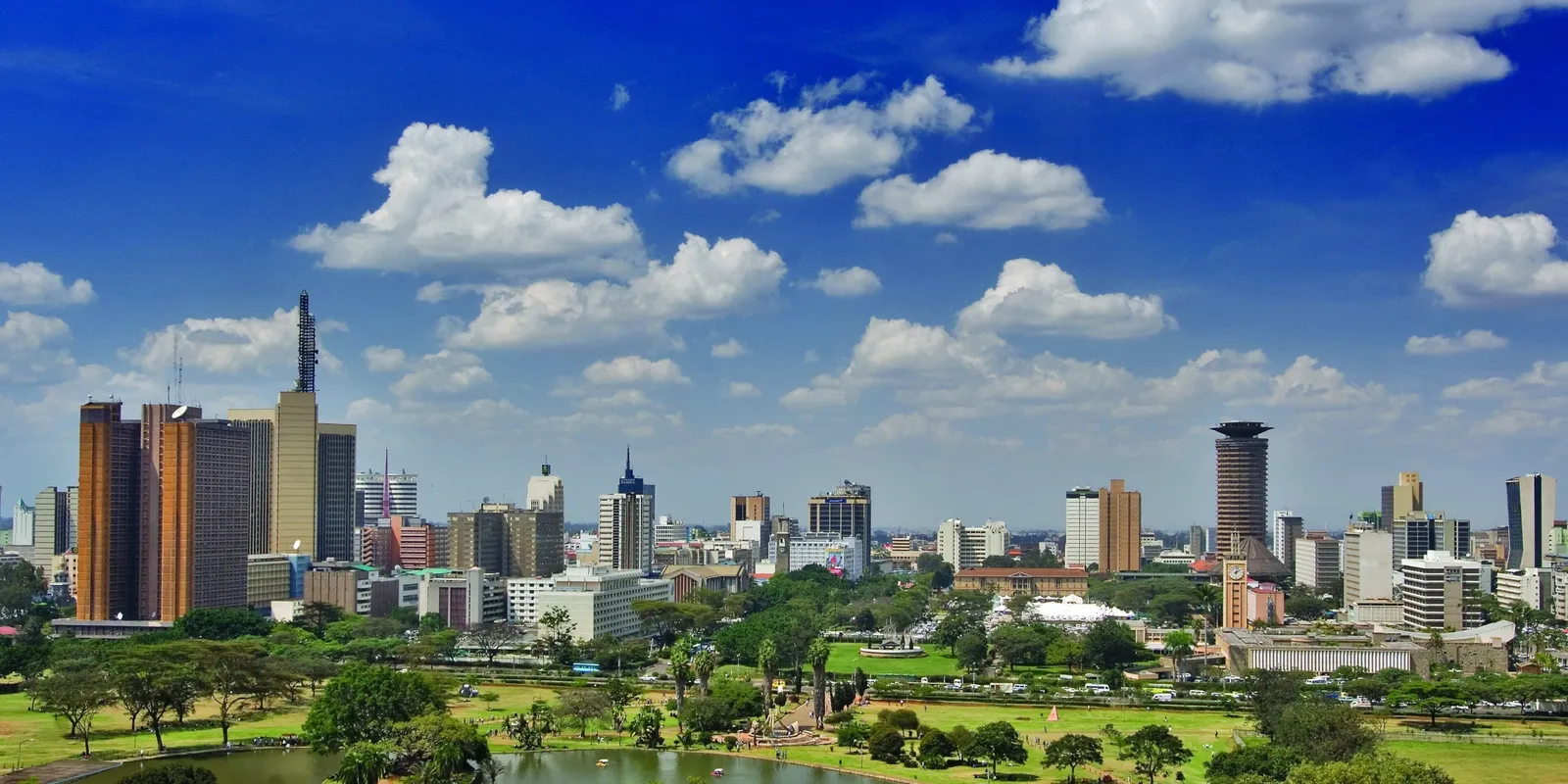
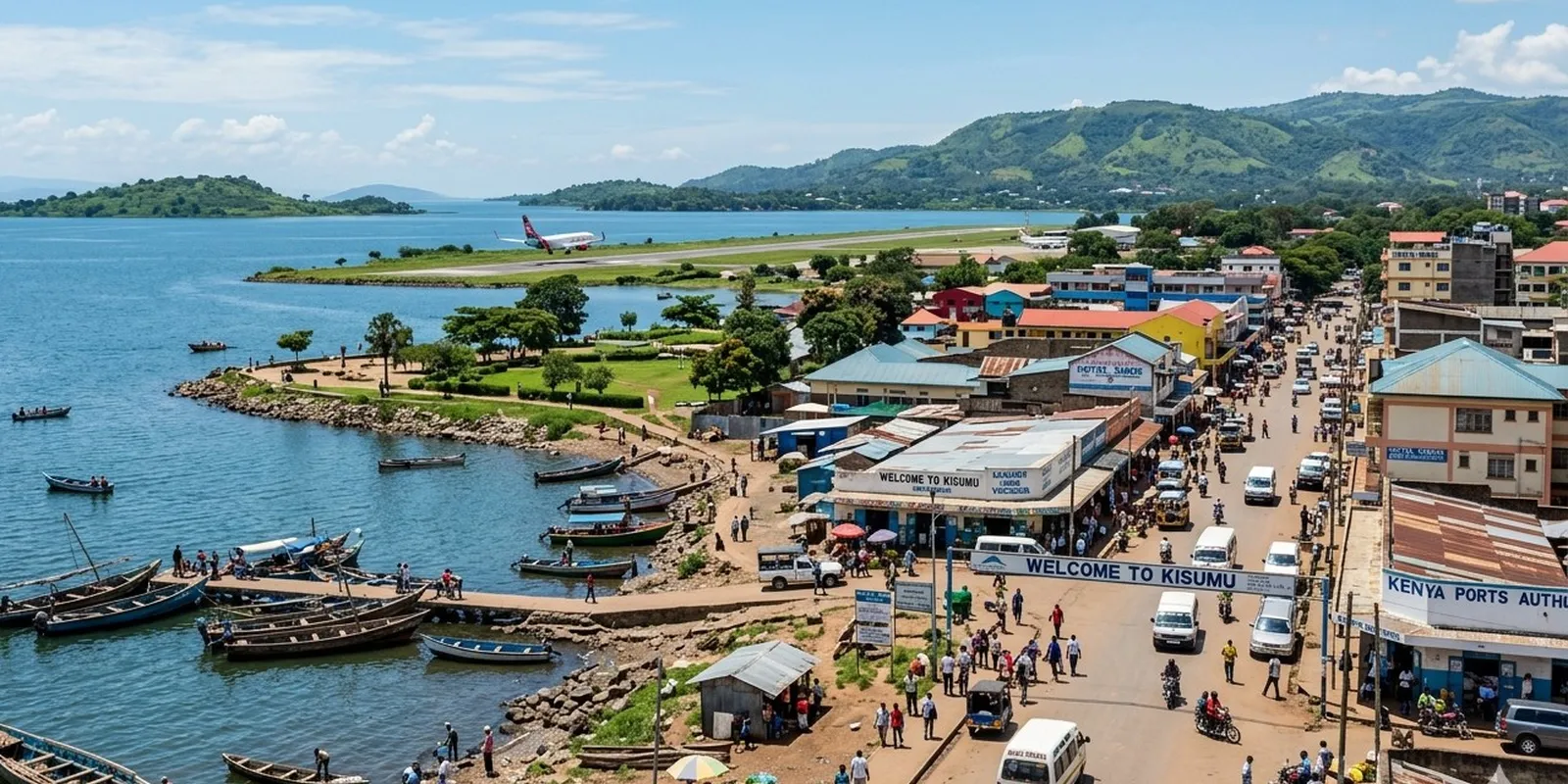
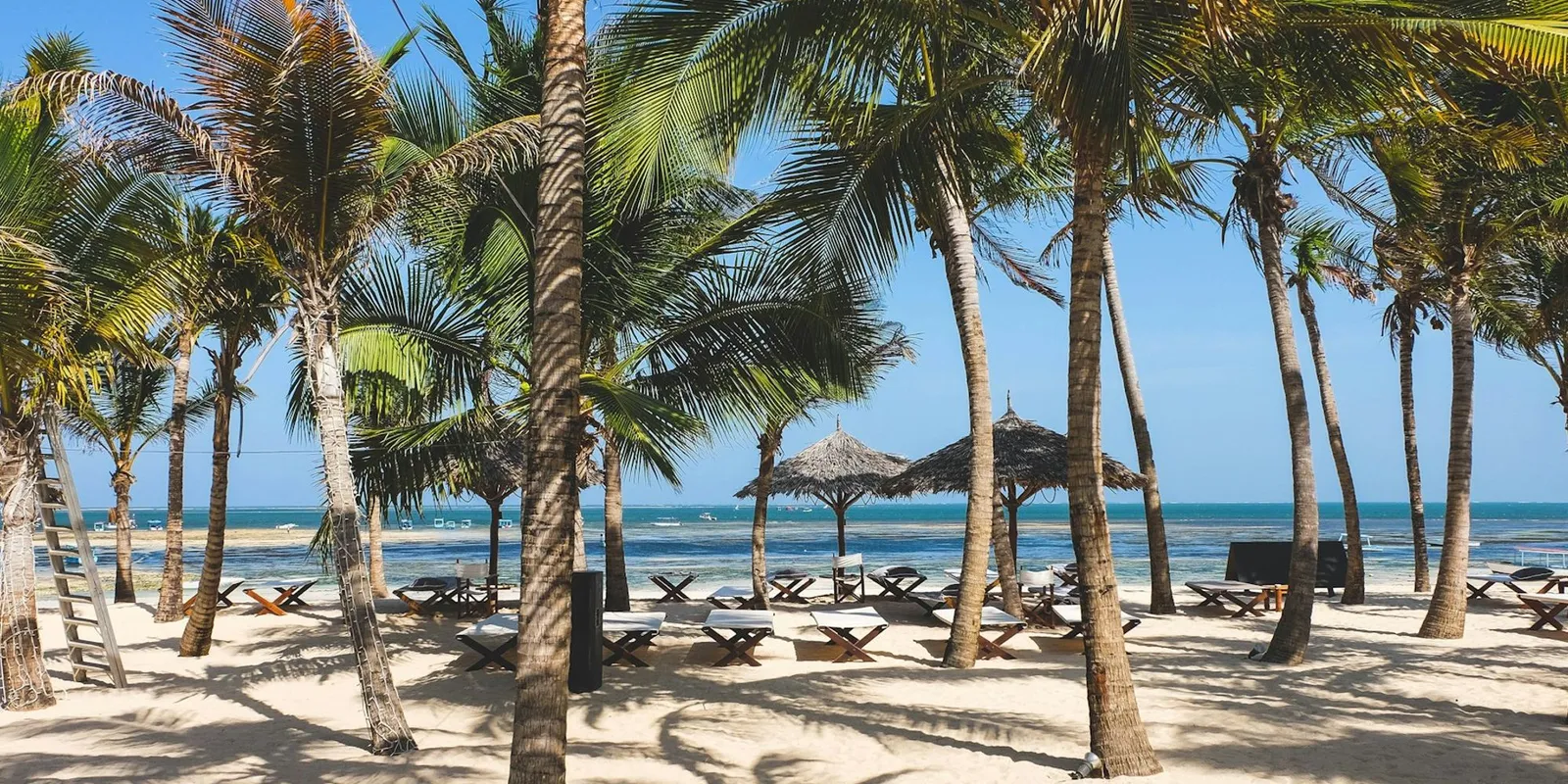
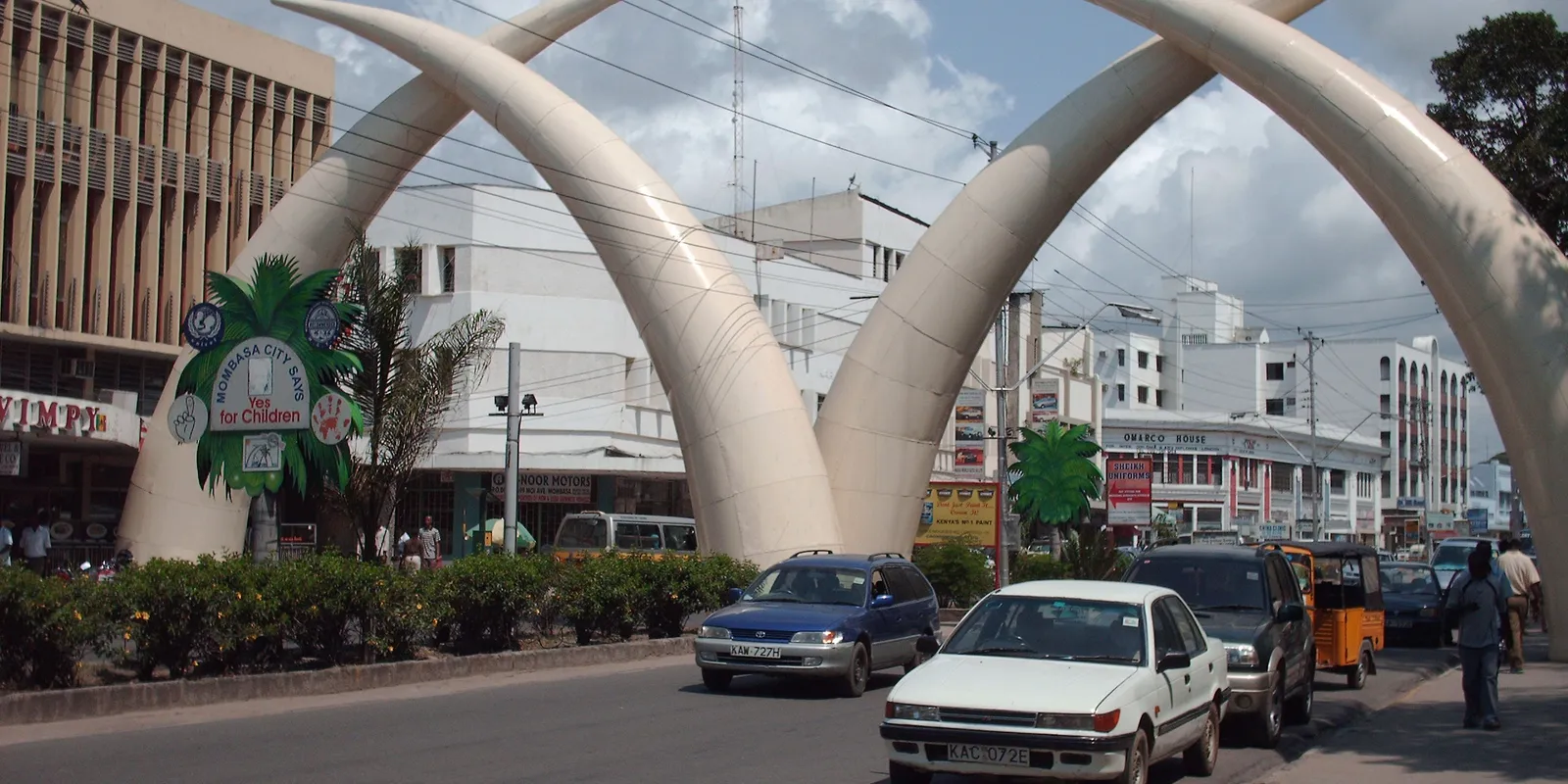
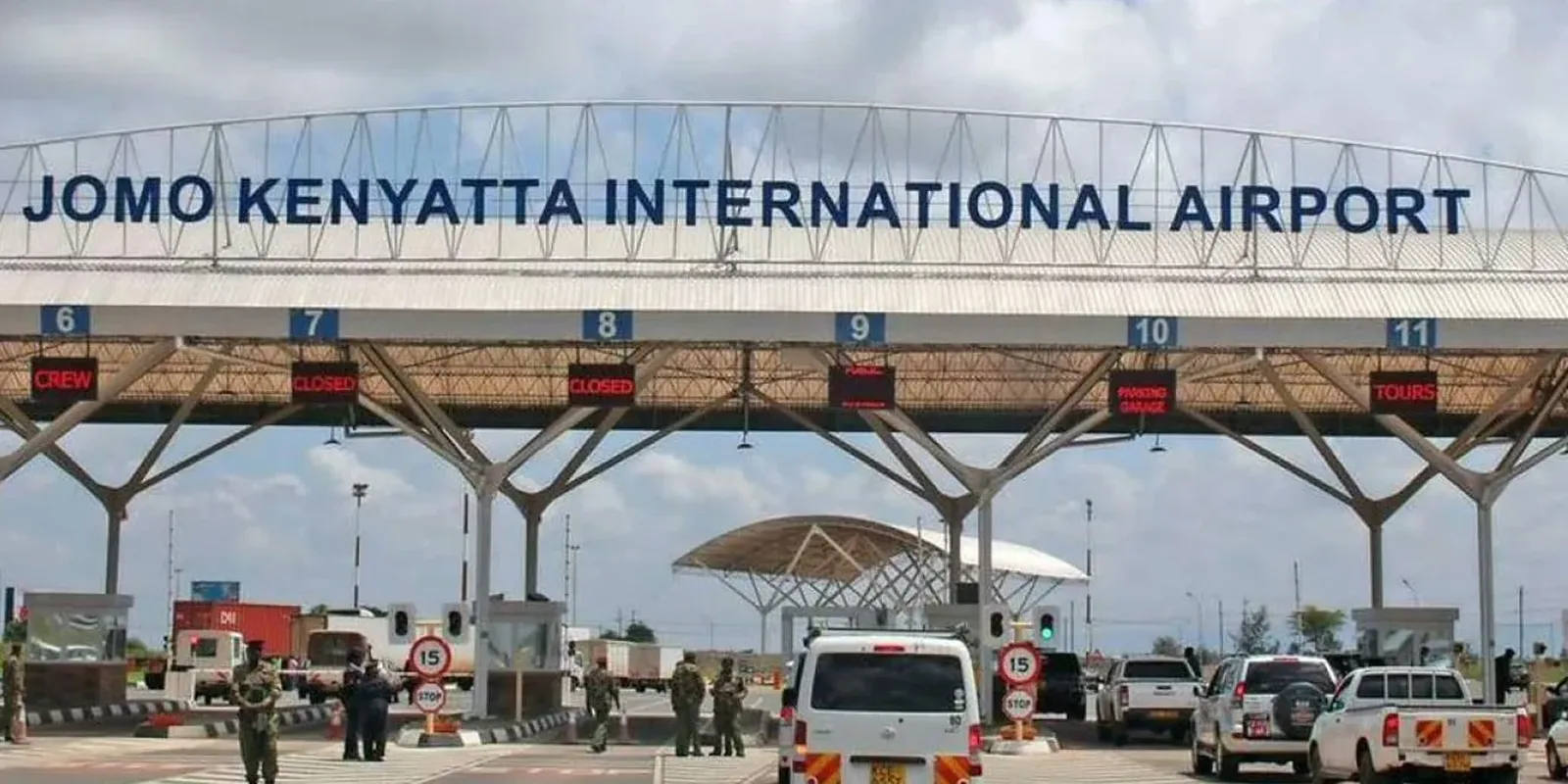
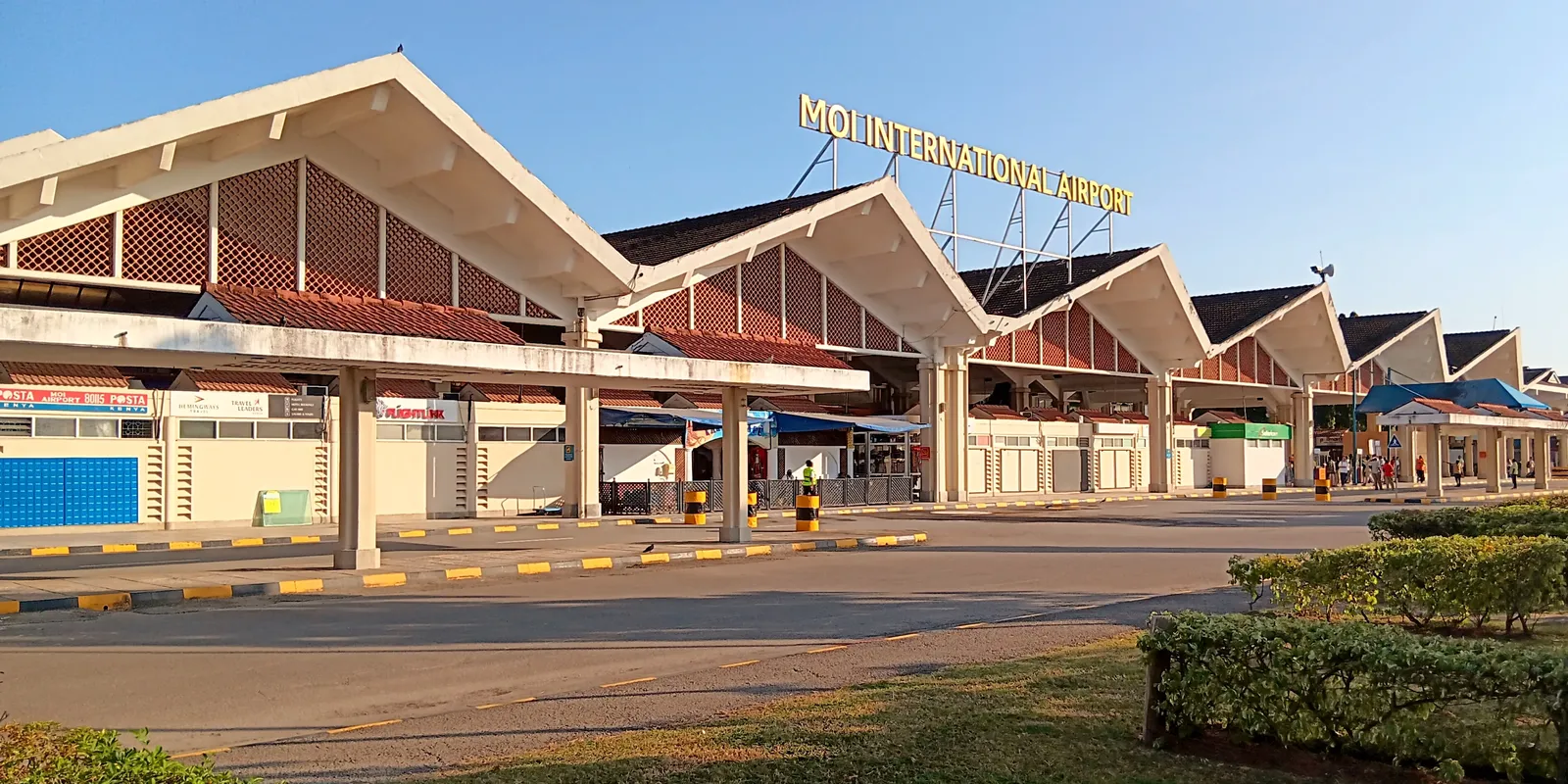
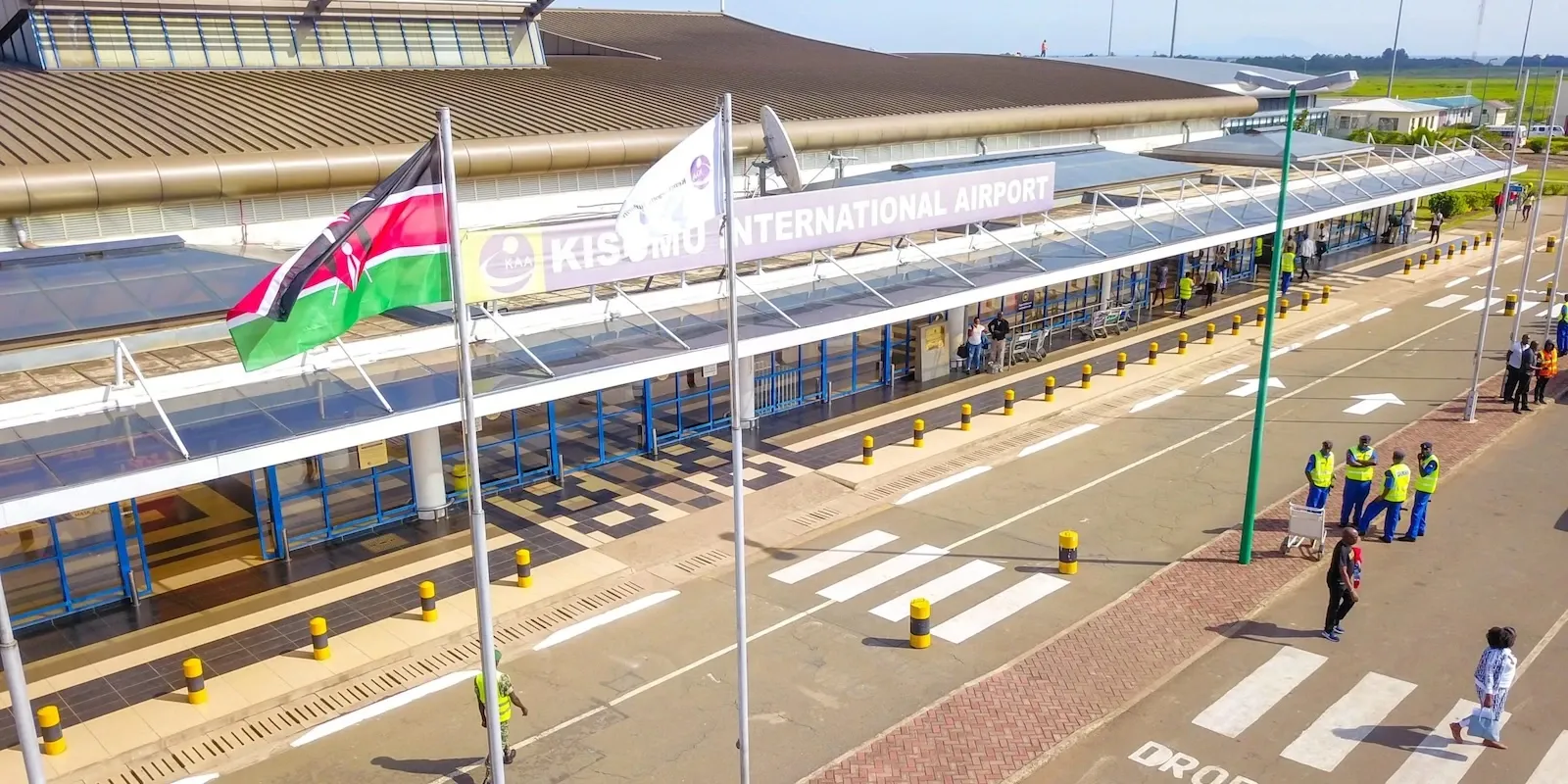
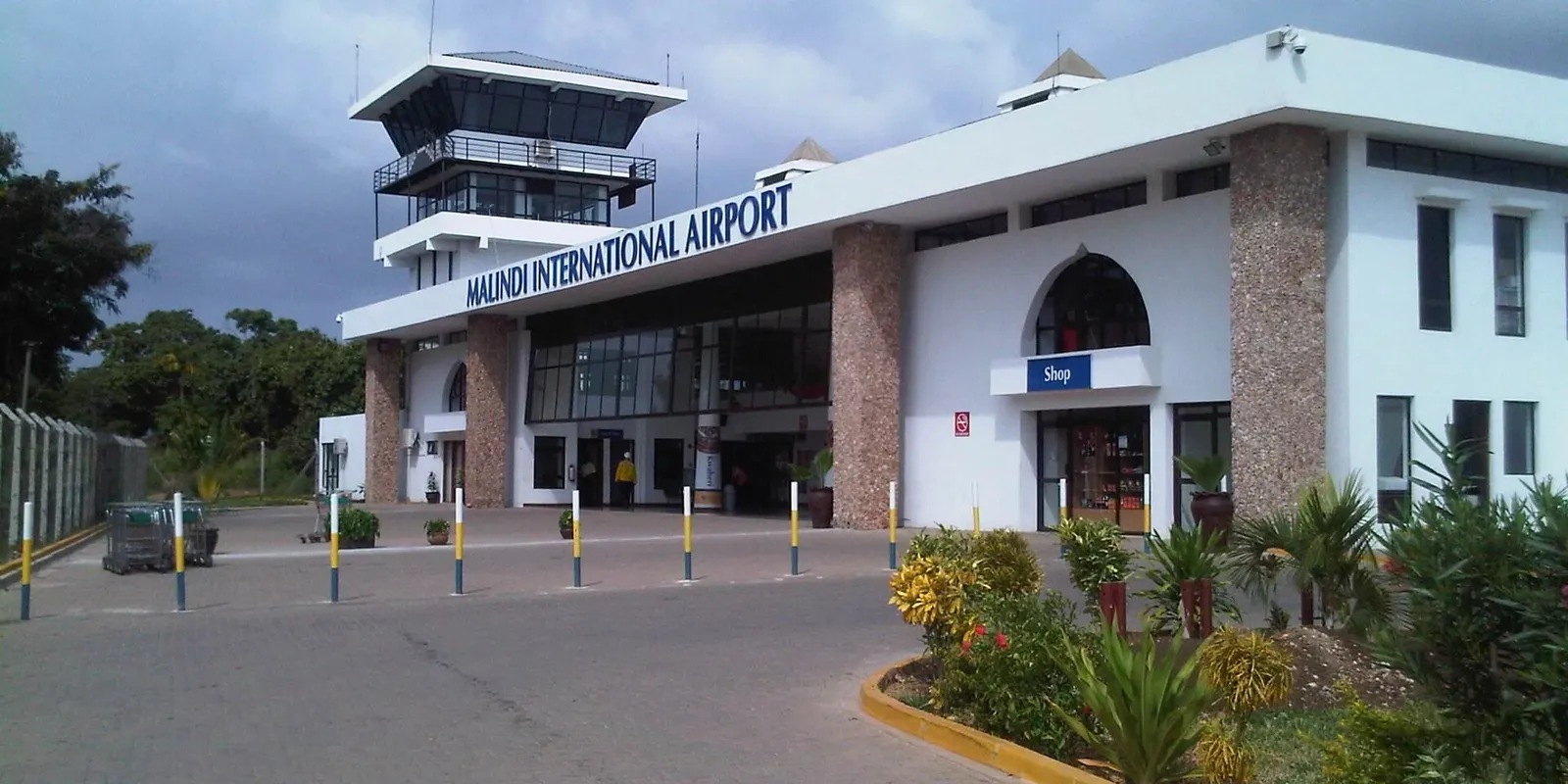
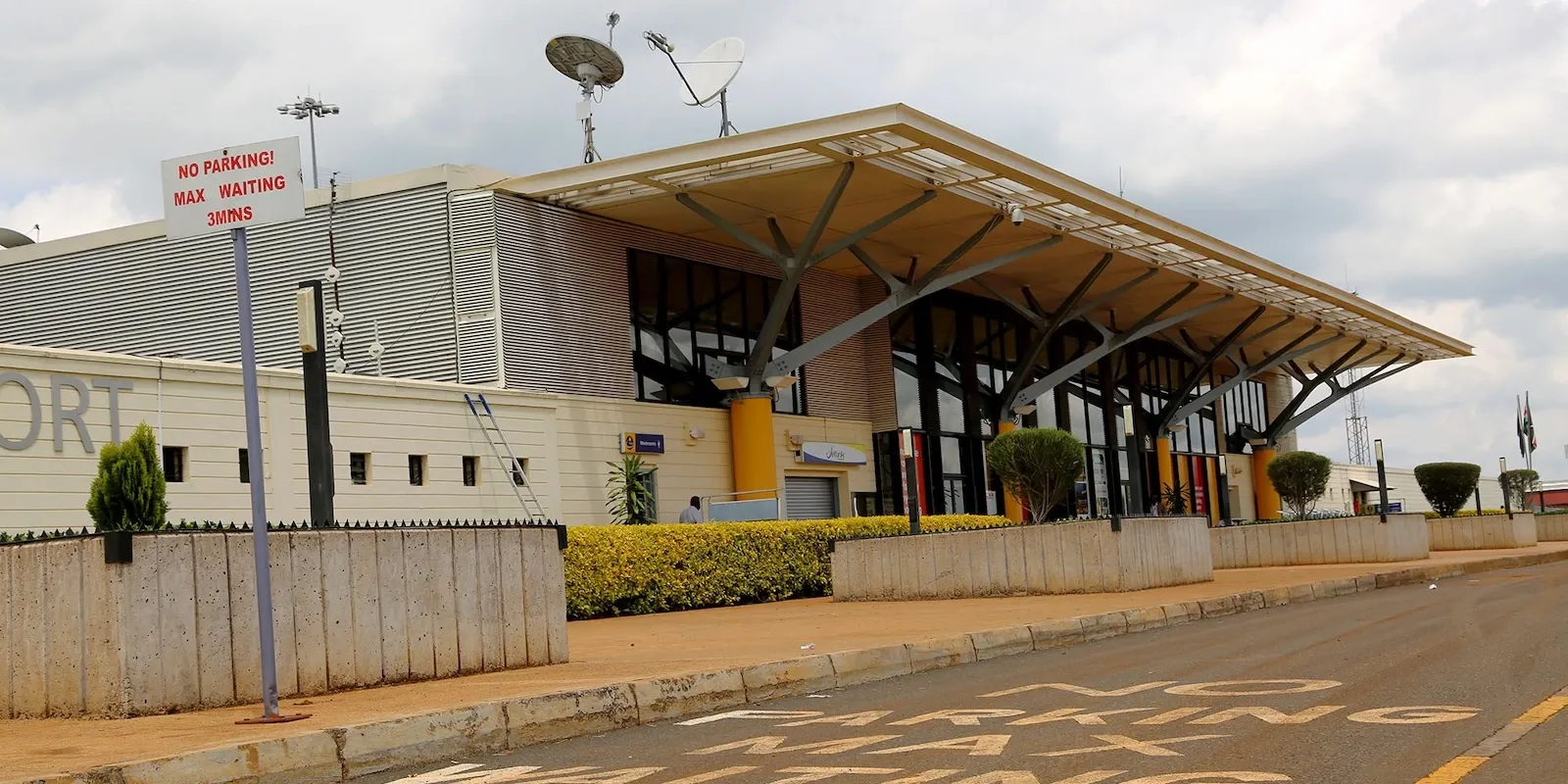
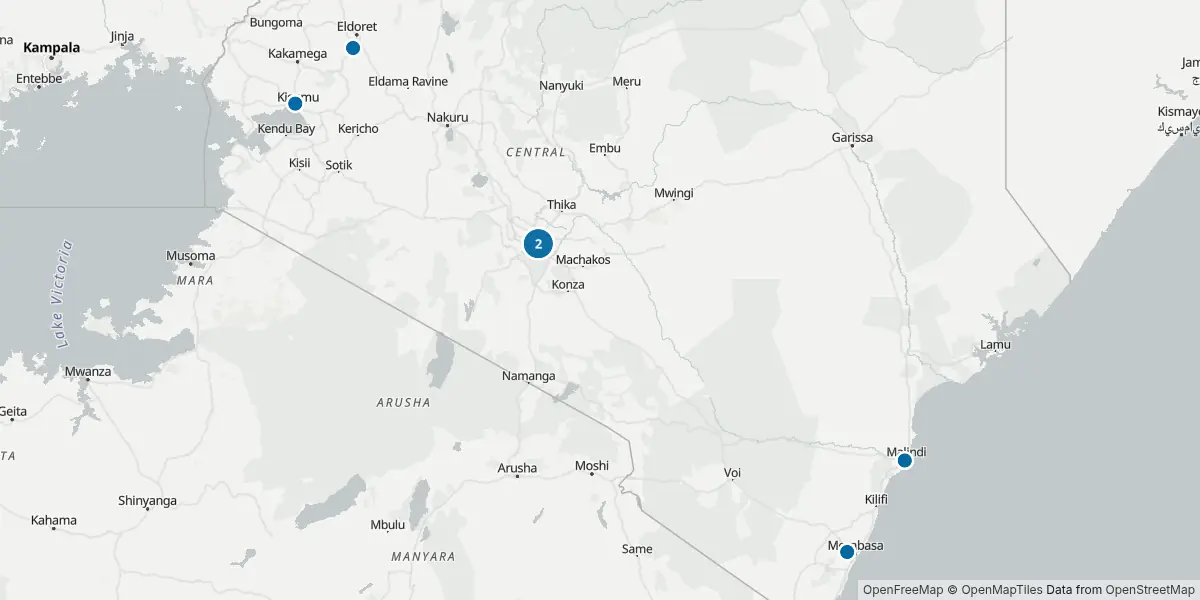
Kenya, home of the modern safari, is served mainly by Jomo Kenyatta Airport in Nairobi, the largest hub in East Africa, and by Moi Airport in Mombasa, the gateway to the coast and beaches on the Indian Ocean, as well as Malindi, Kisumu, on Lake Victoria, and Eldoret, in the Rift Valley.
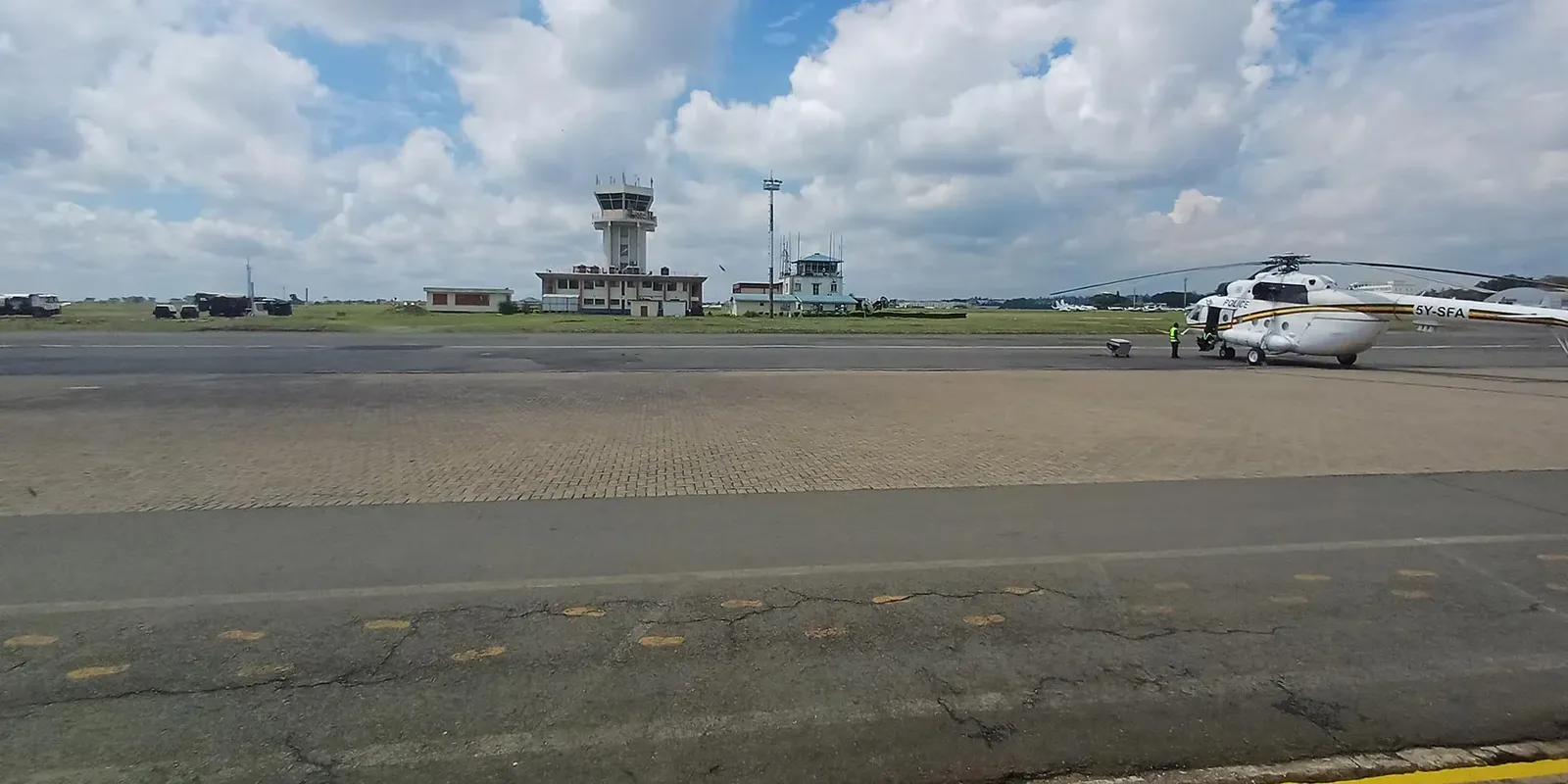
Nairobi Wilson, a small airport dedicated to charter flights and small aircraft, is instead the classic starting point for flights to national parks such as the Masai Mara.
Kenya: recommended activities
Kenya: visa and entry requirements
Since 2024 Kenya has abolished traditional visas: all international visitors (except some exempt nationalities) must obtain an Electronic Travel Authorisation (eTA) before departure, applicable online at etakenya.go.ke.
The eTA cost is a flat fee of 30 USD (valid for single, multiple entry or transit), with standard processing within 72 hours (an expedited processing option is also available at an extra charge). Always check the updated requirements before departure.
Kenya: safety
Nairobi has areas with significant crime rates, including theft and robbery, especially in certain outlying neighbourhoods: avoid them, especially at night, and prefer organised taxi transport.
The coastal tourist areas (Mombasa, Diani) and safari parks are generally safe with the usual precautions. Always check your country's updated travel advisories, particularly for border areas with Somalia.
Kenya: health situation
Yellow fever vaccination is recommended (and sometimes required for those arriving from or transiting through at-risk countries) and hepatitis A and typhoid vaccination is advisable. Antimalarial prophylaxis is strongly recommended for those visiting rural areas, including many safari park areas.
Bottled water and travel health insurance covering any medical evacuations are recommended, important given the limited healthcare coverage outside major cities.
Kenya: currency, payments and connectivity
The currency is the Kenyan shilling (KES). Credit cards are accepted at hotels and restaurants in major cities and at tourist lodges, less so in rural areas, where it is advisable to have cash.
The official languages are Swahili and English, both widely spoken. A tip (10%) is generally expected at restaurants and appreciated for safari guides, often with specific guidelines provided by tour operators.