

Saint Lucia: main airports
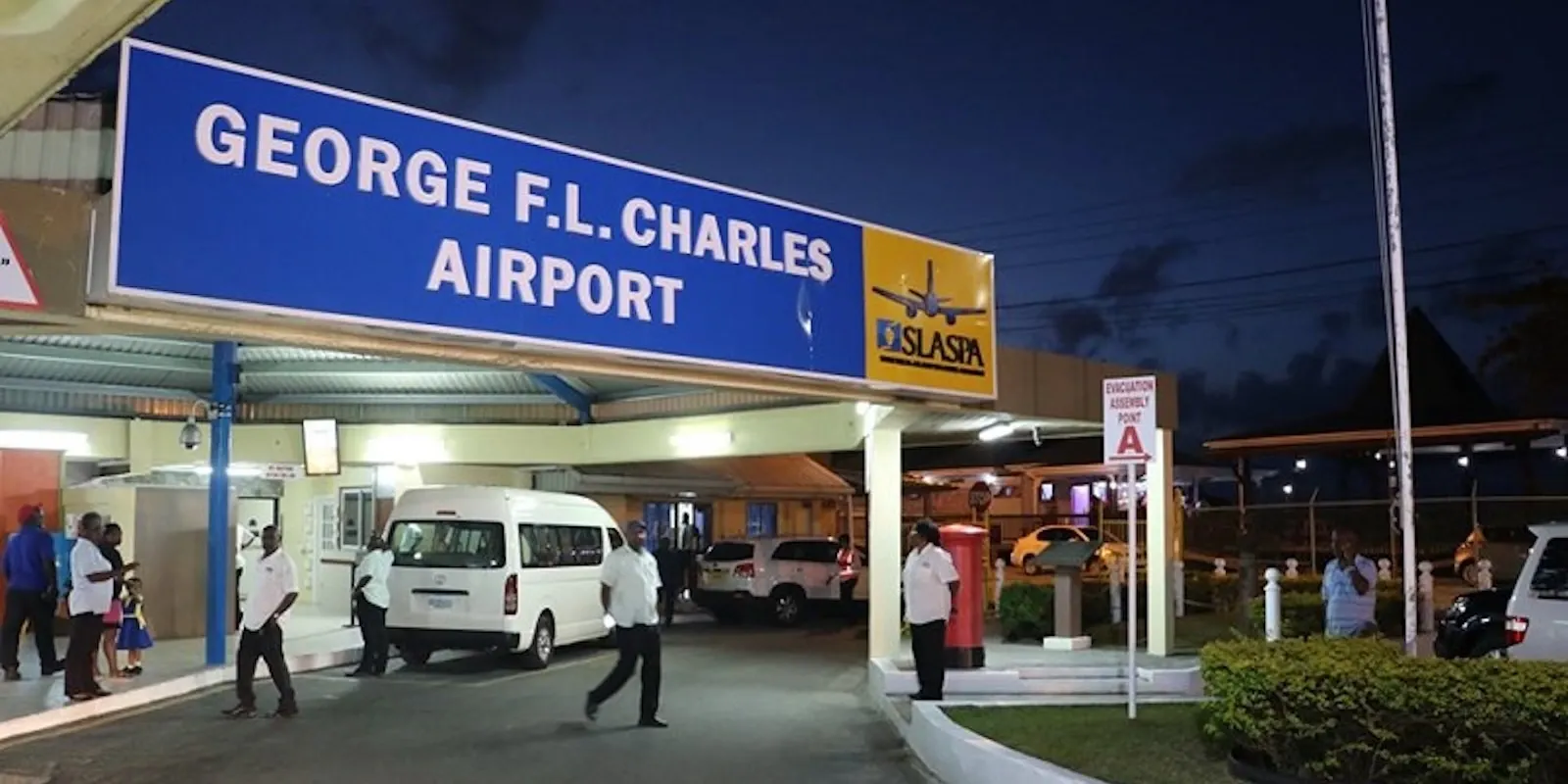
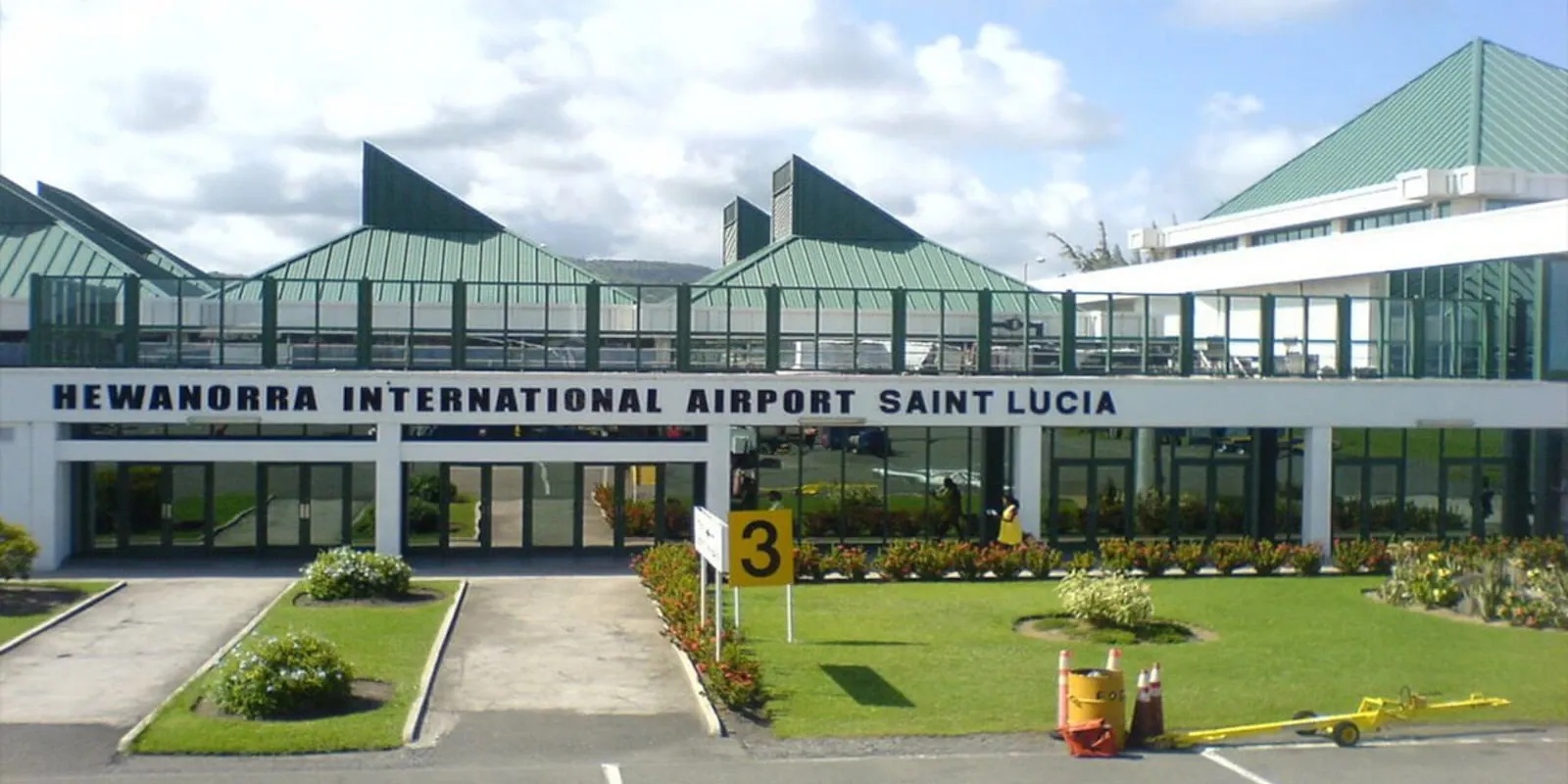
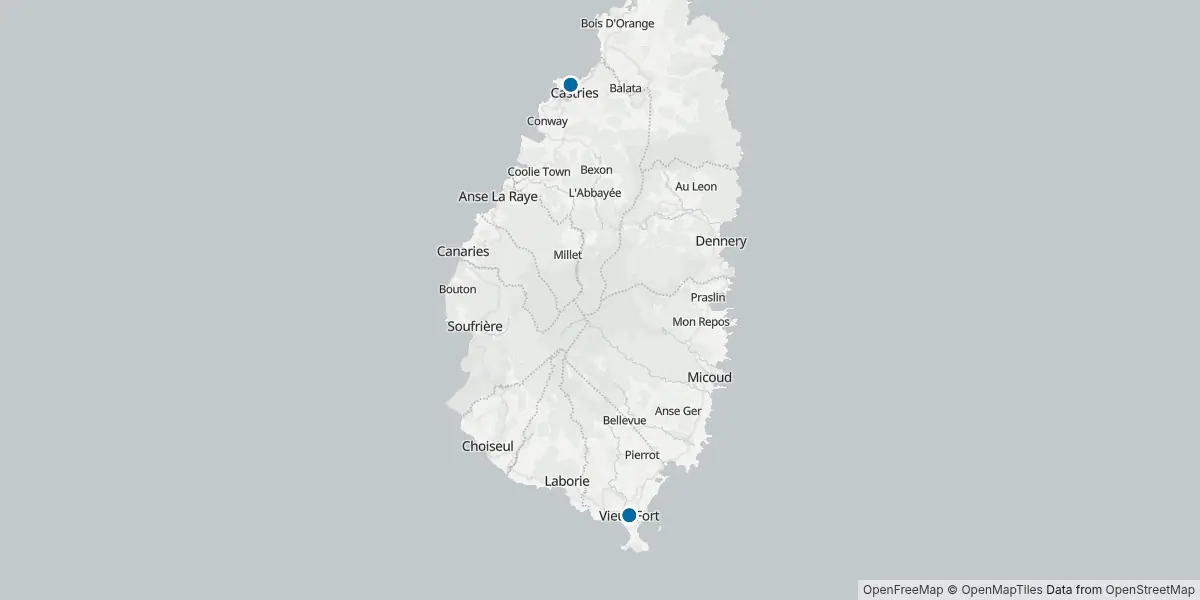
Saint Lucia is served by two airports: Hewanorra International Airport, near Vieux Fort in the south of the island, which handles nearly all intercontinental flights, and George F. L. Charles Airport, at the gateway to the capital Castries in the north, whose shorter runway limits it to regional connections on turboprops and small jets.
The road transfer between Hewanorra and Castries covers about 53-56 km and usually takes between 50 minutes and an hour and a quarter, depending on traffic.
Saint Lucia: recommended activities
Saint Lucia: visa and entry requirements
Citizens of the European Union (including Italy), the United Kingdom, the United States, Canada and Australia can enter without a visa for tourist stays of up to 42 days (six weeks).
A passport with at least 6 months of remaining validity is required, along with proof of a return or onward ticket; a stay extension is possible by applying to the Department of Home Affairs and Immigration before the deadline.
Saint Lucia: safety
The United States classifies Saint Lucia at Level 2 ("Exercise Increased Caution"), one step above neighboring Saint Kitts and Nevis: the most recent advisory reports cases of armed robbery, assault, break-ins and sexual violence against US citizens and other foreign visitors, with some Americans killed in criminal incidents on the island.
Violent crime can also occur in tourist areas and resorts, and police response times can be longer than in the US: avoid walking or driving alone at night and displaying jewelry or cash conspicuously.
Saint Lucia: health situation
A yellow fever vaccination certificate is required for travelers over 9 months of age coming from a country at risk of transmission; since March 2023 it is no longer specifically required for those arriving from Trinidad and Tobago or Guyana. Malaria is not present on the island.
Dengue, chikungunya and Zika, however, are present: effective mosquito protection is recommended throughout the stay.
Saint Lucia: currency, payments and connectivity
The currency is the Eastern Caribbean dollar (XCD), pegged to the US dollar at a fixed rate of 2.70 to 1; the US dollar is nonetheless widely accepted.
The official language is English, alongside a French-based creole (Kwéyòl) widely spoken in daily life. Many restaurants already apply a 10% service charge on the bill; in its absence, it is customary to leave a 10-12% tip.