

Trinidad and Tobago: main airports
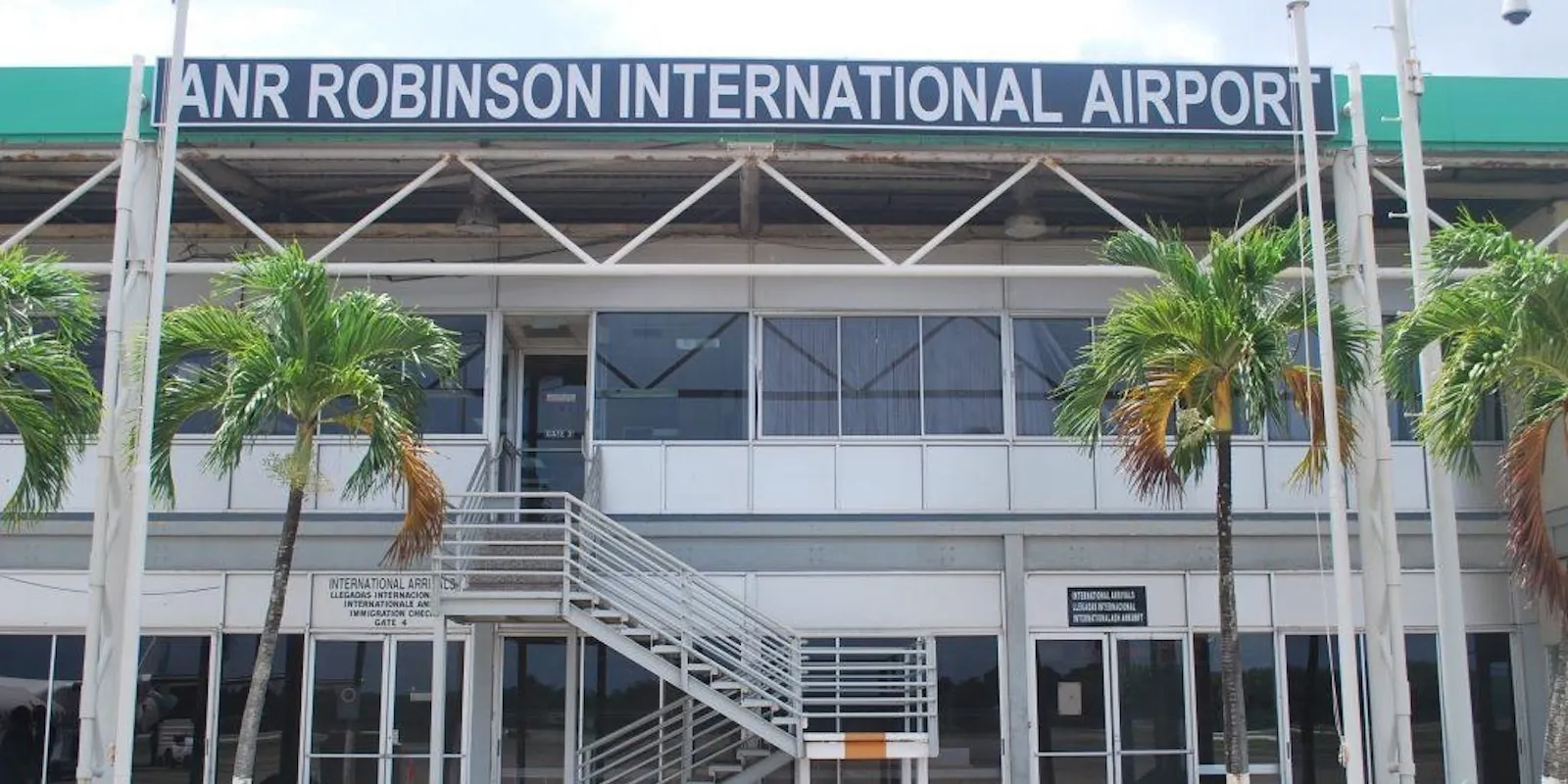
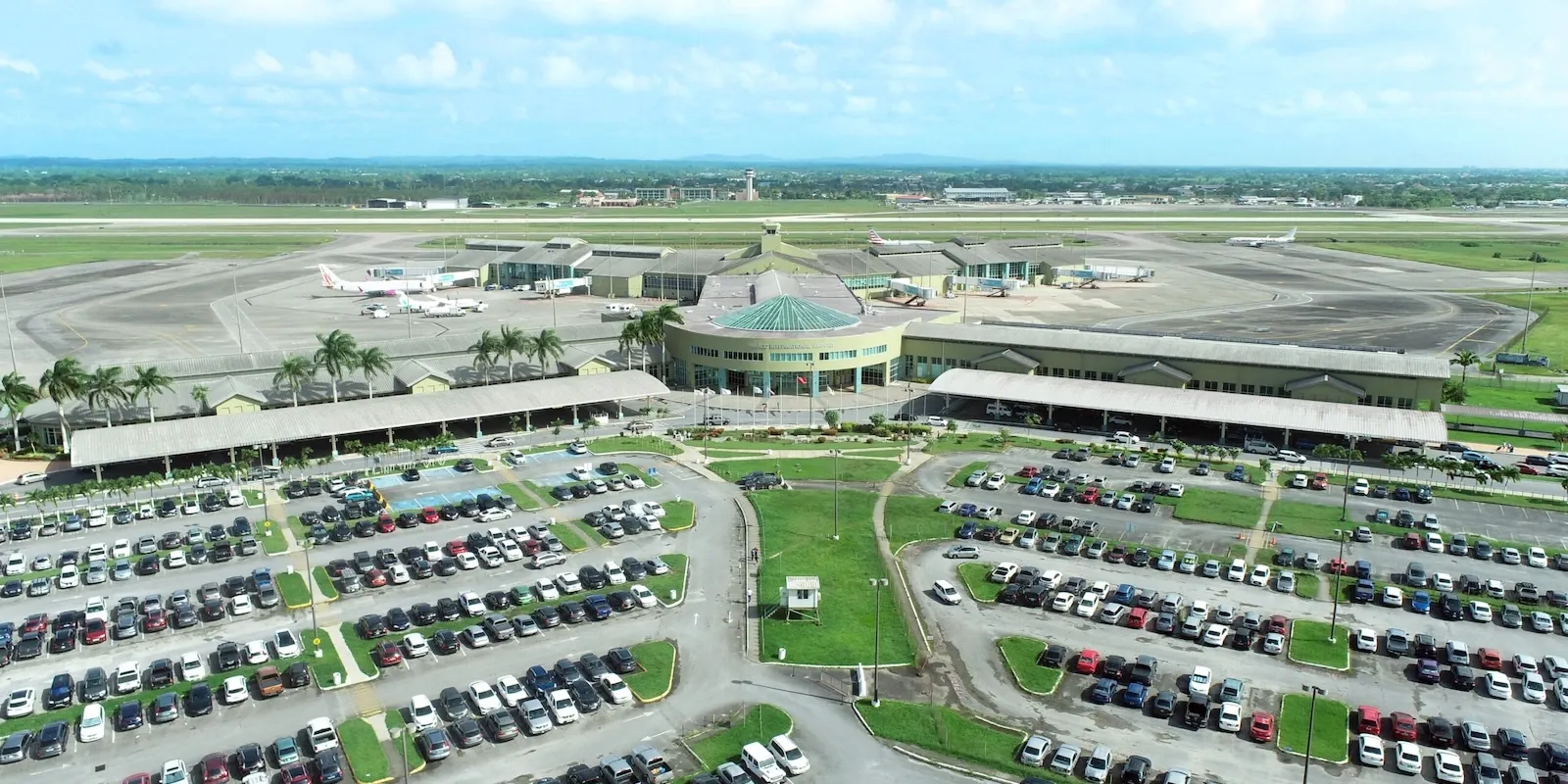
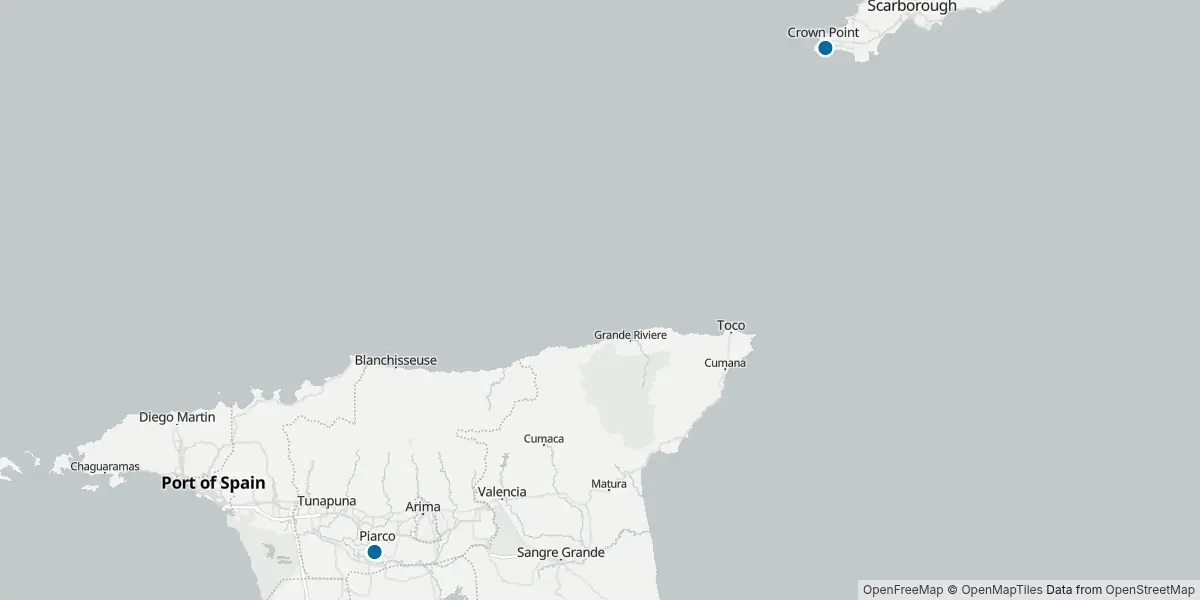
Trinidad and Tobago is served by two international airports: Piarco Airport, near Port of Spain on the island of Trinidad, the main hub of flag carrier Caribbean Airlines, and A.N.R. Robinson Airport, on the island of Tobago.
The two airports are connected by domestic flights operated exclusively by Caribbean Airlines, with a duration of about 25 minutes and up to 14 daily connections.
Trinidad and Tobago: recommended activities
Trinidad and Tobago: visa and entry requirements
Citizens of the European Union, including Italy, the United Kingdom and the United States do not need a visa for tourist or business stays of up to 90 days in a 180-day period.
Trinidad and Tobago: safety
The United States classifies Trinidad and Tobago at Level 3 ("Reconsider Travel"), for risk of crime, health and terrorism. The country has declared a state of emergency several times in recent years due to rising gang-related violence, the most recent of which ended on 17 September 2026 after strong criticism over mass arrests; homicides have nonetheless fallen from over 600 in 2024 to about 370 in 2025.
Crime is concentrated especially in some areas of Port of Spain, with armed robbery incidents reported even in neighborhoods considered safe; Tobago is generally calmer, but the usual nighttime precautions still apply. Always check your country's updated travel advisories, given the rapidly evolving situation.
Trinidad and Tobago: health situation
No mandatory vaccination is required for entry. Dengue is present year-round, with a significant drop in cases in 2025 compared to 2024: since no widely available vaccine exists, mosquito protection is useful.
Healthcare in rural areas is limited according to US authorities: always carry adequate travel insurance.
Trinidad and Tobago: currency, payments and connectivity
The currency is the Trinidad and Tobago dollar (TTD). The official language is English, alongside Trinidadian Creole.
A 10-15% tip at restaurants is the norm if a service charge is not already included in the bill. Electrical outlets follow the North American standard (type A and B, 115V): an adapter is needed for Italian travelers.