Airports in Zambia

Zambia: main airports

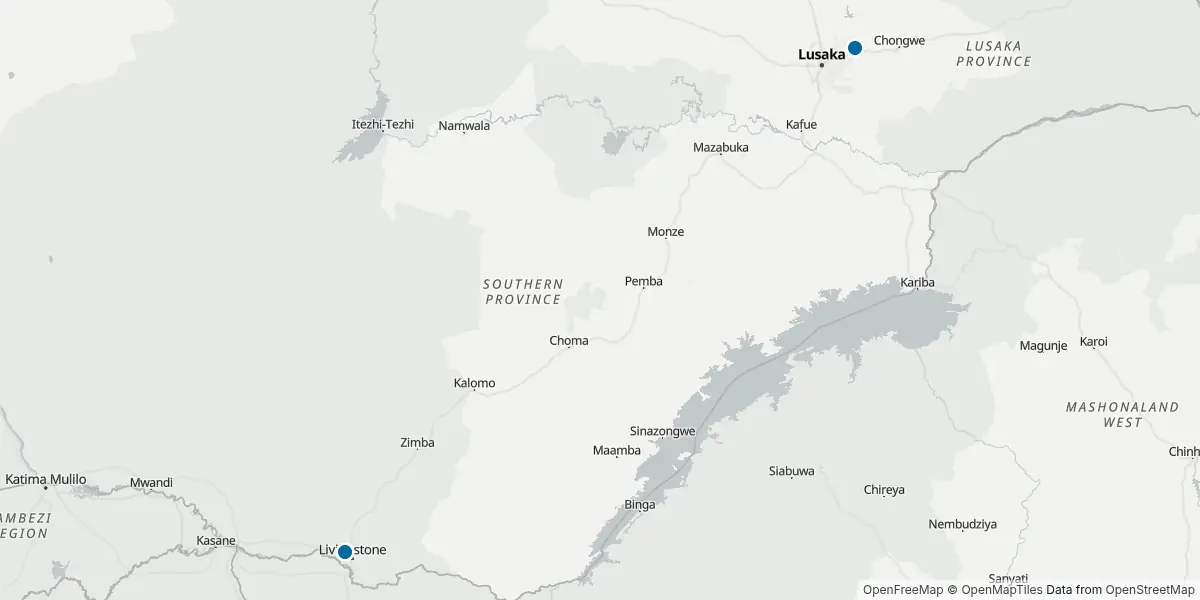
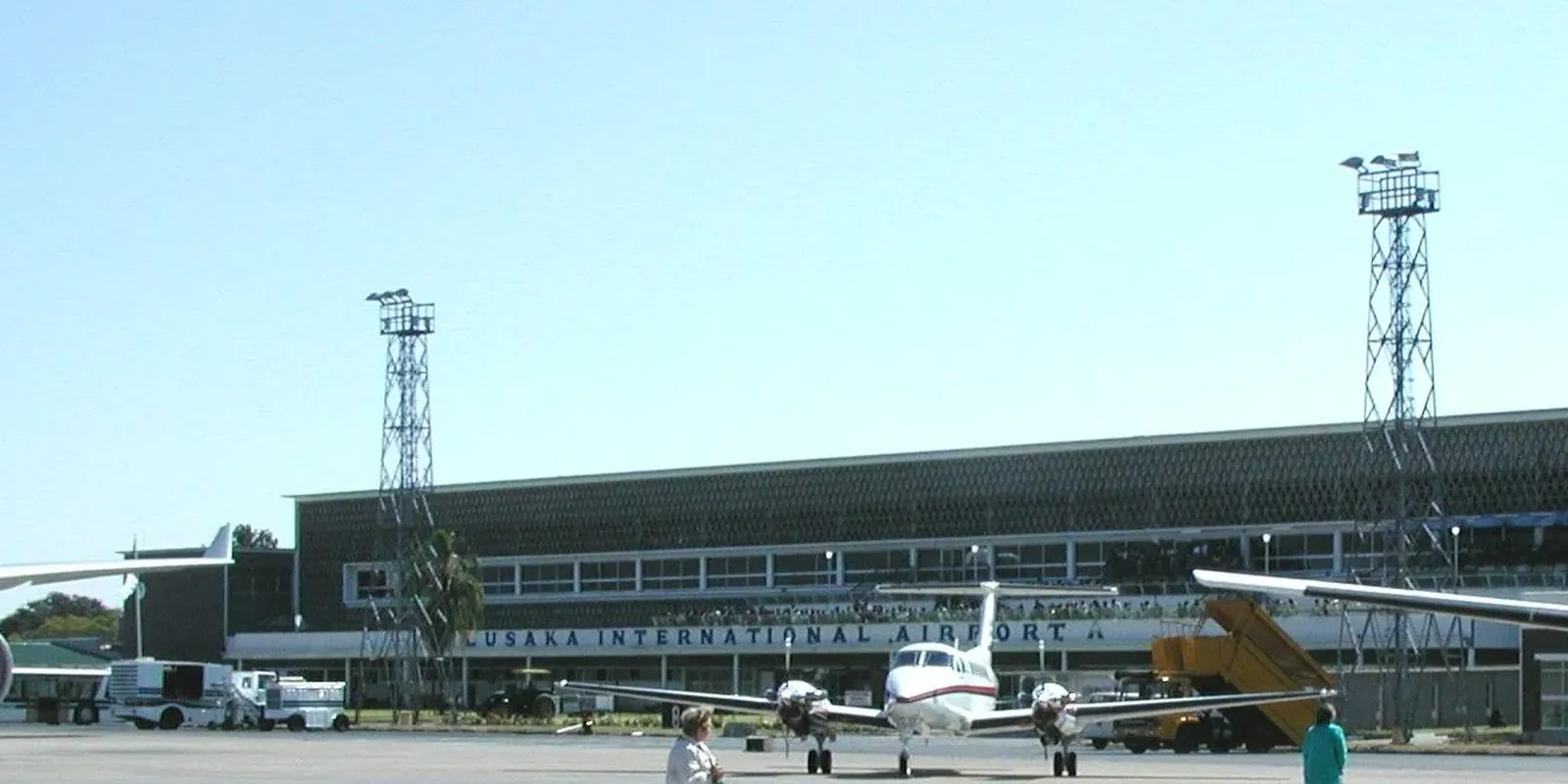
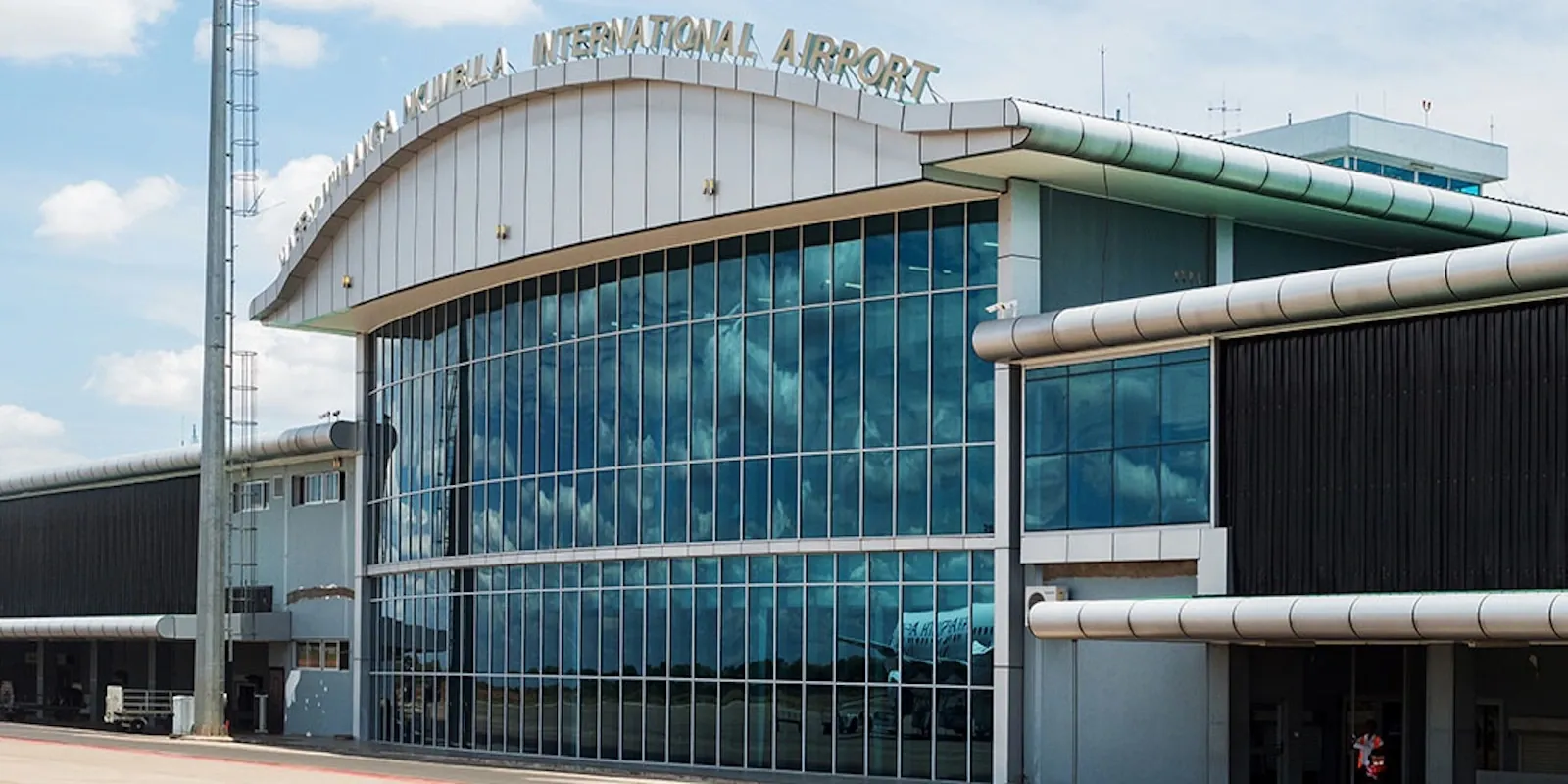
Zambia is served by Lusaka International Airport, which handles nearly all international scheduled flights, and by Livingstone Airport, Zambia's main gateway to Victoria Falls.

For those organizing a safari in Zambia's great nature reserves (South Luangwa, Lower Zambezi), Lusaka remains the main point of entry, with domestic connections to the smaller airports of the tourist areas.
Zambia: recommended activities

Zambia: visa and entry requirements

Regarding entry into Zambia in 2026, the country has adopted an open policy aimed at facilitating international tourism, while maintaining strict digital and health security protocols. Most European and Western travelers can now benefit from a visa exemption regime for tourist stays of up to 90 days, a measure introduced to streamline arrival procedures and promote Zambia as a priority destination. For citizens of nationalities that still require an entry permit, the e-Visa system is the standard solution, allowing authorization to be obtained online within a few business days before departure. Upon arrival at the airport, the integration of advanced biometric kiosks allows for rapid data scanning and the entry stamp to be affixed without the long bureaucratic waits of the past. On the health front, surveillance of yellow fever remains essential: the vaccination certificate is mandatory for anyone coming from or having transited for more than 12 hours through at-risk areas, while COVID-19-related restrictions have been completely removed. However, comprehensive health insurance that also covers medical evacuations is strongly recommended, since, despite the excellence of the new airport terminals, medical facilities in the more remote areas of the savanna remain limited. Finally, for those wishing to also explore neighboring Zimbabwe, the KAZA Univisa option remains active and advantageous, a single document that allows free crossing of the border between the two countries, ideal for those visiting the Victoria Falls area.

Zambia: safety

In terms of safety, Zambia continues to be considered in 2026 one of the most stable and peaceful countries in Southern Africa, offering a welcoming environment where cases of violence against tourists remain extremely rare. However, as in any developing destination, a normal degree of caution is necessary, especially in the densely populated urban areas of Lusaka and the Copperbelt, where episodes of petty crime such as pickpocketing or opportunistic theft can occur. To ensure a peaceful experience, the authorities recommend avoiding walking after dark in city centers, always preferring official taxis or hotel-organized transfers, and not displaying valuables or large sums of money in public. Particular attention should be paid to road safety, as night driving outside built-up areas is not recommended due to poor lighting and the possible presence of animals or stationary vehicles on the road. For those venturing into the border areas with the Democratic Republic of the Congo or Angola, it is essential to stay on marked routes and find out about the local situation in advance, given the possible presence of unmarked war remnants in remote areas. In nature reserves and during safaris, safety is entrusted to the experience of professional guides, whose instructions must be followed rigorously to maintain a safe distance from wildlife. Finally, from a health standpoint, while there are no critical emergencies in 2026, the recommendation to consume only bottled water and well-cooked food remains valid, along with the usual measures to prevent insect bites, especially during the rainy season.

Zambia: health situation

From a health standpoint, Zambia requires an informed approach and medical planning that should begin at least six weeks before departure to ensure full protection during the stay. Although the country has made great strides in controlling endemic diseases by 2026, malaria remains a risk present throughout the territory, making pharmacological prophylaxis to be agreed with your doctor essential, along with the rigorous adoption of preventive measures such as the use of repellents and mosquito nets, especially at night. A fundamental requirement for entry remains the yellow fever vaccination certificate, mandatory for all travelers coming from at-risk areas or who have had an airport transit of more than 12 hours in such areas. In addition to routine boosters for tetanus, diphtheria and hepatitis, vaccination against typhoid and cholera is recommended, given the prevalence of diseases transmitted by contaminated water or food; for this reason it is imperative to consume only bottled water, avoid ice and prefer well-cooked food, also paying particular attention to contact with fresh water from rivers or lakes due to the risk of schistosomiasis. Despite the modernization of the main hubs, local medical infrastructure remains below European standards and emergency services are extremely limited in rural areas or national parks. It therefore becomes essential to take out international health insurance that covers not only medical expenses at high-level private clinics, but above all medical repatriation or emergency air evacuation to specialized centers, often located in neighboring South Africa. Finally, it is advisable to bring an adequate supply of commonly used and essential medications, since the availability of specific medicines in local pharmacies can be inconsistent outside the capital Lusaka.

Zambia: currency, payments and connectivity

The currency is the Zambian kwacha (ZMW). Cards are accepted at hotels and larger shops in Lusaka, but cash remains important outside the main urban centers and in national parks.

Uber and Bolt operate in Lusaka; outside the city, traditional taxis remain the main option.

For local connectivity, the main operators (MTN, Airtel, Zamtel) sell prepaid SIM cards in Lusaka; coverage may be limited in more remote areas.

For driving and car rental, an International Driving Permit (IDP) is generally required alongside the original one. Always check the updated requirements before departure.
Zambia: travel guides

Zambia: airlines

Visa, safety and health information verified on 04/09/2026