Aqtöbe: the endless steppe of western Kazakhstan
In the heart of western Kazakhstan's steppe, Aqtöbe remains an important extractive center for chromium and petroleum between Europe and Central Asia.
The center, overlooking the infinite steppe of western Kazakhstan, is visited comfortably by taxi or local bus.
The Regional Museum of Aqtöbe displays archaeological finds from ancient nomadic cultures that crossed the Kazakh steppe along the northern Silk Road routes.
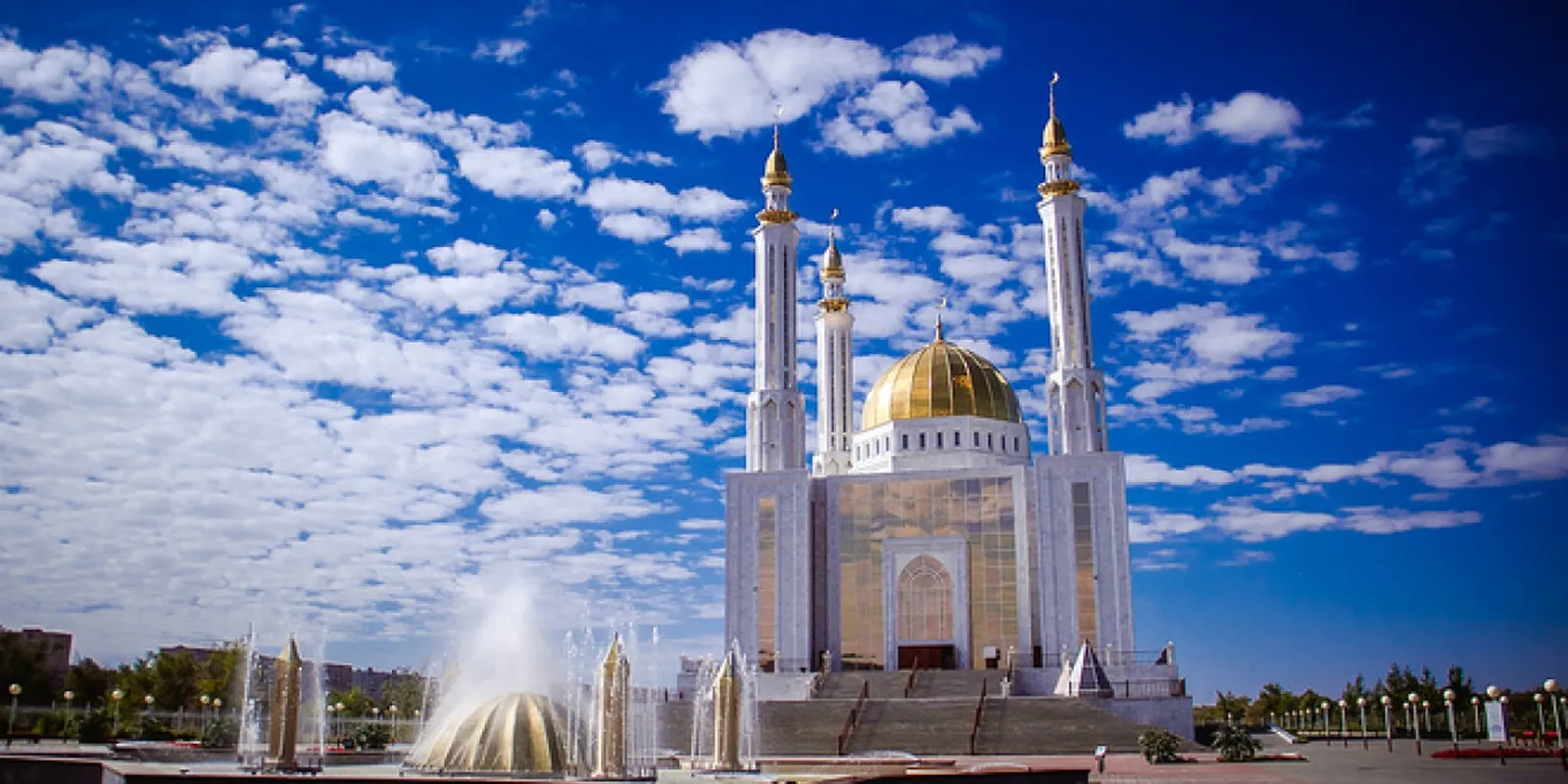
Just steps away, the Nur Gasyr Mosque, among the region's largest, reflects the post-Soviet Islamic religious renaissance of the past decades.
Moving inland you observe the Kazakh steppe, extending uninterrupted as far as the eye can see in every direction around the city.
In the evening, local markets sell kumis, fermented mare's milk, a traditional drink of Central Asian nomadic peoples for centuries.
Aqtöbe lies on an ancient commercial route that connected Eastern Europe to Central Asia, crossed for centuries by merchant caravans and Turkish nomadic populations in search of new seasonal pastures.
Kumis, a fermented drink made from mare's milk, remains an essential part of traditional Kazakh nomadic diet, still consumed throughout Central Asia for its alleged curative and digestive properties.
Related articles

You might also like...
Ufa: the bronze horseman of Bashkiria
Atyrau: the city on the border between Europe and Asia

Newport News Williamsburg International Airport: where to stay, areas and recommended hotels

Blue Grass Airport: where to stay, areas and recommended hotels

LAM Mozambique Airlines: What to Know Before Booking