Cienfuegos: the pearl of Cuba's French colonial south
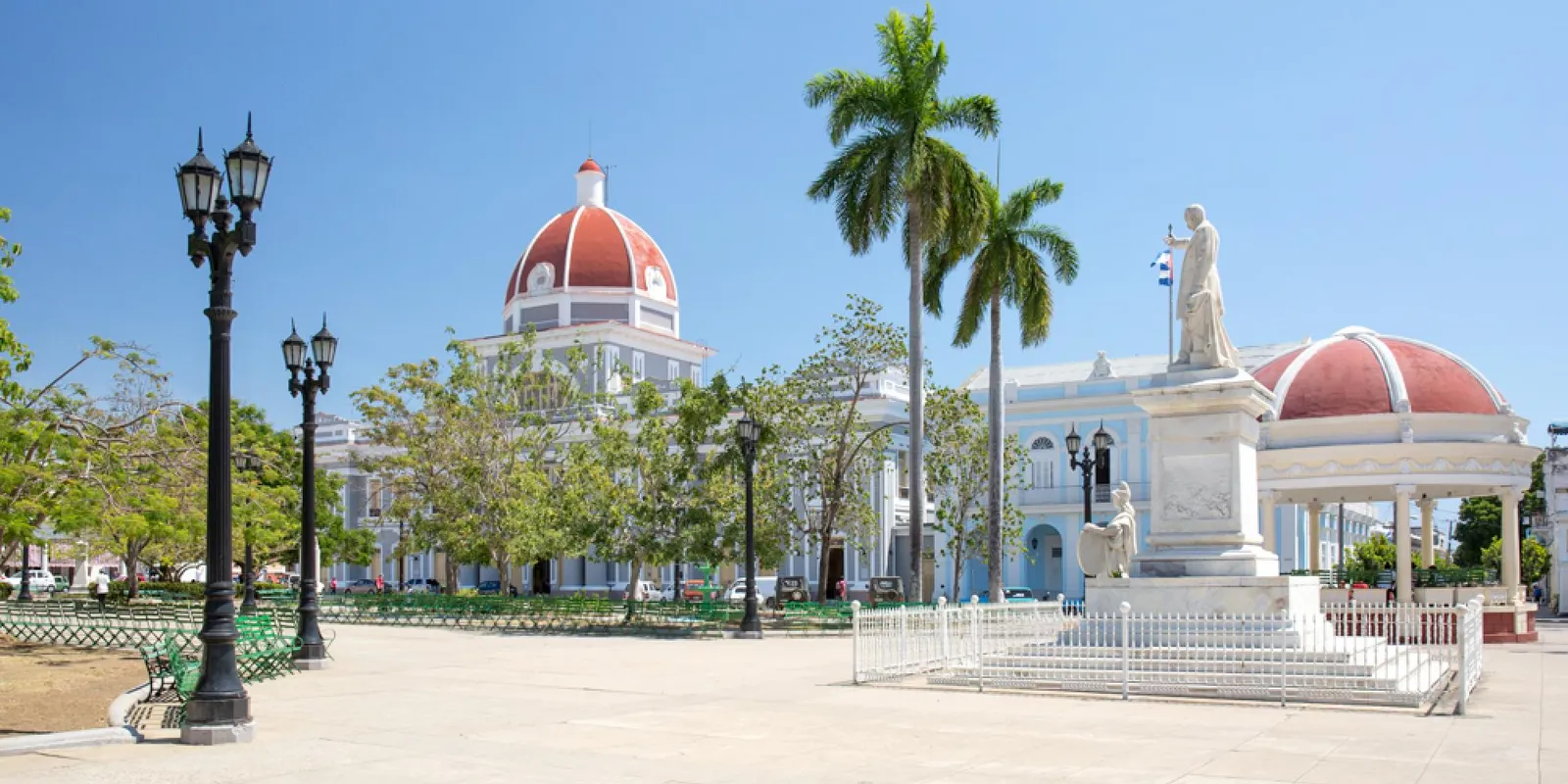
Founded by French colonists in 1819 rather than Spanish ones, Cienfuegos preserves a neoclassical centre that is a UNESCO World Heritage site, unlike any other Cuban colonial city.
The centre, a pearl of French colonial foundation, is easily explored on foot.
The Tomás Terry Theatre, built in the late nineteenth century with the patronage of a wealthy local merchant, hosted performances by Enrico Caruso and Sarah Bernhardt.
A short walk away, the Palacio de Valle, a sumptuous palace built in the early twentieth century in Moorish style, surprises with its contrast to the neoclassical architecture of the rest of the city, with turrets and carved arches.
Continuing, you walk along the Paseo del Prado, one of Cuba's longest avenues, lined with colonnades and statues in the French style.
As evening falls, the city's Malecón offers a view of Cienfuegos Bay, among the most protected and deepest in all of Cuba.
Unlike most colonial Cuban cities, founded by Spaniards, Cienfuegos was born from the initiative of French colonists arrived from Bordeaux and Louisiana, an origin that still influences the neoclassical urban planning of the center today.
The Palacio de Valle was built by a wealthy landowner who wanted to imitate the Alhambra of Granada, mixing Moorish, Gothic and Venetian styles in a single eccentric building.
Related articles
You might also like...
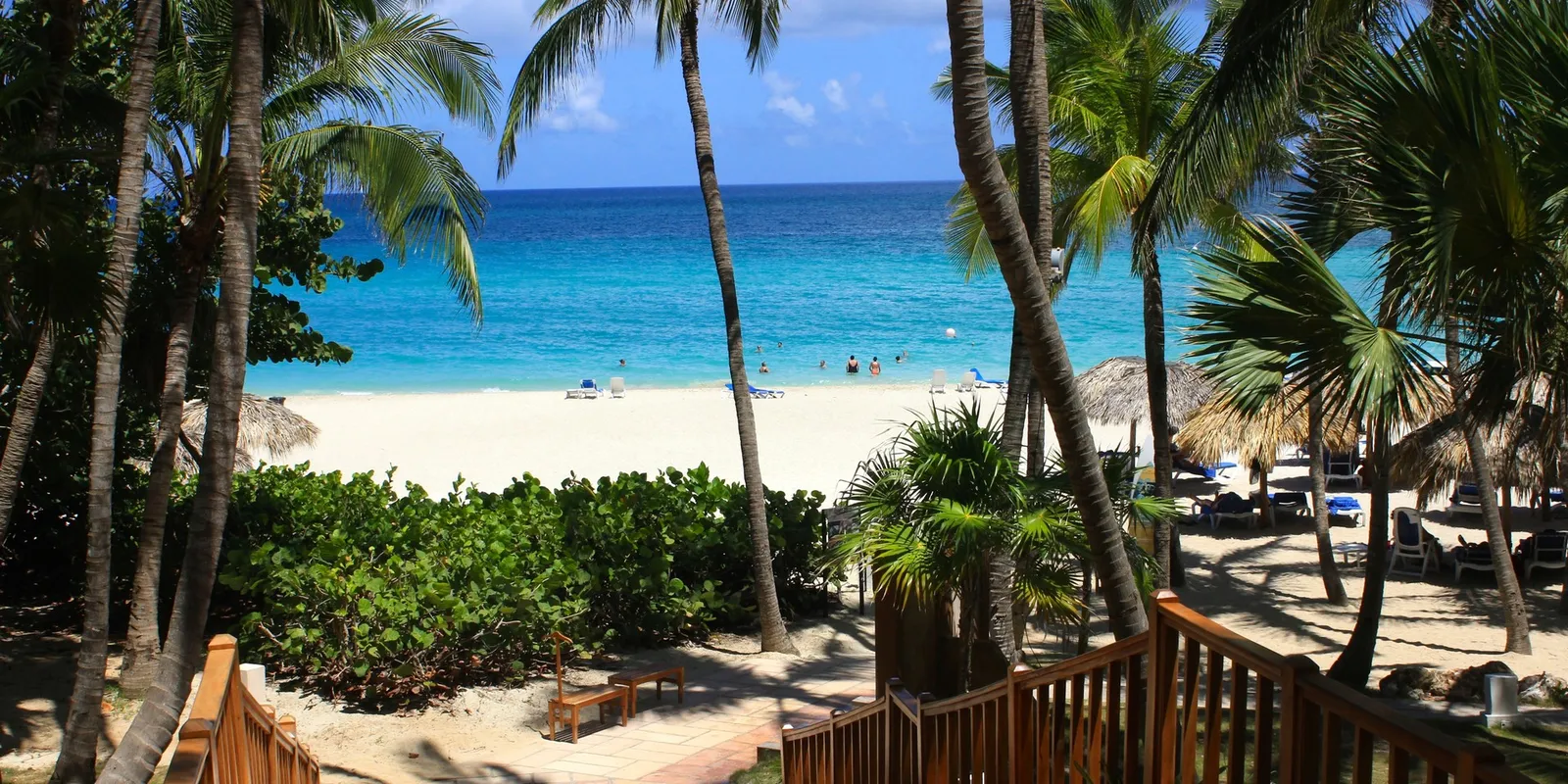
Varadero: Cuba's longest Caribbean beach
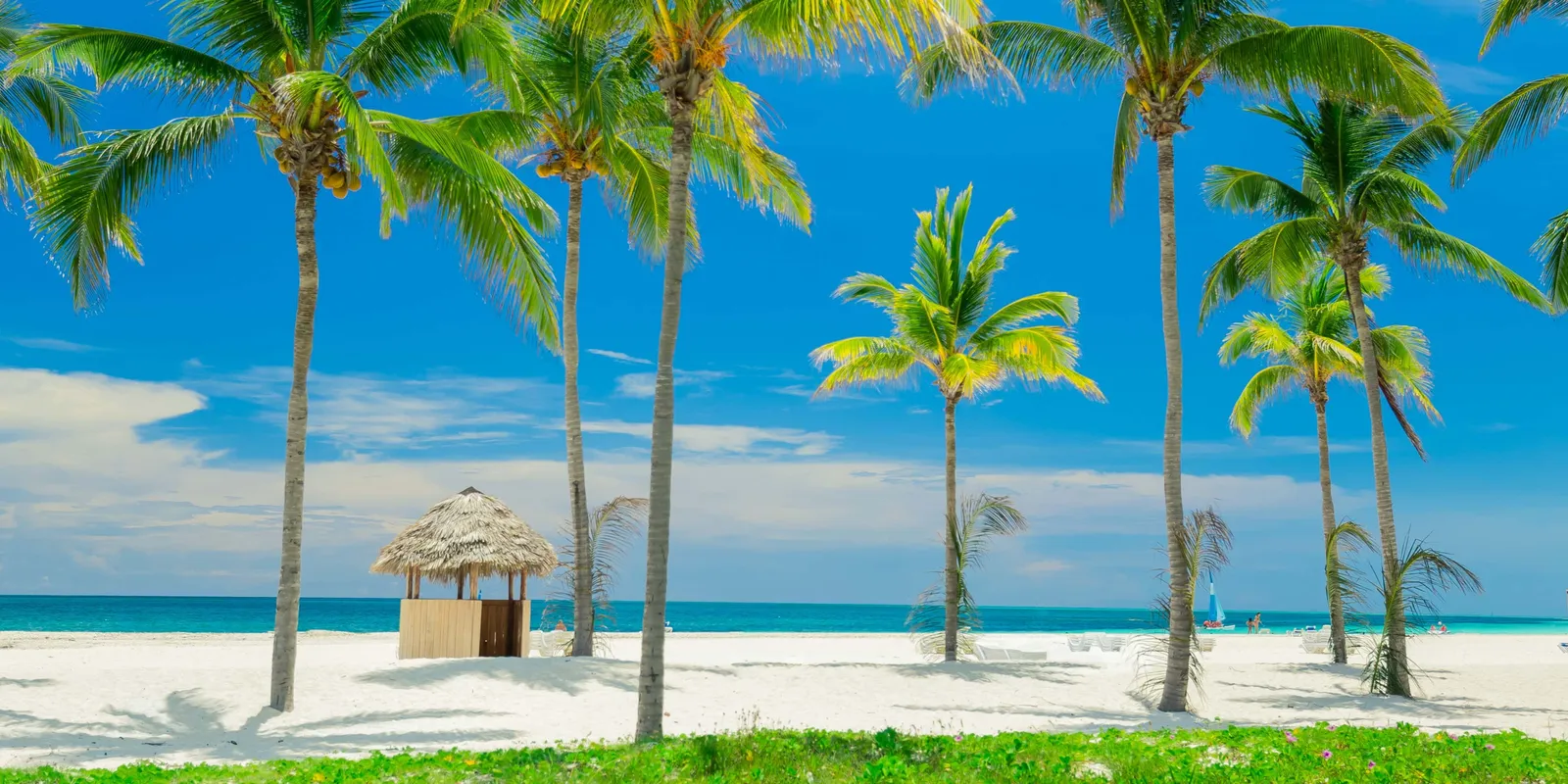
Cayo Coco: flamingos and endless beaches

Santorini Airport: where to stay, areas and recommended hotels

Air Arabia: How the Multi-Hub Model of the Middle East's First Low-Cost Airline Works

Flight deals: how to recognize a good fare
