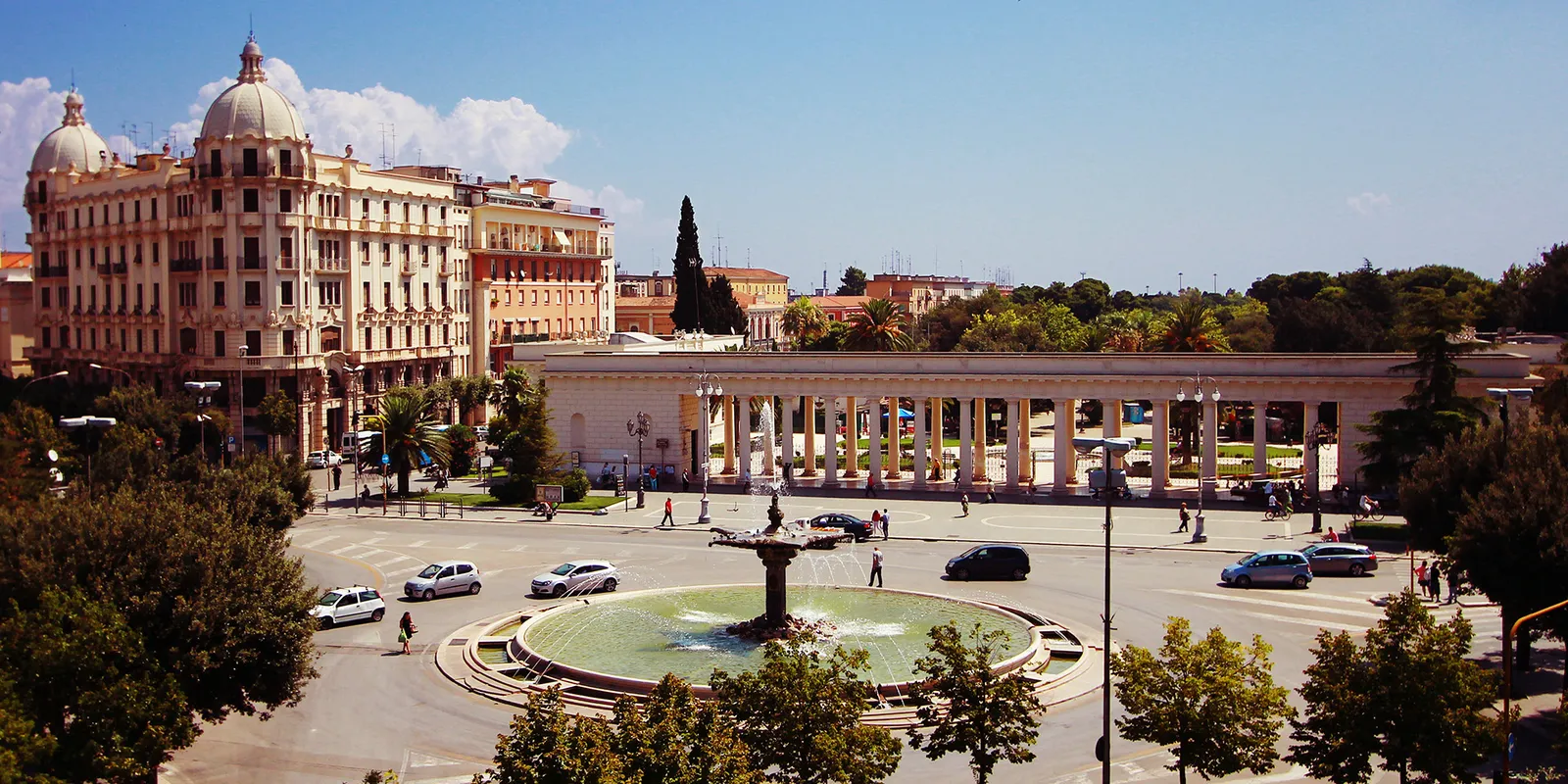

Foggia: the cathedral that survived the earthquakes
Destroyed multiple times by earthquakes over the centuries, Foggia preserves in its cathedral's crypt the only part that survived almost intact from the original Norman structure.
The center, rebuilt multiple times after earthquakes, is comfortably explored on foot around the cathedral.
The Cathedral of Foggia, rebuilt in Baroque style after the devastating 1731 earthquake, preserves in its underground crypt the only Norman original section surviving the collapse.
Just steps away, the Arch of Frederick II, the sole remaining piece of the Swabian imperial palace built by the emperor in the 13th century, recalls Foggia's role as the preferred residence of the court, chosen for its proximity to hunting reserves.
Walking through Cavour Square, a city salon surrounded by Liberty-style palaces rebuilt in the 19th and 20th centuries.
Towards evening, the Civic Museum, housed in a former convent, tells the city's story through its long sequence of post-seismic reconstructions and local archaeological artifacts.
Frederick II of Swabia loved Foggia so much that he built an imperial palace there and died in 1250: today only an isolated arch remains of that royal residence in the city center.
The Tavoliere plain surrounding Foggia, among Italy's most extensive, made the city a reference point for agriculture from its medieval foundation onward.
Related articles

You might also like...
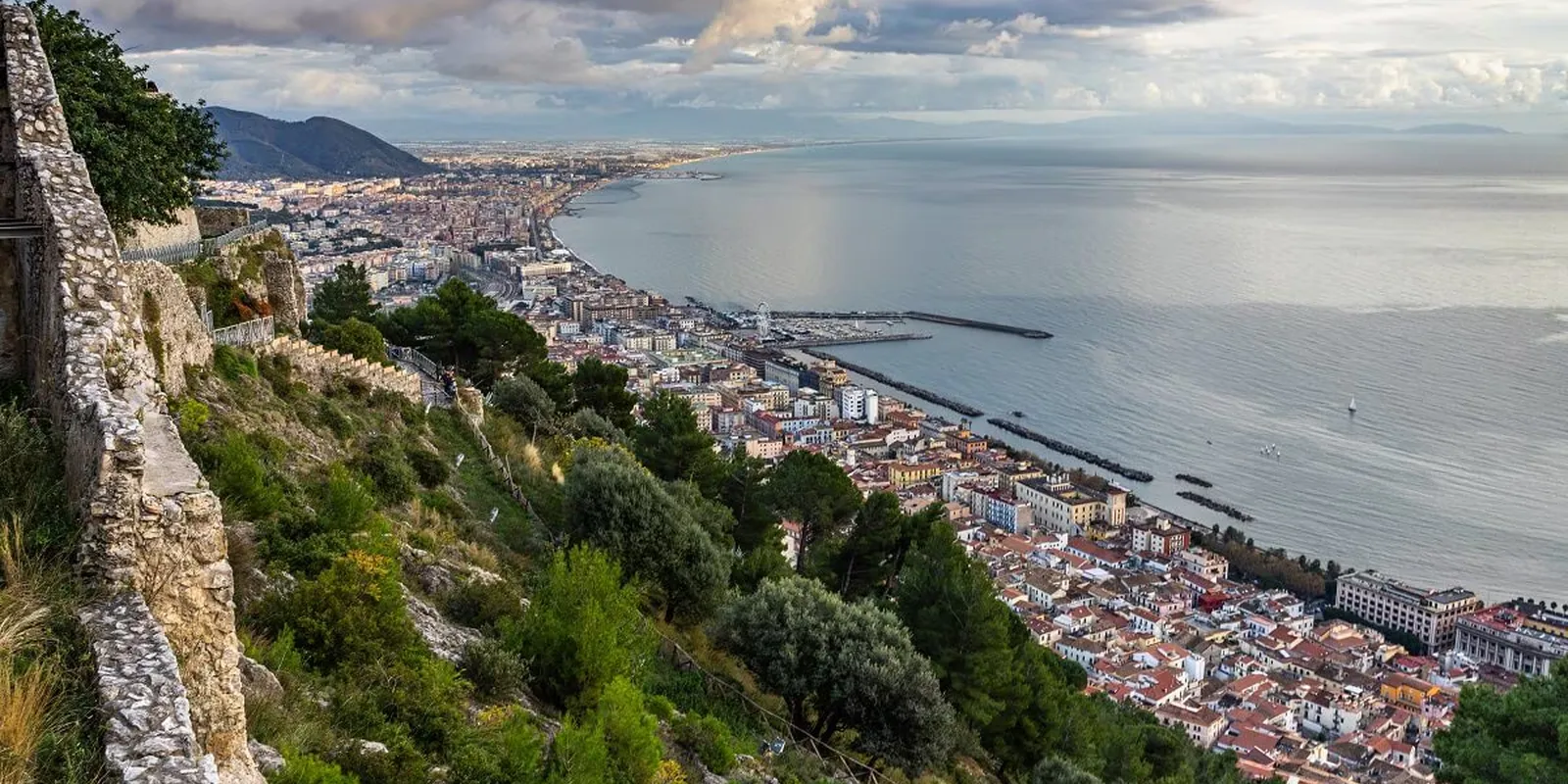
Salerno: the medical school and Arechi Castle
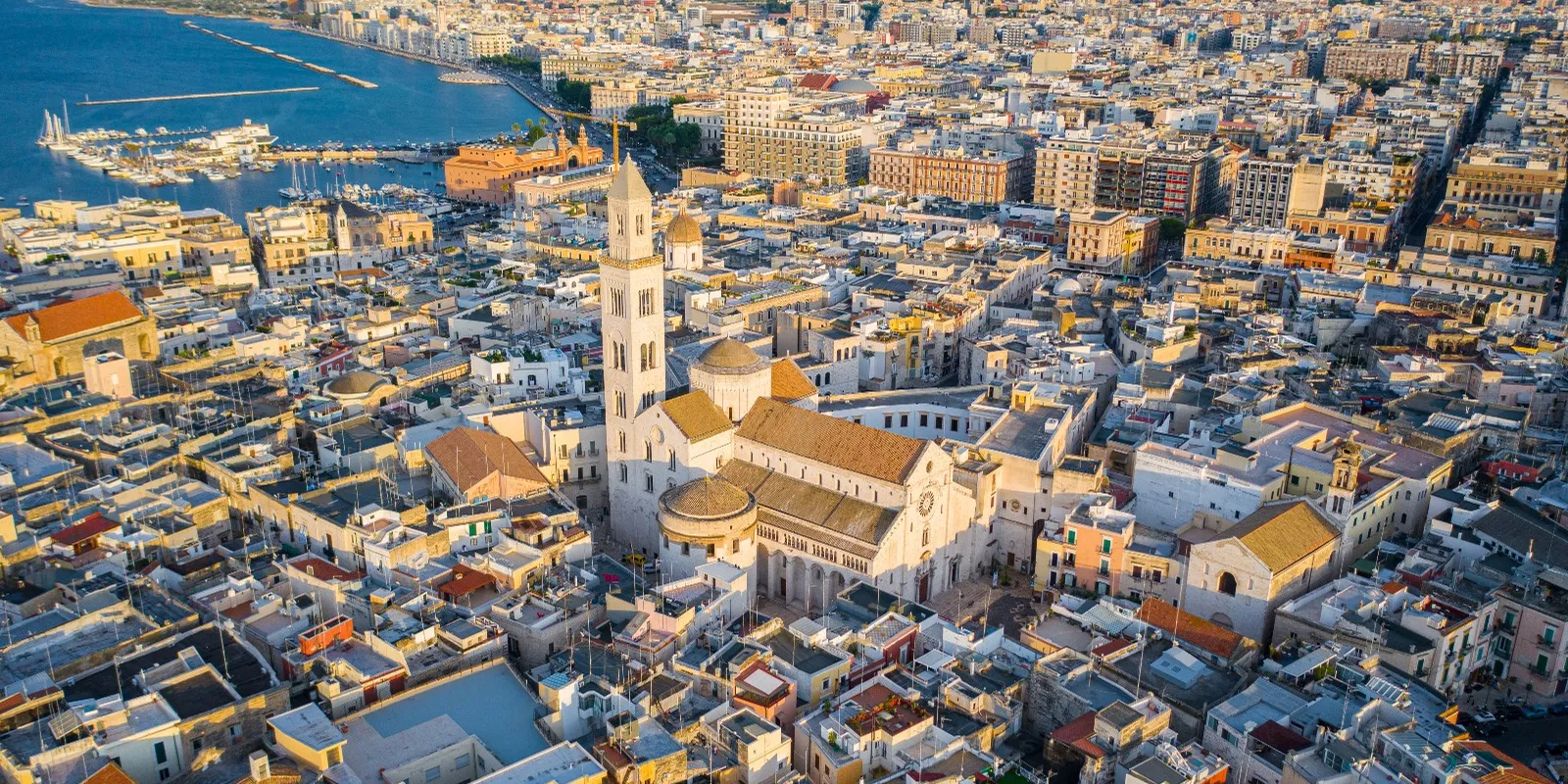
Bari: Saint Nicholas and the old town

Chengdu Shuangliu International Airport: where to stay, areas and recommended hotels

Bergamo Orio al Serio Airport: where to stay, areas and recommended hotels

Ravn Alaska No Longer Flies: What Happened and What to Do If You Had a Flight Booked