
Hangzhou: West Lake and Buddhist temples
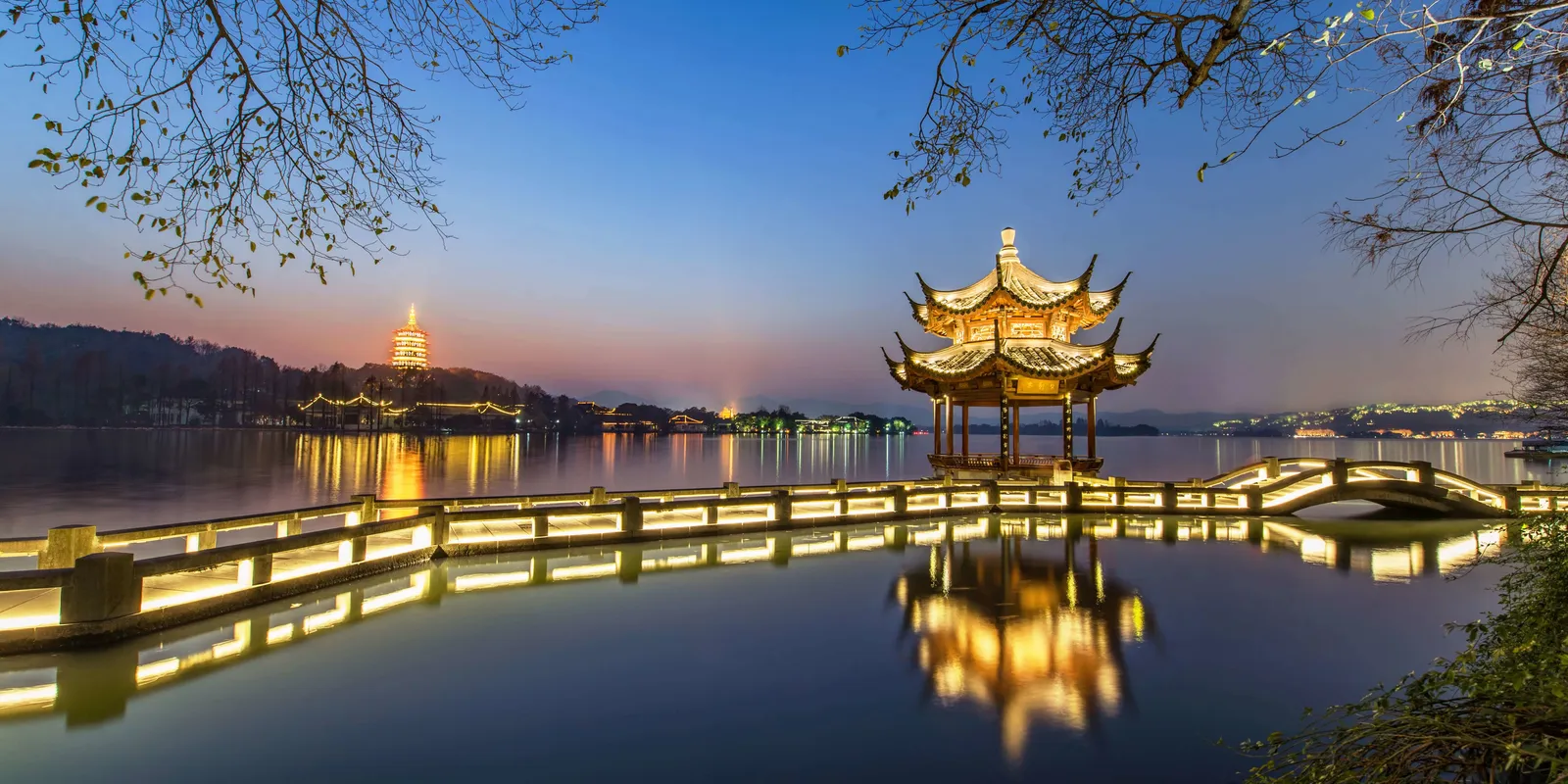
Marco Polo called it the most beautiful and noble city in the world: Hangzhou still builds its identity today around West Lake, celebrated for centuries in Chinese painting and poetry.
A stroll along its shores, alternated with a brief boat trip, is enough to cover much of the day.
West Lake, a UNESCO World Heritage site since 2011, is crossed by pedestrian causeways built already in the ninth and eleventh centuries by officials-poets, including the Su Causeway, flanked by trees that bloom in spring.
The Lingyin Temple, one of the most important Buddhist temples in China, rises among limestone hills carved with hundreds of rock sculptures dating to the Song dynasty, hidden among caves and forest paths.
The Six Harmonies Pagoda, built in 970 to calm the tides of the Qiantang River, preserves inside a thirteen-story wooden structure behind a facade that from the outside shows only seven.
The Hefang Street district, a pedestrian street in Song style reconstructed in the nineteenth century, still sells local tea, hand-painted fans, and the typical sweets of Zhejiang tradition.
The dikes of West Lake were built by poets who became public administrators: few places in the world bear so directly the mark of literary sensibility in their infrastructure.
The tea sold today on Hefang Street grows on the same hills that inspired those verses — a thread connecting Marco Polo's Hangzhou to that of anyone strolling there now.
Related articles

You might also like...
Ningbo: the ancient port of the maritime Silk Road
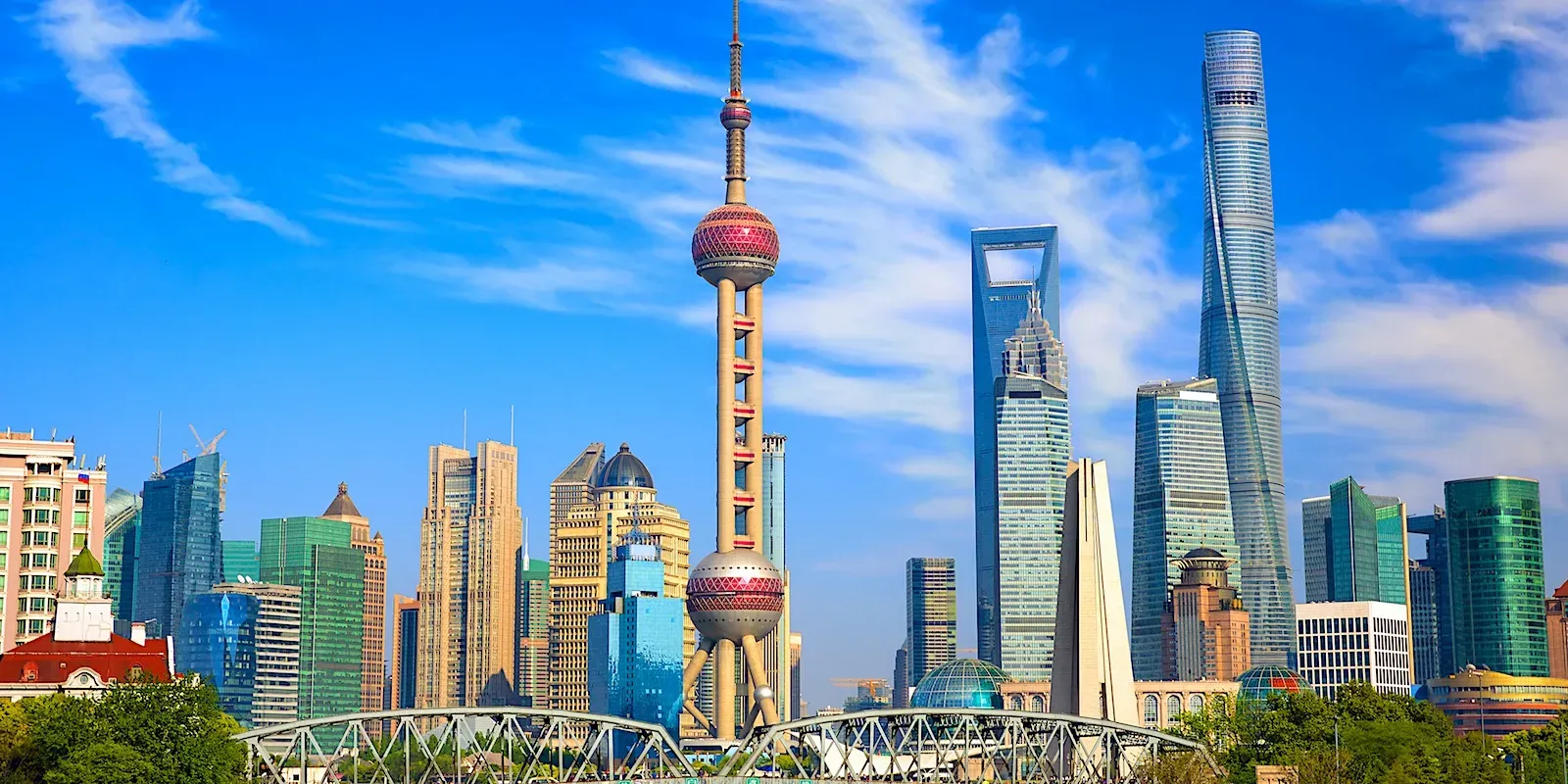
One day in Shanghai: itinerary and highlights

Bering Air: The Carrier Keeping Western Alaska Connected, from the Caravan Fleet to Charter Flights to Russia

Columbus Metropolitan Airport: where to stay, areas and recommended hotels

Shannon Airport: where to stay, areas and recommended hotels