
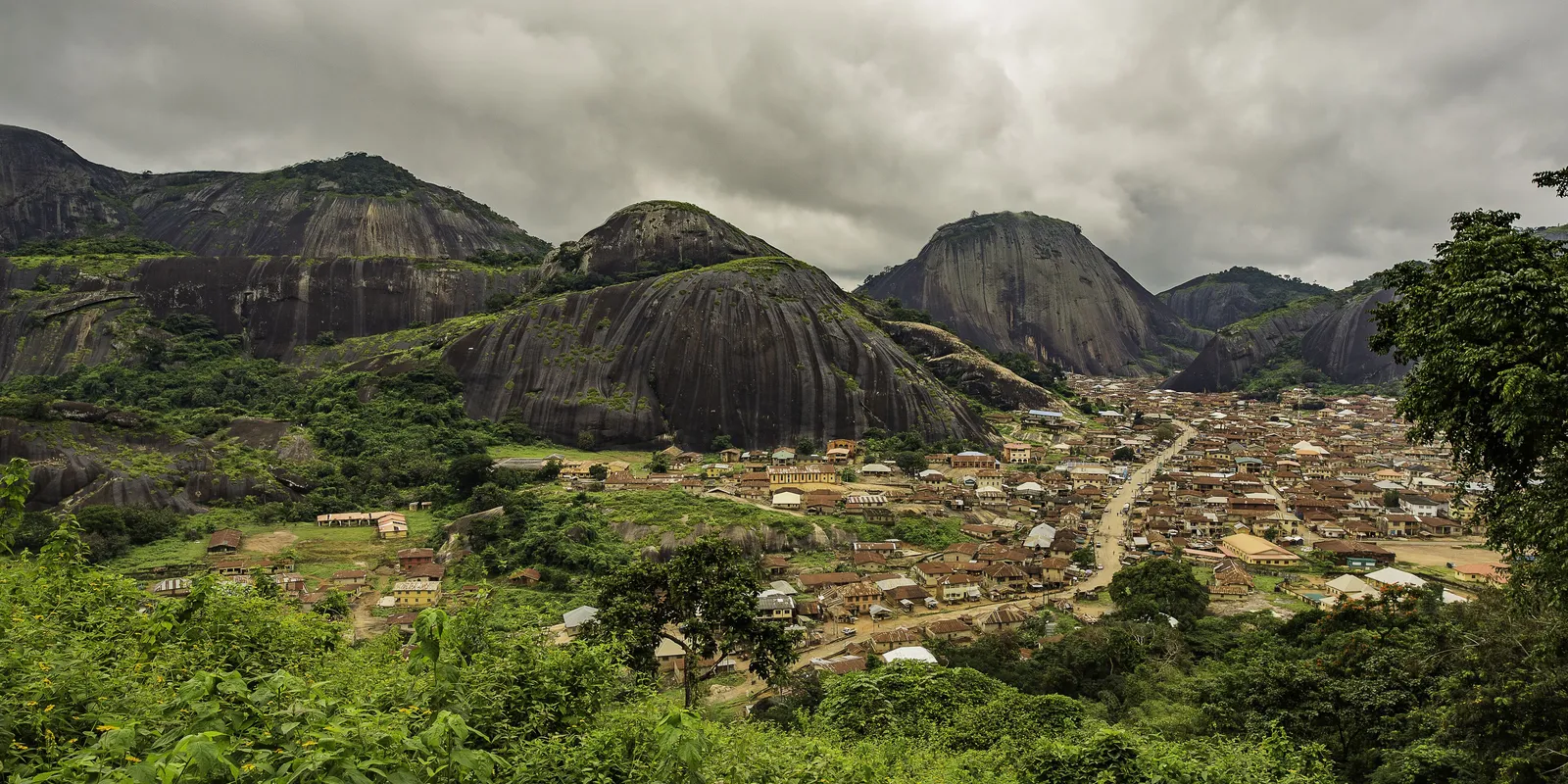
Ibadan: the largest city of precolonial Africa
Founded as a Yoruba military camp, Ibadan became the most populous city in sub-Saharan Africa before colonization.
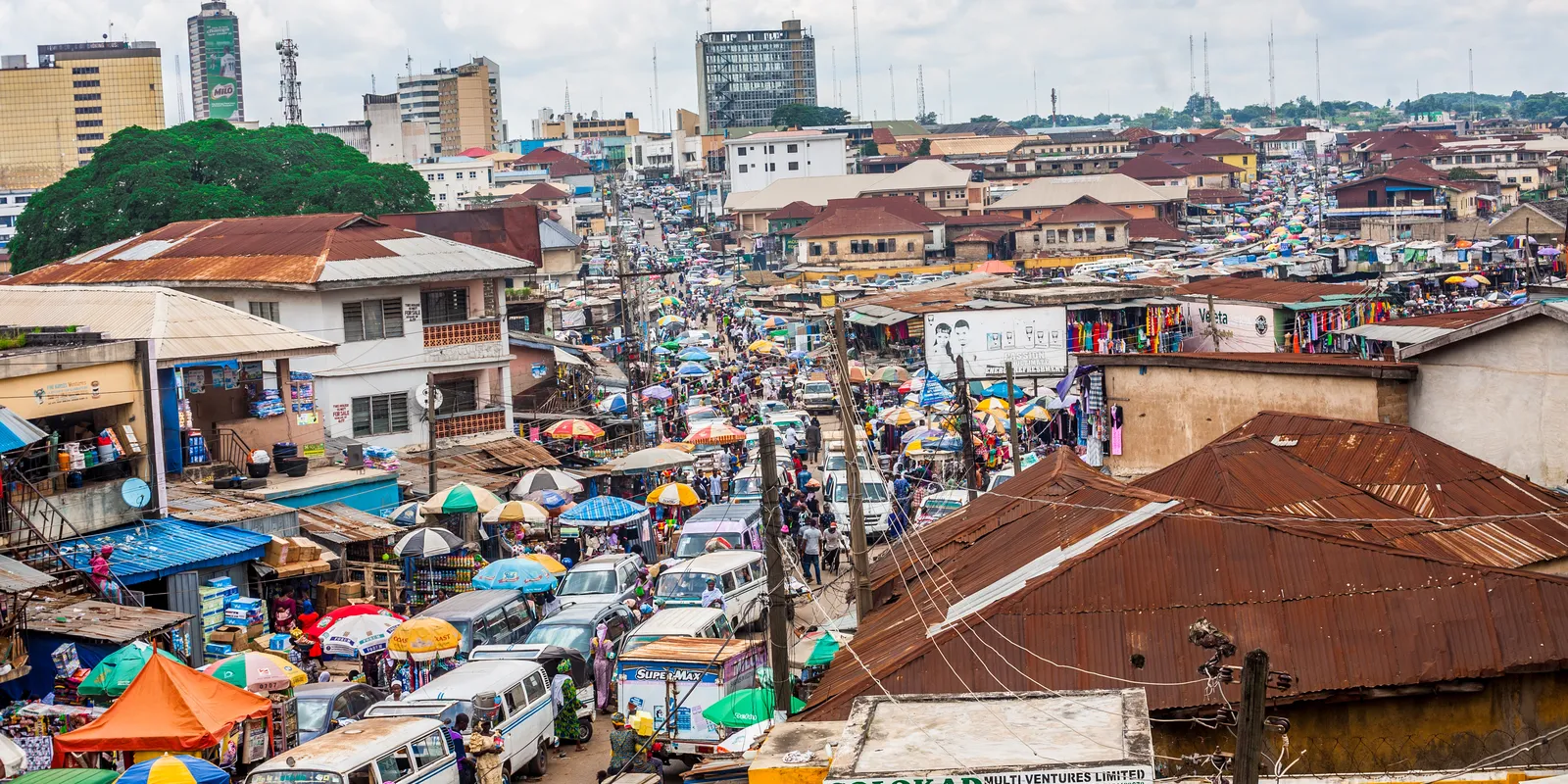
Taxis and shared motorcycles remain the most common way to move around.
The Bodija Market, among the largest in West Africa, animates trade in food and traditional Yoruba textiles along always-crowded streets.
Just steps away, the Cathedral of St. Peter, among the oldest Anglican churches in Nigeria, reflects the British missionary legacy of the city and southwestern Nigeria.
Continuing toward the University of Ibadan, Nigeria's oldest founded in 1948, one visits its botanical garden open to the public.
Toward evening, the Bodija district animates with restaurants serving traditional Yoruba cuisine, with dishes based on yams and spicy soups served all night.
Founded in the nineteenth century as a military camp by Yoruba warriors from various city-states, Ibadan grew rapidly to become sub-Saharan Africa's most populous city during the pre-colonial period, before Lagos rose to prominence.
The University of Ibadan, Nigeria's first modern university, trained generations of African intellectuals and politicians, maintaining a leading role in continental higher education that remains internationally recognized today.
Related articles

You might also like...
24 hours in Lagos: what to see
Akure: the Yoruba capital of cocoa

Bodø Airport: where to stay, areas and recommended hotels

New York LaGuardia: a lounge for every kind of card

Apps to check flight status: how they work