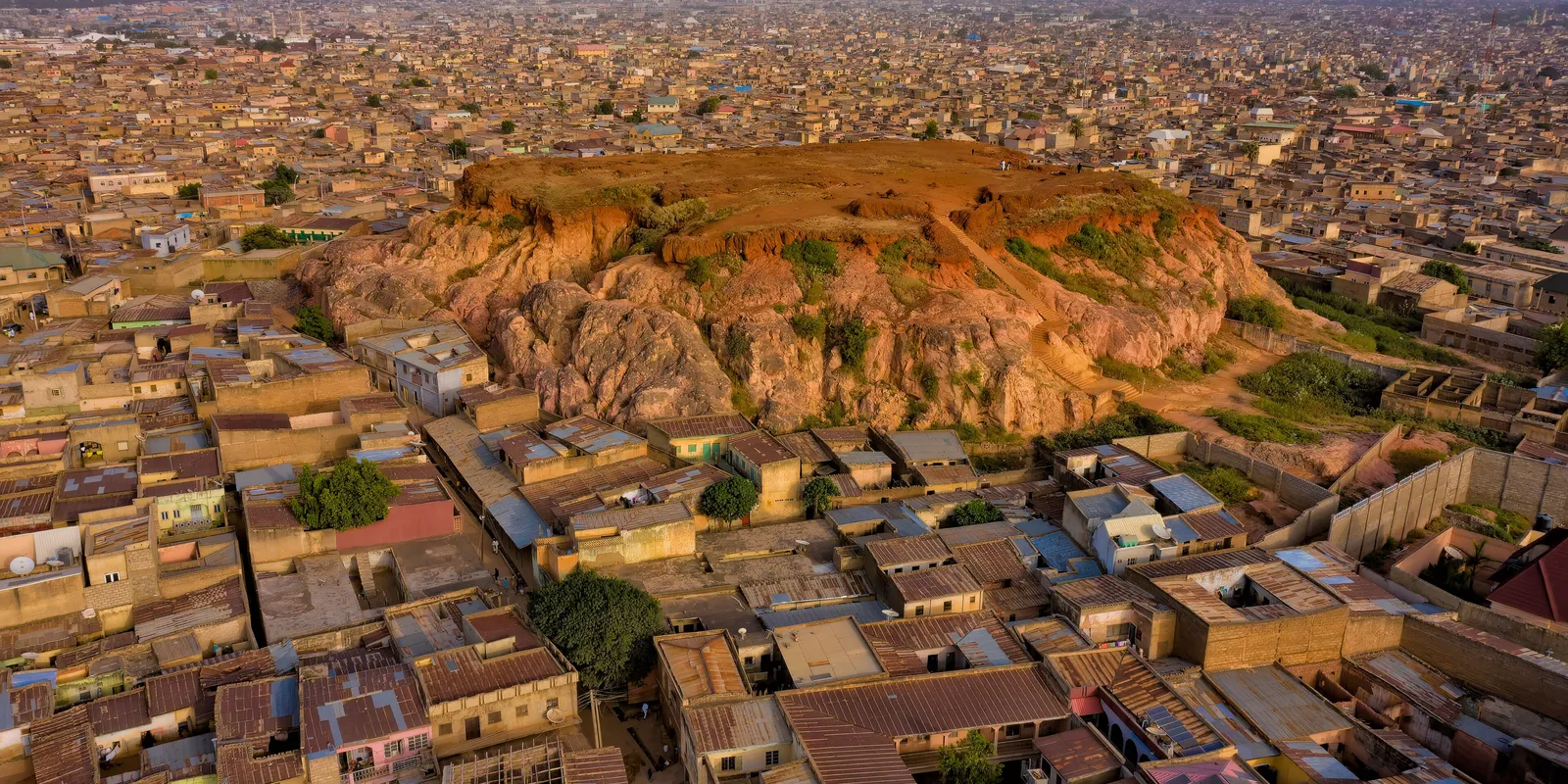

Kano: the ancient walled city of the Sahel
A trade hub of the trans-Saharan caravan route for over a thousand years, Kano preserves ancient walls and the oldest indigo dye pits of West Africa.
A taxi with driver remains the safest way to get around.
The Walls of Kano, built in rammed earth beginning in the eleventh century, once surrounded the entire old city against enemy raids.
Just nearby, the Kofar Mata Dye Pits, indigo-dyeing vats in uninterrupted use for over five hundred years, remain the world's oldest still active.
Continuing, you visit the Emir's Palace, royal residence of the local dynasty, with traditional Islamic decorations on its facades.
As evening falls, the Kurmi market, founded in the fifteenth century, remains one of the oldest and largest covered markets in all of West Africa.
The Kofar Mata dye vats, in continuous operation for over five centuries, still use the same traditional technique based on fermented natural indigo passed down from generation to generation.
Kano was for centuries one of the most important stops on trans-Saharan caravan routes, a meeting point for Arab, Berber, and Hausa merchants from sub-Saharan Africa who traded salt, gold, and enslaved people along these routes.
Related articles

You might also like...
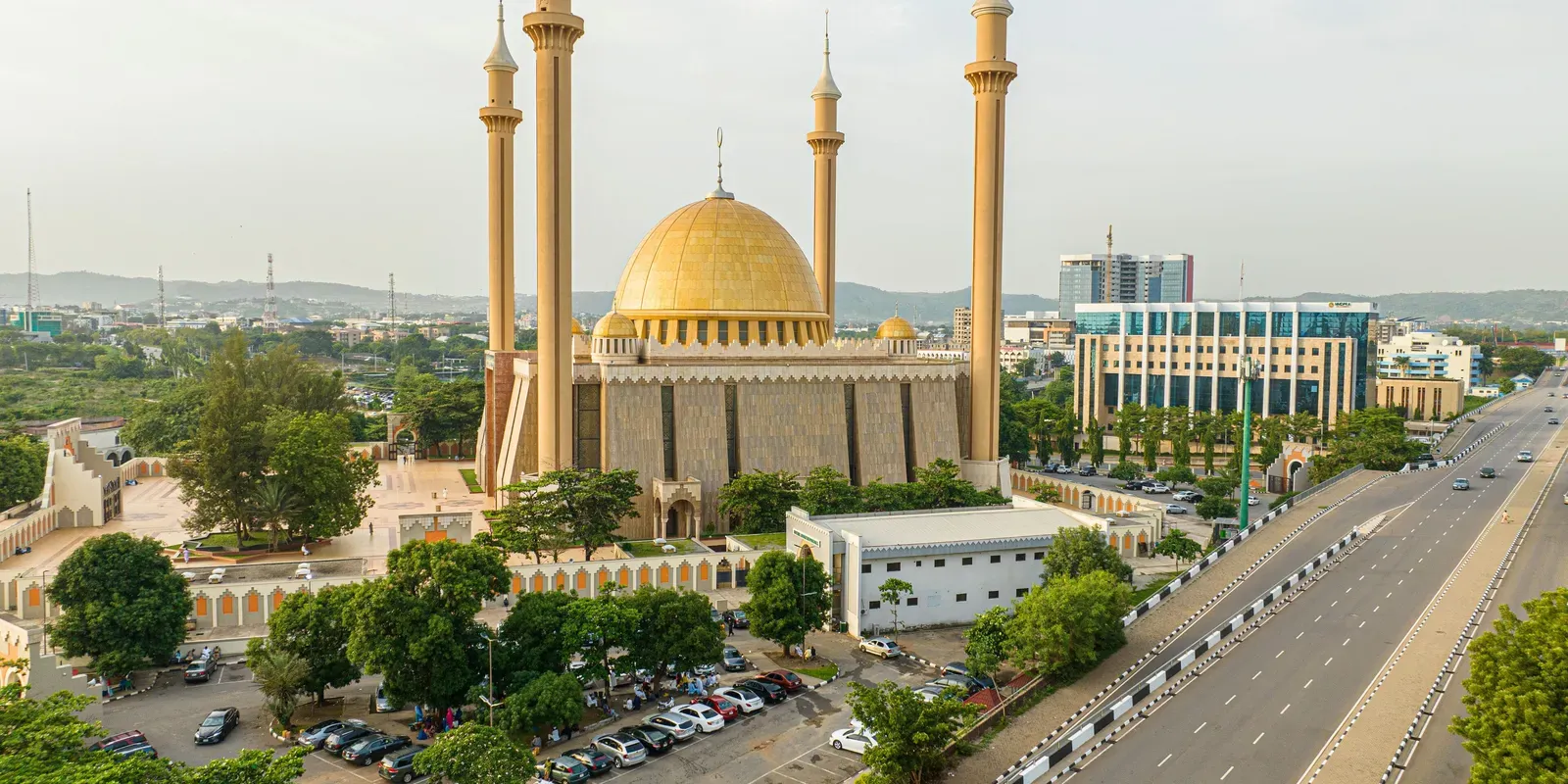
Abuja: the planned capital at the foot of Aso Rock
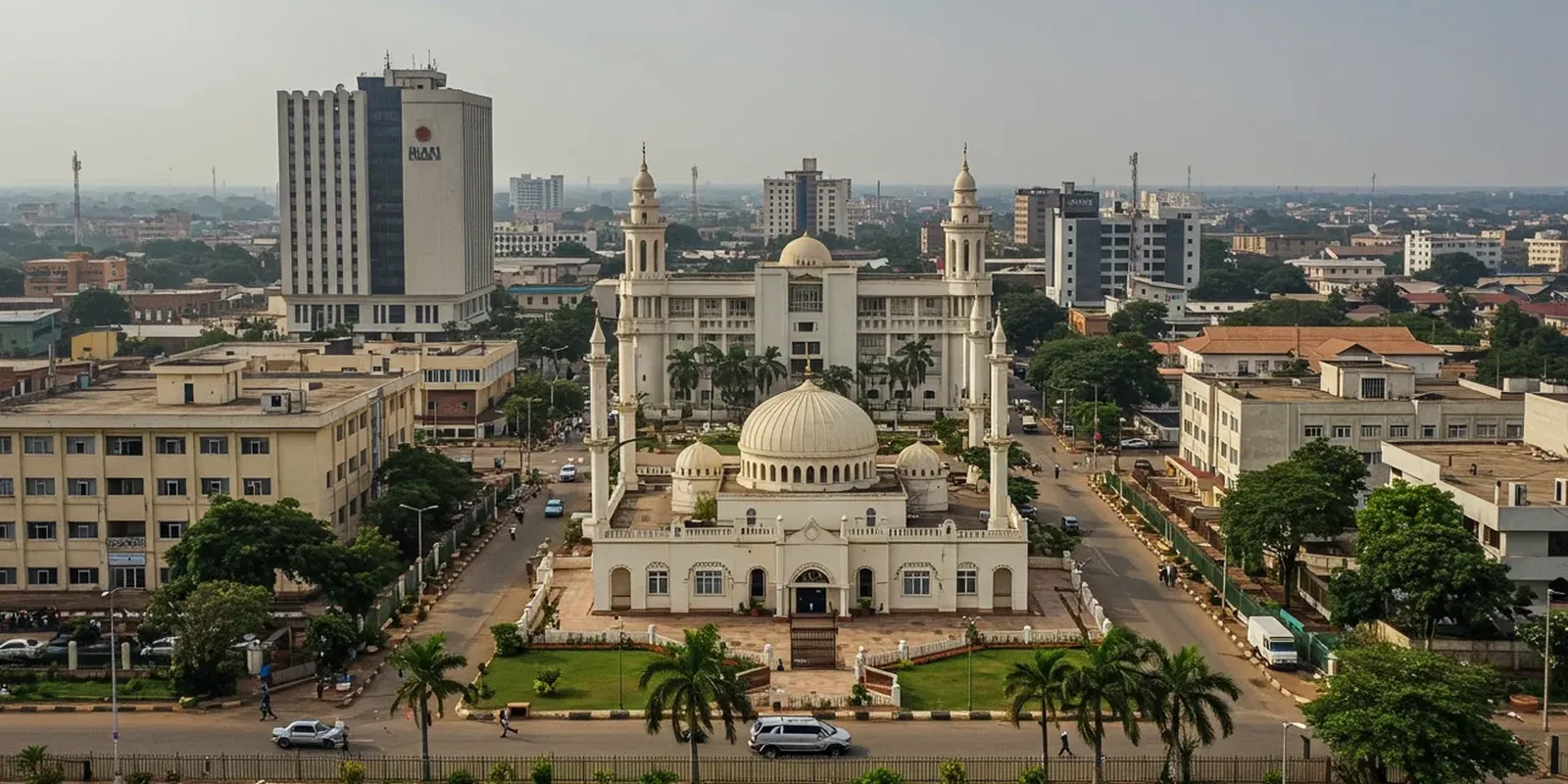
Sokoto: the seat of Africa's largest Islamic caliphate

Malabo Airport: where to stay, areas and recommended hotels

Austrian Airlines: What to Expect From Vienna's Lufthansa Group Carrier

AirAsia Philippines: The Reopening of the Cebu Base and the Plan to Reach 21 Aircraft
