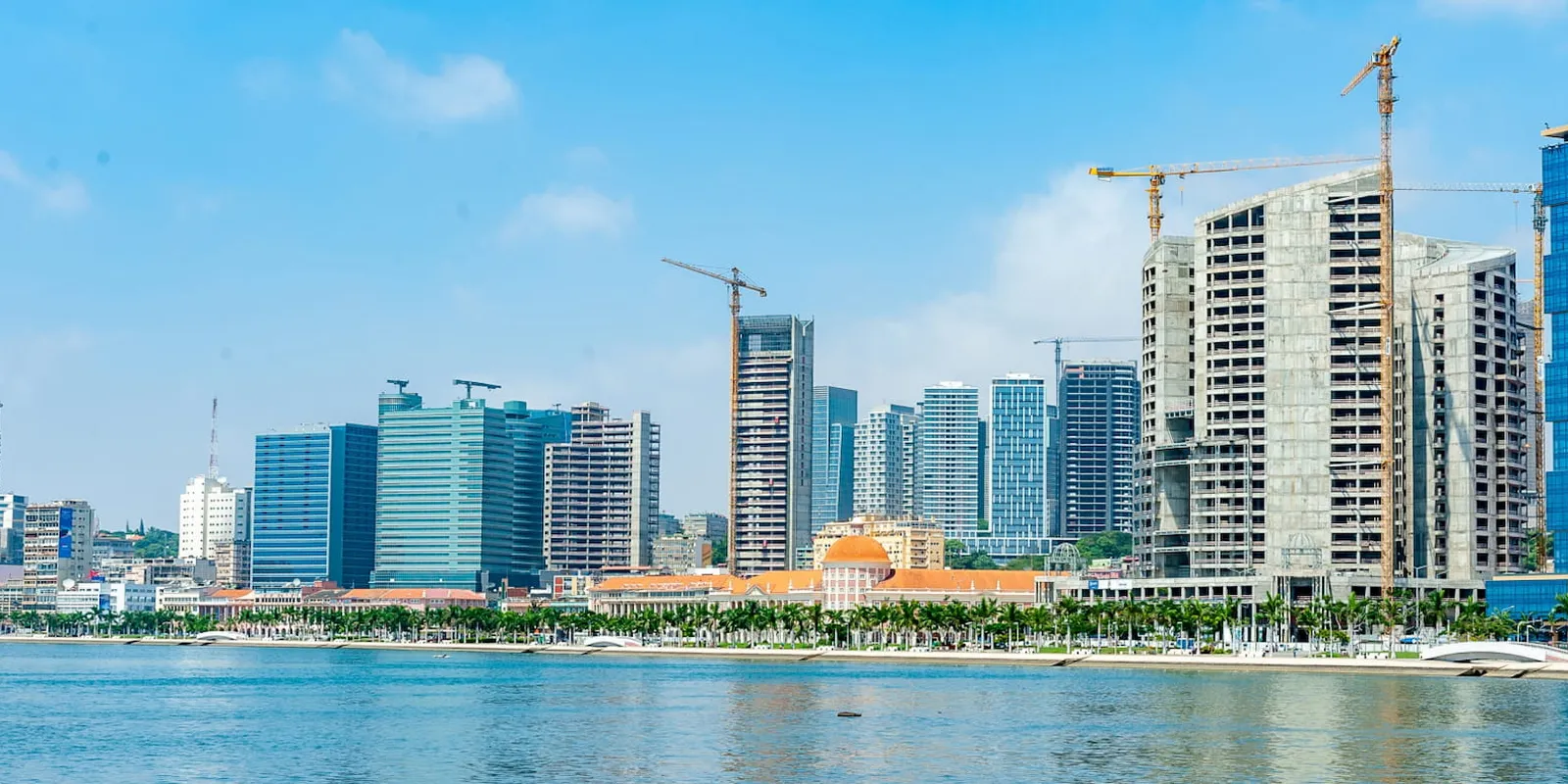

Luanda: the Portuguese fortress on the Angolan Atlantic
Founded by the Portuguese in the sixteenth century as a stop for the slave trade, Luanda today remains one of southern Africa's most dynamic capitals.
The center, around the ancient Portuguese fortress on the Atlantic, can be comfortably visited by taxi or rental car.
The Fortress of São Miguel, built by the Portuguese in 1576, dominates the old city and today houses the National Museum of Military History of Angola.
A few steps away, the Marginal of Luanda, a waterfront rebuilt inspired by that of Rio de Janeiro, animates walks and bars with a view over the bay.
Continuing toward the center, you visit the National Museum of Anthropology, which exhibits masks and musical instruments from Angola's diverse ethnic groups.
Toward evening, the island of Luanda, a strip of sand that protects the bay, offers beaches and fresh fish restaurants.
Luanda was for centuries the principal departure port for the Atlantic slave trade toward Portuguese Brazil, a chapter of history now documented in the city's old town museums.
The Fortress of São Miguel, built to protect the port from Dutch naval attacks in the seventeenth century, remains one of the best-preserved Portuguese colonial monuments of southern Africa, with original walls still intact.
Related articles
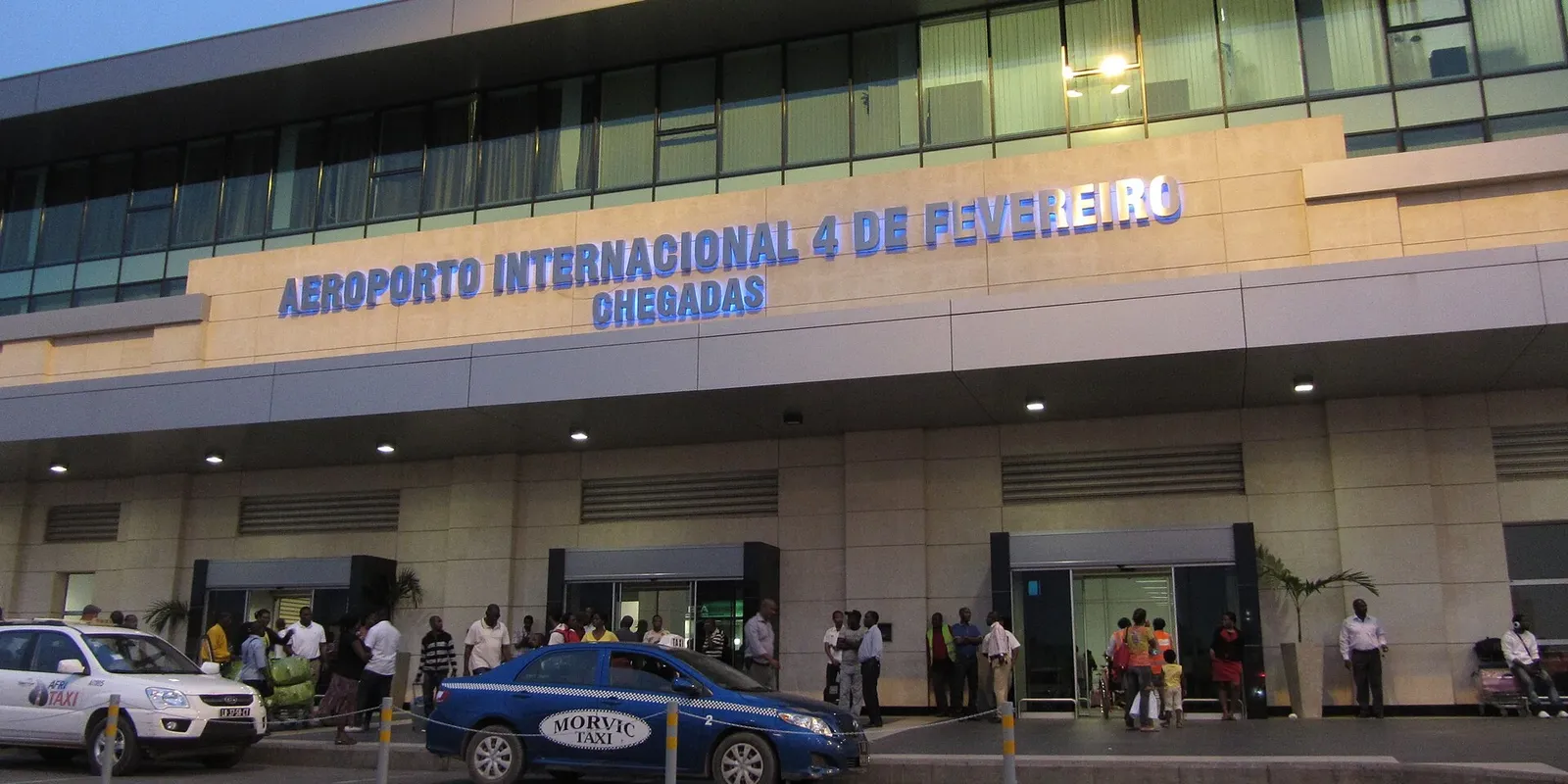

You might also like...
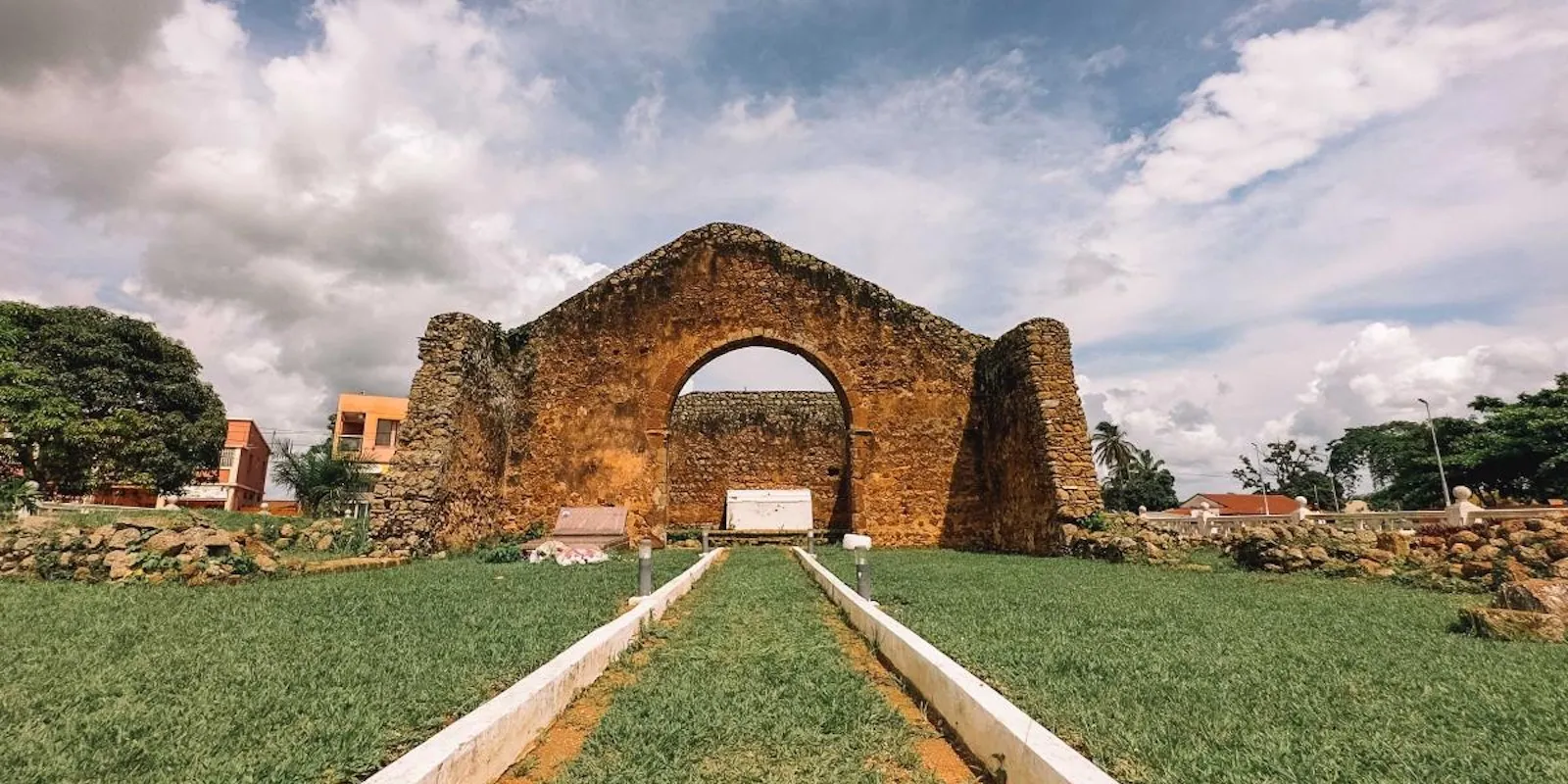
Mbanza Congo: the lost capital of the Kingdom of Kongo
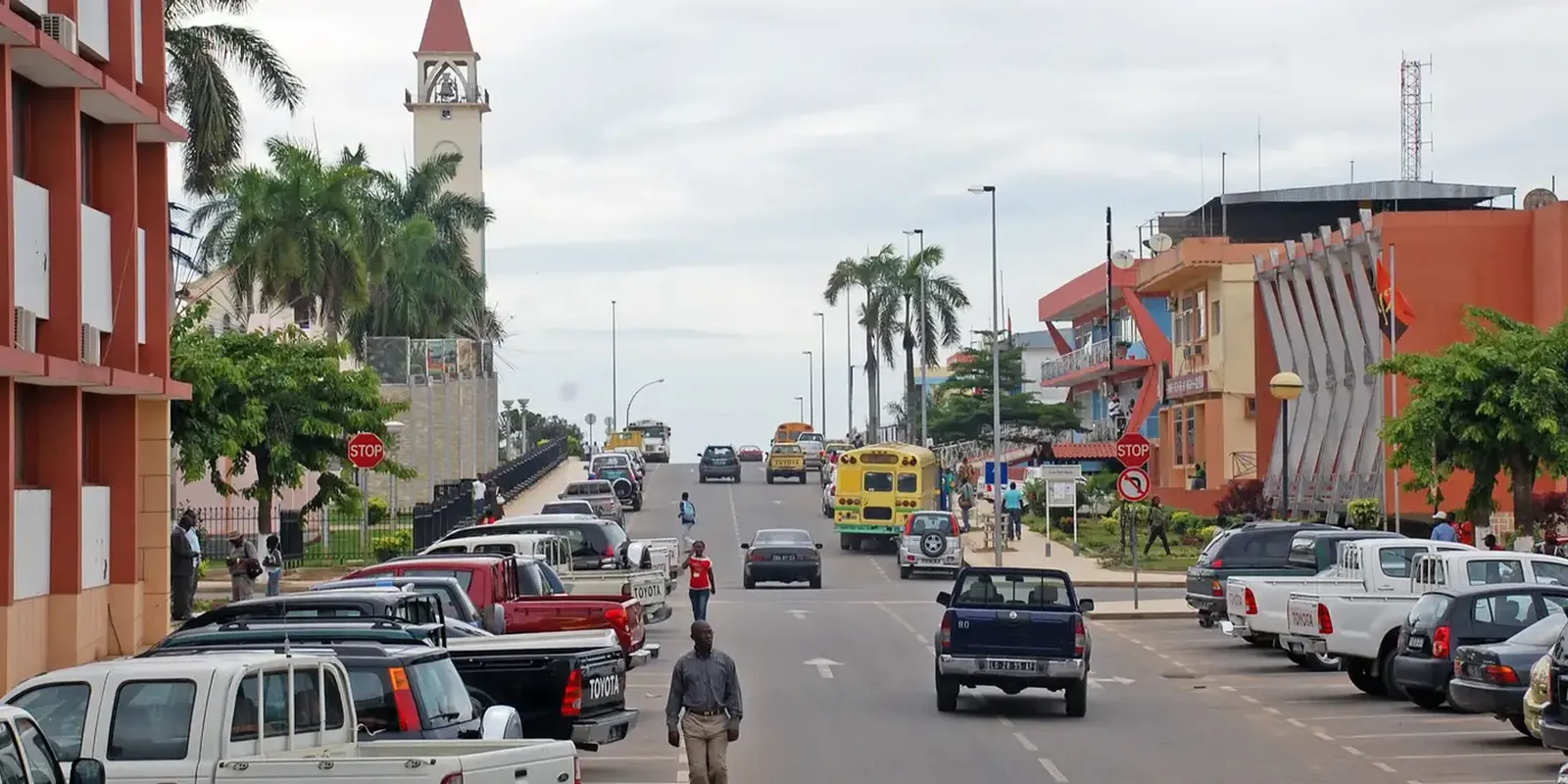
Cabinda: Angola's oil enclave

Chief Dawid Stuurman International Airport: where to stay, areas and recommended hotels

King Khaled International Airport: where to stay, areas and recommended hotels
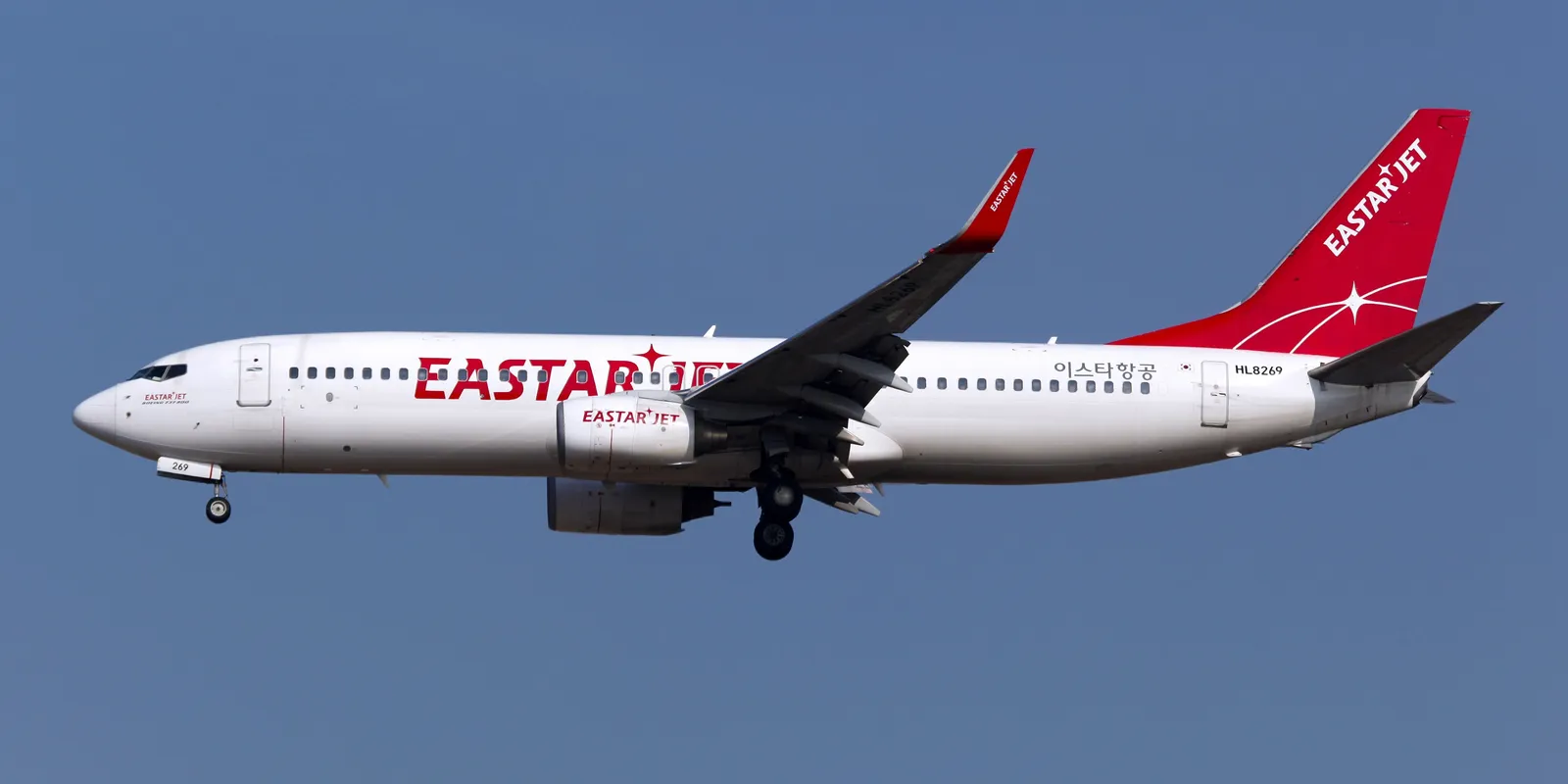
Eastar Jet: The Korean Low-Cost Carrier That Went Through a Financial Restructuring