Lübeck: the queen of the Hanseatic League
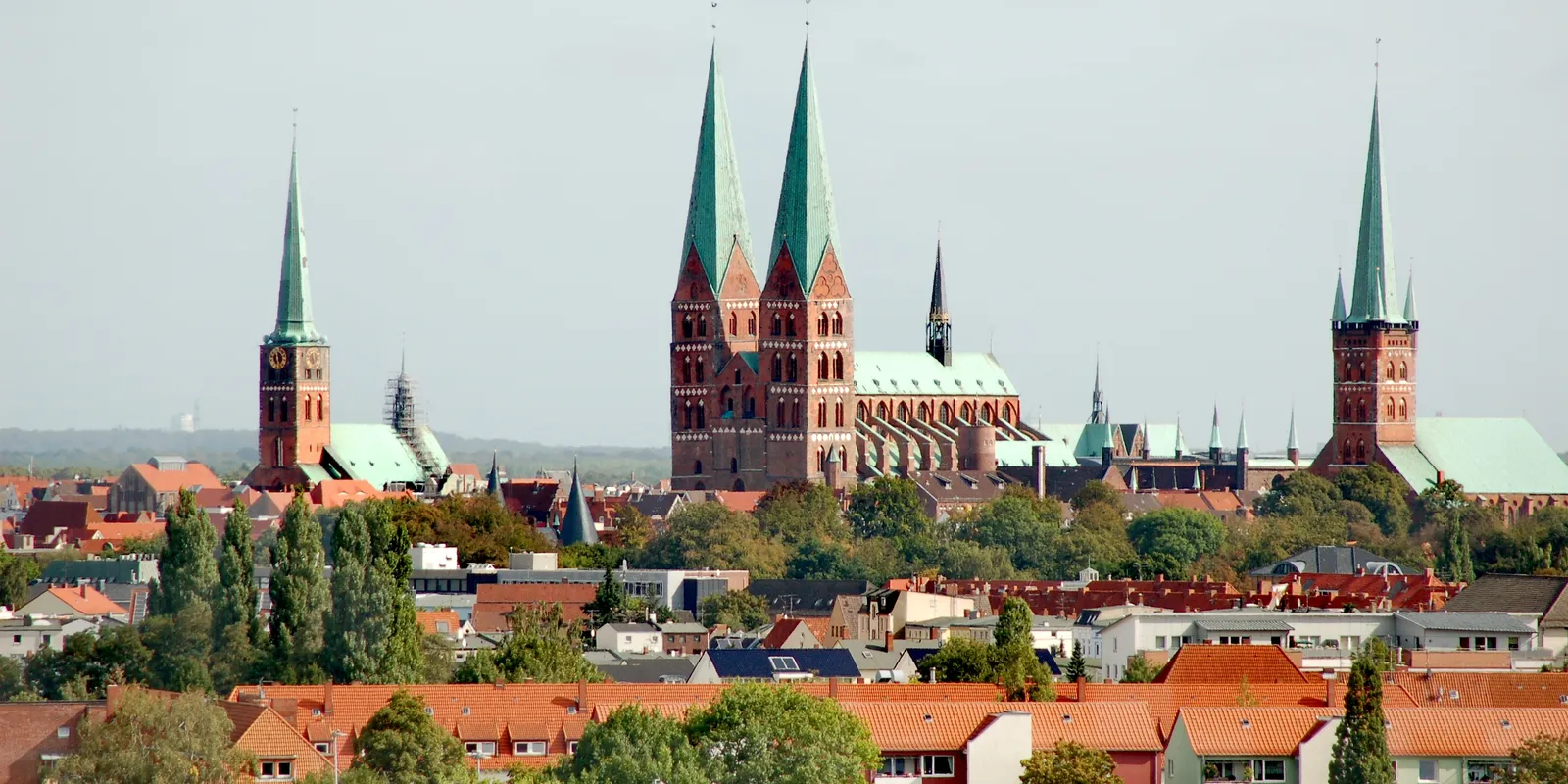
Unofficial capital of the Hanseatic League in the Middle Ages, Lübeck preserves a historic center on a river island, a UNESCO site, and is the birthplace of German marzipan.
The center, once queen of the Hanseatic league, is comfortably explored on foot among its canals.
The Holstentor, a brick gate from the 1400s, remains the symbol of Lübeck and is depicted even on old German fifty-mark banknotes.
A short walk away, the Marienkirche, a Gothic brick church among the tallest of its kind in Europe, preserves the bells that fell during the 1942 bombing, deliberately left shattered on the ground as a warning.
Continuing on, you visit the historic pastry shop Niederegger, producer of marzipan since 1806, which also exhibits a small museum dedicated to the history of the confection.
Toward evening, the European Hanseatic Museum tells the story of the Hanseatic League, the commercial alliance that enriched dozens of northern European port cities for centuries.
The broken bells of the Marienkirche, which fell during the 1942 Allied bombing that destroyed much of the historic center, have been left on the ground exactly as they fell—a permanent monument against war.
Lübeck marzipan owes its fame to the city's historic proximity to ports importing almonds from the Mediterranean, the foundational ingredient of a recipe passed down through generations.
Guided tours and experiences in Lübeck

Related articles

You might also like...
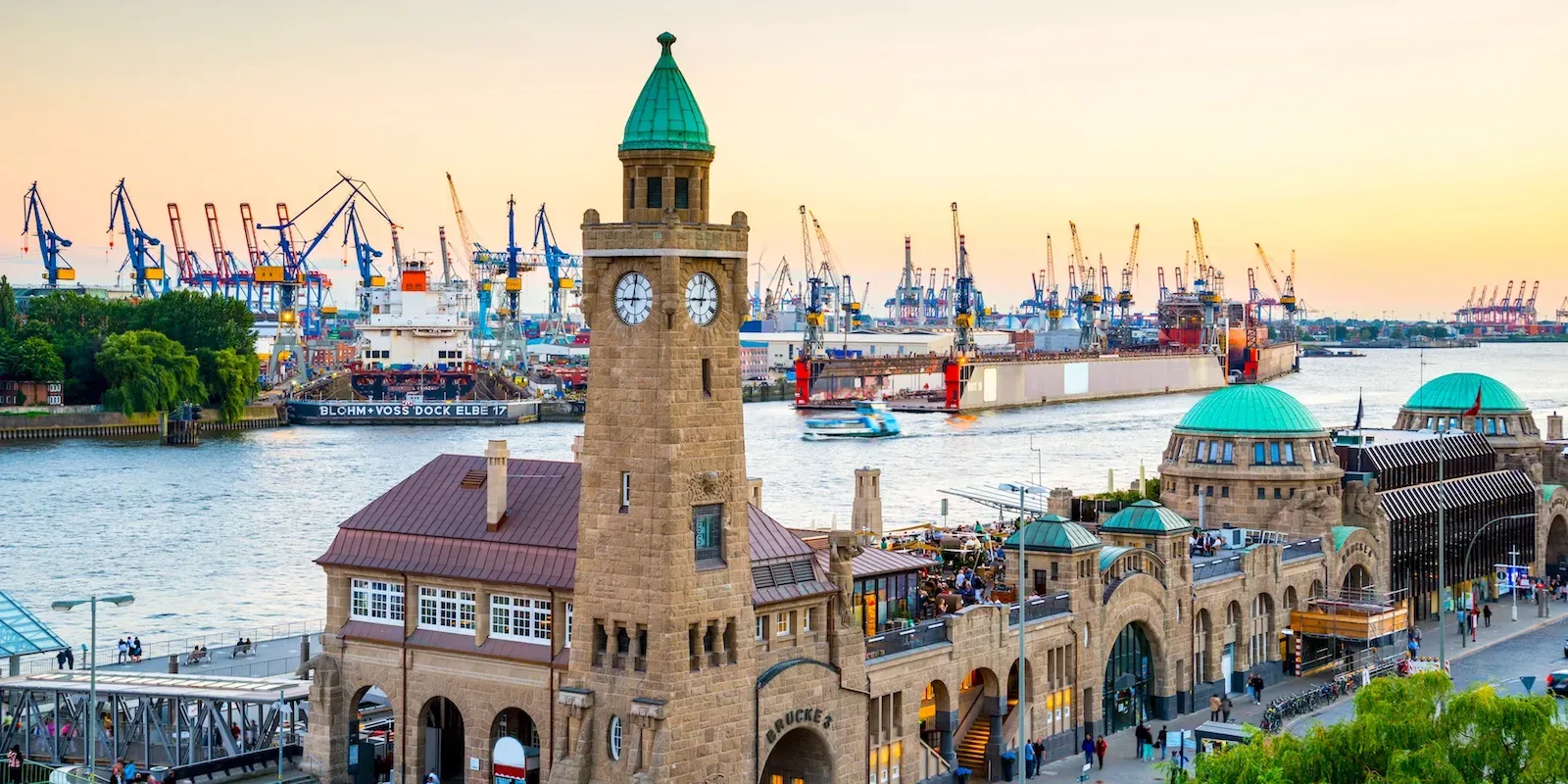
Hamburg in a day: what to see
Kiel: sails and fjords on the German Baltic
South African Airways: From Financial Crisis to the Return Under State Control

Eduardo Gomes International Airport: where to stay, areas and recommended hotels

Passenger rights: what to do if your flight is delayed