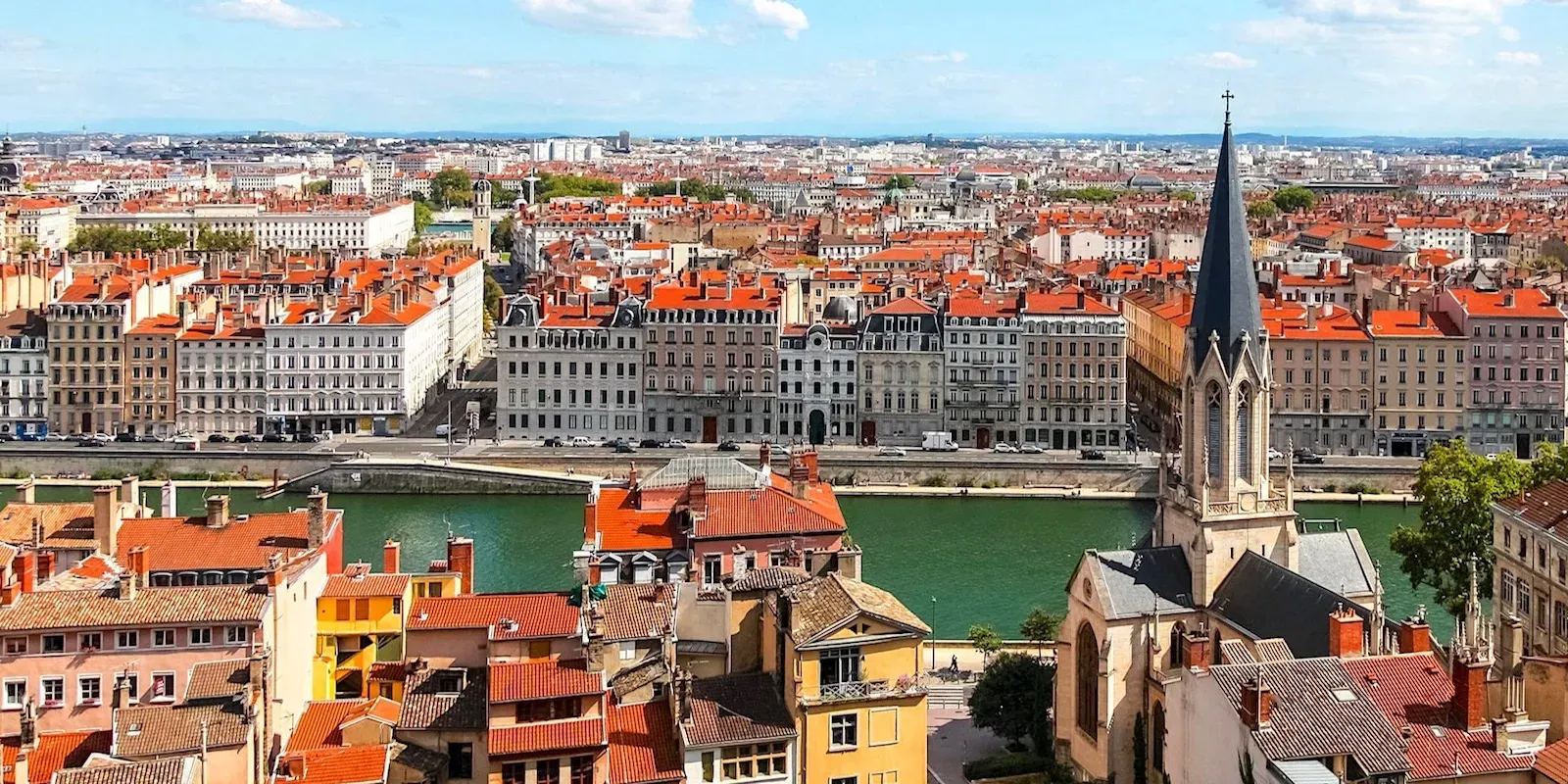
Lyon: France's gastronomic capital
Among Europe's oldest secret passages and bouchons where generations have eaten, Lyon is considered by many to be France's true gastronomic capital.
The historic center and Fourvière hill are explored on foot or by funicular; the metro connects distant neighborhoods.
In Old Lyon, one of Europe's most extensive Renaissance districts, hide the traboules: covered passages between buildings, once used by silk workers to transport fabrics sheltered from the rain.
Taking the funicular up you reach the Basilica of Notre-Dame de Fourvière, built in the late nineteenth century on the hill overlooking the entire city.
Next to the basilica, the remains of the Roman theater of ancient Lugdunum recall Lyon's role as capital of Gaul in the imperial period.
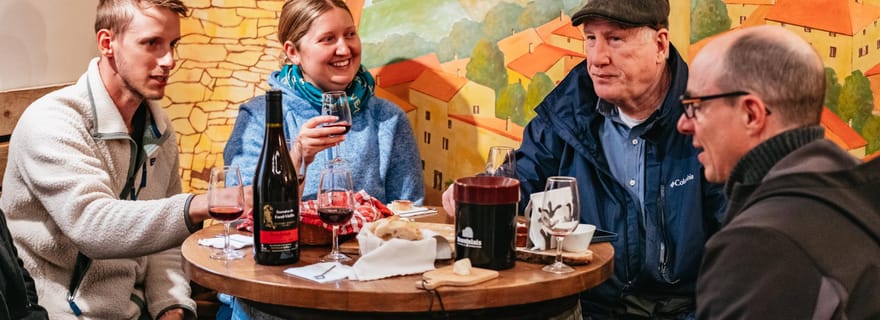
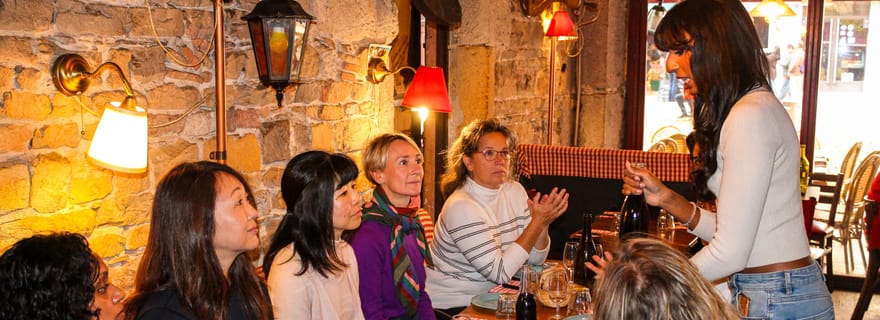
Toward evening, a bouchon in the center serves quenelles and local cold cuts, according to a gastronomic tradition that made the Lyon chef Paul Bocuse famous throughout the world.
The traboules, also used by French Resistance fighters during Nazi occupation to evade checkpoints, remain largely private today but some are open to the public during the day.
The covered market named after Paul Bocuse brings together dozens of historic cheese, charcuterie, and pastry producers under one roof, a regular destination for the city's chefs even before tourists.
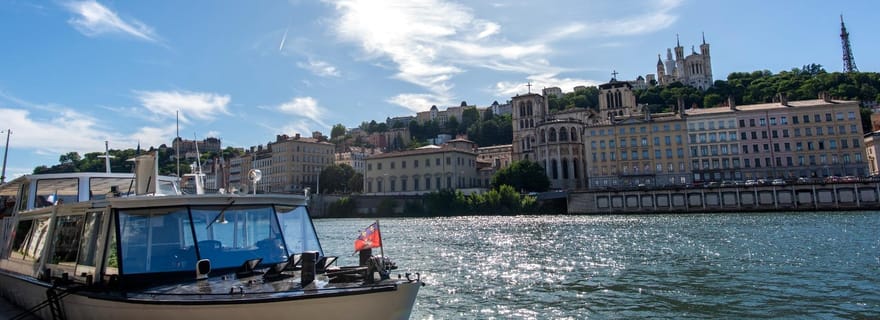
Guided tours and experiences in Lyon
Related articles

You might also like...
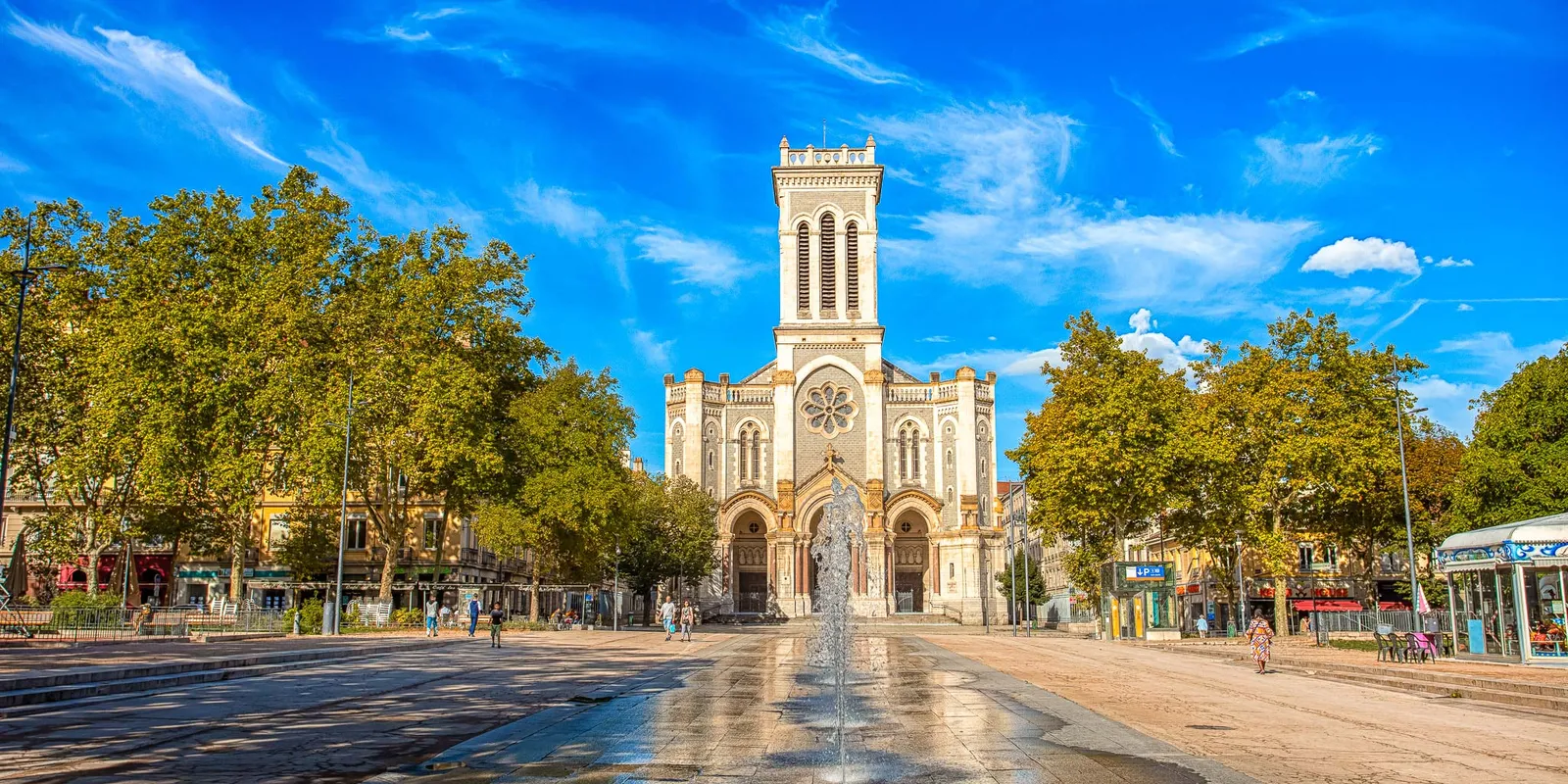
Saint-Étienne: from coal to industrial design
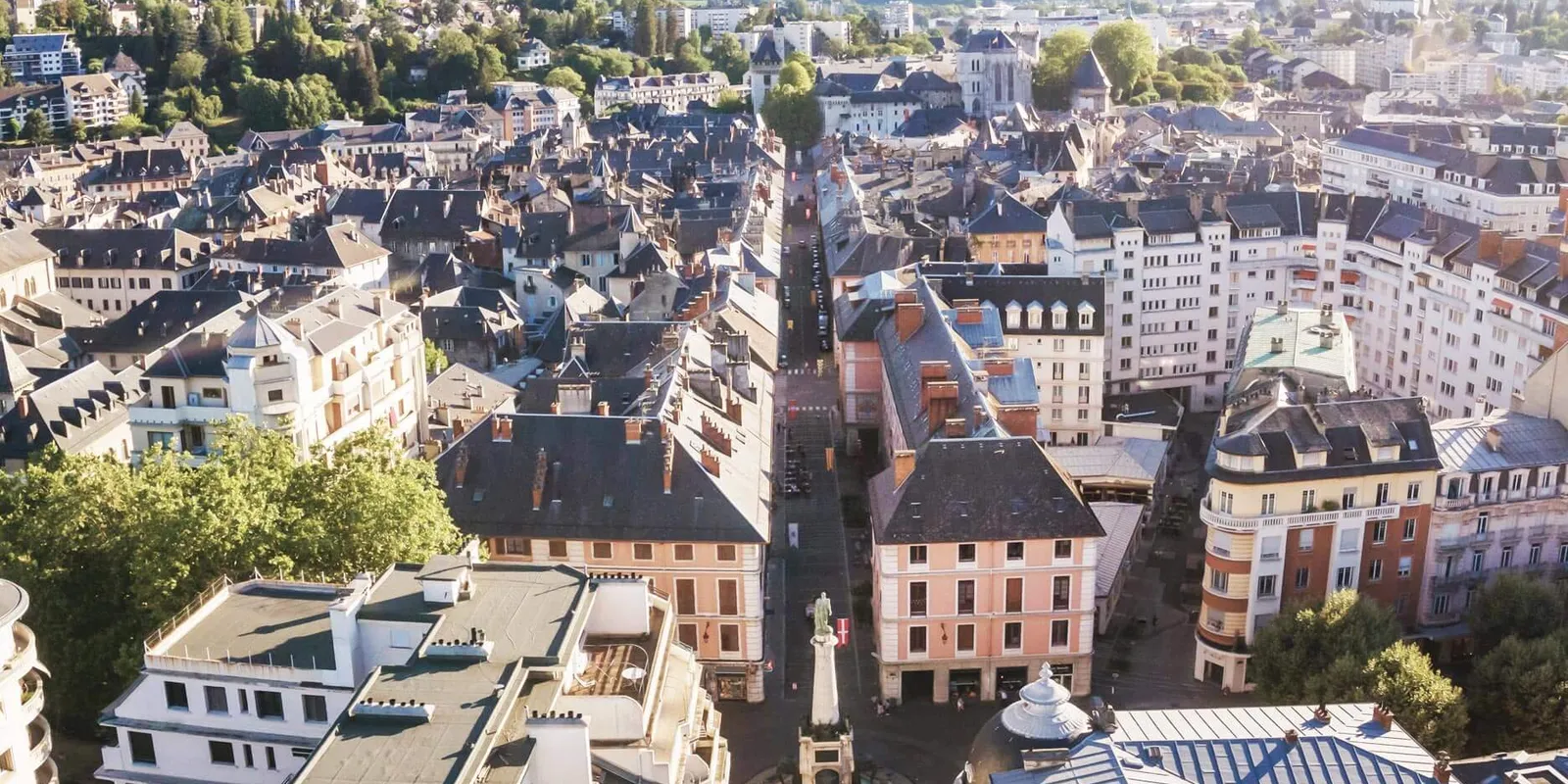
Chambéry: the elephants that never saw India

Tocumen International Airport: where to stay, areas and recommended hotels

Uyuni Airport: where to stay, areas and recommended hotels

Volaris: How Mexican Low-Cost Flying Works, from the V.Club Subscription to Base Fares