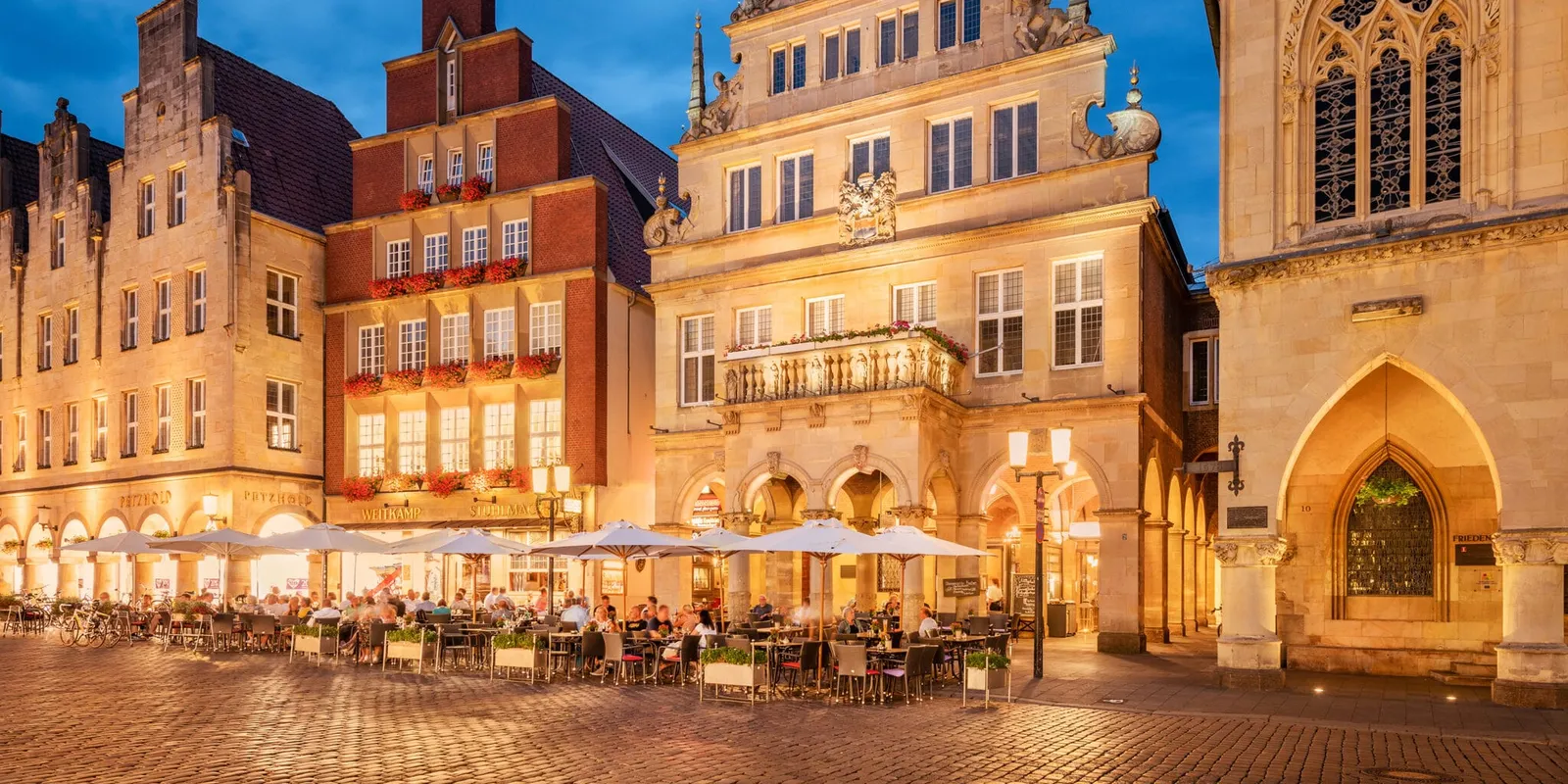

Münster: the peace that ended the Thirty Years' War
In 1648, in Münster's town hall, the peace that ended the devastating Thirty Years' War was signed, redesigning the entire political balance of Europe.
The center, among Germany's most bike-friendly cities, is comfortably explored on foot or bicycle.
The Peace Hall in the historic town hall of Münster preserves the original furnishings of the room where the Peace of Westphalia was signed in 1648.
A few steps away, the Cathedral of Saint Paul houses an astronomical clock from the sixteenth century still functioning, which calculates lunar phases and the dates of movable feasts.
Continuing, one walks along the Prinzipalmarkt, a porticoed street with stepped houses rebuilt after wartime destruction according to the original medieval designs.
Toward evening, the canals surrounding the historic center, traversable by bicycle thanks to Germany's most extensive cycling network, close the day in a vibrant university atmosphere.
The Peace of Westphalia in 1648, negotiated simultaneously in Münster and the nearby town of Osnabrück, is considered the founding act of the modern system of sovereign European states.
Münster is often called Germany's bicycle capital, with more bicycles than residents and cycling infrastructure among the most developed in the entire country.
Guided tours and experiences in Münster

Related articles
You might also like...
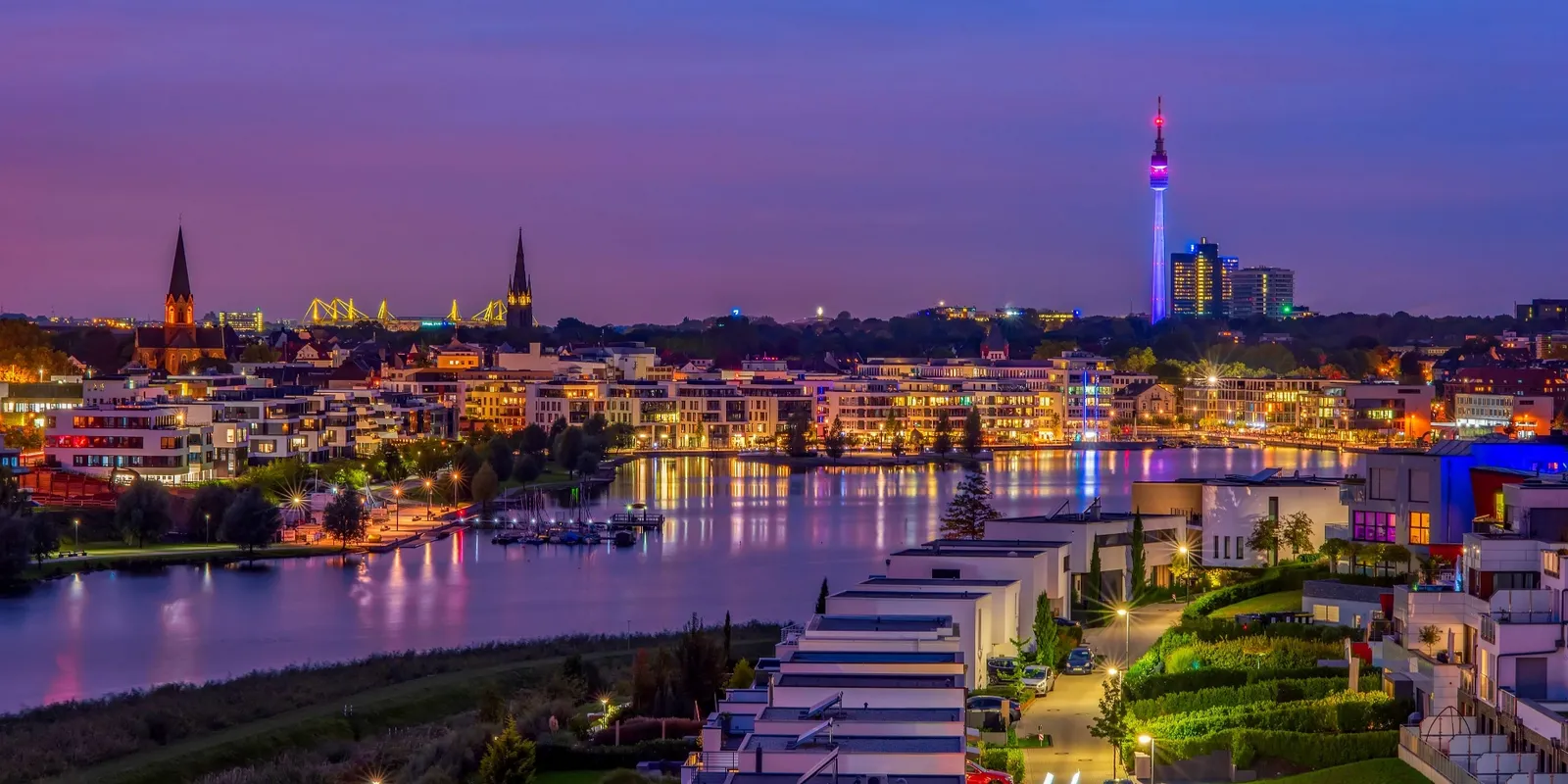
Dortmund: from coal to football
Paderborn: where Charlemagne met the Pope

Aeroflot in 2026: How Its Fleet and Routes Have Changed After International Sanctions

Poprad-Tatry Airport: where to stay, areas and recommended hotels

How to sleep better during a flight
