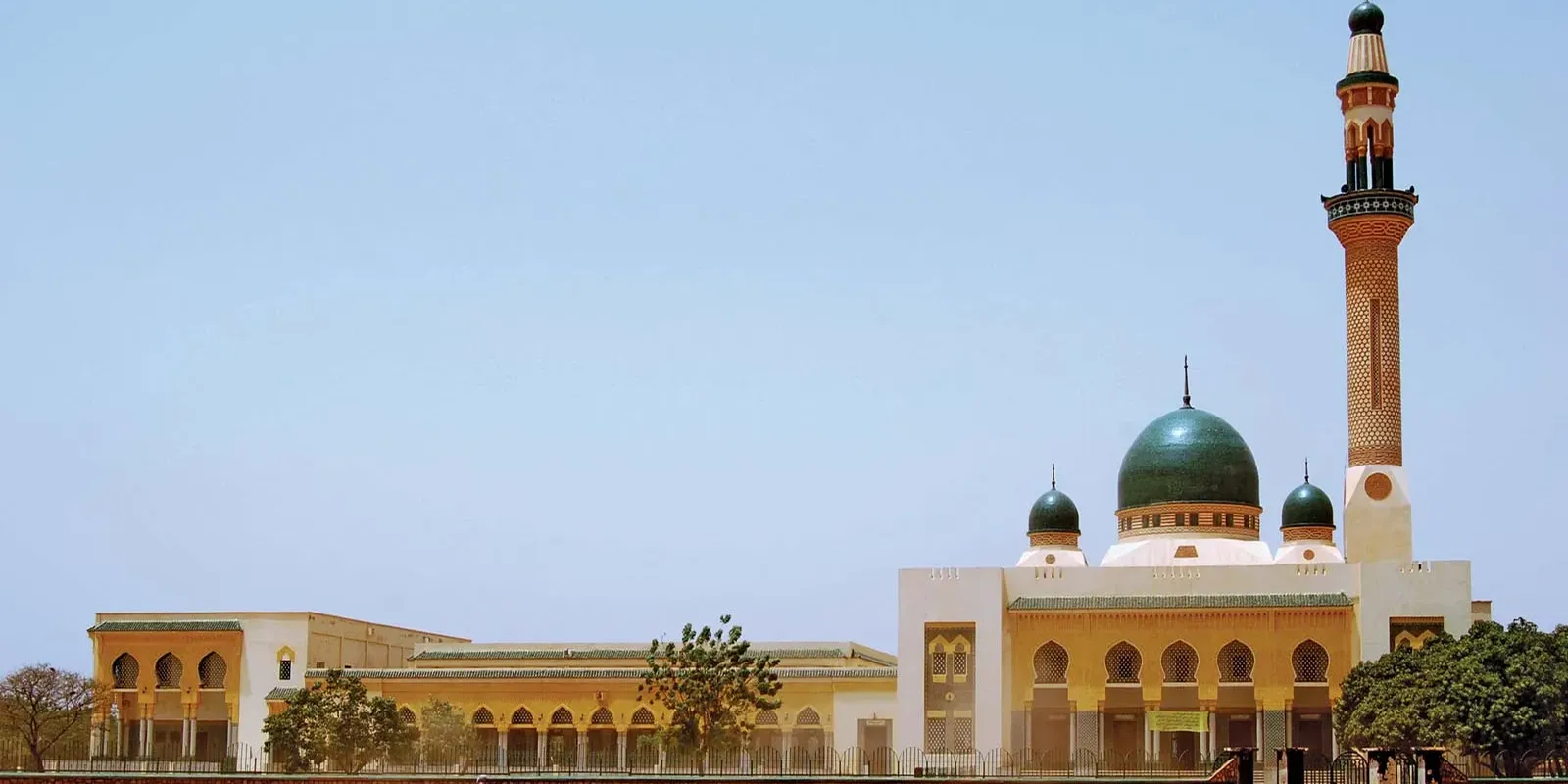

Niamey: the gateway to the Niger River in the Sahel
Capital of Niger on the banks of the river of the same name, Niamey remains a cultural crossroads between the Sahel and the desert traditions of the Tuareg.
The center, gateway to the Niger River in the Sahel, is visited comfortably by shared taxi.
The National Museum of Niger, an open-air complex including a zoo and reconstructed traditional villages, tells of the traditions of the country's diverse ethnicities, from Tuareg to Hausa peoples.
Just steps away, the Grand Mosque of Niamey, donated by Libya in the 1970s, remains one of the most imposing religious buildings in the capital.
Following the Niger River you observe traditional fishermen on wooden pirogues, a symbolic image of daily riverine life in the capital.
In the evening, Niamey markets animate trade in Tuareg craftsmanship, including silver jewelry and hand-worked leather.
The Niger River, Africa's third longest, remains Niamey's principal source of livelihood, providing water for agriculture in a country otherwise predominantly desert and subject to recurring periods of severe drought.
The Tuareg, a nomadic Saharan people, maintain a significant cultural presence in Niamey, bringing to the city craftsmanship and traditions handed down from generations of trans-Saharan caravan traders.
Related articles

You might also like...
Sokoto: the seat of Africa's largest Islamic caliphate
Ouagadougou: Africa's capital of cinema

Cataratas del Iguazú International Airport: where to stay, areas and recommended hotels

How to organize a stress-free departure

Lost luggage: how to file a claim in 3 steps
