Tarragona: Rome on the Iberian coast
Capital of the Roman province of Tarraconensis, Tarragona preserves overlooking the sea one of Spain's best-conserved Roman archaeological complexes.
The historic center and walls can be explored comfortably on foot.
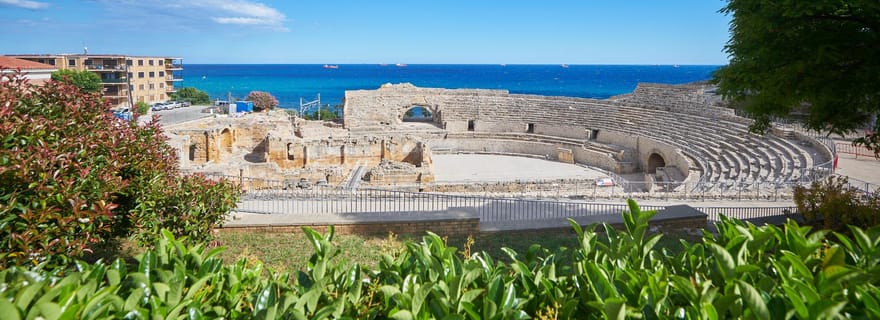
Directly overlooking the Mediterranean, the Roman Amphitheater from the second century hosted bullfights and later, in the late antique period, a Visigothic church built inside it.
Climbing back toward the center, one walks along the Archeological Promenade, a stretch of ancient city walls among the oldest Roman fortifications outside Italy, built as early as the second century B.C. on cyclopean foundations of giant stones, even older.
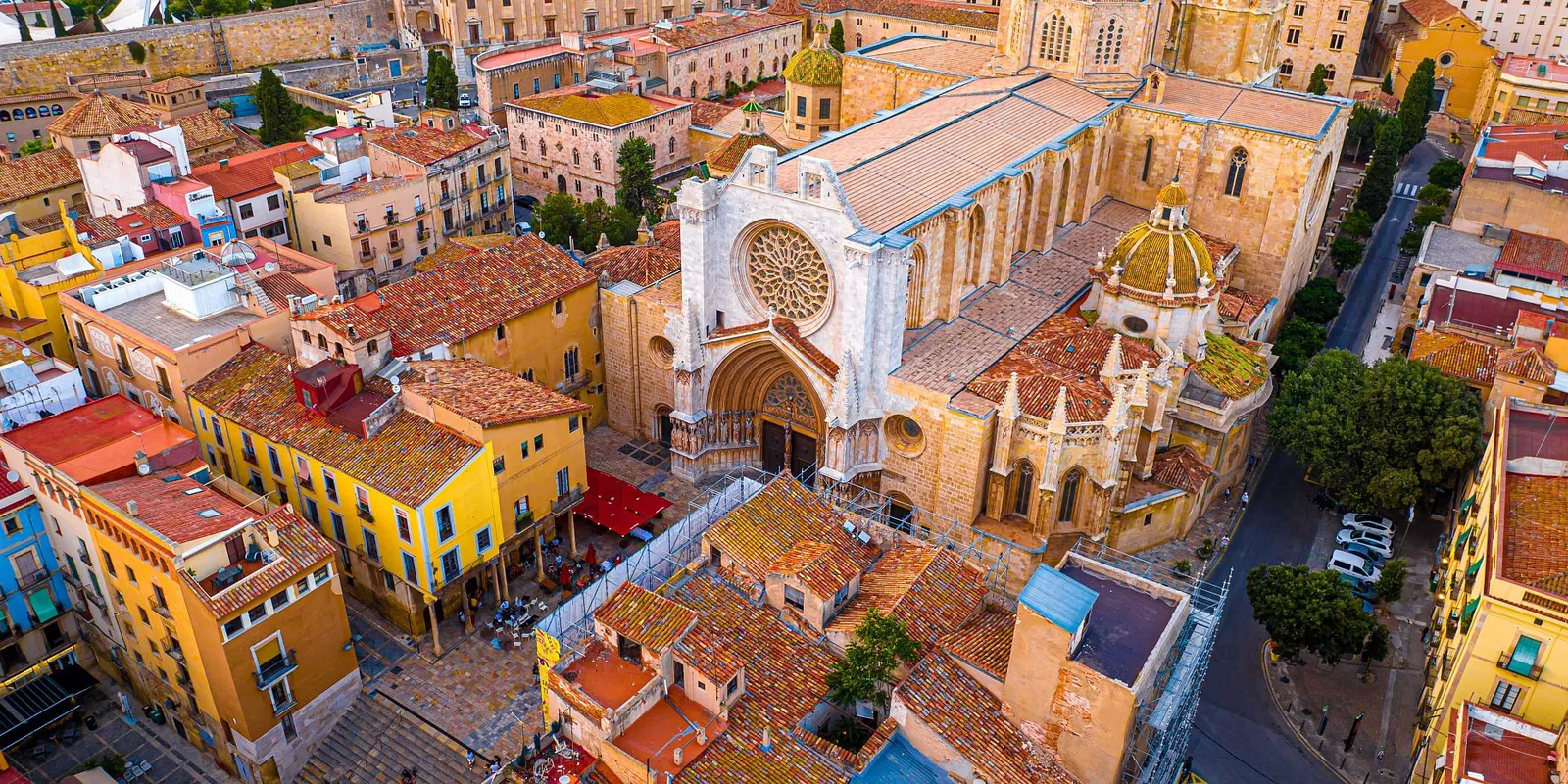
Continuing, one reaches the Cathedral of Tarragona, built over a temple dedicated to Augustus, then a Visigothic church and later a mosque, before becoming the current Romanesque-Gothic building.
In the late afternoon, the remains of the Roman Circus, where chariot races were run, reemerge among the basements and underground passages of modern buildings built above them.
The cathedral's layering—Roman temple, Visigothic church, mosque, Christian church—alone summarizes nearly two thousand years of power shifts on the same hilltop.
Walking along the Roman Circus today often means stepping into an underground parking garage or a cellar of some ordinary building: in Tarragona, archaeology coexists literally with daily life.
Guided tours and experiences in Tarragona
Related articles

You might also like...
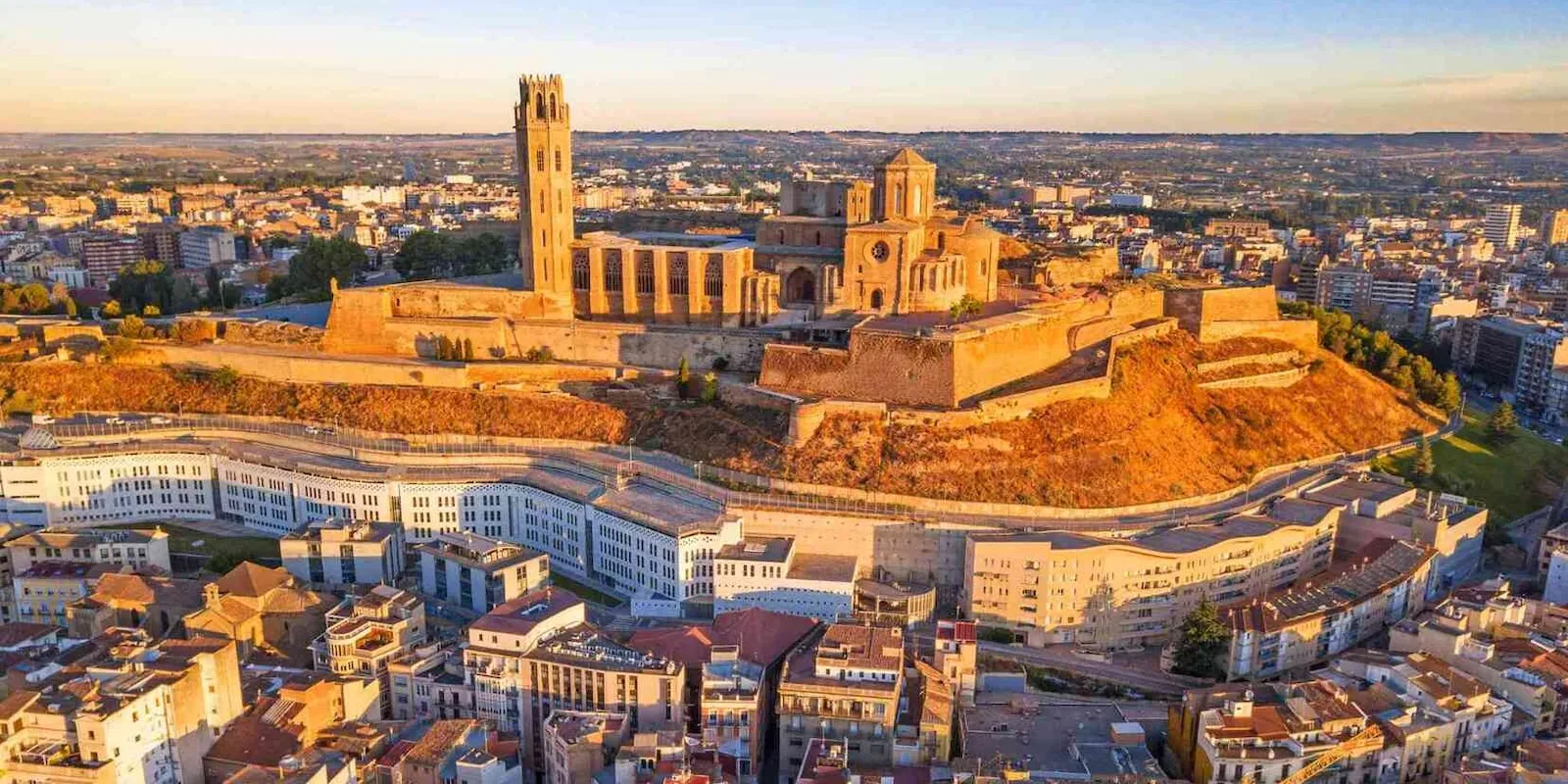
Lleida: the old cathedral suspended over inland Catalonia
24 hours in Barcelona: what to see

What's new at airports: what's changing for travelers

Check-in for international flights: what to know beforehand

Tianjin Binhai International Airport: where to stay, areas and recommended hotels