Valladolid: Spain's model square
Spain's capital for a brief period under Philip III, Valladolid preserves a historic center that has served as a model for city planning in Spain and Latin America.
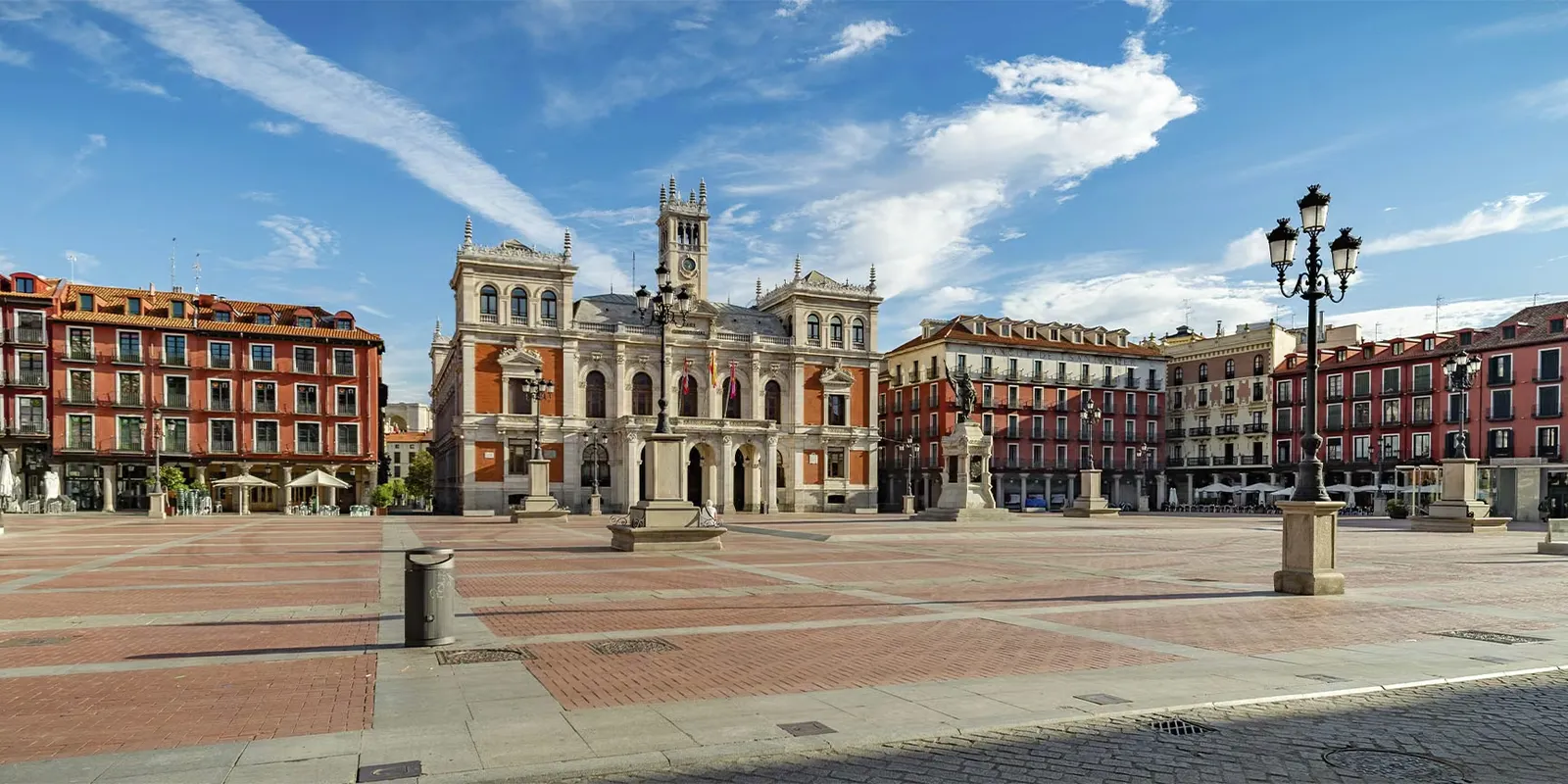
The Plaza Mayor, Spain's first porticoed plaza, is the heart of a center easily explored on foot in a day.
Rebuilt after a fire in 1561, Valladolid's Plaza Mayor, with its regular porticos on a rectangular plan, became the model followed by dozens of other main squares in Spain and the Americas.
A few steps away, Valladolid's Cathedral, designed by Juan de Herrera, the same architect of the Escorial, was never completed according to the original design.
Continuing you reach the College of San Gregorio, a masterpiece of Plateresque Gothic façade that houses the National Museum of Sculpture, specialized in polychrome wooden sculptures.
Toward evening, the House of Cervantes, where the writer lived between 1603 and 1606 completing the first part of Don Quixote, closes the day among period furnishings.
The incomplete façade of the Cathedral, lacking one of the two towers planned by Herrera, remains today one of the few great Renaissance projects in Spain never completed as designed.
Cervantes lived in Valladolid precisely during the years when the city was briefly the capital of the kingdom, before the court returned to Madrid in 1606, abruptly diminishing the city's role.
Related articles

You might also like...
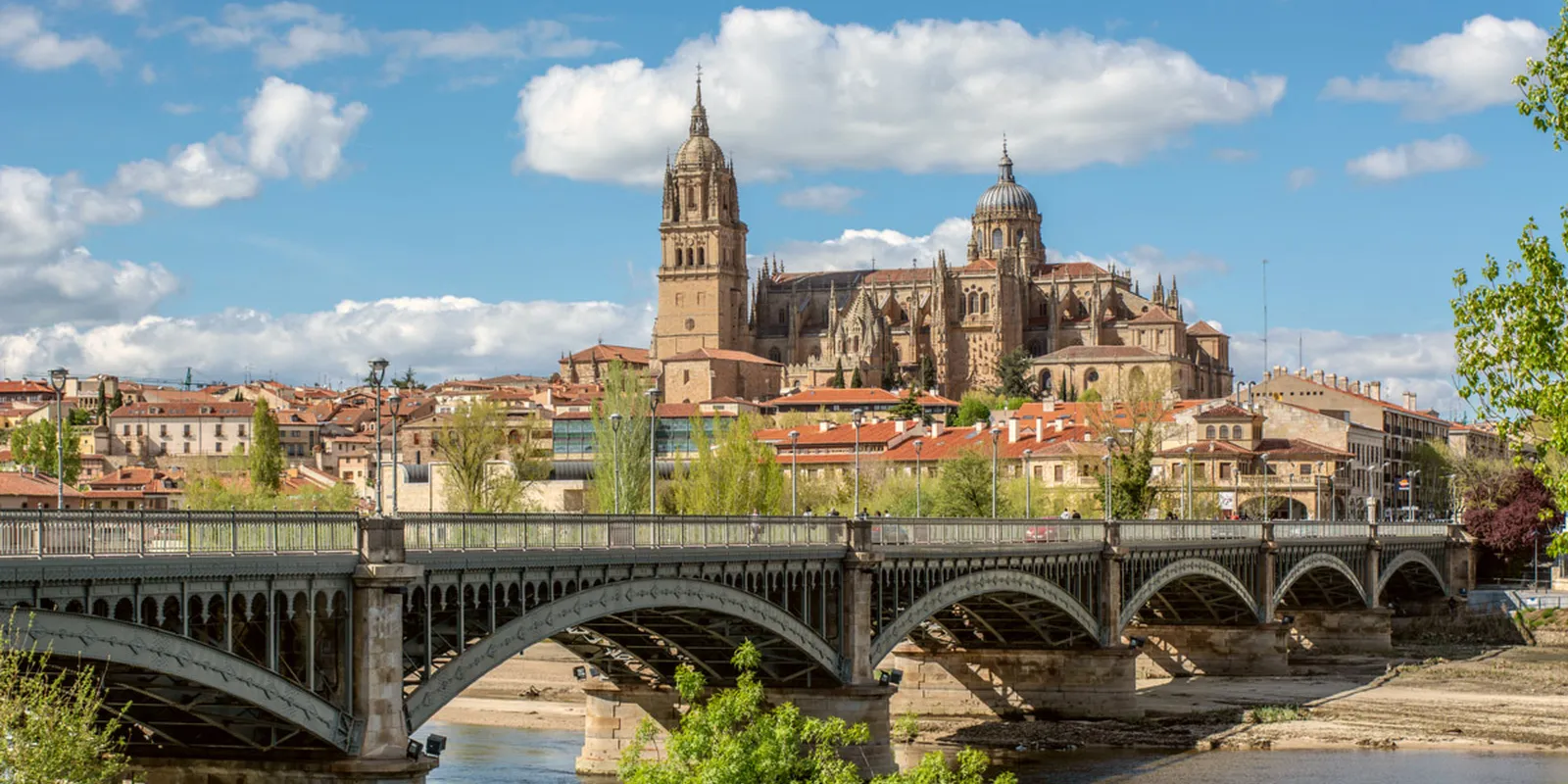
Salamanca: the frog hidden at Spain's oldest university
Madrid: what to see in 1 day

Quimper-Cornouaille Airport: where to stay, areas and recommended hotels

Singapore Airlines: Why It Remains the Skytrax 5-Star Benchmark, from Fleet to Service

Athens airport lounges: how to choose between Hall A and B
