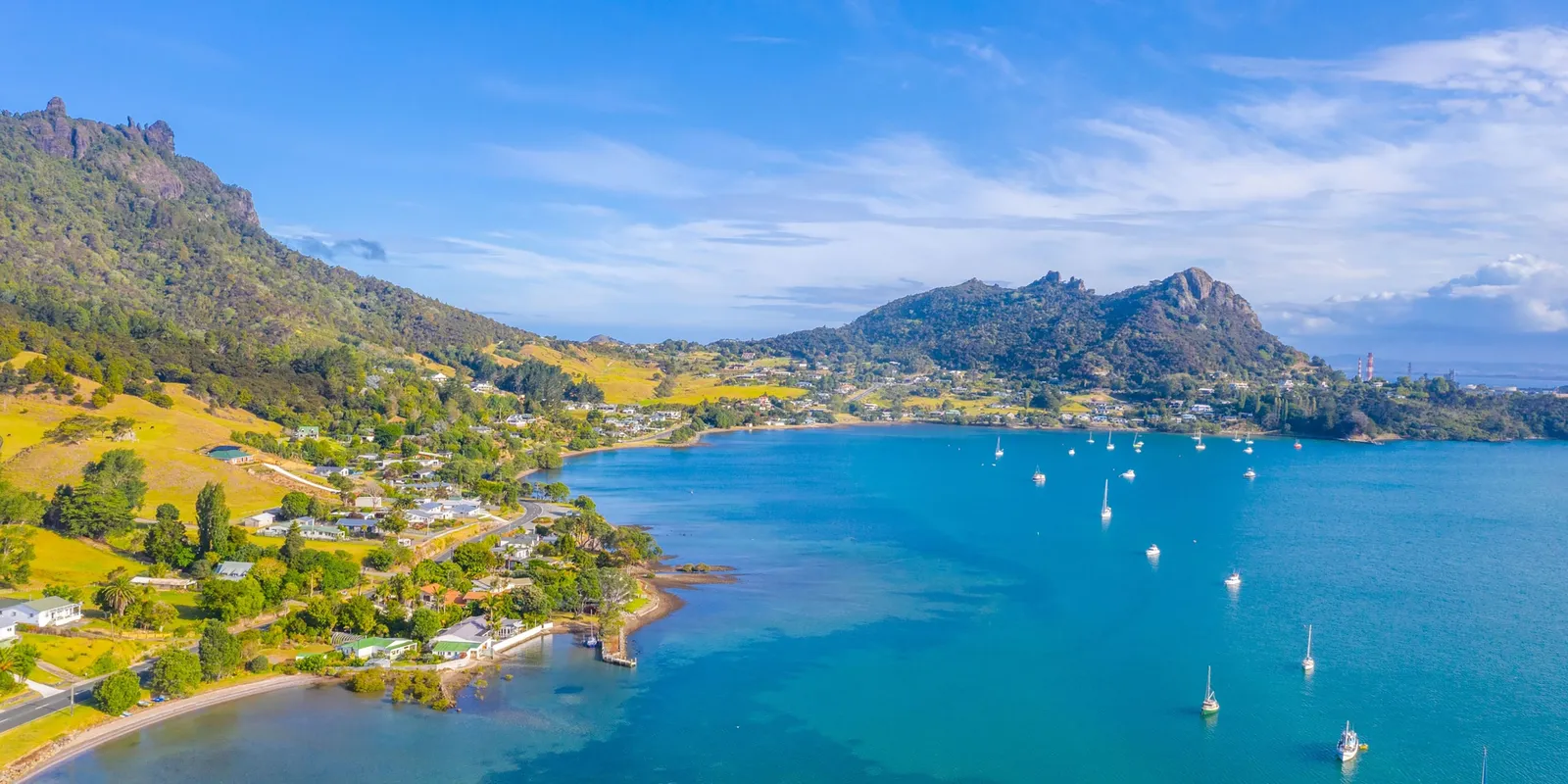

Whangarei: the gateway to New Zealand's Bay of Islands
At New Zealand's far north, Whangarei remains the departure point for the famous Bay of Islands, with over one hundred forty uninhabited islets.
A car remains essential to explore the region.
The Whangarei Falls, plunging from a volcanic basalt formation, remain among New Zealands most photographed urban waterfalls.
Minutes away, the port of Whangarei, with its Town Basin quarter, animates restaurants and bars facing the moored sailing boats.
Heading north one reaches the Bay of Islands, an archipelago of over one hundred forty islets where the foundational treaty of modern New Zealand was signed in 1840.
As evening falls, Mount Parihaka, which dominates Whangarei, offers a panoramic vantage point over the city and surrounding coast.
The Treaty of Waitangi, signed in 1840 in the Bay of Islands between the British Crown and Maori chiefs, remains the founding document of modern New Zealand, celebrated each year as a national holiday.
Whangarei Falls, twenty-six meters high, were formed by erosion of an ancient volcanic lava flow, creating a columnar basalt wall still visible behind the waterfall during walks along the trail.
Related articles

You might also like...
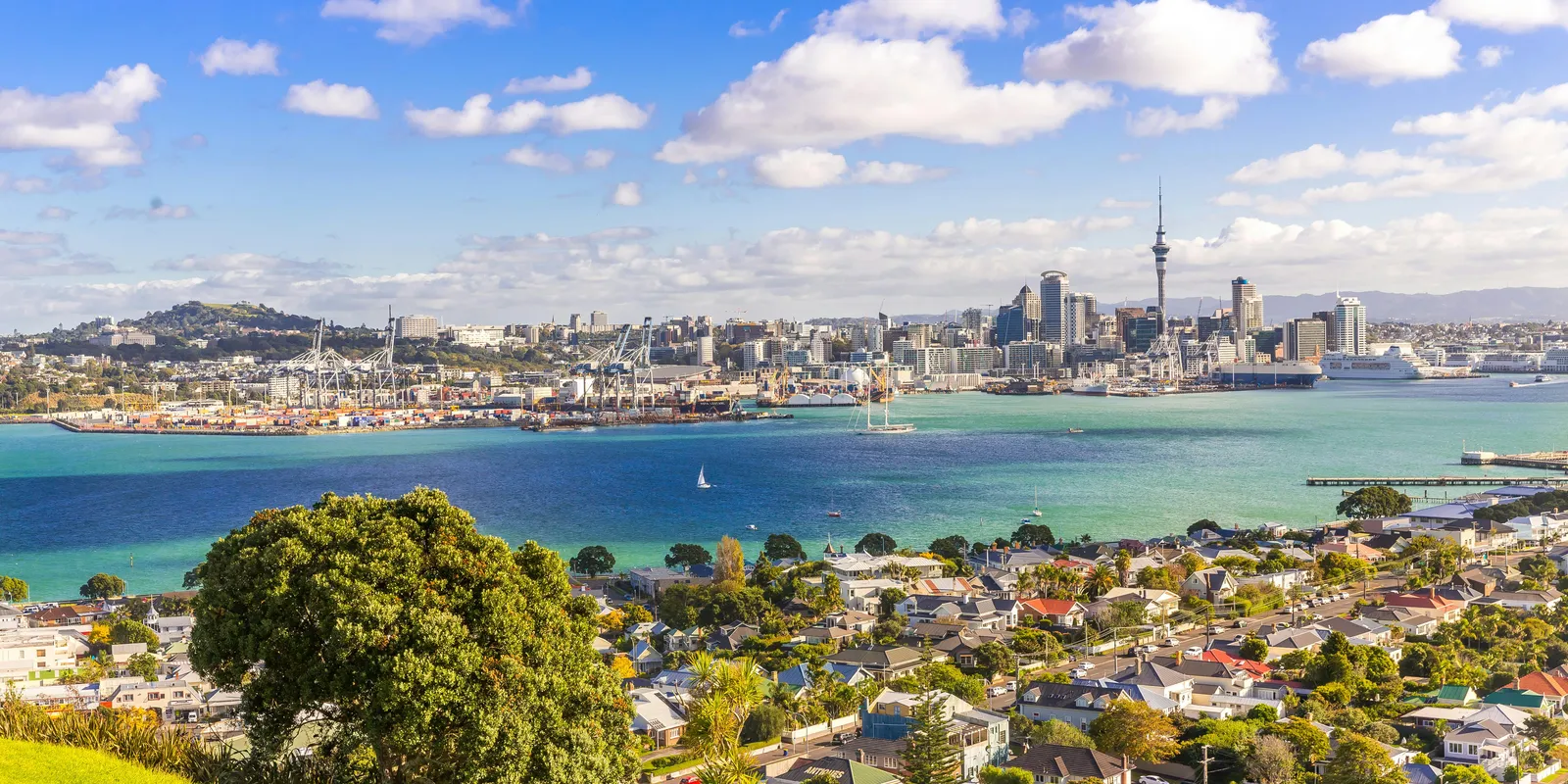
24 hours in Auckland: what to see
Wellington: what to see in 1 day

Eindhoven Airport: where to stay, areas and recommended hotels
Royal Jordanian: The Flag Carrier Born From a Royal Decree

Caen-Carpiquet Airport: where to stay, areas and recommended hotels