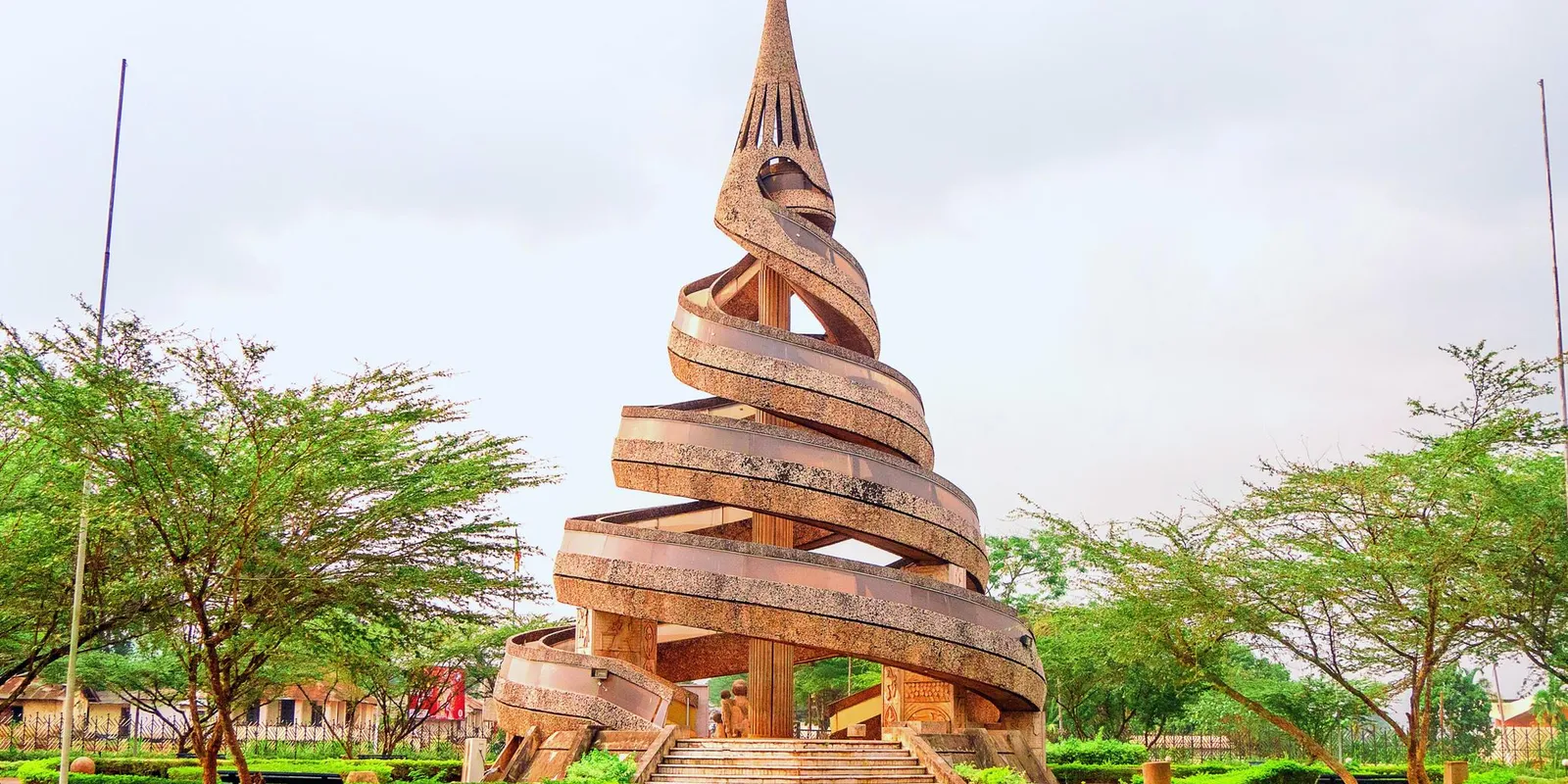
Yaoundé: the seven hills of Cameroon's capital
Built on seven hills in the interior of Cameroon, Yaoundé remains the political and administrative capital of the country, greener and more mountainous than Douala.
The center, spread across the seven hills of the Cameroonian capital, often requires a taxi to connect the more distant districts.
The Basilica of Marie-Reine des Apôtres, built on one of the city's hills, offers a panoramic point over much of the capital.
A few steps away, the National Museum of Cameroon, housed in the former presidential palace, displays masks and remains from over two hundred fifty ethnic groups in the country.
Continuing towards the centre you visit the Central Market, where artisans sell wooden sculptures and traditional Cameroonian fabrics.
As evening approaches, the Bastos quarter, seat of foreign embassies, comes alive with international restaurants and fashionable venues.
Cameroon, with over two hundred fifty ethnic groups and just as many languages spoken, is often described as 'Africa in miniature' for the extraordinary variety of landscapes and cultures within its borders, from beaches to savannas to tropical rainforests.
Yaoundé, built on a plateau unlike the coastal Douala, enjoys a cooler climate year-round, a factor that favored the German colonial choice and later the French to develop it as an administrative center rather than as a commercial port.
Related articles

You might also like...
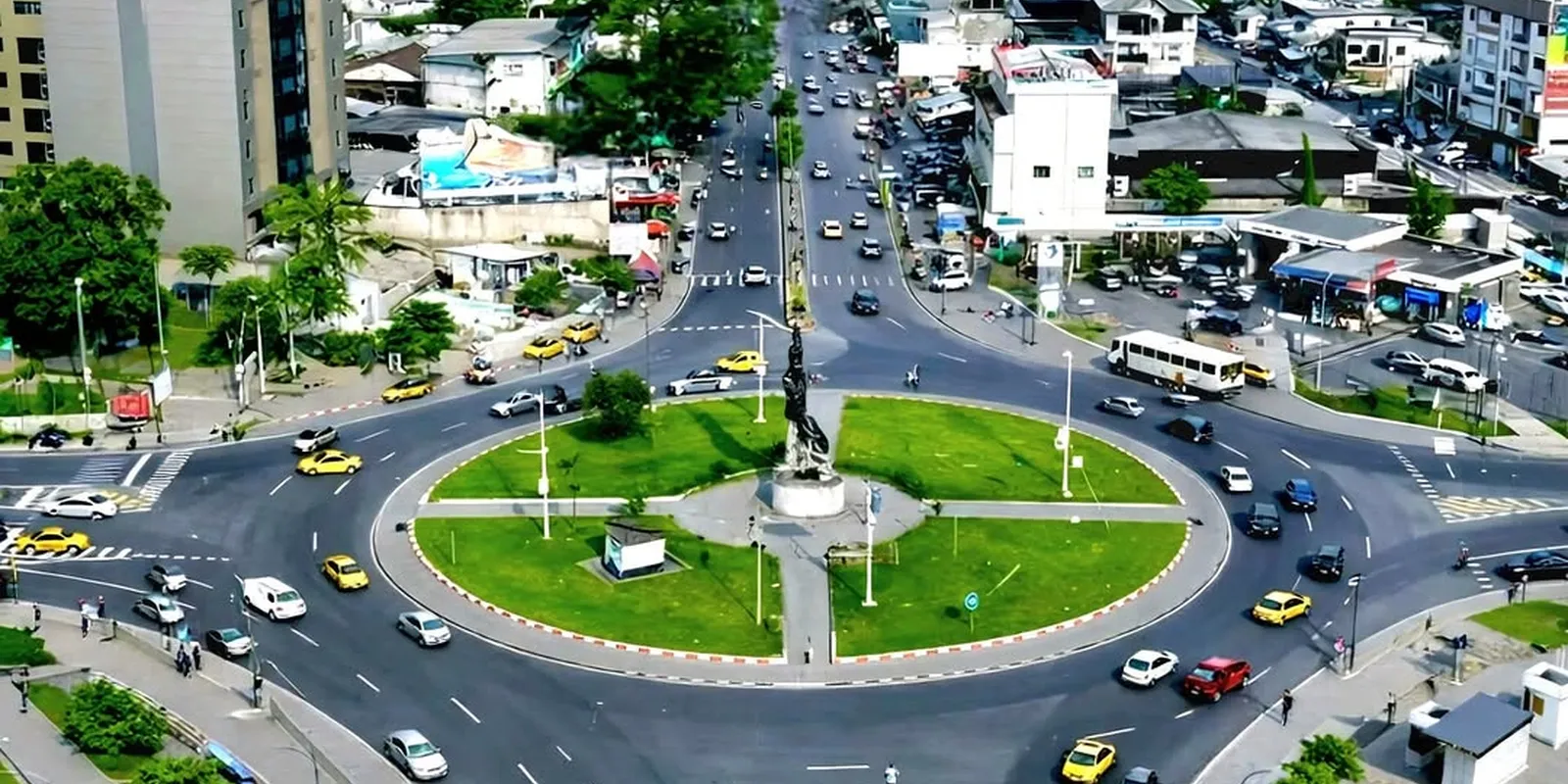
Douala: Cameroon's economic powerhouse
Malabo: the volcanic capital on the Gulf of Guinea

Nador International Airport: where to stay, areas and recommended hotels

Mistakes to avoid with carry-on luggage at the airport

Tautii Magheraus Airport: where to stay, areas and recommended hotels