Hydration and nutrition on board: feeling good above the clouds
The humidity in the cabin typically drops between 10% and 20%, a desert-like level that accelerates fluid loss through skin and breathing: drinking regularly and choosing light meals are the two most effective countermeasures to arrive at your destination without bloating or fatigue.
How much water to drink and how to organize yourself
Thirst is not a good indicator in flight, because dry air dehydrates before the urge becomes noticeable: a useful rhythm is one glass of water every hour of flight, without depending solely on in-flight service. A practical trick is to bring an empty water bottle on board and fill it at dispensers right after security checks, so you have a constant supply without having to repeatedly call the flight attendant.
What to eat (and what to avoid) on board
Light meals rich in fiber help digestion, which slows at altitude while intestinal gases expand due to lower cabin pressure, causing bloating. Excess salt retains fluids in the legs, while alcohol dehydrates and, with the lower blood oxygenation typical of cruise altitude, its effects are felt sooner and more intensely: two concrete reasons to limit it on a long flight.
Why food tastes more bland at altitude
It's not an impression: a 2010 study by the Fraunhofer Institute, commissioned by Lufthansa, measured that on board the perception of saltiness drops to 30% and that of sweetness by 15-20%, due to the combined effect of dry air and low pressure. It's also for this reason that meals served in flight often taste more seasoned than necessary on the ground.
Useful snacks to bring with you
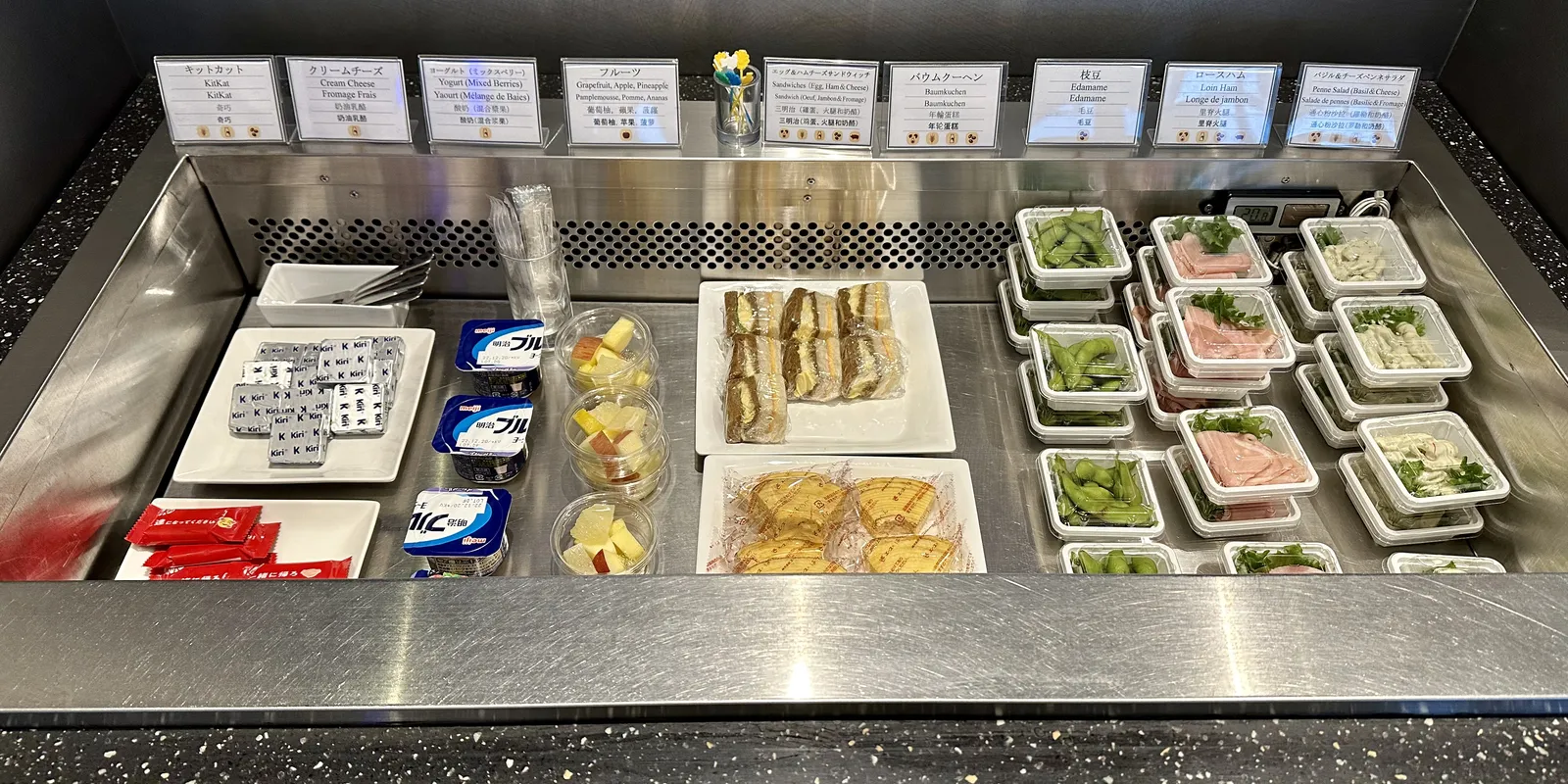
Dried fruit, fresh fruit and cereal bars help manage hunger spikes while keeping blood sugar stable, with less added salt and sugar than pre-packaged snacks distributed on board. Those who already suffer from jet lag may also find useful the specific remedies for jet lag, because good hydration alone is not enough to correct circadian rhythm misalignment.
The most effective gesture remains the simplest: bring an empty water bottle on board, fill it right after passing security and drink a glass of water every hour of flight, without waiting to feel thirsty.
You might also like...
What to do during a many-hour flight
Air Nostrum: The Regional Carrier Keeping Smaller Spain in the Air
Boutique Air: How the American Carrier of Pilatus PC-12s and Subsidized Essential Air Service Routes Works

Los Cabos International Airport: where to stay, areas and recommended hotels

Reggio Calabria Airport: where to stay, areas and recommended hotels