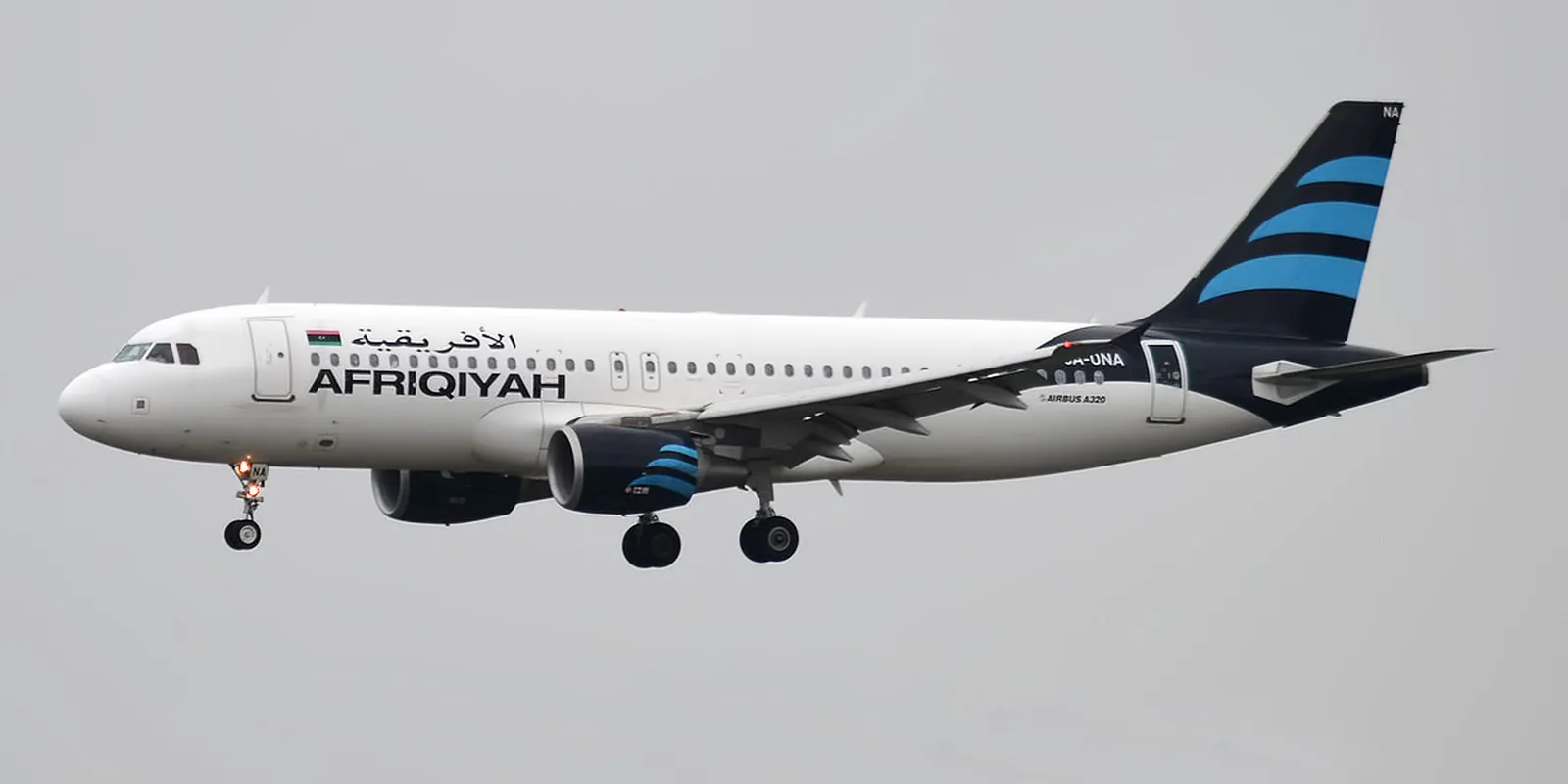
Afriqiyah Airways: What to Know Before Flying the Libyan Airline
Founded in 2001 as Libya's second flag carrier, Afriqiyah Airways was born with an ambition declared right in its name: to connect Africa (Afriqiyah, precisely) to the rest of the world through its Tripoli hub. The 2011 revolution and the years of instability that followed, however, wiped out much of the original fleet and network, and today the airline operates on a far smaller scale than its initial plans.
A slow rebirth after 2011
Before the civil war, Afriqiyah aimed to become a pan-African hub, with orders for several Airbus A350s, never delivered. The conflict destroyed or immobilized much of the fleet on the ground in Tripoli, forcing the carrier to rebuild almost from scratch in the following years, with progressive growth that is still far from the numbers of the mid-2000s.
The fleet today
The current fleet is made up mainly of Airbus A320s and A330s, for about twenty aircraft in total, counting the older aircraft being phased out. It is a small fleet by the standards of a carrier that calls itself intercontinental, and this limits the number of routes the airline can cover at the same time.
Where it really flies
The network is centered on Tripoli as its hub, with links to North African and Middle Eastern destinations (Cairo, Alexandria, Amman) and a few routes to sub-Saharan Africa such as N'Djamena. European links, when active, often go through Milan Malpensa or Lyon.
The EU operating ban issue
Afriqiyah still appears on the European Union air safety blacklist, in force for Libyan carriers since December 2014 because of shortcomings in the oversight of the national aviation authority, not because of a negative assessment specific to the individual airline. For this reason, flights to Europe are often operated through wet lease, that is, with the aircraft and crew of a third European carrier. Talks between Brussels and Tripoli during 2025 discussed a work plan to lift the ban, but no date has been confirmed.
Afriqiyah Airways remains a sensible choice mainly for those who need to reach Libya from North African or Middle Eastern destinations where alternatives are few. It is instead one to avoid if you are planning a direct flight from Europe without first checking how the route is operated: being subject to the EU ban, the same route can change aircraft and operating airline from one season to the next. Before booking, always check in the booking details whether the flight is flagged as operated under wet lease by a third-party carrier.
You might also like...

Trabzon International Airport: where to stay, areas and recommended hotels

Östersund Airport: where to stay, areas and recommended hotels
Aeroitalia: The ITA Airways Lawsuit, the Growing Fleet and What to Expect On Board
ITA Airways in 2026: The New Fleet, the Move to Lufthansa and What Passengers Really Say

Don Mueang airport lounges: which one to pick between T1 and T2
