AirAsia: Fares, Fleet and What Passengers Really Say About the Asian Low-Cost Carrier
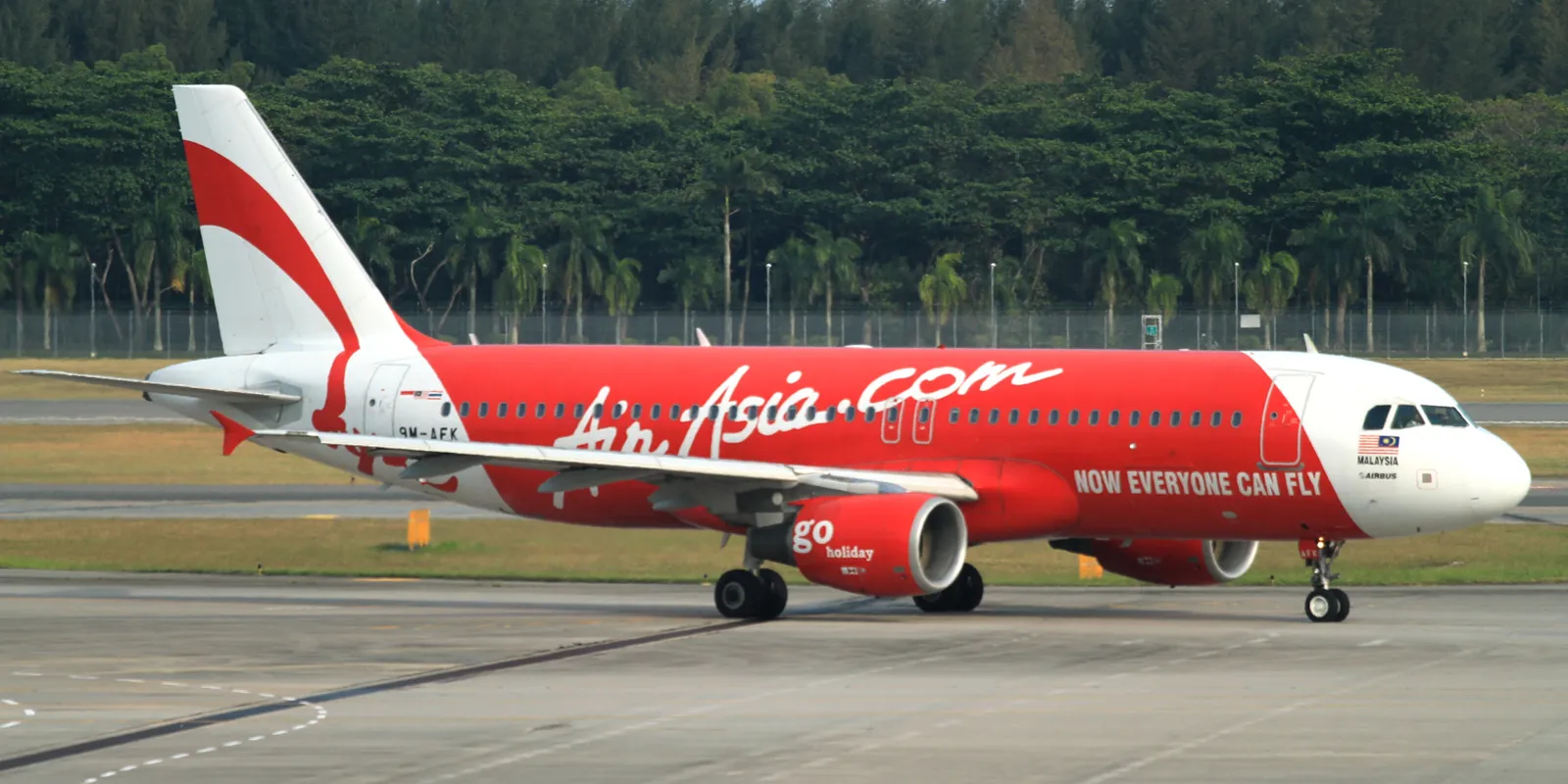
Founded in 1993 and relaunched in 2001 by Tony Fernandes with the slogan "Now Everyone Can Fly", AirAsia has become Southeast Asia's leading low-cost carrier. It operates from the Kuala Lumpur (KLIA2) hub with a network that crosses the whole of Southeast Asia and extends to China, India and Australia, alongside affiliated airlines with the AirAsia brand in Thailand, Indonesia, the Philippines and Cambodia.
The model: rapid growth, a single fleet type
AirAsia built its expansion on a simple choice: operating a single aircraft family, the Airbus A320 (including the new-generation neo versions) and the A321, to simplify maintenance, crew training and spare parts management. It is today one of the world's largest operators of this aircraft family.
A dense network across Southeast Asia
The network reaches dozens of destinations in Malaysia, Thailand, Indonesia, the Philippines, Vietnam and Cambodia, with extensions to Chinese, Indian and Australian cities on the highest-demand routes. The density of intra-regional links remains its main strength compared with the traditional carriers of the area.
Fares and baggage: the classic low-cost model
The base fare excludes checked baggage, seat selection and an in-flight meal, all of which can be bought separately; the BIG program rewards regular customers with points on flights and ancillary purchases. It is a model that makes the starting price very competitive but requires attention to the final total once the necessary extras are added.
What passengers really say
- Most often cited pluses: competitive starting prices, a wide choice of direct routes in Southeast Asia, and several Skytrax awards as best low-cost airline of the year over the years.
- Most often cited minuses: extra costs that add up quickly, schedule changes communicated at short notice, and customer service response times judged slow when making a complaint.
AirAsia is the most efficient choice for those who travel light in Southeast Asia and plan their trips with some margin, taking advantage of the density of direct routes. It is less suitable for those with bulky luggage or rigid travel plans, since the extras weigh on the budget and schedule changes are not uncommon. Practical tip: buy baggage and seat in advance directly on the website at the time of booking, because the same service consistently costs more if added later or at the airport.
You might also like...
People's Viennaline: The Tiny Austro-Swiss Airline and the Routes It Really Flies

Bahamasair: The ATR and Boeing Fleet of the Bahamas' Flag Carrier

Greater Rochester International Airport: where to stay, areas and recommended hotels

Oslo Gardermoen Airport: where to stay, areas and recommended hotels
What to do if your suitcase arrives damaged