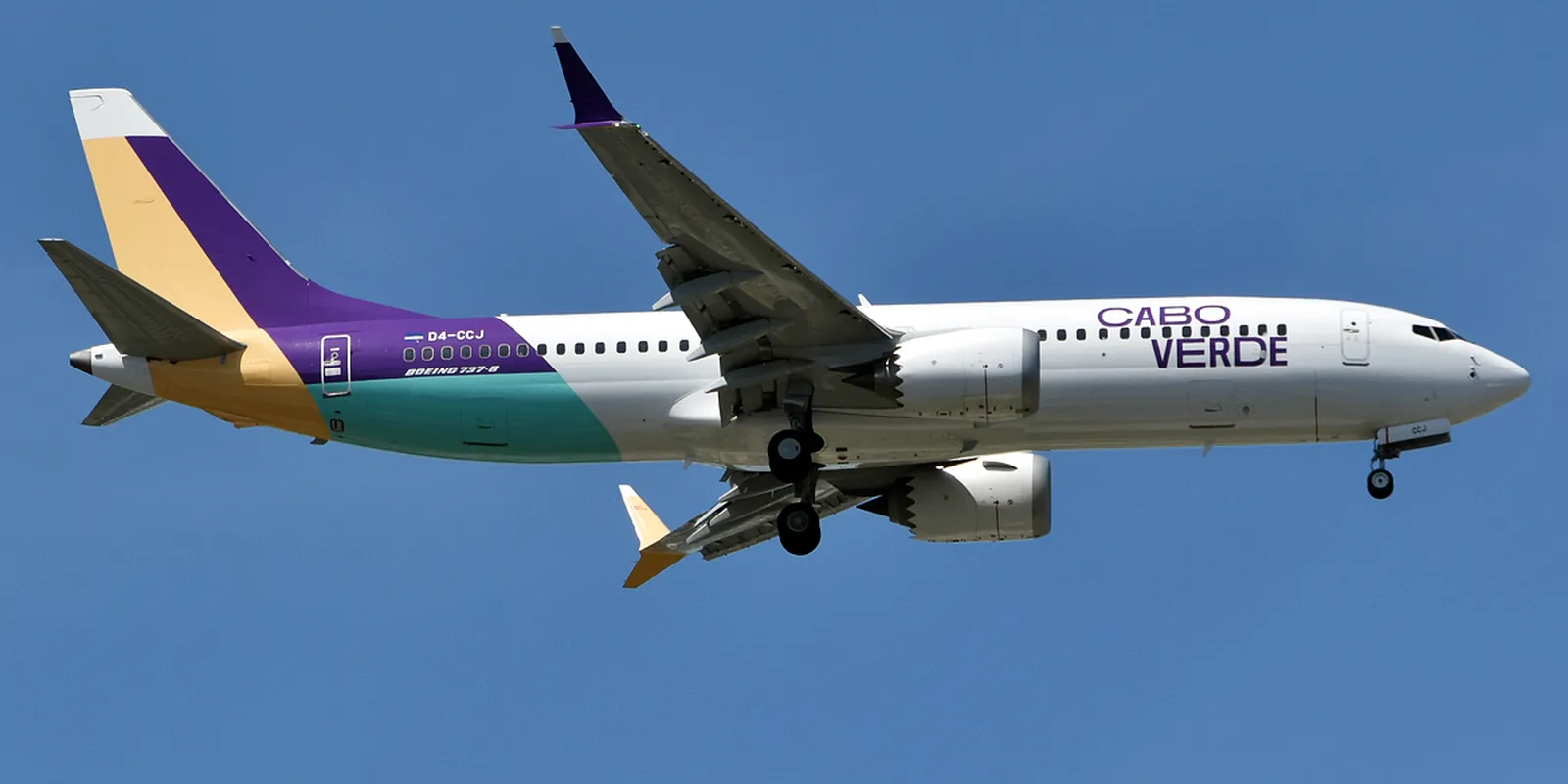
Cabo Verde Airlines: A Guide to Routes from the Sal Hub Between Europe, Africa and the Americas
Cabo Verde Airlines is the heir to the historic TACV, founded in 1958 and burdened for decades by chronic losses. In 2019 the state of Cape Verde, which remains the reference shareholder, entrusted operational management to a foreign partner, the Icelandic group Icelandair/Loftleidir, relaunching the brand with a precise ambition: to turn the archipelago into a transit point between Europe, Africa and the Americas, on the model of what Iceland has done in the North Atlantic.
History and positioning
TACV accompanied the history of Cape Verde from 1958, but with its books almost always in the red. The 2019 turning point was not just a change of name: operational management entrusted to Loftleidir Icelandic, part of the Icelandair group, brought expertise and leased aircraft to a country that on its own would not have the scale to support a substantial fleet of its own. The goal remains, explicitly, that of a connecting hub, using the archipelago's geographic position midway between three continents.
The fleet
The current fleet is centered on the Boeing 737 (737-700 and 737 MAX 8 versions), used both for regional African routes and for medium-haul links to Europe. In the past the airline also used leased Boeing 757s on the longest transatlantic routes, a chapter that has shrunk along with its ambitions in pure long-haul.
Routes and network
The hub is Sal, home to Amílcar Cabral International Airport, from which about nine destinations are served: connections to Europe (including Lisbon), West Africa (Dakar among others) and, above all, the northeastern United States, Boston and Providence most of all, where one of the largest communities of Cape Verdean origin in the world lives. This transatlantic route is no marginal detail: it is arguably the airline's signature line more than any other.
On board and service
The service is single-class full-service, with a meal included on the longer sectors: a choice consistent with a small fleet and non-daily frequencies, where it makes no sense to compete on the fare segmentation typical of low-cost carriers. Independent reviews in Italian or English remain scarce, a sign of an airline that is still a niche player outside its natural passenger base.
Cabo Verde Airlines makes the most sense if you belong to the Cape Verdean diaspora and want a direct flight between New England and Sal with no European stopovers, or if you are combining a beach stay on the archipelago with an African or European stop. It is not the right airline if you need a lot of flexibility or multiple daily frequencies: many routes, including the one to Boston, have only a few weekly frequencies. The practical tip is to book flights to the United States well in advance during holiday periods, when demand from the diaspora quickly fills the few seats available.
You might also like...

Lugano Airport: where to stay, areas and recommended hotels
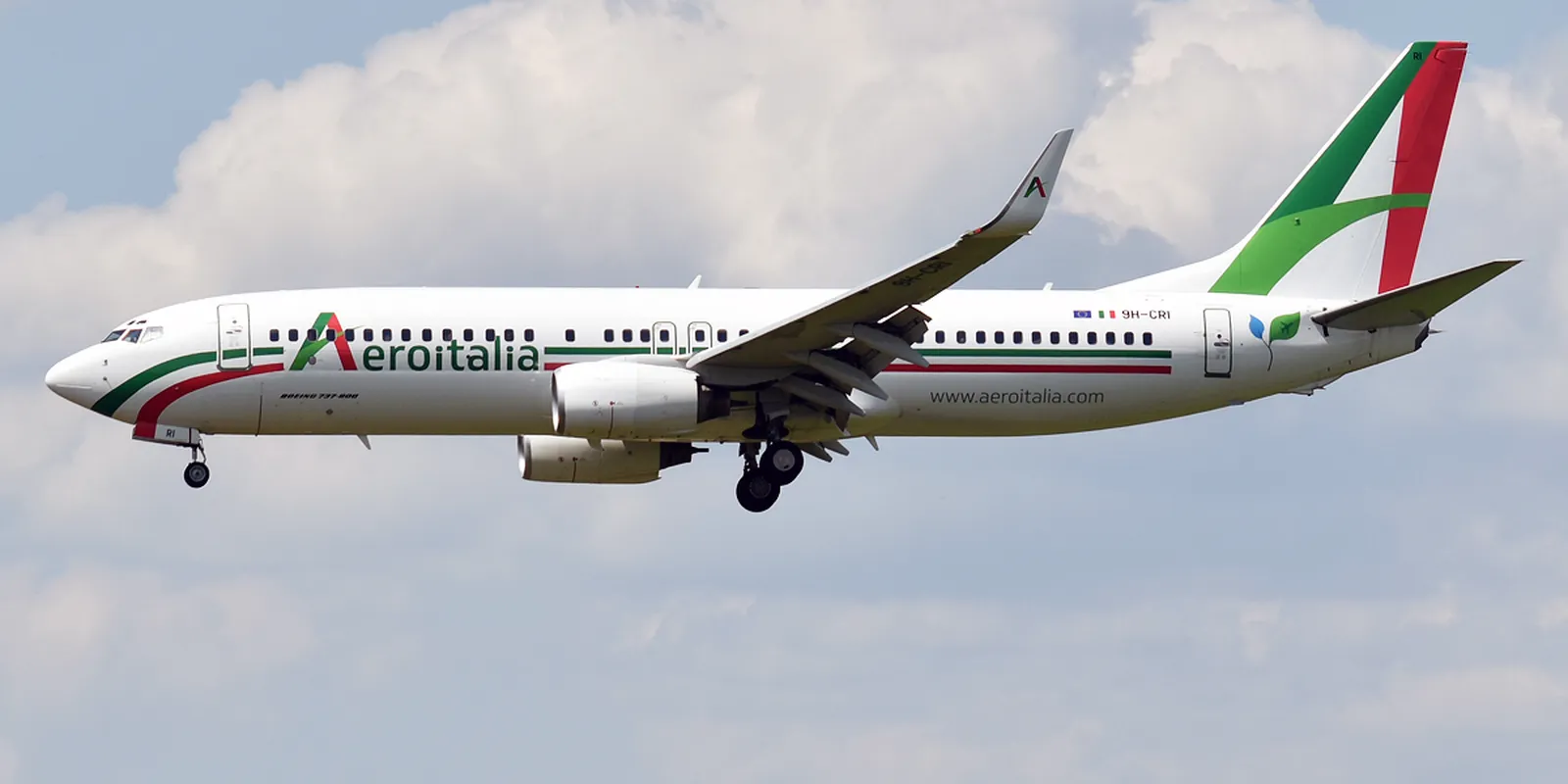
Aeroitalia: The ITA Airways Lawsuit, the Growing Fleet and What to Expect On Board

Parma Giuseppe Verdi Airport: where to stay, areas and recommended hotels
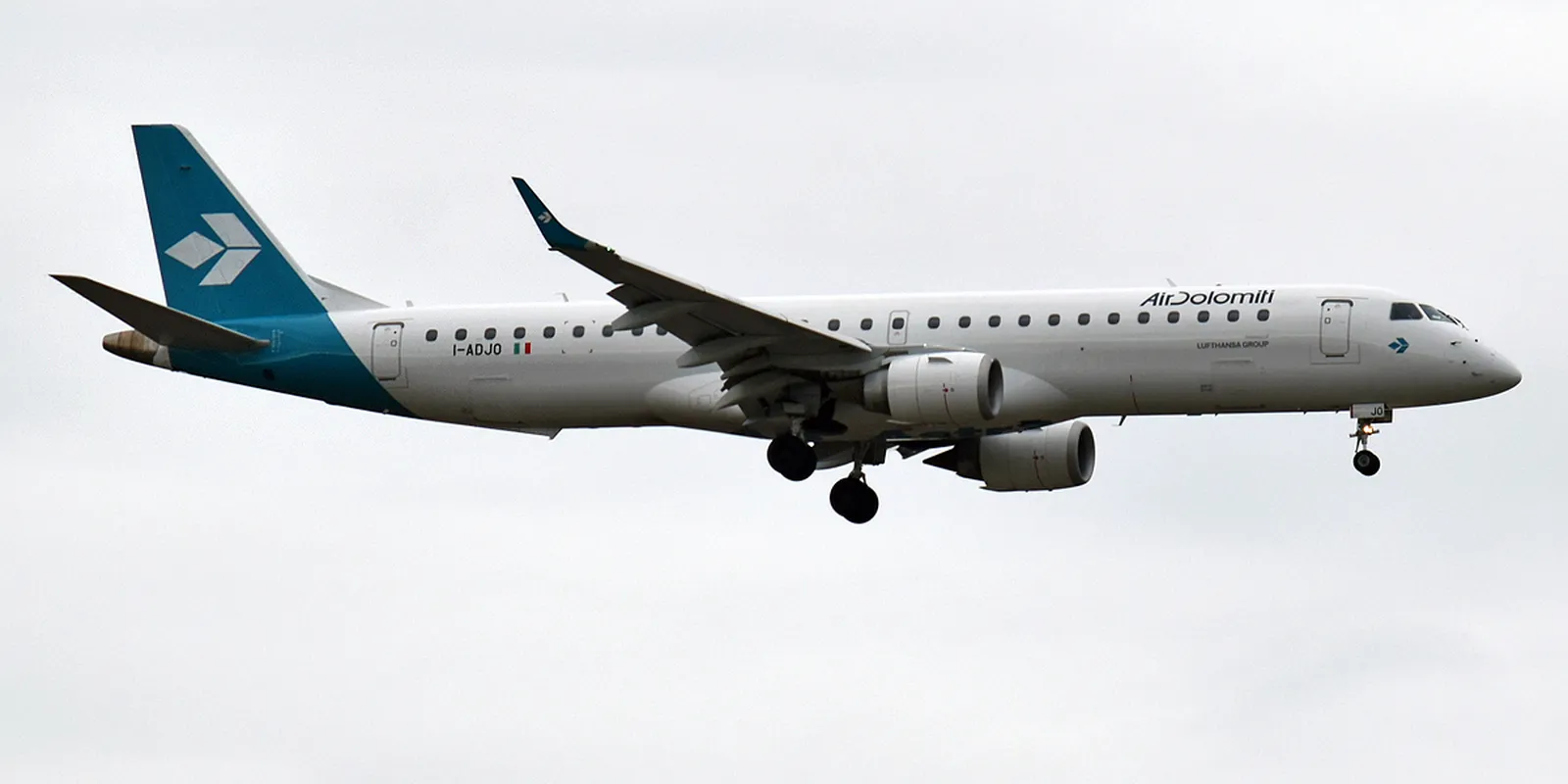
Air Dolomiti: The Lufthansa Group Regional Flying From Verona and Bologna

What to do during a many-hour flight