IndiGo: Why It Became India's Most-Used Airline
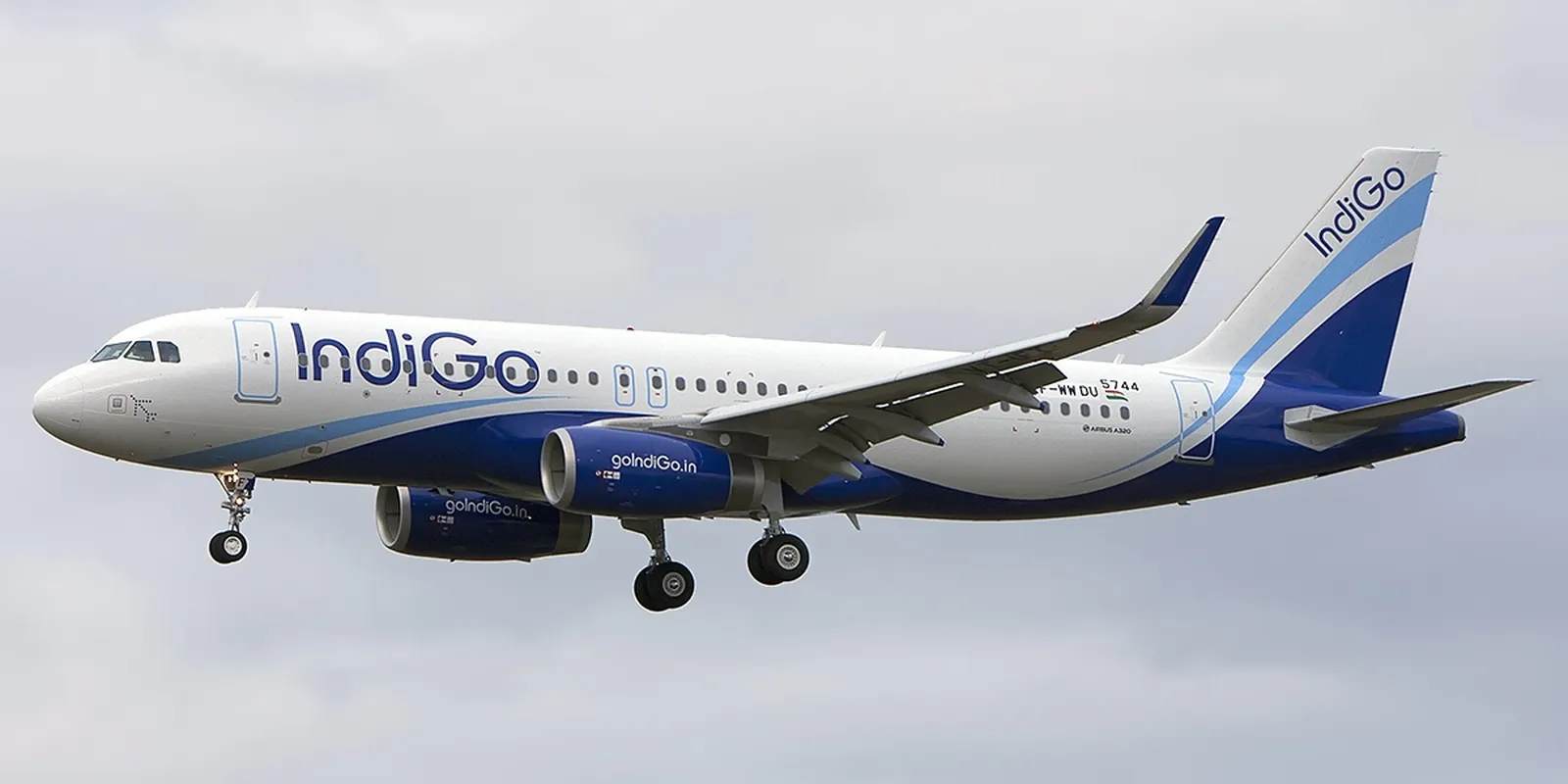
IndiGo is India's largest airline by market share, a low-cost carrier born in the early 2000s that today controls over 60% of the country's domestic traffic. With its main base in Delhi, it has built its growth on a uniform-fleet model and rapid expansion on both domestic routes and short- and medium-haul international ones.
History and positioning
Founded with a low-cost model inspired by the big Western low-cost carriers, IndiGo took advantage of the growth of the Indian domestic market to become in a few years the country's dominant carrier, far surpassing both Air India and the other low-cost competitors such as SpiceJet. In March 2025 its domestic market share exceeded 64%.
The fleet
The fleet numbers over 430 aircraft, mostly of the Airbus A320 family, supported by 45 ATR 72-600s for regional routes to smaller cities and, more recently, by a small number of Boeing 787 and 777 widebodies introduced to support expansion on the longest international routes.
Routes and network
The network has passed 130 destinations, with about 90 domestic and over 40 international, including new direct routes from India to Amsterdam and Manchester that mark the carrier's entry into the medium-haul segment to Europe, traditionally the domain of the major scheduled carriers.
Fares and baggage
The fare model remains low-cost, with checked baggage as a surcharge on the cheapest fares, but the large operating scale often allows competitive prices even once extras are added, compared with smaller competitors.
What passengers say
- Very high frequency on the main routes between India's big cities.
- Punctuality generally good compared with the Indian domestic market average.
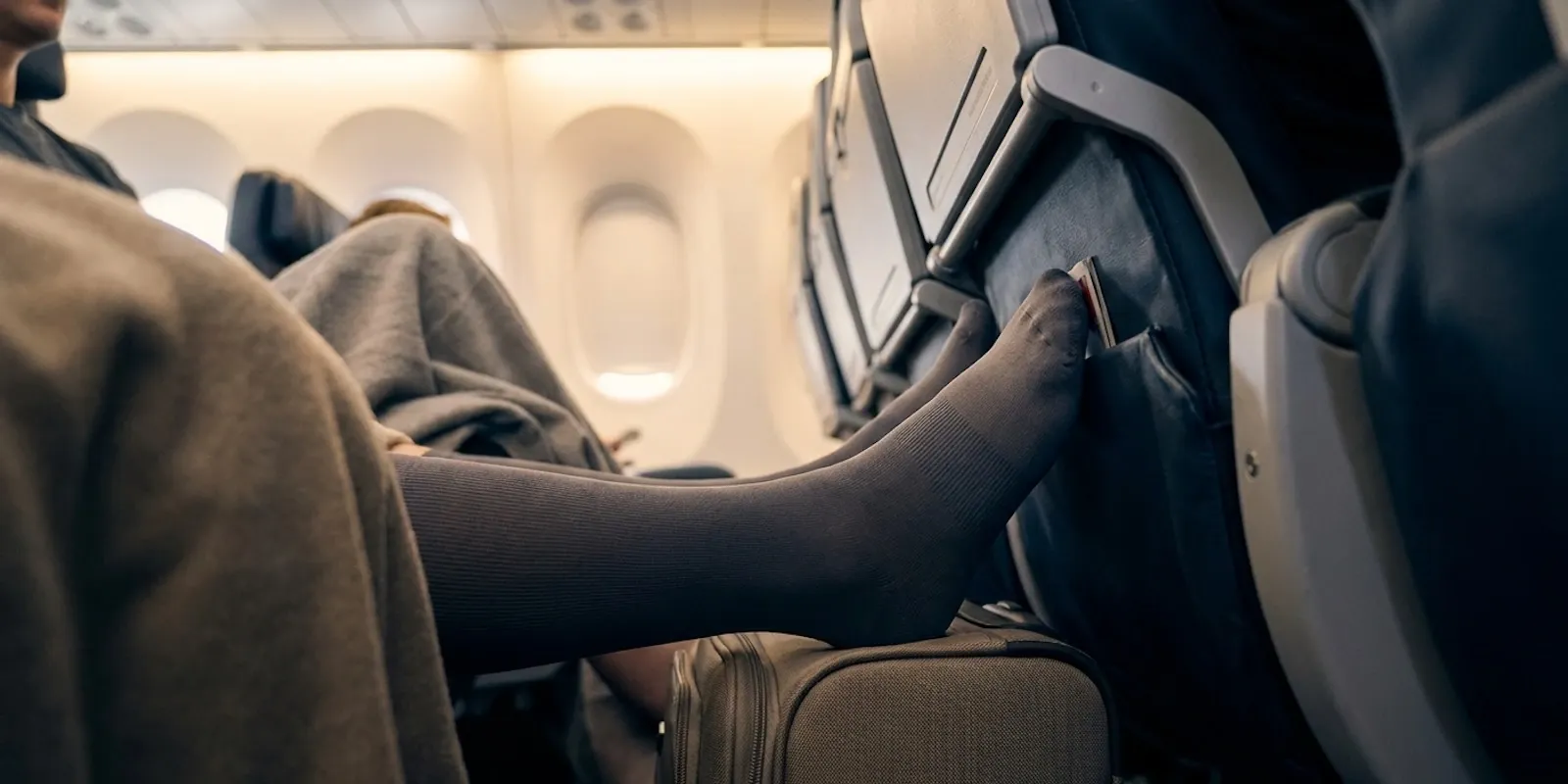
- Legroom judged tight in the higher-density configuration of the A320s.
- Customer service perceived as slow in peak periods or during weather disruptions.
IndiGo is the most obvious choice for anyone flying within India on a route between two big cities, thanks to the frequency of its connections and fares that are competitive with the competition. It is less suitable for those looking for more legroom or a richer onboard service, where a full-service carrier such as Air India remains preferable. A practical tip: on the most in-demand routes between Indian metropolises, reserve your seat in advance if you want to avoid the middle seat, because the high-density configuration sharply reduces the number of window seats still available at the last minute.
You might also like...
ITA Airways in 2026: The New Fleet, the Move to Lufthansa and What Passengers Really Say
Azerbaijan Airlines: What Passengers Say About AZAL Comfort and Punctuality
What to do if you forget a document at home

Bhairahawa Airport: where to stay, areas and recommended hotels

Tekirdağ Çorlu Airport: where to stay, areas and recommended hotels