Indonesia AirAsia: Low-Cost Fares, Paid Baggage and What to Expect on Board
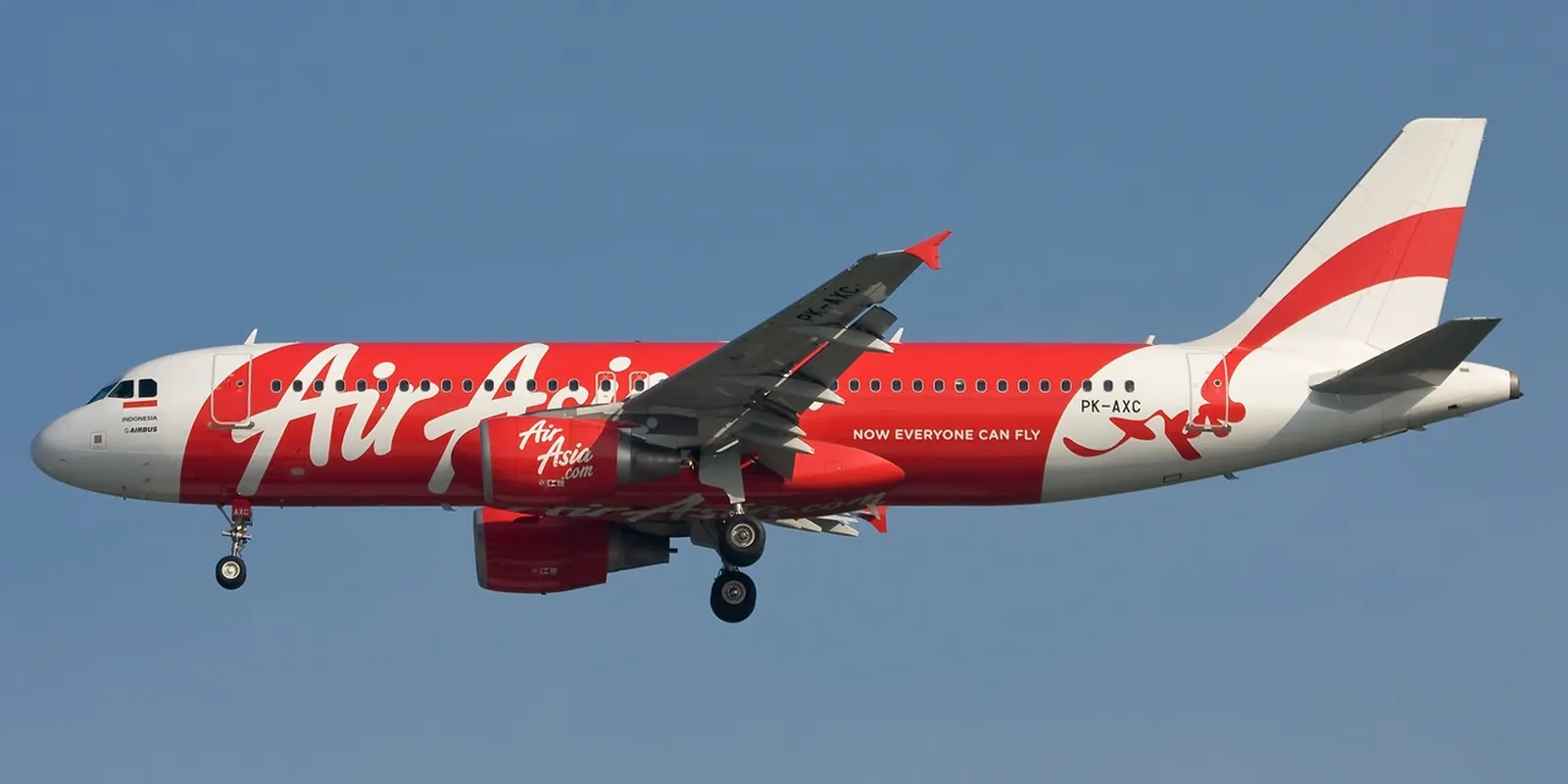
Founded in 1999 as AWAIR and taken over by the Malaysian AirAsia group in 2004-2005, Indonesia AirAsia operates from the hubs of Jakarta Soekarno-Hatta and Denpasar (Bali) with an entirely low-cost, point-to-point model, connecting the Indonesian archipelago with Southeast Asia and Australia.
History and positioning
The brand was born in 1999 as AWAIR, a small local carrier later acquired by the Tune Air/AirAsia group and renamed Indonesia AirAsia in 2005. Since then it has been part of the galaxy of low-cost airlines affiliated with the AirAsia Group, based in Malaysia with sister airlines in Thailand and the Philippines, sharing fleet, booking systems and loyalty program. The 2014 disaster of flight QZ8501 from Surabaya to Singapore remains an episode that has weighed on the carrier's safety perception, followed by years of investment in maintenance and training to rebuild passenger confidence.
The fleet
It operates only aircraft of the Airbus A320 family, including the newer A320neos, in a single-class high-density configuration: a choice typical of low-cost carriers that reduces maintenance and crew training costs.
Routes and network
The model is point-to-point rather than hub-and-spoke in the strict sense, with two main bases: Jakarta for domestic traffic and Denpasar for connections to Australia (Perth), Malaysia, Singapore and Thailand. The network remains concentrated on short and medium routes, with no intercontinental ambitions.
Fares and baggage
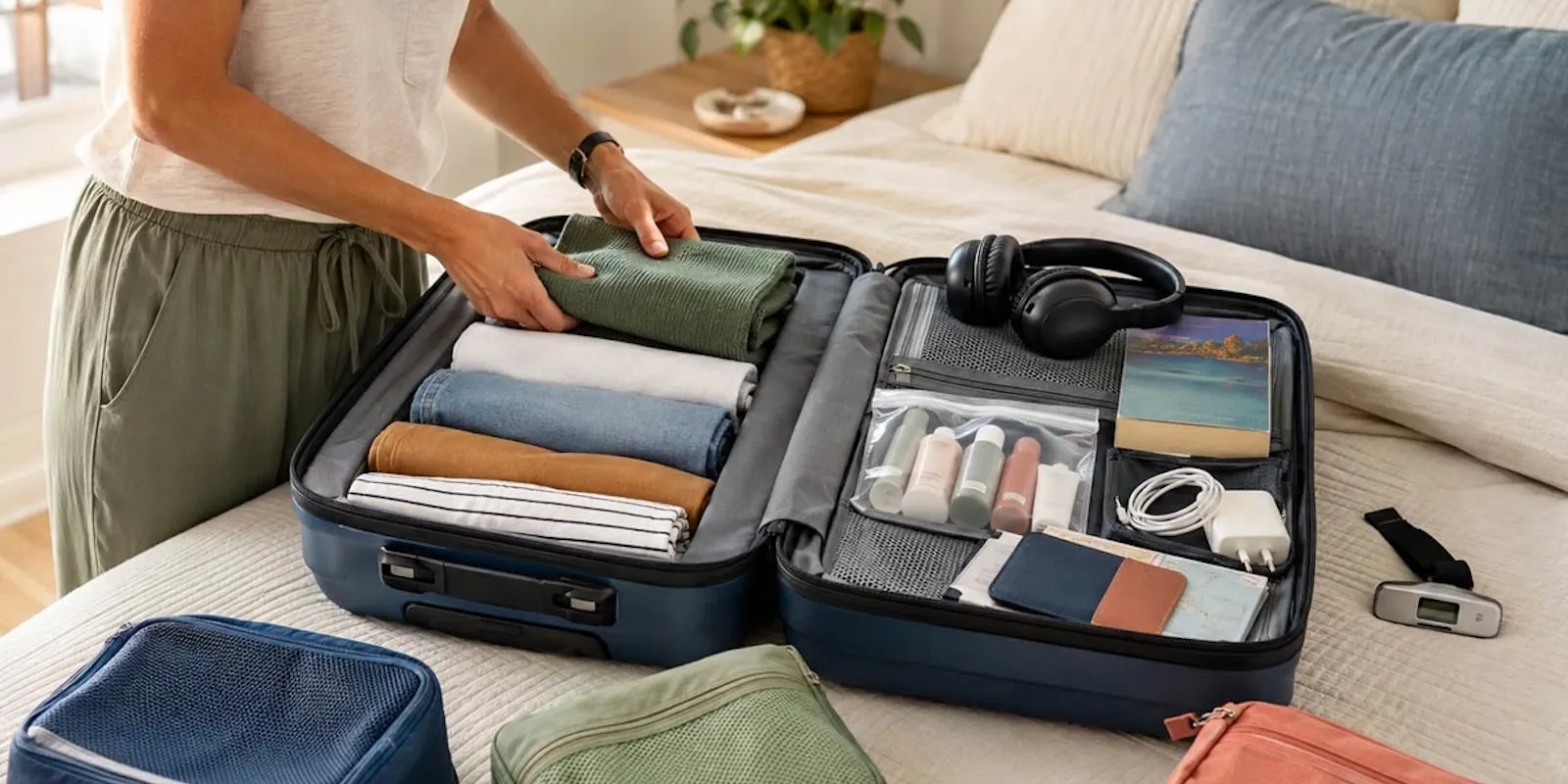
The base fare covers only the seat and a small carry-on bag; checked baggage, seat selection and meals are separate extras, which can be bought in bundles such as the "Value Pack" for those who want to avoid surprises at check-in. Booking baggage online in advance costs noticeably less than adding it at the last minute.
On board
A single economy cabin with catering for purchase and the BIG loyalty program, shared with the other airlines of the AirAsia group, which lets you earn points even when flying with the sister carriers.
The ideal profile is the traveler who moves light on short Southeast Asian routes and does not need extra comfort. Those who have to manage bulky luggage or are looking for an intercontinental connection should look elsewhere. The practical tip: buy checked baggage directly on the website or app when you book, because the surcharge paid at the airport is much higher.
You might also like...
ITA Airways in 2026: The New Fleet, the Move to Lufthansa and What Passengers Really Say
People's Viennaline: The Tiny Austro-Swiss Airline and the Routes It Really Flies

Princess Juliana International Airport: where to stay, areas and recommended hotels

Kilimanjaro International Airport: where to stay, areas and recommended hotels
How to pack for a short trip