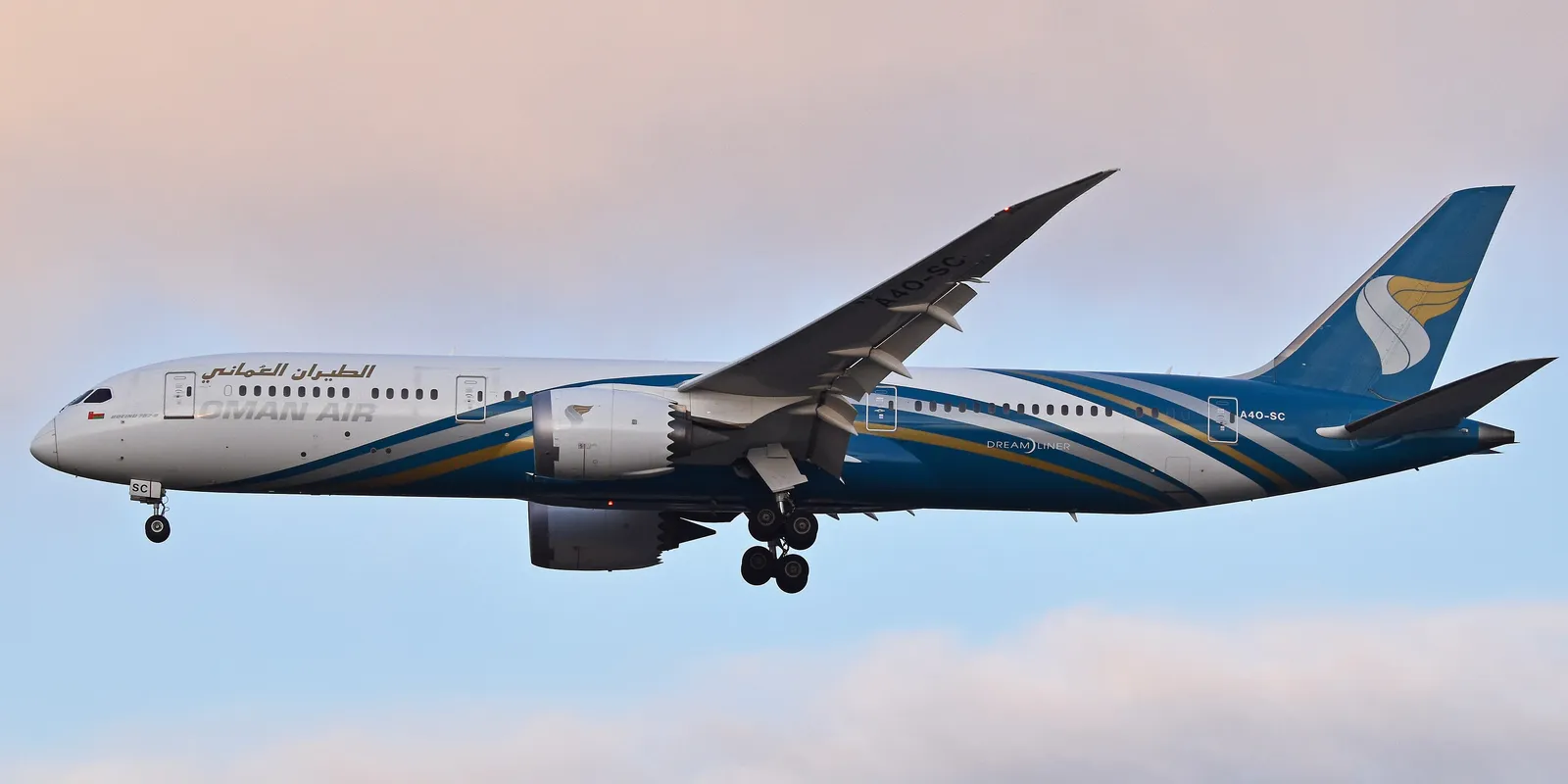
Oman Air After the Slimming Down: Fewer Aircraft, Fewer Transit Hubs, More Tourism in Oman
Founded in 1993 as Oman Aviation Services and state-owned, Oman Air is the flag carrier of Oman, with its hub at Muscat International Airport. Between 2024 and 2025 it went through one of the deepest restructurings among Gulf airlines, under CEO Con Korfiatis, with the stated goal of breaking even in 2025 and posting its first real profit in 2026.
History and positioning
The most significant strategic shift concerns the business model: the share of passengers simply transiting through Muscat has fallen from 85% to under 50% in a little over a year, while the airline has chosen to stop competing directly with the Gulf's larger hubs for pure connecting traffic, betting instead on direct tourism to Oman as its real distinguishing feature.
The fleet
The fleet downsizing has been drastic: Oman Air retired its entire component of ten Airbus A330s and sold the first two Boeing 787-8s, completing its exit from these types by March 2024. The current fleet counts about 23 narrowbodies, mostly Boeing 737 MAX, together with ten Boeing 787-9s: two more MAXes are expected shortly and in the first quarter of 2026, while six further 787s will arrive from 2027.
Routes and network
The network has been redesigned around the markets that genuinely feed tourism to Oman, rather than keeping destinations designed only to generate pure transit traffic, a choice that also meant cutting the workforce from about 4,300 to just under 3,200 employees.
What passengers say
- Appreciated: relatively modern cabins on the 787-9s that remain in the fleet, particularly in business class.
- Criticized: a destination network that is now smaller than in the past, with fewer indirect connection options for those who used Muscat as a simple stopover.
Oman Air is now best suited to those flying to and from Oman as a destination in its own right, and less to those who were looking for a pure transit stop between different regions, a function the airline has deliberately scaled back. It is a good option for those who want a relatively recent 787 cabin in business class on the routes still served.
If your usual route went through Muscat as a simple connection, check that your final destination is still covered before relying on the usual routing: the 2025 network is narrower than in the years before the restructuring.
You might also like...

How to find affordable flights

Reggio Calabria Airport: where to stay, areas and recommended hotels
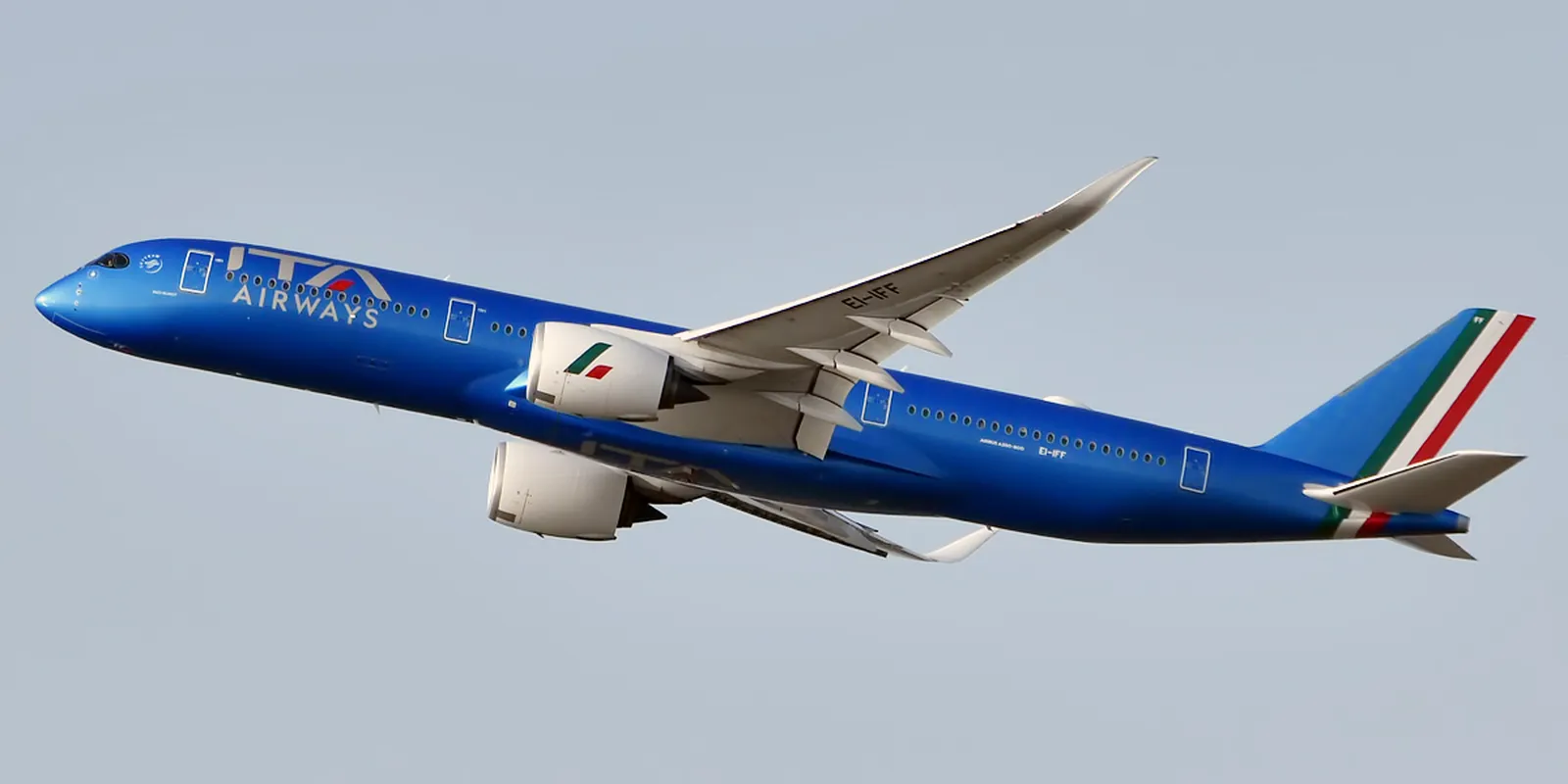
ITA Airways in 2026: The New Fleet, the Move to Lufthansa and What Passengers Really Say
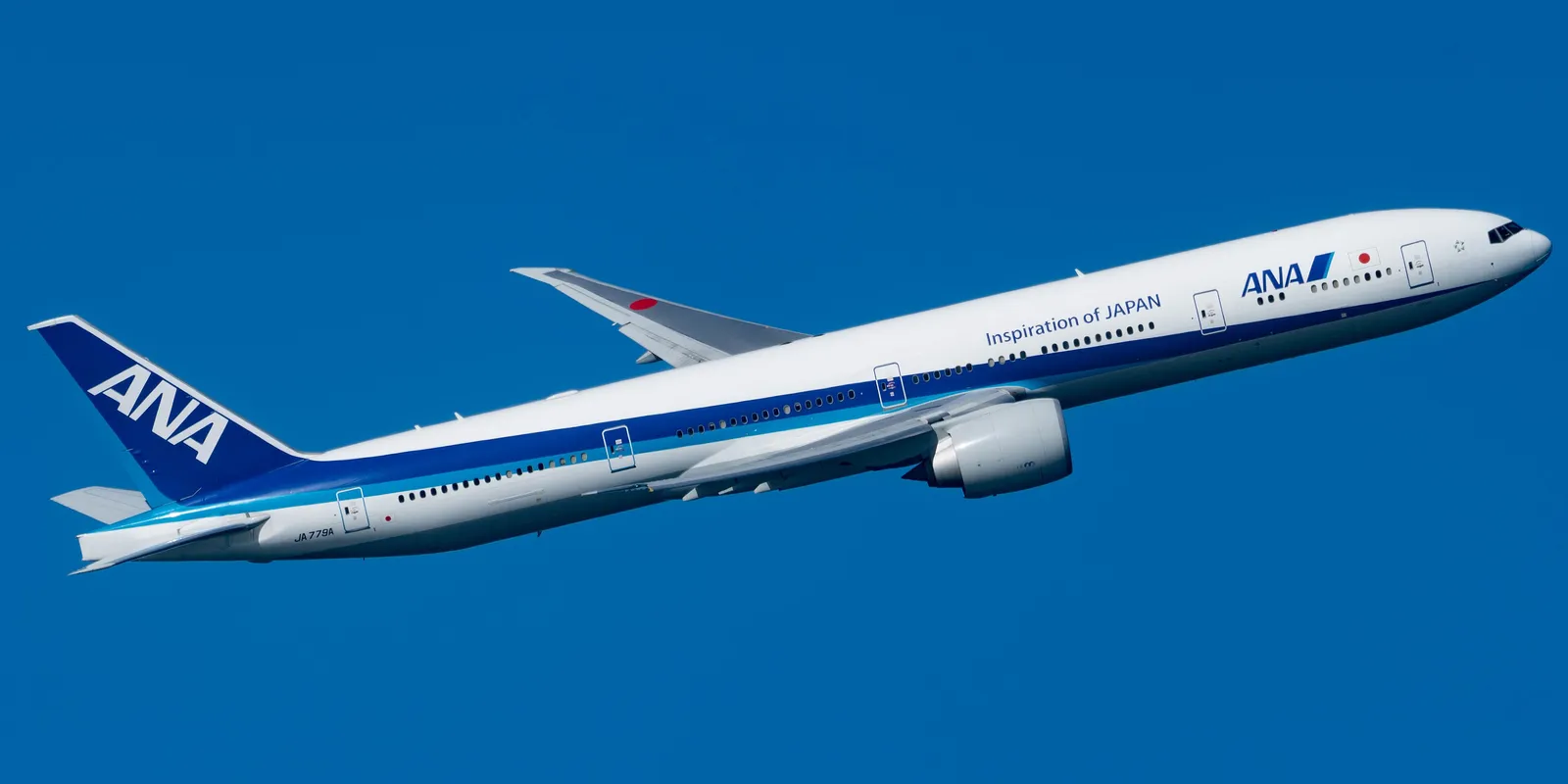
All Nippon Airways: Fleet, Routes and Why It Is Among the World's Best-Rated Airlines

Dalaman International Airport: where to stay, areas and recommended hotels