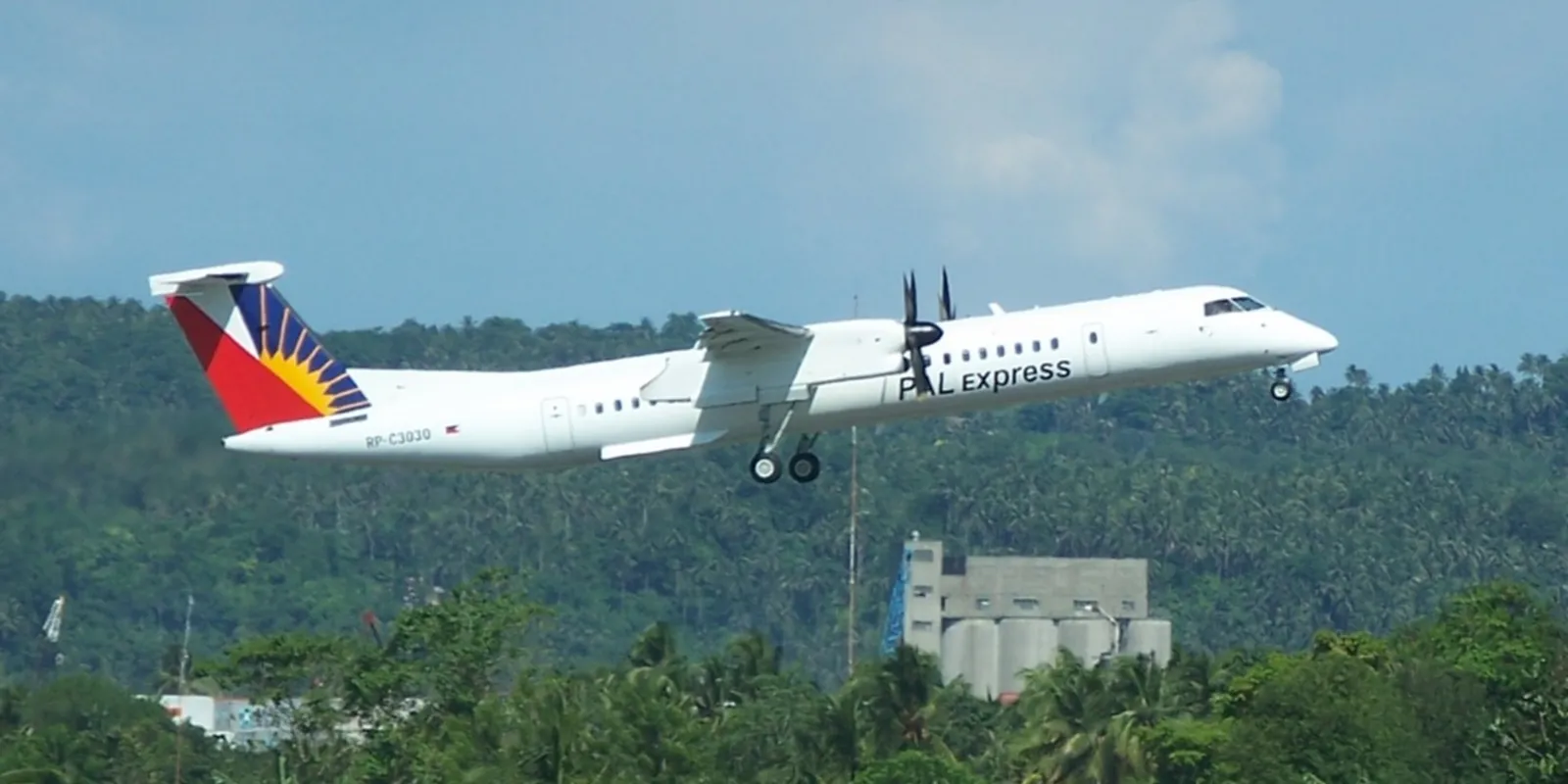
PAL Express: Philippine Airlines' Regional Network Across ATRs, Airbus and the Smaller Islands
PAL Express is the 100% regional subsidiary of Philippine Airlines, born from the merger of the PAL Express brand with Air Philippines in 2013 and now part of the PAL Holdings group of the Lucio Tan family: its job is to connect the islands and secondary airports that the parent company's widebody network does not serve directly, with bases in Cebu, Clark and Manila.
History and positioning
After the 2013 merger, PAL Express became the group's regional and domestic arm, designed to serve lower-demand routes to secondary airports that do not justify the use of the parent company's widebodies. The role is complementary, not competing: the two airlines share bookings, baggage and network strategy under the same group.
The fleet
The historic fleet consists of Bombardier Q300 and Q400 turboprops, designed for short routes to minor airports. In recent years a first core of 180-seat Airbus A320s has been added, with the aim of reaching five by the end of the year and another three by 2026, to handle higher-volume domestic routes with a larger aircraft than the turboprops.
Routes and network
From August 1, 2025, Philippine Airlines transferred several domestic routes from Manila to PAL Express, including Bacolod, Iloilo, Laoag and Panglao, as well as part of the links to General Santos. Together, PAL and PAL Express serve 32 domestic destinations and 41 international ones, with PAL Express focused on island links from Cebu, Clark and Davao to places such as Siargao and Basco.
Fares and baggage
Fares follow the parent company's scheme, more inclusive than a pure low-cost carrier's, with checked baggage generally included on standard domestic fares. On routes operated with turboprops it is still worth checking the carry-on weight limits, often tighter because of the limited hold capacity of the Q300 and Q400.
What passengers say
Reviews of PAL Express regional routes often cite the noise and limited space of the turboprops along with weather-related delays typical of minor island airports, but credit the airline with often being the only scheduled air option to certain islands, with the advantage of baggage and connections integrated with PAL flights.
PAL Express is useful for those who need to reach a smaller Philippine island with no direct air alternatives. It is less suitable for those who expect the comfort of a jet on short legs, since a substantial part of the fleet remains turboprop. Always check the carry-on weight limit specific to the aircraft type on your route, which is stricter on the Q300/Q400 than on the new A320s.
You might also like...

Traveling with grandparents: tips for a multigenerational flight

La Rochelle-Île de Ré Airport: where to stay, areas and recommended hotels
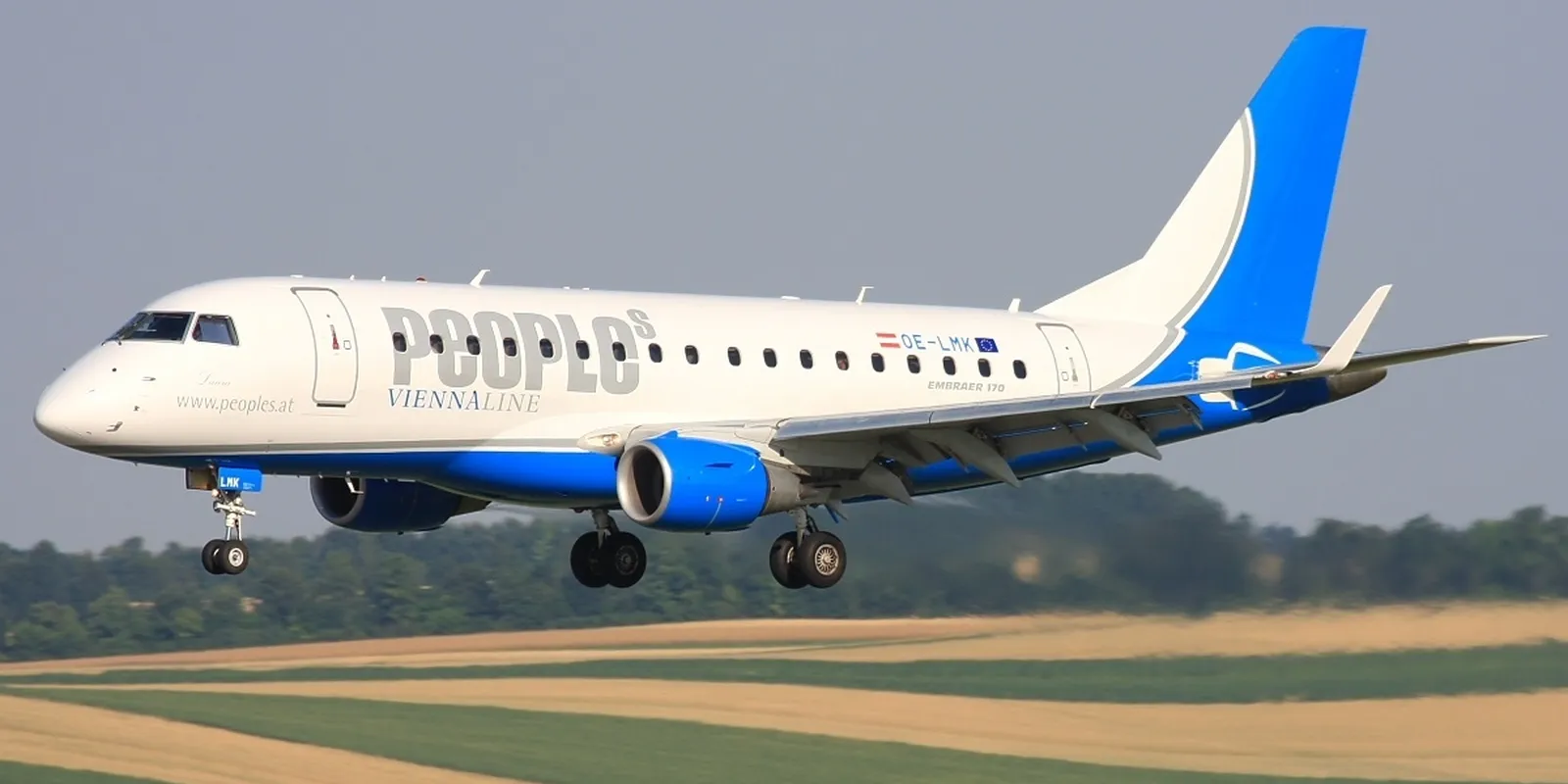
People's Viennaline: The Tiny Austro-Swiss Airline and the Routes It Really Flies
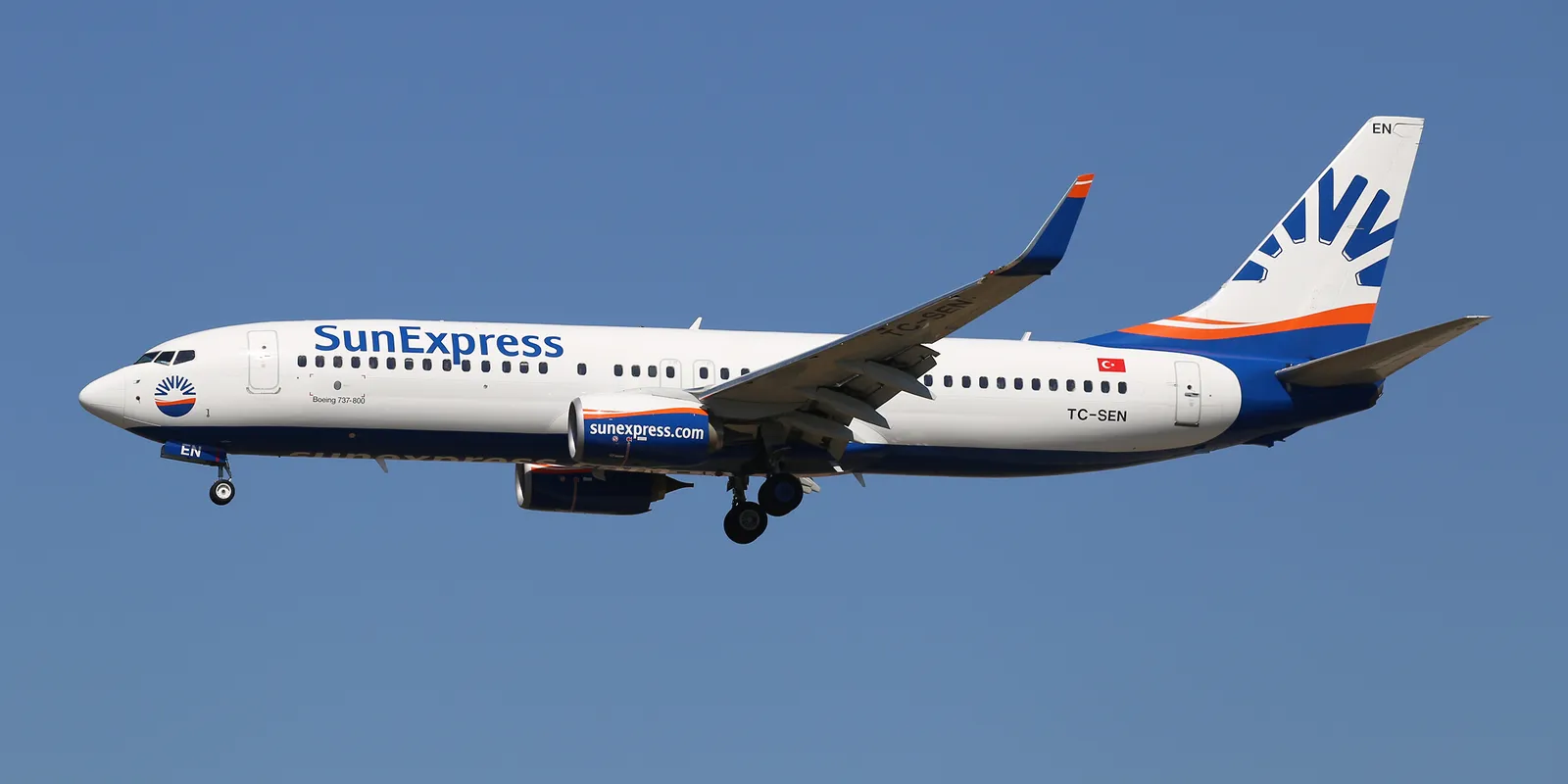
SunExpress: The Turkish-German Joint Venture Moving Millions of Tourists Every Year

Fare errors: the trick to flying almost for free