SAS Scandinavian Airlines: The Air France-KLM Rescue and the Departure from Star Alliance
SAS was founded in 1946 as a consortium of the flag carriers of Denmark, Norway and Sweden, and is now the leading Scandinavian airline, with its hub in Copenhagen and secondary bases at Stockholm Arlanda and Oslo. After a court-supervised bankruptcy procedure begun in 2022 and concluded in 2023, the airline underwent a profound change in ownership, culminating in the entry of the Air France-KLM group, which also led to the switch from the Star Alliance to SkyTeam.
History and positioning
The 2022 crisis led SAS to restructure its debts and ownership through the US Chapter 11 process, emerging with a completely renewed shareholder base. Air France-KLM acquired an initial 19.9% stake in 2024 and in July 2025 announced its intention to rise to 60.5% by the end of 2026, taking over the stakes of the Castlelake and Lind Invest funds; the Danish state will instead keep its 26.4% and its related seats on the board of directors.
Fleet and network
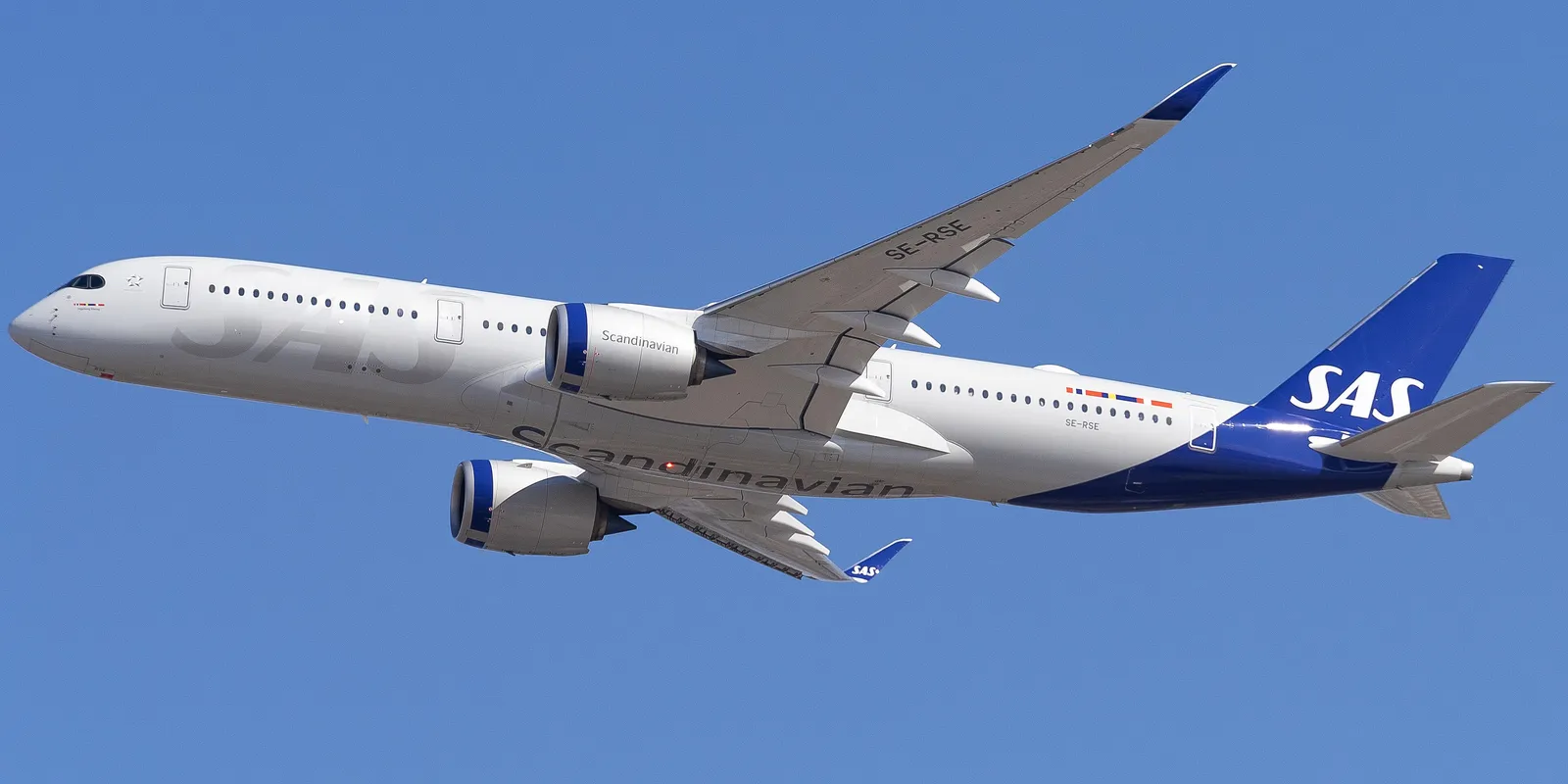
SAS now operates about 130 aircraft on a network of around 130 destinations, with a mix of Airbus A320neos for short and medium haul and Airbus A350s on intercontinental routes to North America and Asia departing from Copenhagen. The densest regional routes remain those within Scandinavia and to the main cities of Northern Europe, consistent with its historic role as a link between Denmark, Norway and Sweden.
Alliances and loyalty program
The most visible change for frequent flyers has been the move from Star Alliance to SkyTeam, completed in 2024 in step with Air France-KLM's first entry into the capital, with the extension of codeshare and interline agreements between the two airlines. The historic loyalty program, EuroBonus, remains active and separate from Air France-KLM's Flying Blue, but the closer integration between the two groups makes a gradual alignment of benefits likely in the coming years.
What passengers say
Reviews of Scandinavian routes tend to reward the punctuality and operational efficiency typical of Northern European carriers, while the most recurring complaints concern ticket prices in peak periods and baggage handling in the winter months, when weather conditions cause more knock-on delays at the Copenhagen and Oslo hubs.
- Strengths reported: punctuality on intra-Scandinavian routes, efficiency of the Copenhagen and Stockholm hubs, quality of onboard service on long-haul routes with the A350.
- Most cited weaknesses: high fares in high season, baggage handling in months with adverse weather, customer service waiting times in the event of a cancellation.
Anyone traveling within Scandinavia or from Copenhagen to the main European and North American cities will find SAS a reliable option; however, those who have accumulated Star Alliance miles should check carefully how they are handled after the move to SkyTeam, because conversion conditions are not always immediate. It is also worth monitoring the evolution of ownership in the coming months, since the shift to majority control by Air France-KLM, expected by the end of 2026, could bring further changes to the network and fares.
You might also like...
Hyderabad lounges: which one to choose before your flight
Montréal-Trudeau airport lounges: which one by zone

Bahamasair: The ATR and Boeing Fleet of the Bahamas' Flag Carrier

King Hussein International Airport: where to stay, areas and recommended hotels

Phoenix Sky Harbor International Airport: where to stay, areas and recommended hotels