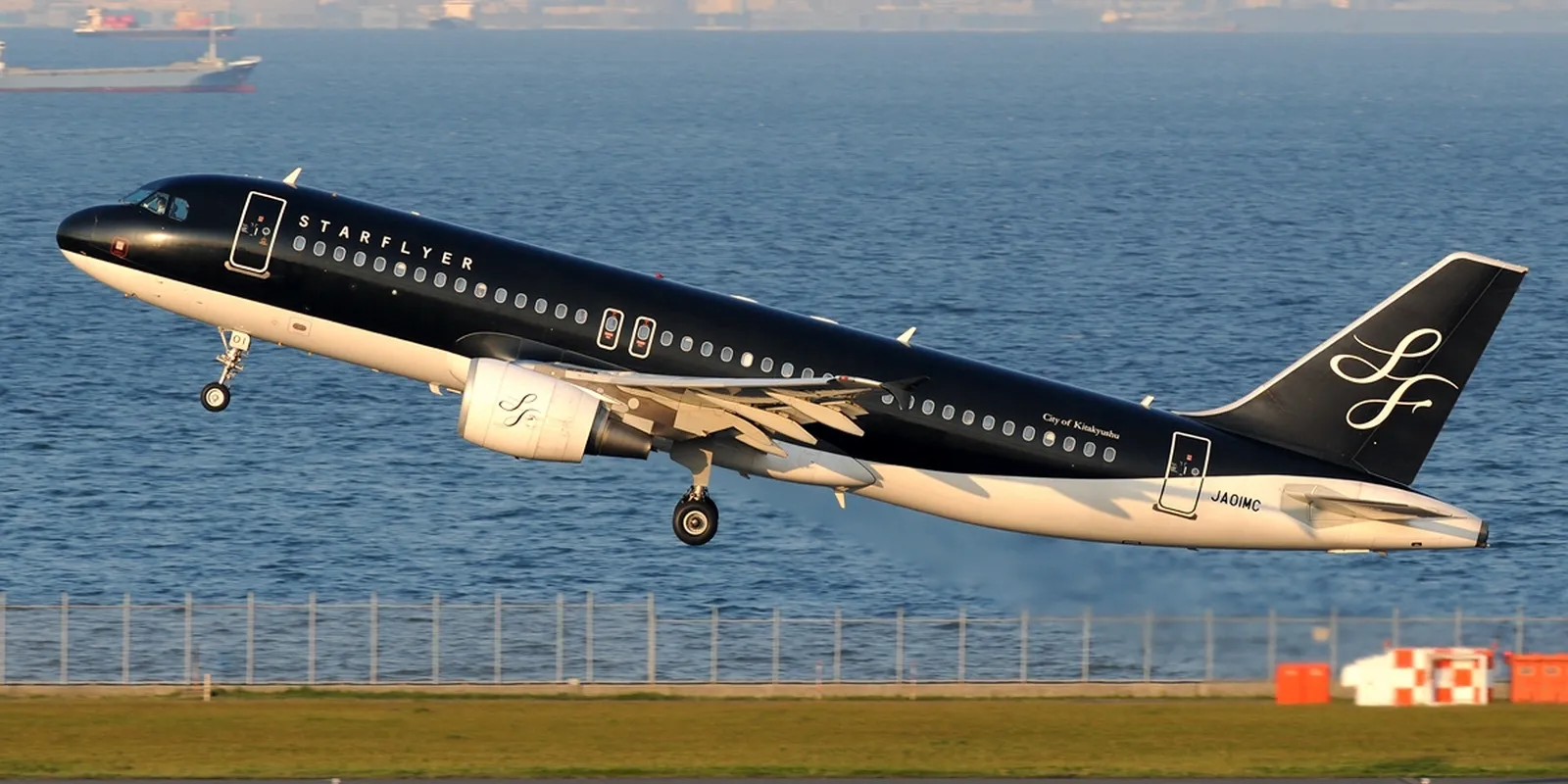
StarFlyer: The Japanese Airline That Sells More Space in Economy
StarFlyer is a Japanese airline founded in 2002 and operating since 2006, based at Kitakyushu airport, on the island of Kyushu. It stands out from every other Japanese carrier for the black livery of its fleet, made up entirely of Boeing 737-800 aircraft, and for a product philosophy that focuses on above-average legroom even in economy class, in a market where most competitors have chosen the opposite path of maximum seat density.
The fleet and the onboard product
StarFlyer's distinguishing feature is the cabin: leather seats and a seat pitch above the Japanese standard even in economy class, a premium-economy positioning choice that the airline has maintained since its operational launch in 2006. The fleet, all Boeing 737-800s, is relatively young and uniform, which simplifies maintenance and crew training.
History
Founded in 2002 with the support of local Kitakyushu investors keen to make the most of the city's airport, StarFlyer began commercial flights in 2006, choosing a niche positioning from the start, far from both pure low-cost and the premium segment of the big carriers. It is a rare case in the Japanese landscape of an independent regional airline that has survived without merging or going bankrupt.
Routes and network
The network links Kitakyushu and Fukuoka with Tokyo Haneda and Nagoya, relatively short routes but with heavy business and leisure traffic between Kyushu and the main cities of the island of Honshu. It is a deliberately small and concentrated network, with no ambitions of international expansion.
What passengers say
The positive verdict:
- Legroom among the most generous in Japan, even in economy class.
- A modern, clean cabin, often cited as a distinguishing point compared with low-cost competitors.
The critical verdict:
- A very limited network, with few routes available compared with the major carriers.
- Less schedule flexibility on routes served less frequently.
StarFlyer is the ideal choice for those flying one of its few routes and wanting more space in economy without paying the price of a business class, a rare compromise in the Japanese market. It is not an airline suited to those who need to plan a complex itinerary with many Japanese cities, since the network it covers is reduced to a few destinations. A practical tip: since it has a partial codeshare with both ANA and JAL on some routes, it is worth checking which code the ticket is sold under to work out which loyalty program to credit the miles to.
You might also like...

Airport check-in: how to handle the check-in desks

Vancouver airport lounges: Plaza Premium or Air Canada?
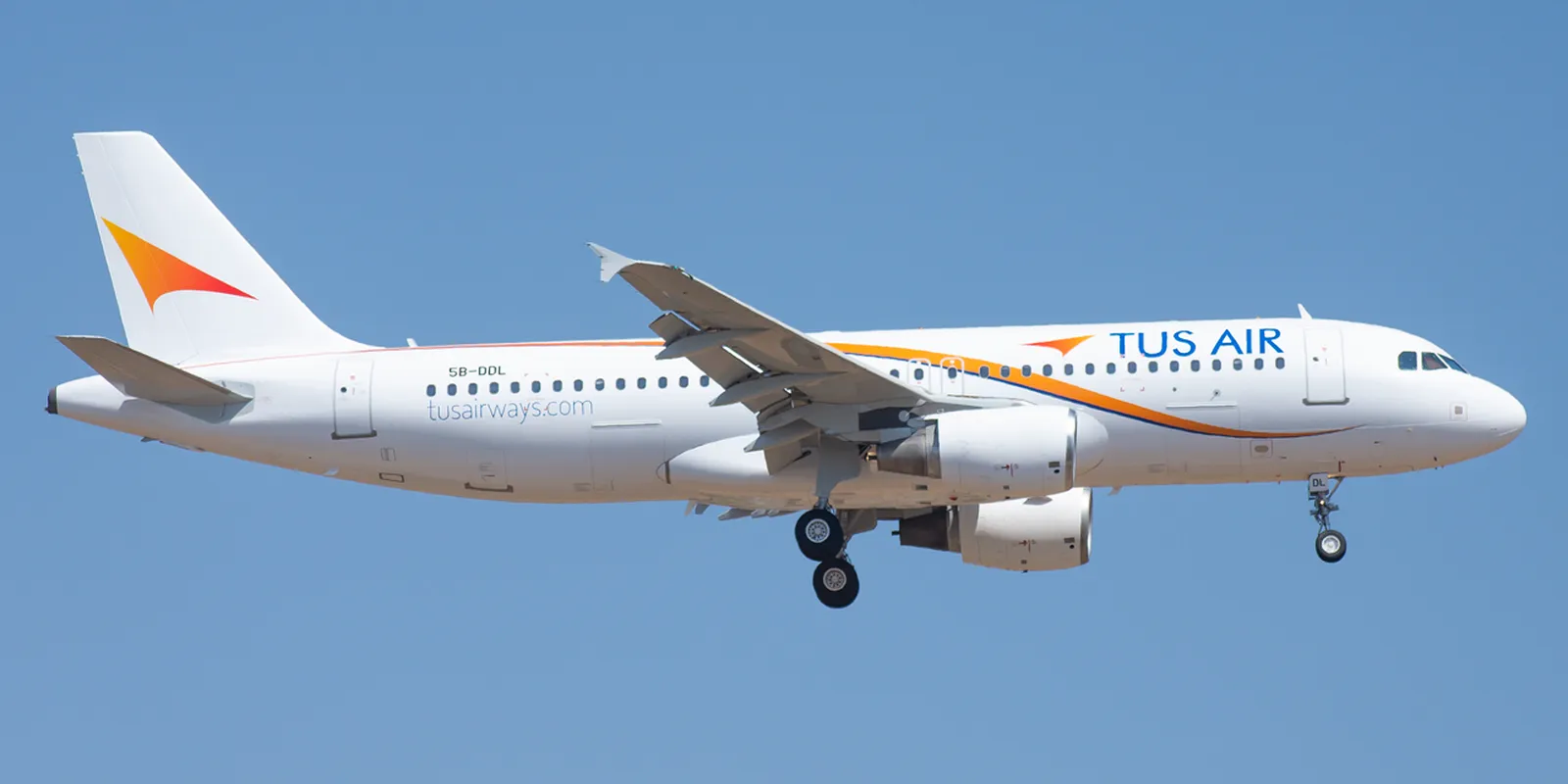
TUS Airways: The Cypriot Airline That Became the Island's Largest
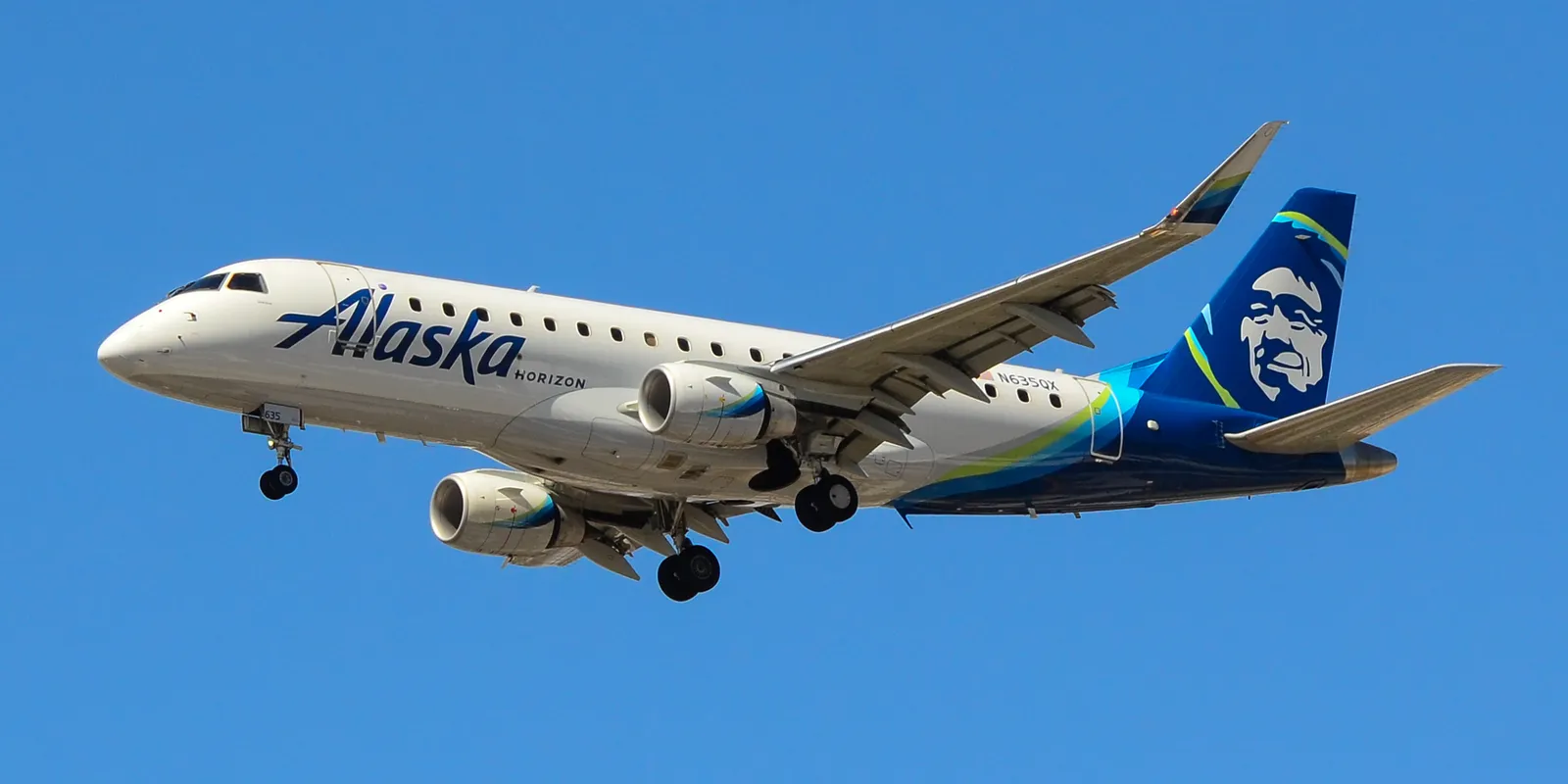
Horizon Air: The Regional Subsidiary of Alaska Airlines That Flies Only the Embraer 175

Islamabad International Airport: where to stay, areas and recommended hotels
