Vueling: The Spanish Low-Cost Carrier on Italy-Spain Routes and the End of the All-Airbus Fleet
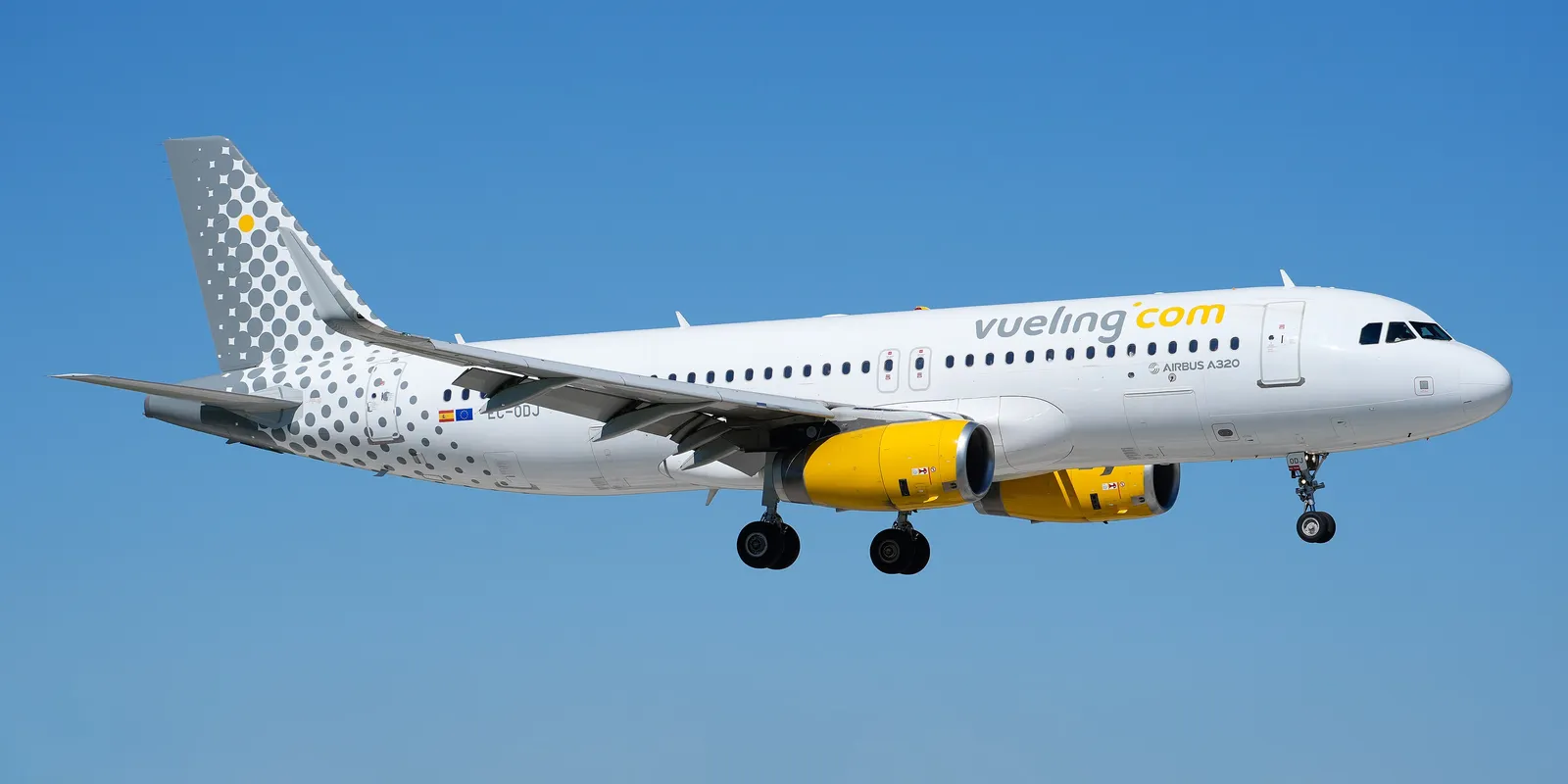
Vueling was born in Barcelona in 2004 and in 2013 joined the IAG group, the same one as Iberia and British Airways, after merging with Clickair. Its main hub remains Barcelona-El Prat, with secondary bases at Rome Fiumicino, Florence, Paris Orly and Amsterdam, and a low-cost positioning focused mainly on routes between Spain and Italy. The fleet, so far entirely Airbus, numbers over 140 aircraft of the A320 family, but the airline is preparing for a profound change with the arrival of its first Boeings.
History and positioning
Vueling has established itself as the benchmark low-cost carrier on the routes linking Spain to Italy, a market where it competes mainly with Ryanair and easyJet. Joining the IAG group in 2013 brought financial stability but never pushed the airline toward a hybrid model: Vueling remains a low-cost carrier in its fare structure, while keeping some services, such as connections with IAG flights, that are more typical of a network carrier.
The fleet
At the start of 2025 the fleet consists of around 141 Airbus aircraft, including about ten A319s, over 77 A320ceos, 12 A320neos and about twenty A321ceo/neos, with another five aircraft due to join by summer 2025 to exceed 27 million seats available over the year. The real turning point comes in 2026, however: IAG has allocated to Vueling 50 Boeing 737 MAX from the group's order, 25 high-density MAX 8200s and 25 MAX 10s, which starting at the end of the year will end more than twenty years of an all-Airbus fleet.
Routes and network
The bulk of the network remains concentrated on short-haul routes between Spain and Italy, with Rome, Florence, Venice and Milan among the most frequently served destinations from Barcelona, but the airline also flies to almost 100 destinations overall across Spain, France, Northern Europe and the Mediterranean basin. There are no long-haul routes: the model remains point-to-point on short and medium haul, leaving intercontinental links to the IAG group's sister airlines.
Fares and baggage
With the Basic fare only one under-seat bag of up to 40x20x30 cm is included; the larger carry-on, measuring 55x40x20 cm and weighing up to 10 kg, must be purchased separately or is included automatically in TimeFlex fares or for Premium passengers. Seat selection and priority boarding are also paid extras, following the typical European low-cost scheme: anyone booking the cheapest fare therefore has to calculate the final cost of the ticket carefully.
What passengers say
Online reviews paint a polarized picture, common to many short-haul low-cost carriers: those who fly direct routes without a hitch tend to rate value for money positively, while the most frequent complaints concern delays in the high season and difficulty reaching customer support in the event of a cancellation.
- Appreciated: competitive prices on Spain-Italy routes, a wide choice of schedules from Barcelona and Rome, punctuality judged average for the industry in low season.
- Criticized: extra charges that add up quickly (baggage, seat, priority boarding), long customer service response times during the busiest periods.
Vueling suits anyone who needs to travel between Spain and Italy with light luggage and flexible schedules; families traveling with several suitcases will instead struggle more to keep the final price down, since ancillary costs add up fast. Anyone who wants to avoid surprises at boarding should choose the TimeFlex fare, if only for the included carry-on, and check in good time whether their 2026 flight will be operated with an Airbus or one of the new Boeing 737 MAX, since the fleet transition will happen gradually.
You might also like...

Manchester Airport: where to stay, areas and recommended hotels
SmartWings: The Largest Czech Airline, Between Charter and the Move to Pegasus
Azerbaijan Airlines: What Passengers Say About AZAL Comfort and Punctuality

Vitoria/Foronda Airport: where to stay, areas and recommended hotels

What to do if the gate changes at the last minute