Wizz Air: How Fares and Baggage Really Work on the Hungarian Low-Cost Carrier
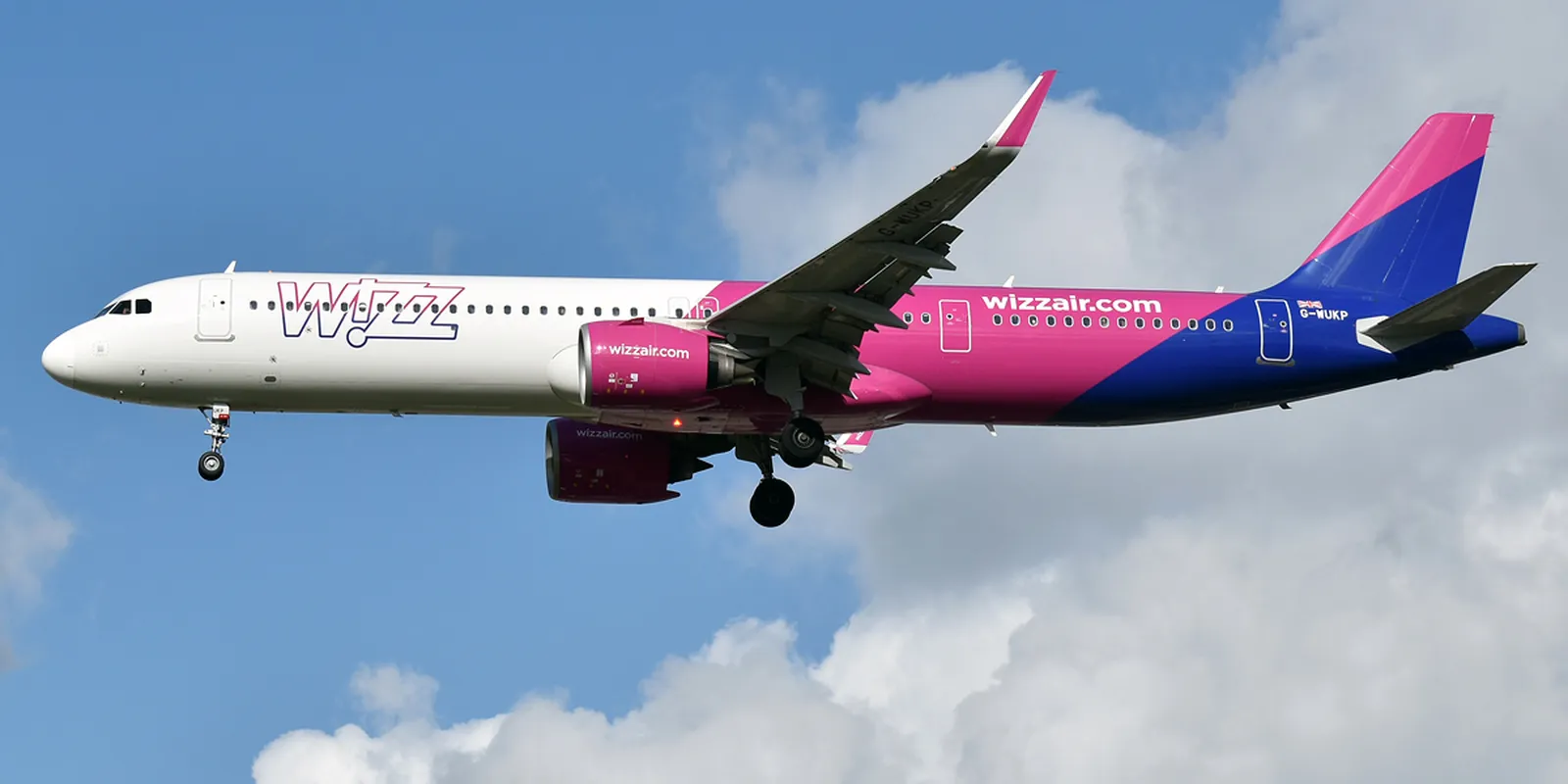
Wizz Air is an ultra low-cost airline based in Hungary that over the past fifteen years has become one of the main carriers in Europe by passenger volume, especially on connections to Central and Eastern Europe. The model is that of a point-to-point carrier with no traditional hub, with operating bases spread across dozens of European airports and one of the continent's broadest networks by number of routes.
History and positioning
Founded in the mid-2000s, Wizz Air established itself as the reference carrier for connections between Western Europe and the countries of the former Eastern bloc, a market segment long left uncovered by the major scheduled carriers. The ultra low-cost model relies on minimal operating costs and aggressive expansion into new routes, often in markets where direct competition is limited.
The fleet
The fleet is almost entirely made up of Airbus A321neo and A320neo aircraft, chosen to maximize seat capacity per flight while reducing fuel consumption. In recent years the airline has had to manage a significant number of grounded aircraft because of inspections of the Pratt & Whitney GTF engines, a problem that has hit several European operators with the same engines and forced Wizz Air to scale back part of its planned capacity.
Fares and baggage
The fare model is among the most rigid in Europe when it comes to baggage: the base fare includes only a small under-seat carry-on bag, while any larger suitcase, whether cabin or checked, requires a surcharge that varies by route and by how far in advance you buy it. There is a subscription program, the WIZZ Discount Club, which lowers base fares for those who fly frequently on the network, designed for regular travelers more than for those who fly once a year.
What passengers say
- Very low starting prices on Central and Eastern European routes where competition is scarce.
- Good frequency of connections on niche routes not covered by other carriers.
- Extra baggage costs that can quickly exceed the price of the ticket alone.
- Cancellations and delays tied to fleet availability during the most acute phases of engine inspections.
- Communication judged unclear in case of last-minute schedule changes.
Wizz Air is the most sensible choice for anyone traveling light on Central and Eastern European routes poorly served by other carriers, especially if you fly regularly and can make a Discount Club subscription pay off. It is not the right airline for those traveling with bulky luggage or needing room for flexibility in case of the unexpected, given the rigid fare regime on changes and baggage. A practical tip: always measure your carry-on against the exact dimensions stated on the website before you get to the gate, because the surcharge applied directly at boarding for oversized baggage is among the highest in European low-cost flying.
You might also like...

Simón Bolívar International Airport: where to stay, areas and recommended hotels

Helsinki Vantaa Airport: where to stay, areas and recommended hotels
How to always have your travel documents on your phone
Norwegian Air Shuttle in 2025: The Best Year in Its History and Widerøe's Return to the Family

Bahamasair: The ATR and Boeing Fleet of the Bahamas' Flag Carrier