Algeria: main airports
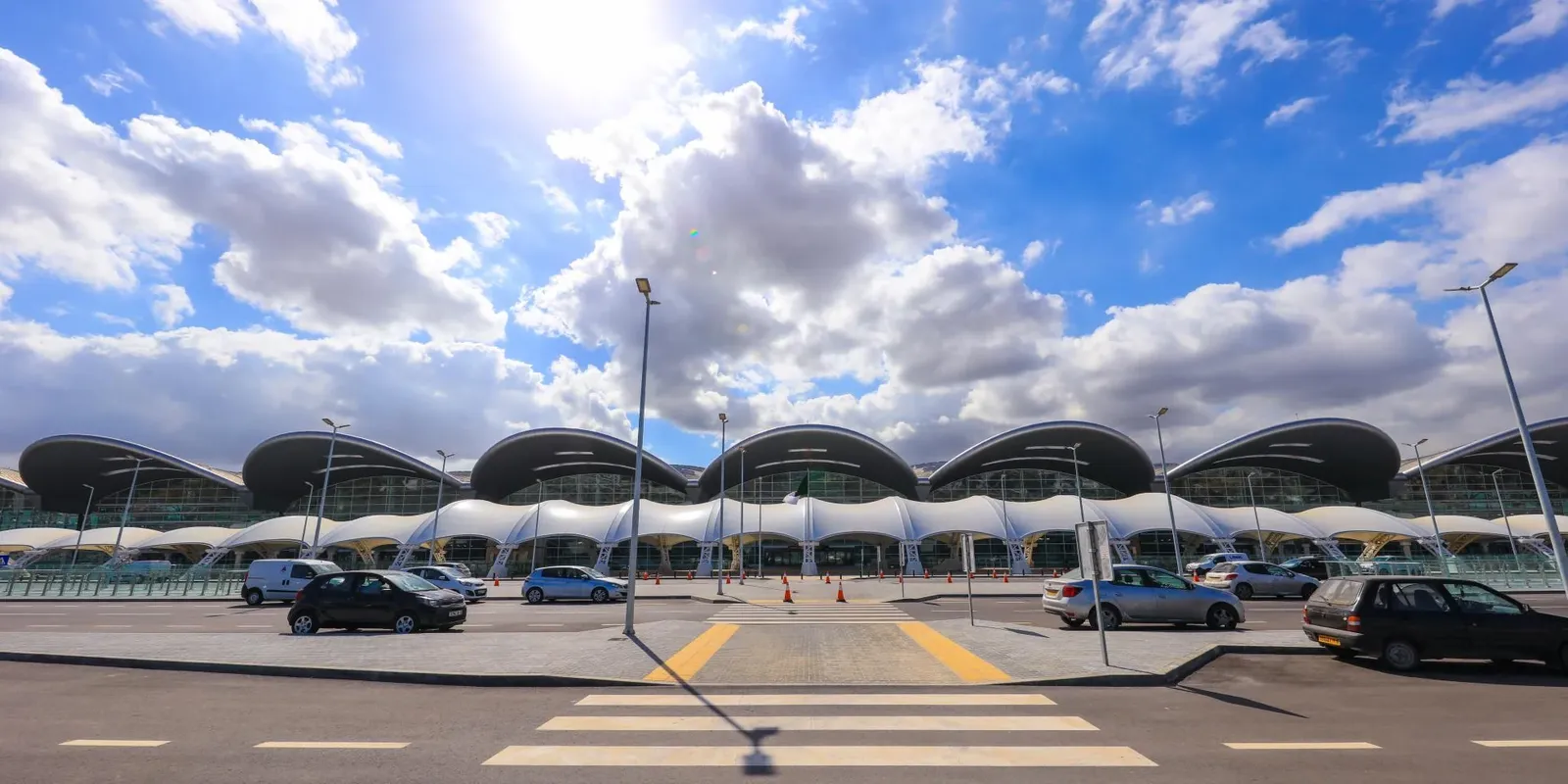
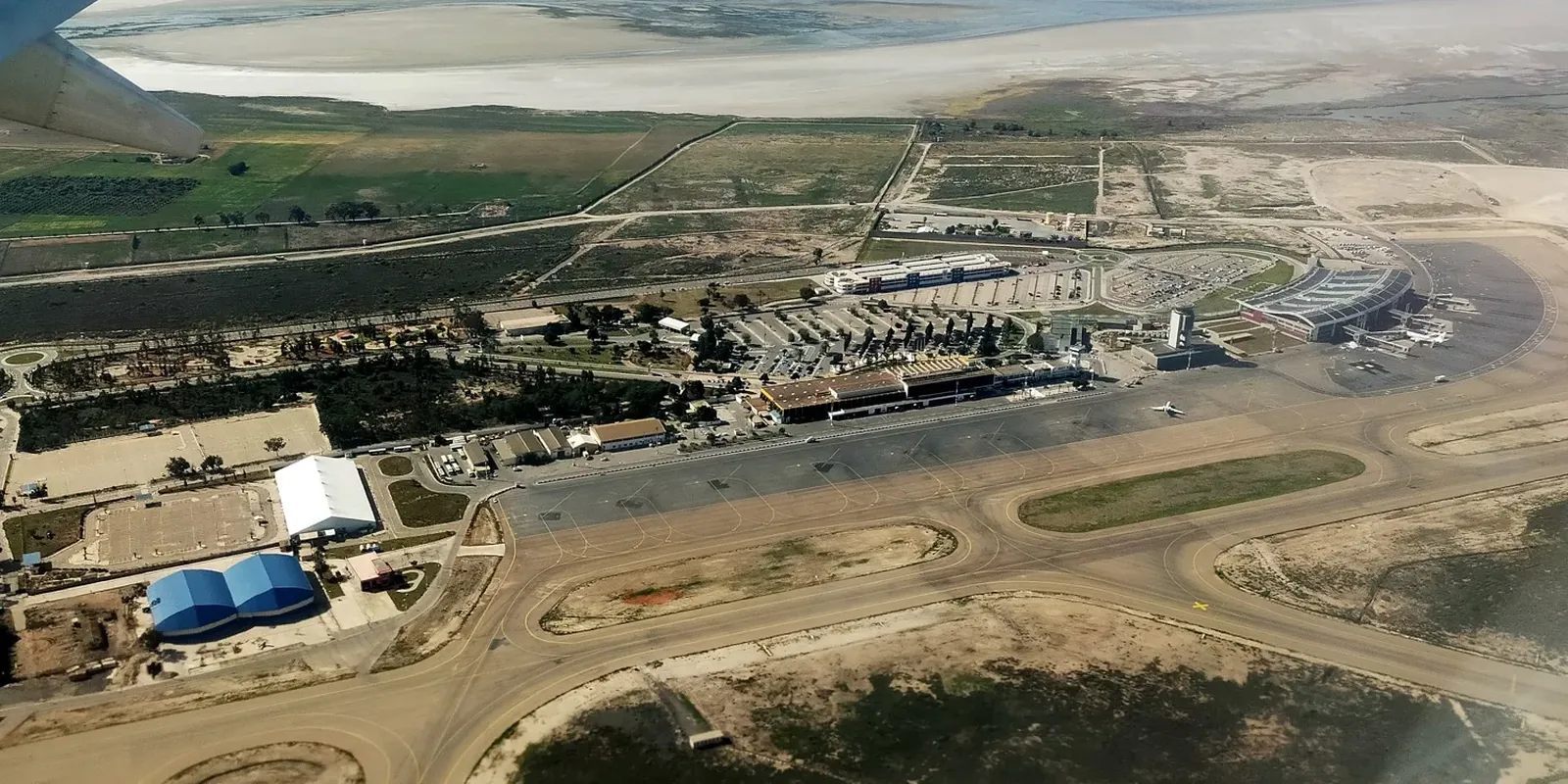
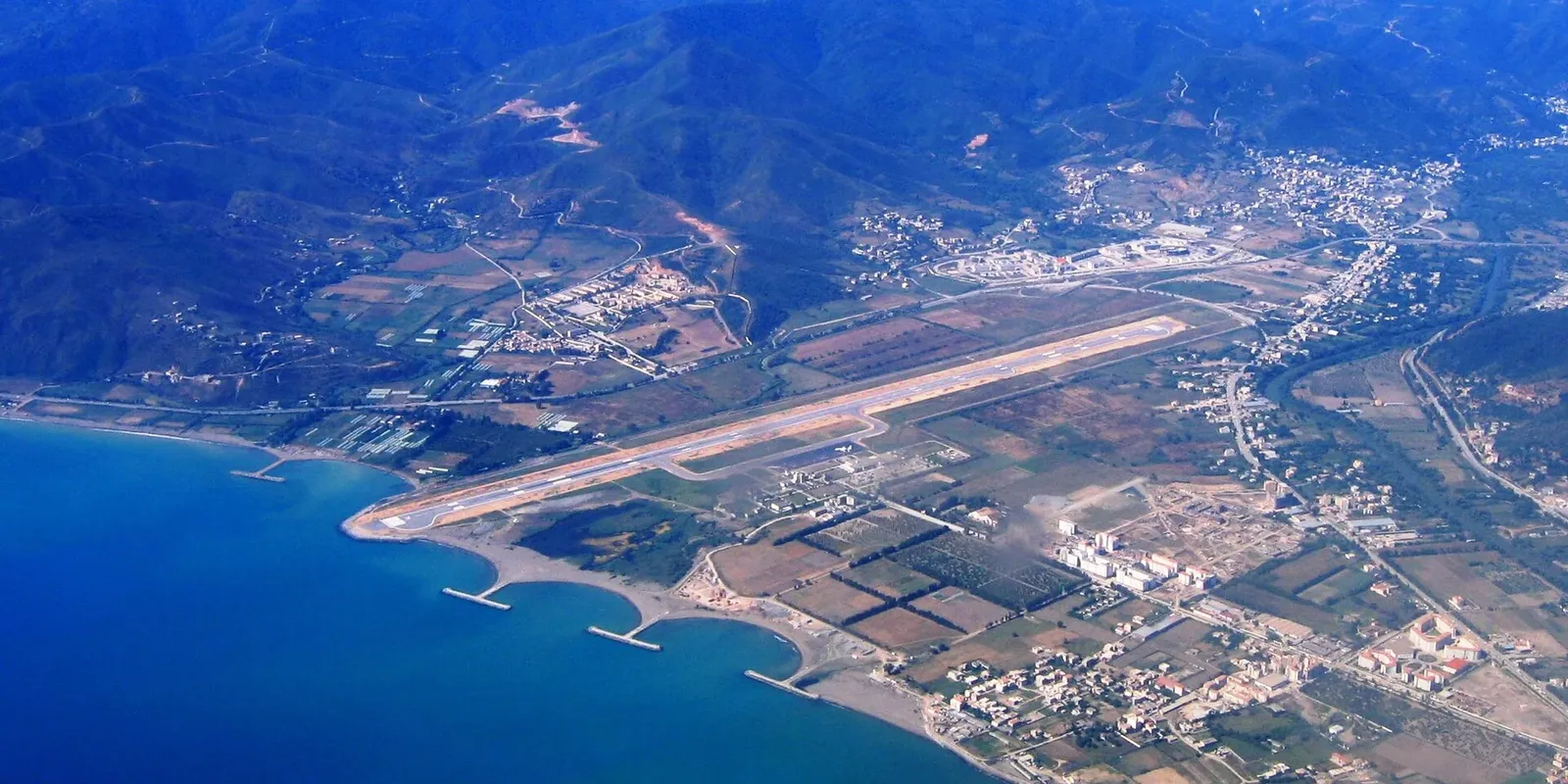
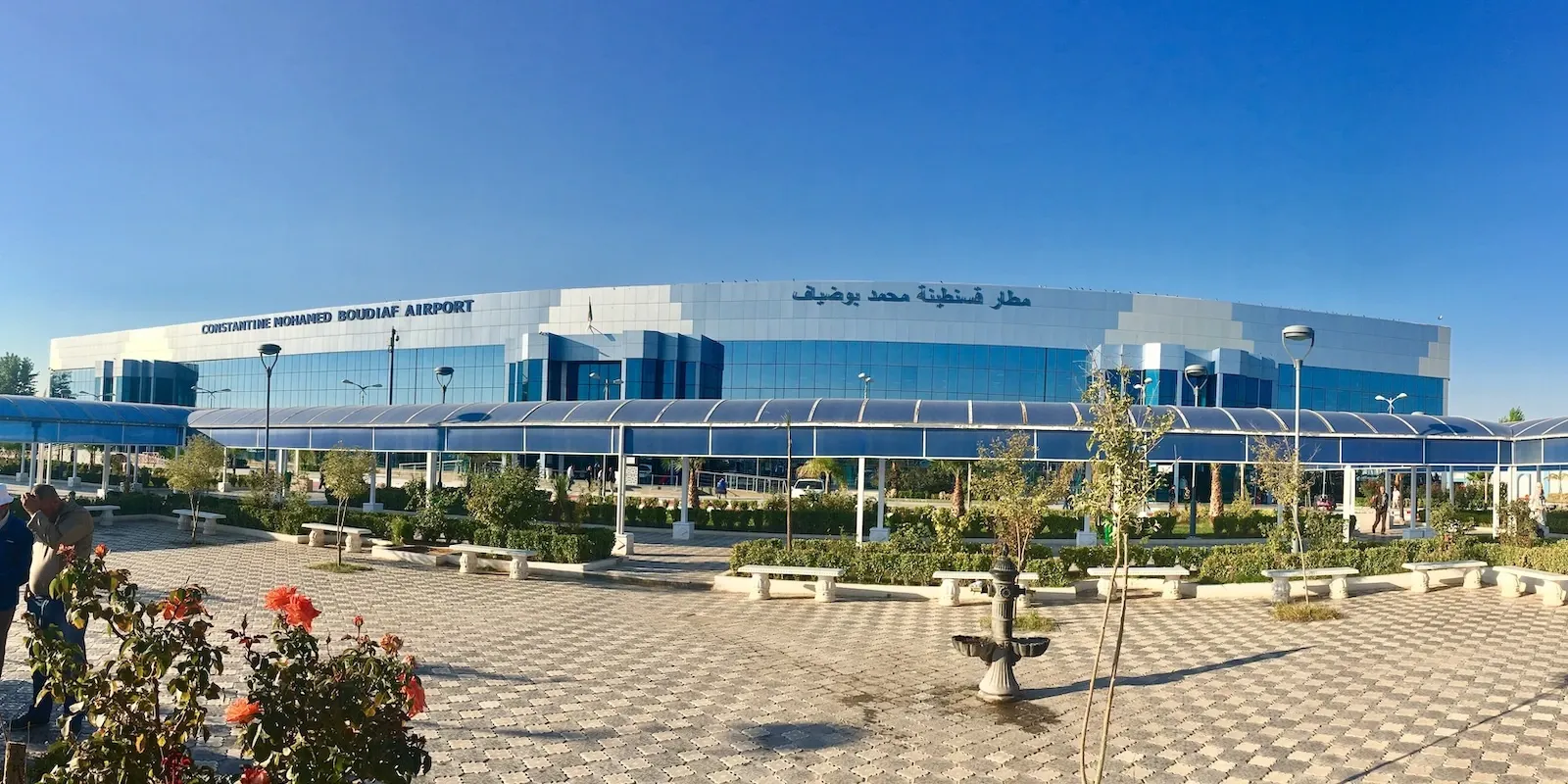
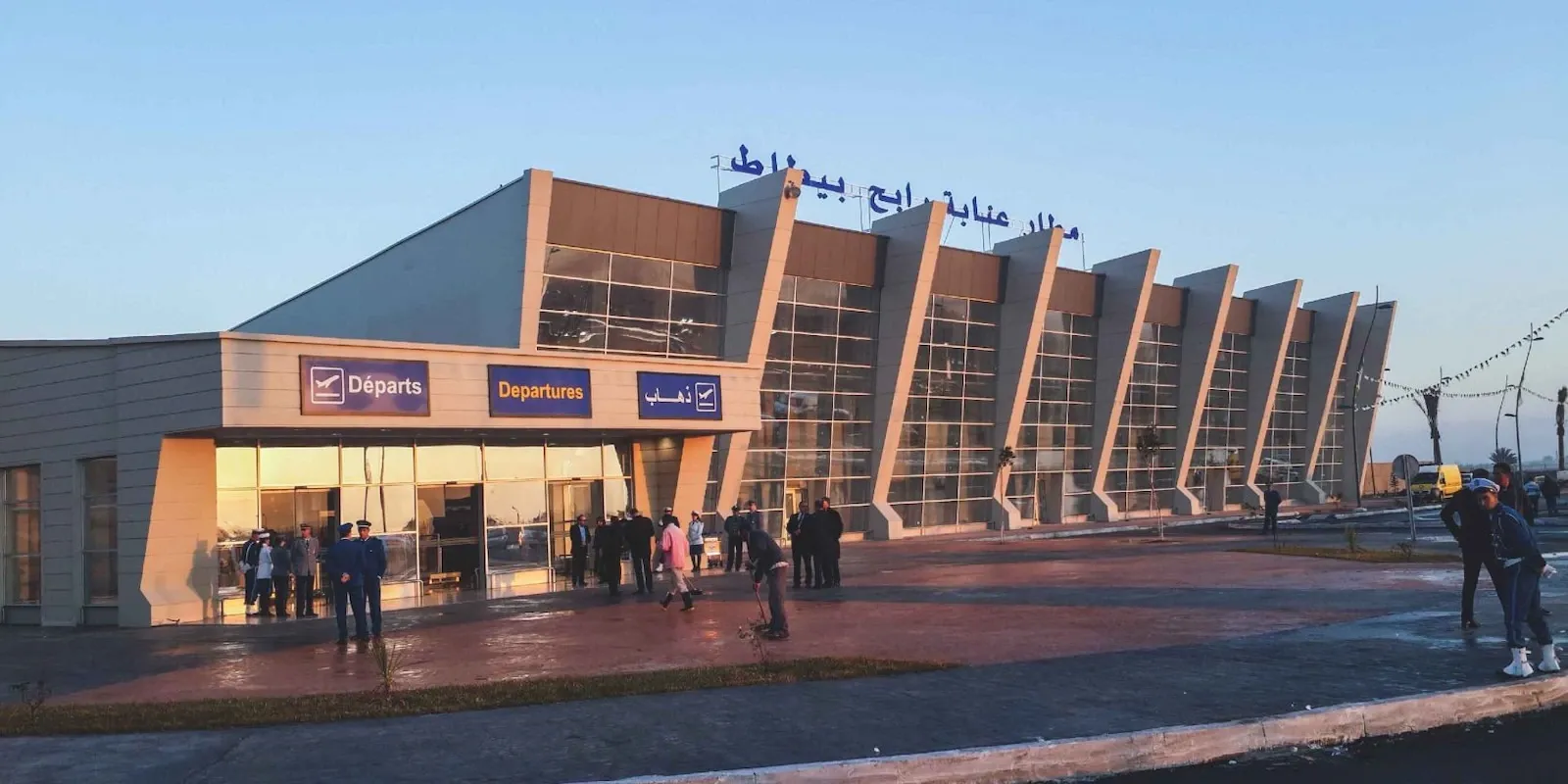
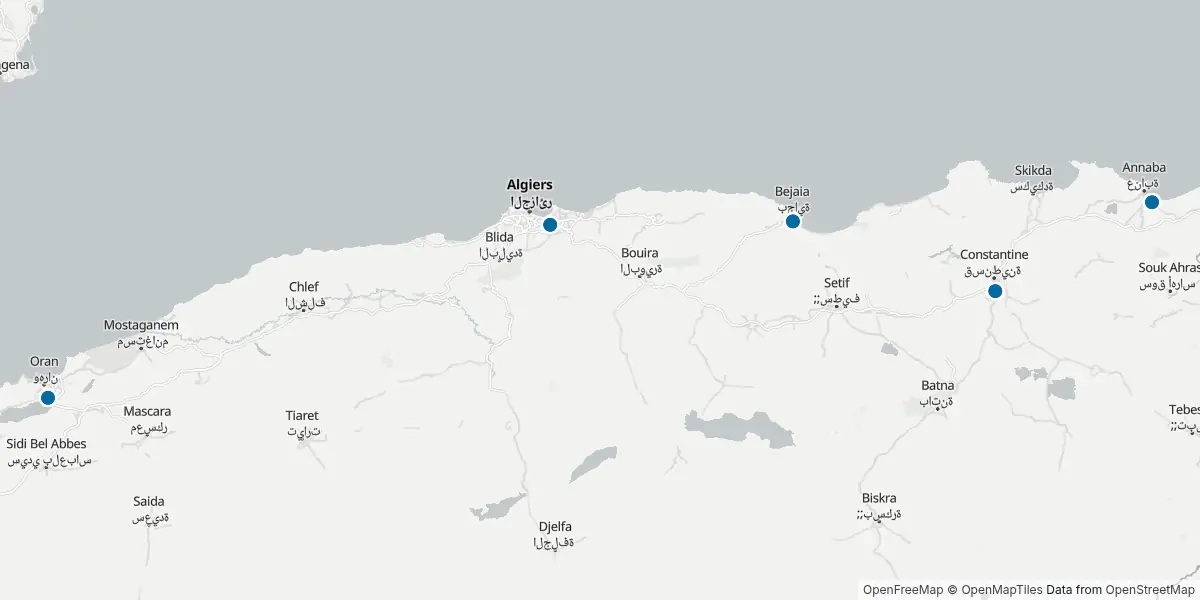
Algeria, the largest country in Africa, is served by five main airports: Houari Boumediene Airport in Algiers, the country's main hub and gateway to the capital; Es Senia Airport in Oran, the country's second city in the western part; Soummam Airport in Bejaia, which serves the mountainous and coastal region of Kabylie in the north-east; Constantine Airport, the country's third city known for its suspended bridges; and Annaba Airport, on the eastern coast, near the Roman ruins of Hippo Regius.
The choice of airport depends a lot on the area to be visited: Algiers for the centre and north of the country, Oran for western Algeria, Bejaia for those heading to Kabylie, Constantine and Annaba for the east of the country. The more inland Saharan areas and border regions instead require specific attention and often organized tours with authorized guides.
Algeria: recommended activities
Algeria: visa and entry requirements
Algeria requires a visa for most Western nationalities, with a procedure historically more complex than in neighbouring Morocco and Tunisia: a letter of invitation or a booking through a registered travel agency may be required, especially for those heading to the Sahara regions.
Rules change periodically: it is always essential to check the up-to-date requirements for your nationality with the Algerian consulate before organizing the trip.
Algeria: safety
The main coastal cities of the north (Algiers, Oran, Béjaïa) are generally visitable with the normal precautions valid for any large Mediterranean city.
The border areas with Libya, Mali, Niger and Mauritania, as well as some areas of the deep Sahara, are instead subject to higher security risks and often require special permits or participation in organized tours with authorized guides: it is essential to check the up-to-date situation of each area before travelling off the main tourist routes.
Algeria: health situation
The health risk in Algeria varies a lot between coastal cities and the more isolated Saharan areas. Tap water is generally not considered safe for visitors: bottled water and well-cooked food are recommended.
Vaccinations against hepatitis A and typhoid are generally recommended; a yellow fever vaccination certificate may be required for those arriving from at-risk countries. Hospital facilities are adequate in Algiers and Oran, much more limited in the Saharan regions, where medical evacuation can take time.
Algeria: currency, payments and connectivity
The currency is the Algerian dinar. Card acceptance is very limited even in large cities: the economy remains largely cash-based, and withdrawals with foreign cards are not always reliable.
Western transport apps are not widespread; the local operator Yassir is active in some cities. The traditional taxi remains the most common option.
For local connectivity, the main operators (Djezzy, Mobilis, Ooredoo) offer prepaid SIM cards, generally purchasable in their shops with passport registration.
For driving and car rental, an International Driving Permit (IDP) is generally required alongside the original licence, regardless of nationality. Always check the up-to-date requirements before departure.
Algeria: travel guides
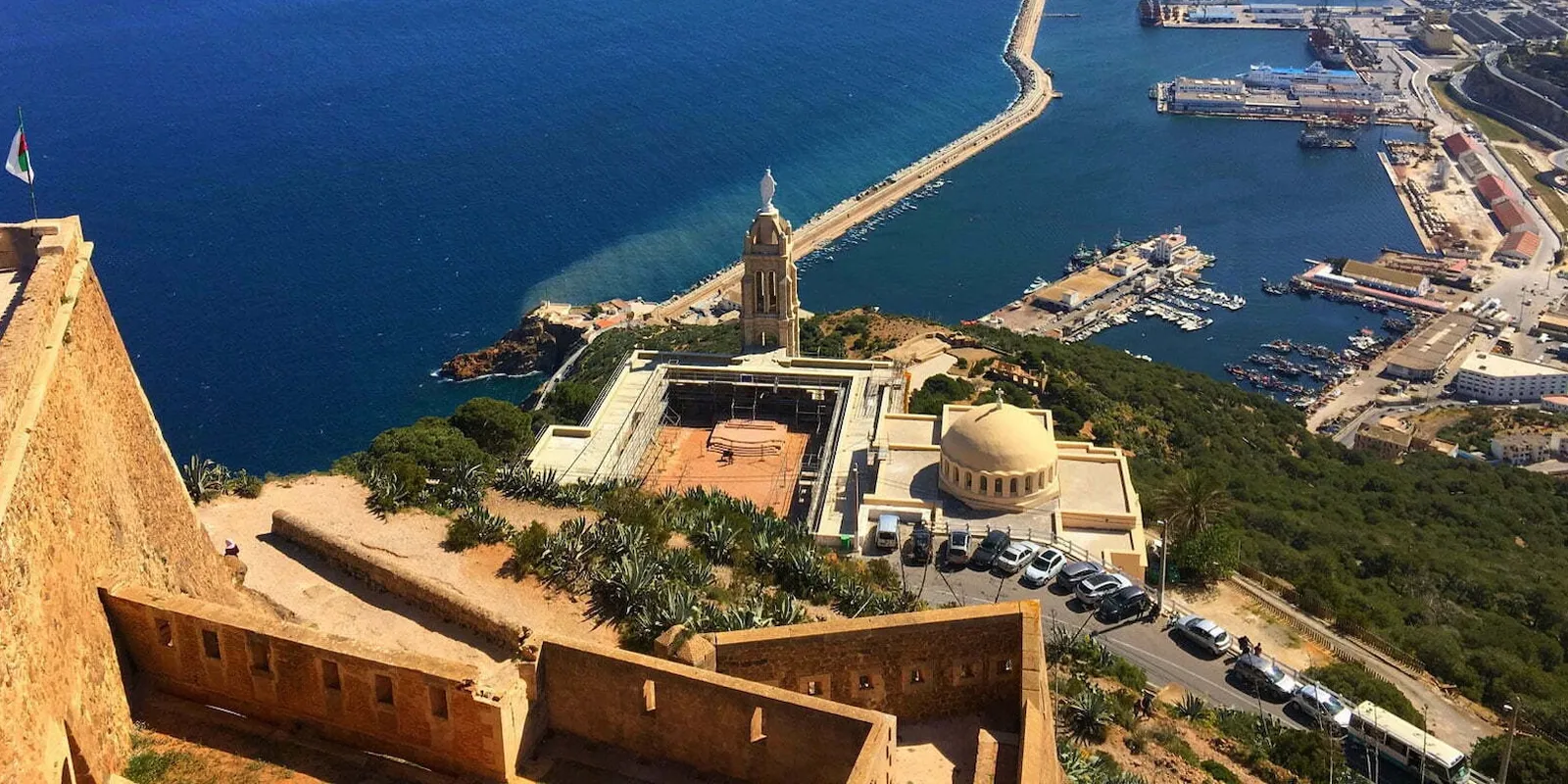
Oran: raï music on the Algerian Mediterranean coast
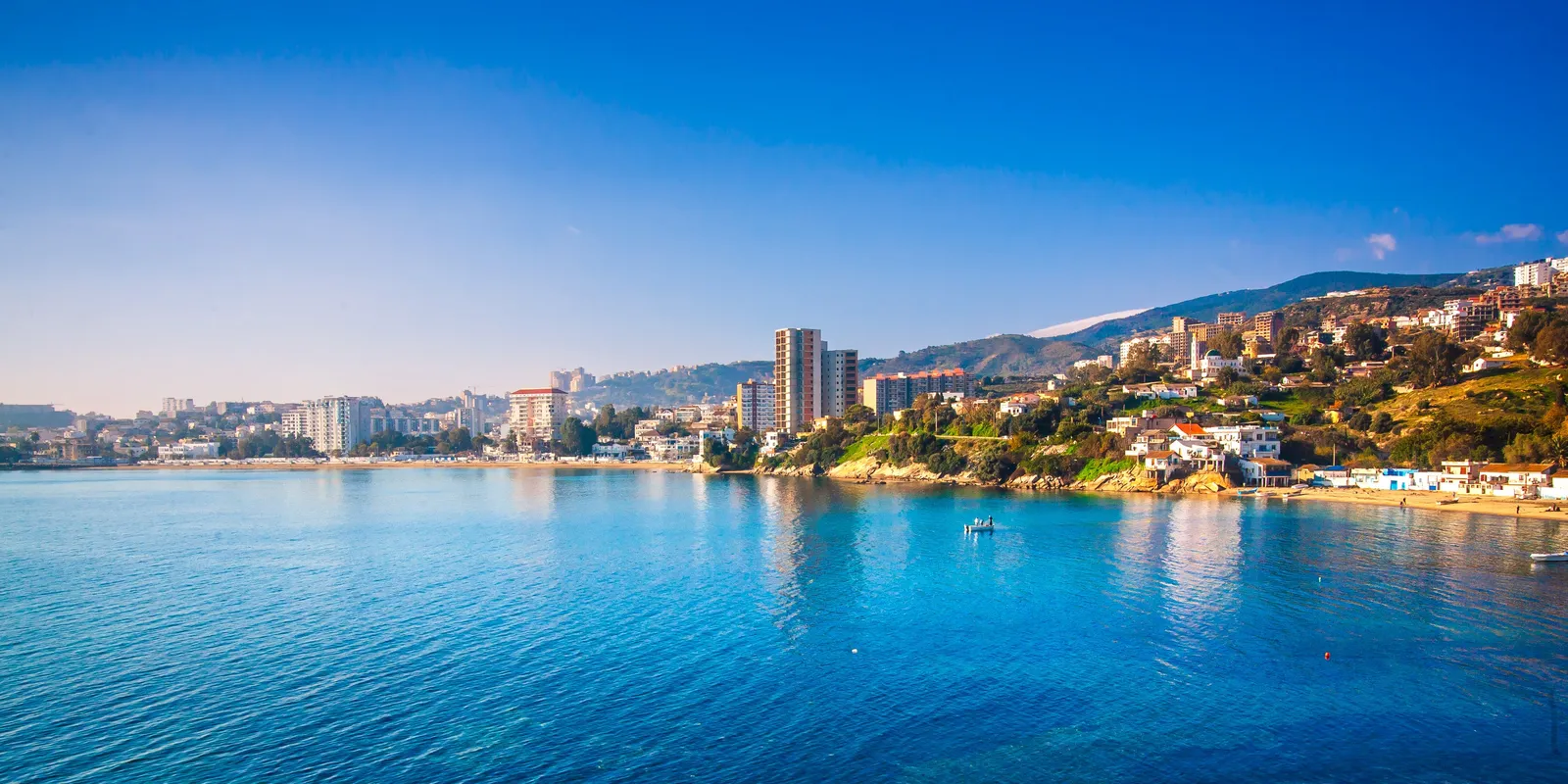
Annaba: where Saint Augustine wrote the Confessions
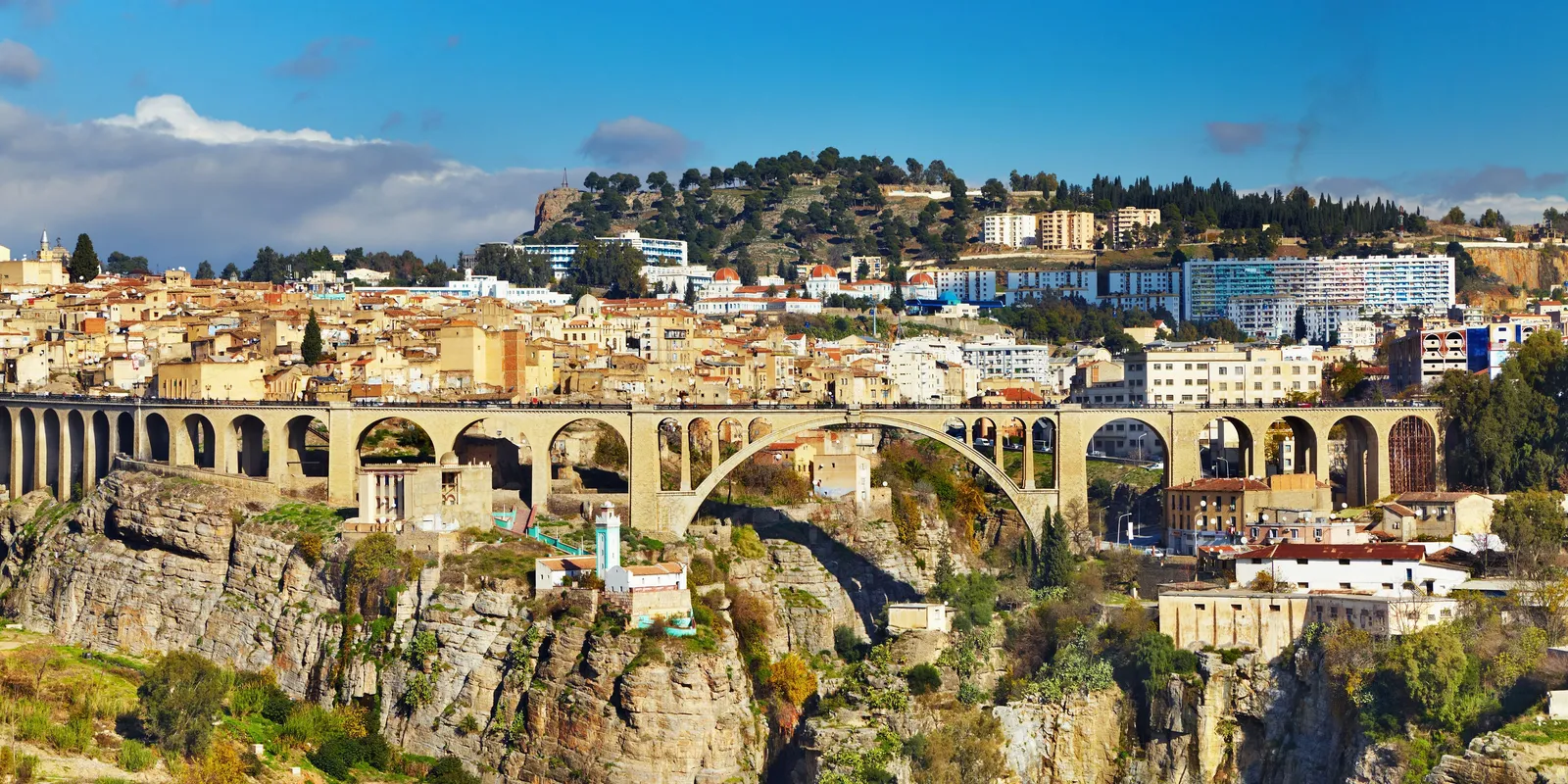
Constantine: the city of suspended bridges over the gorges
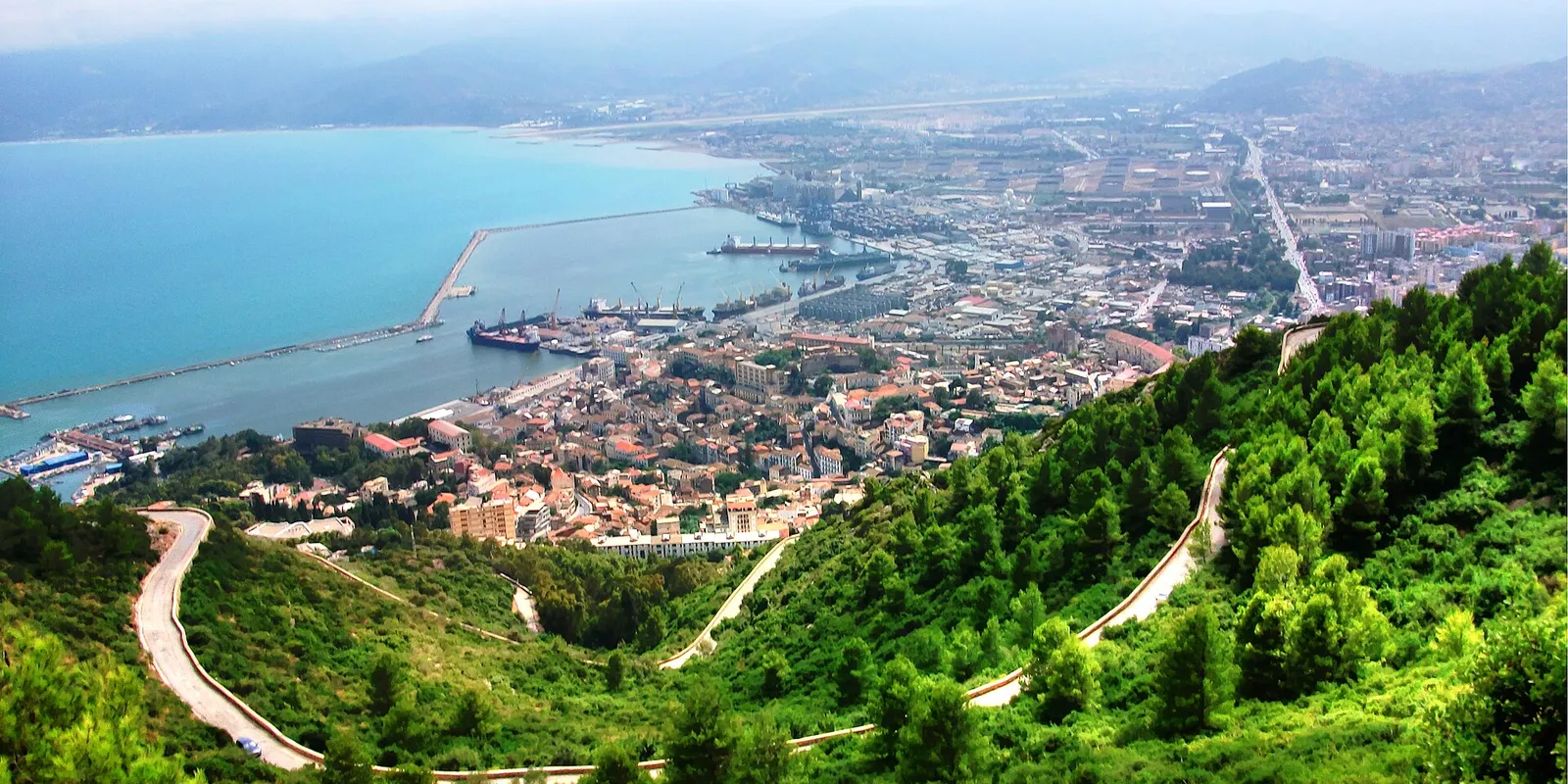
Béjaïa: the bay of sirens on the Algerian Mediterranean