Iran: main airports
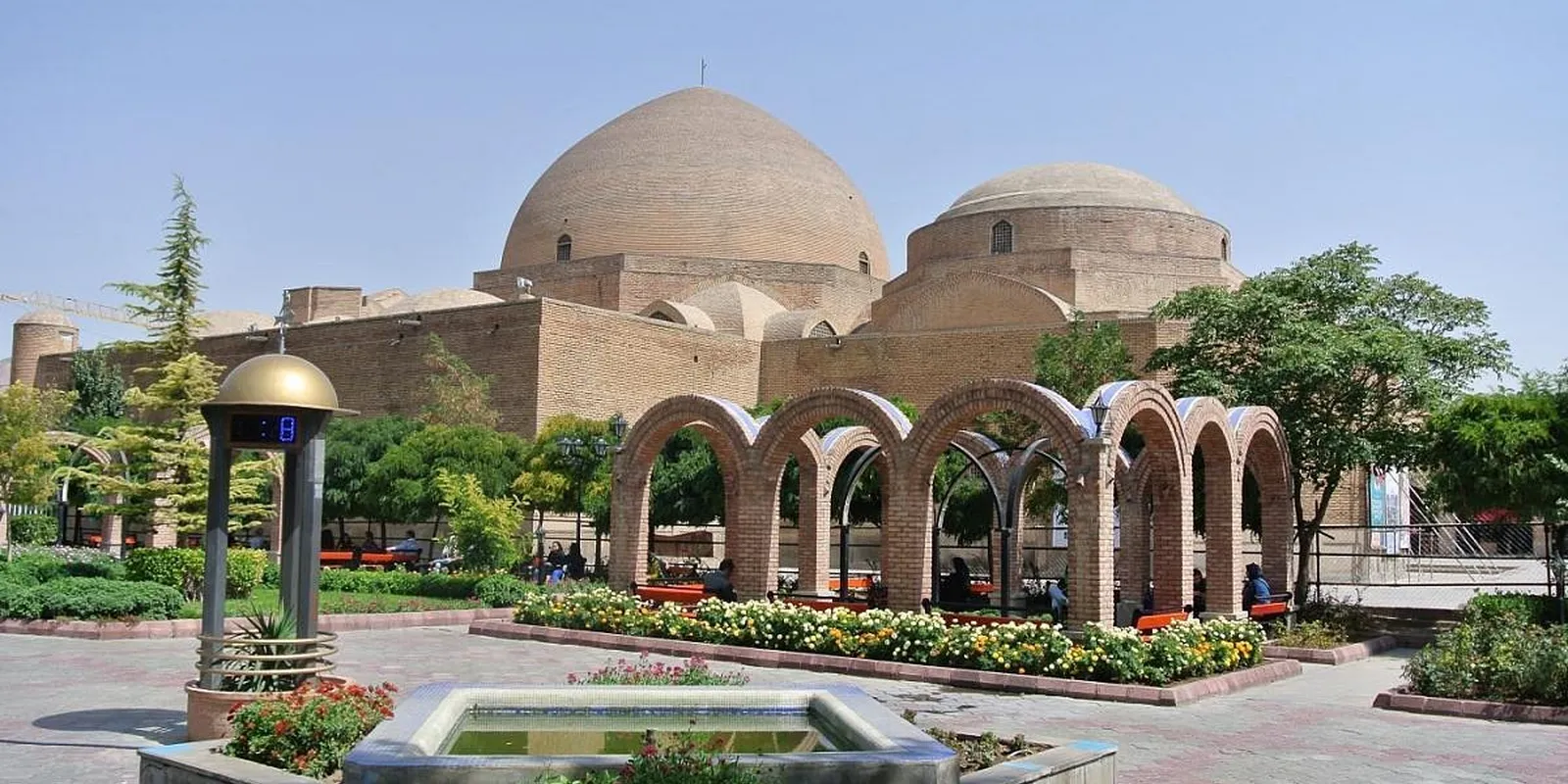
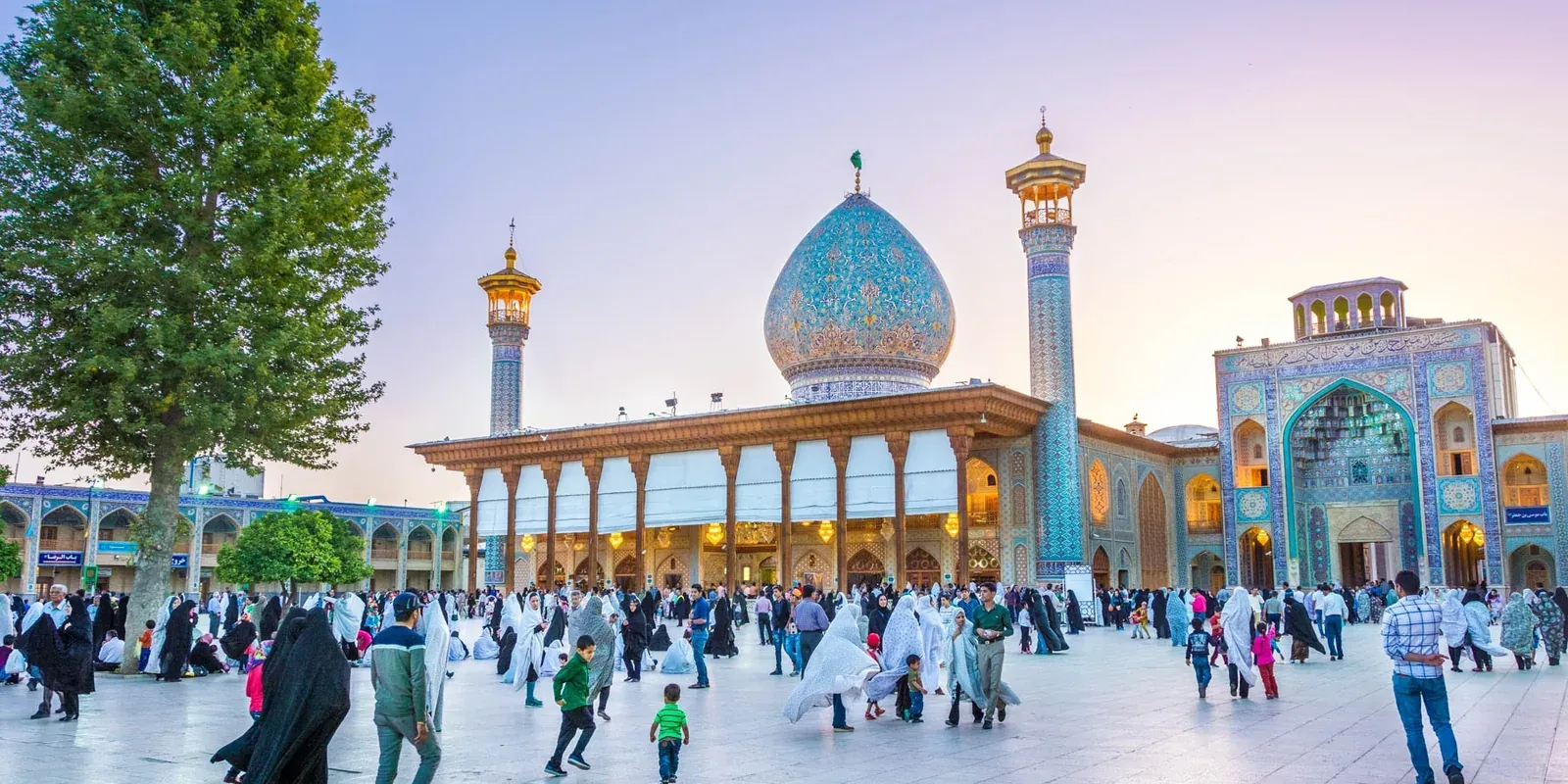
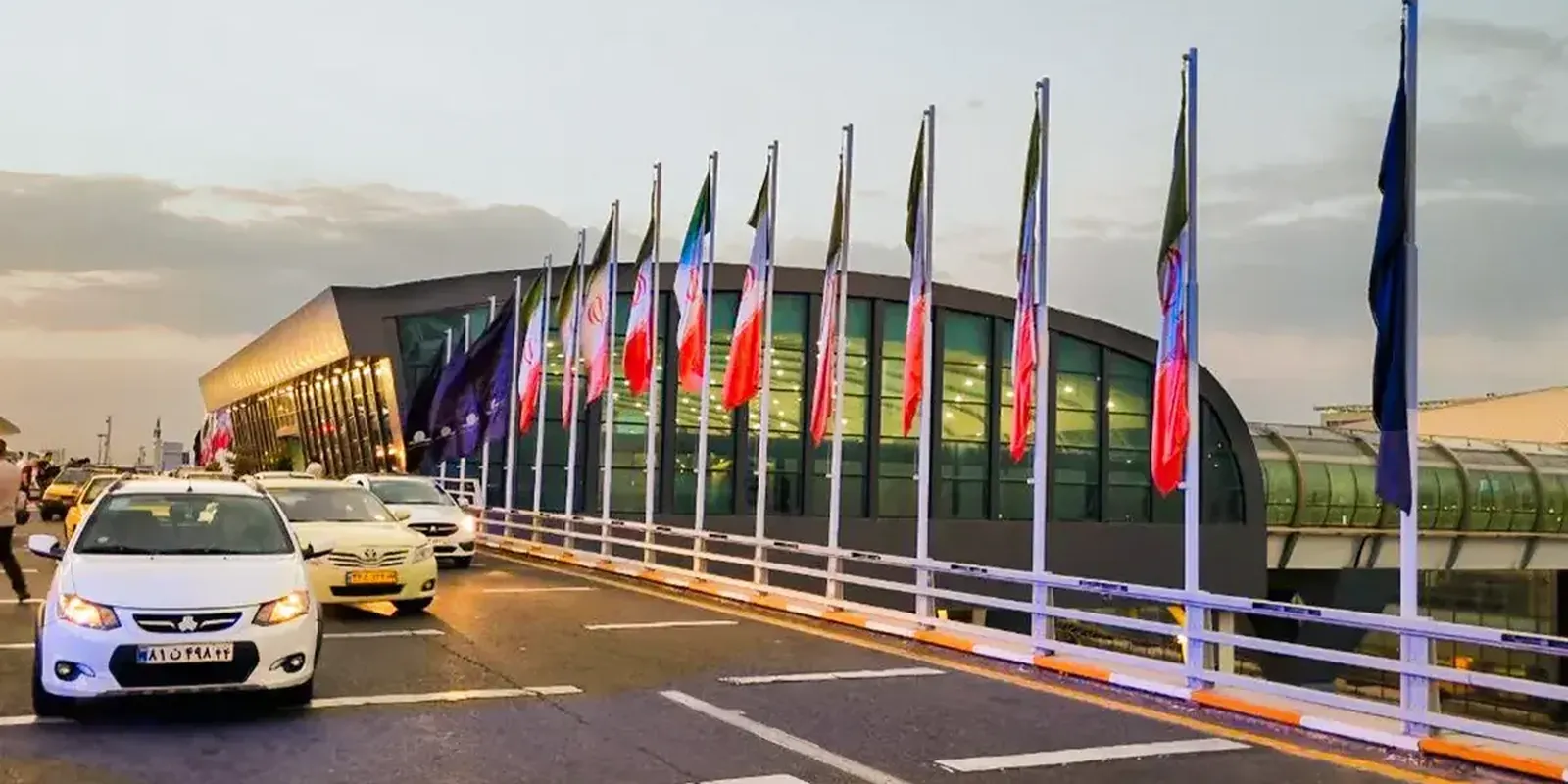
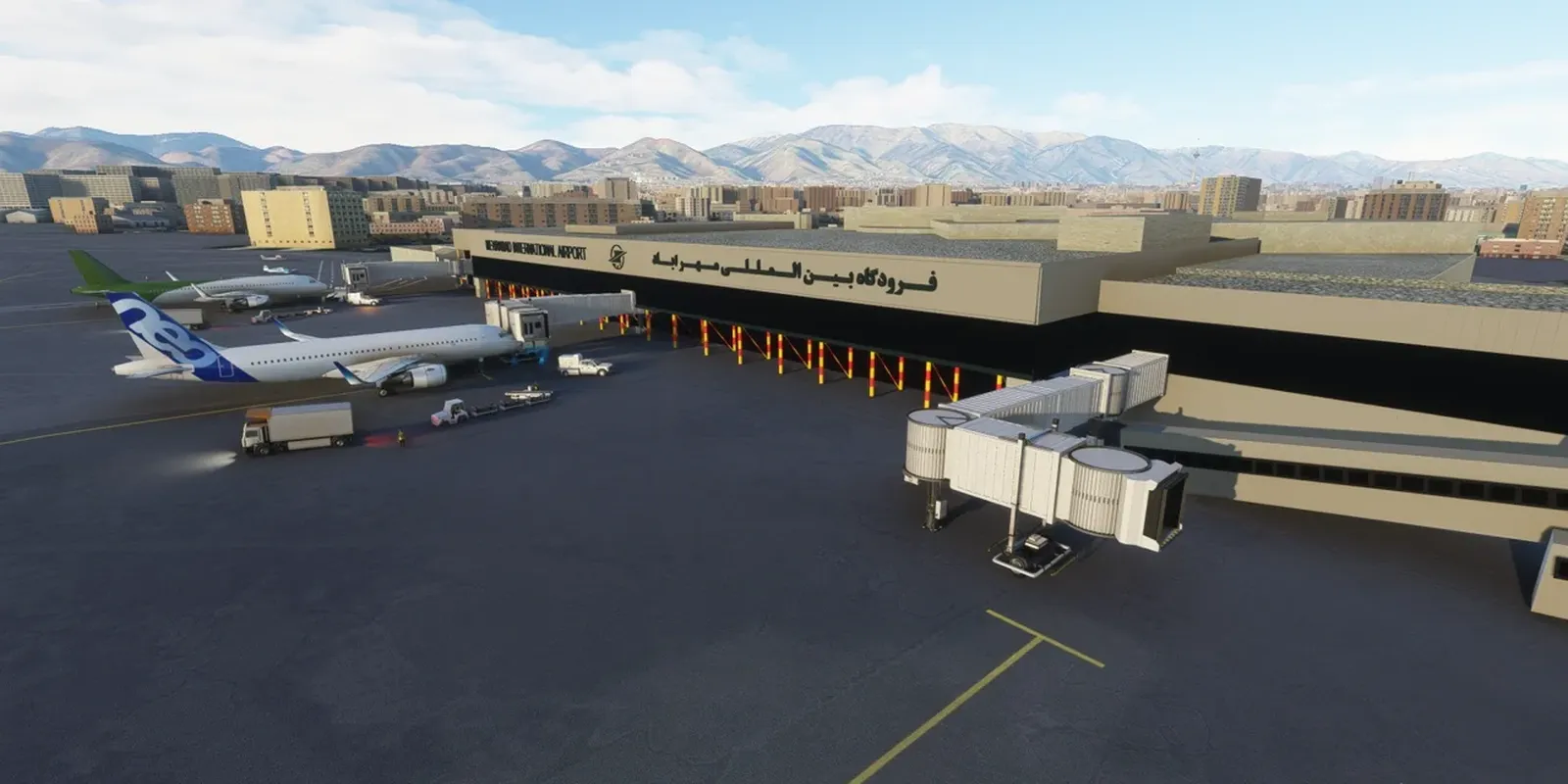
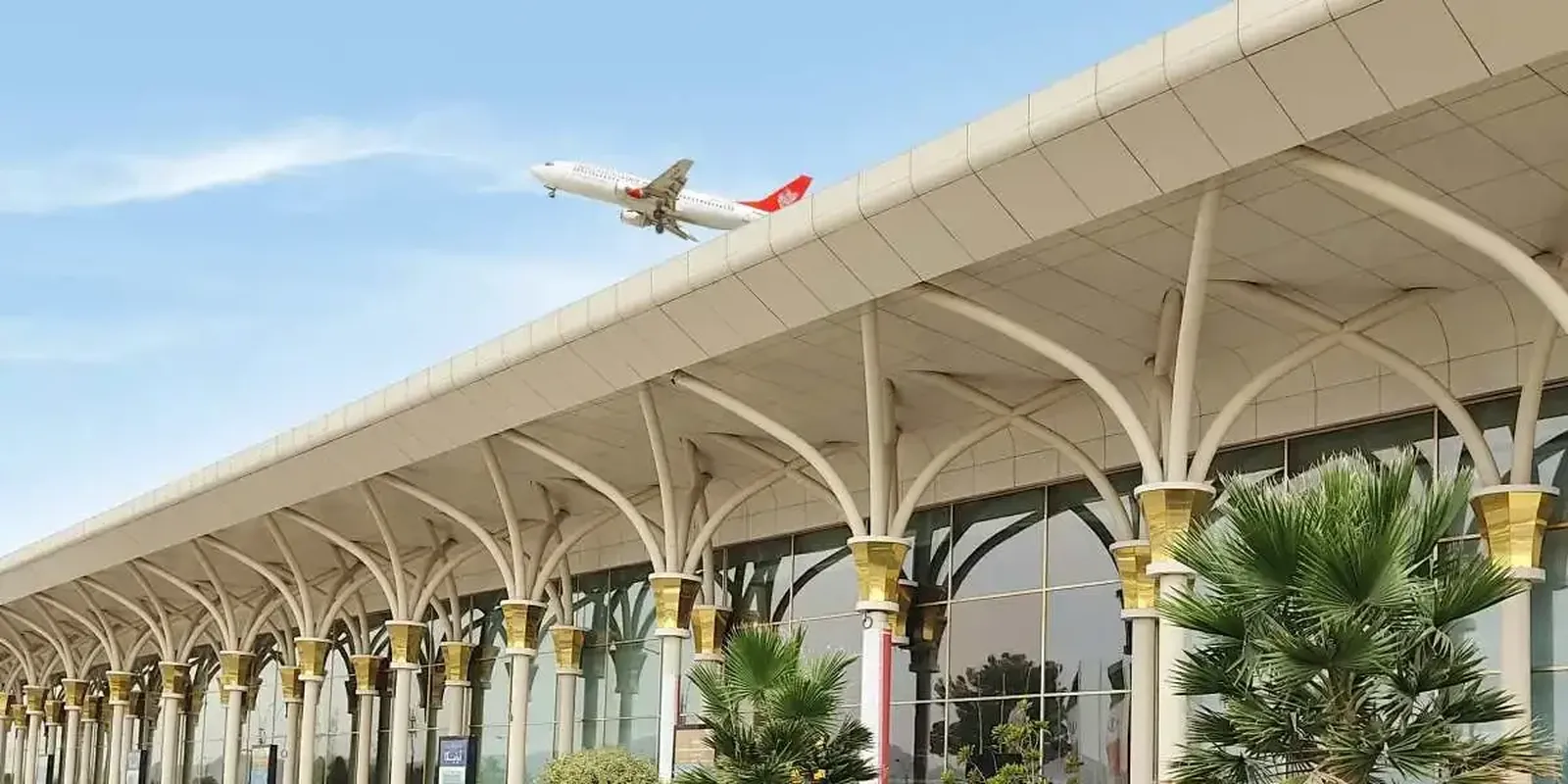
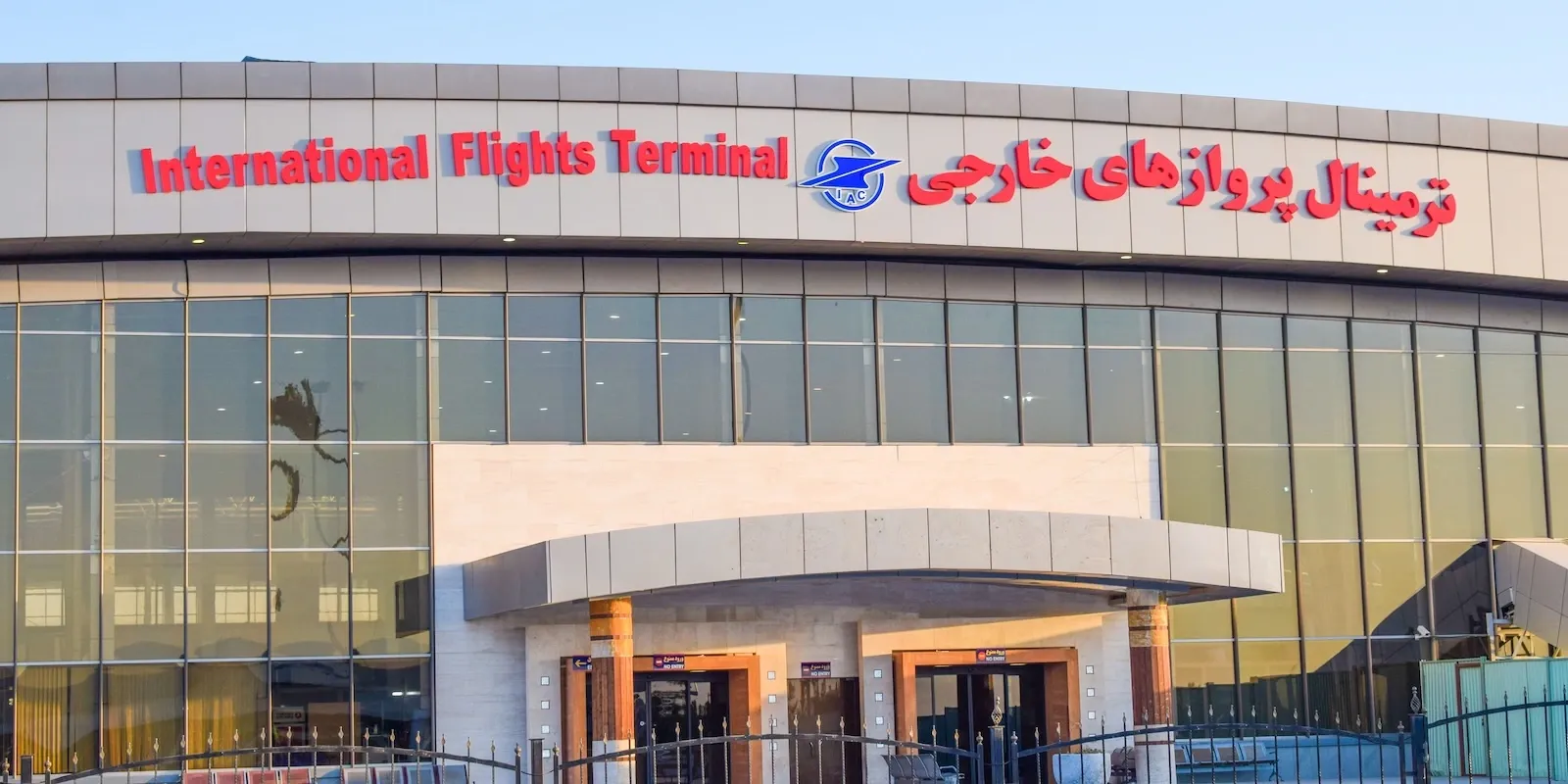
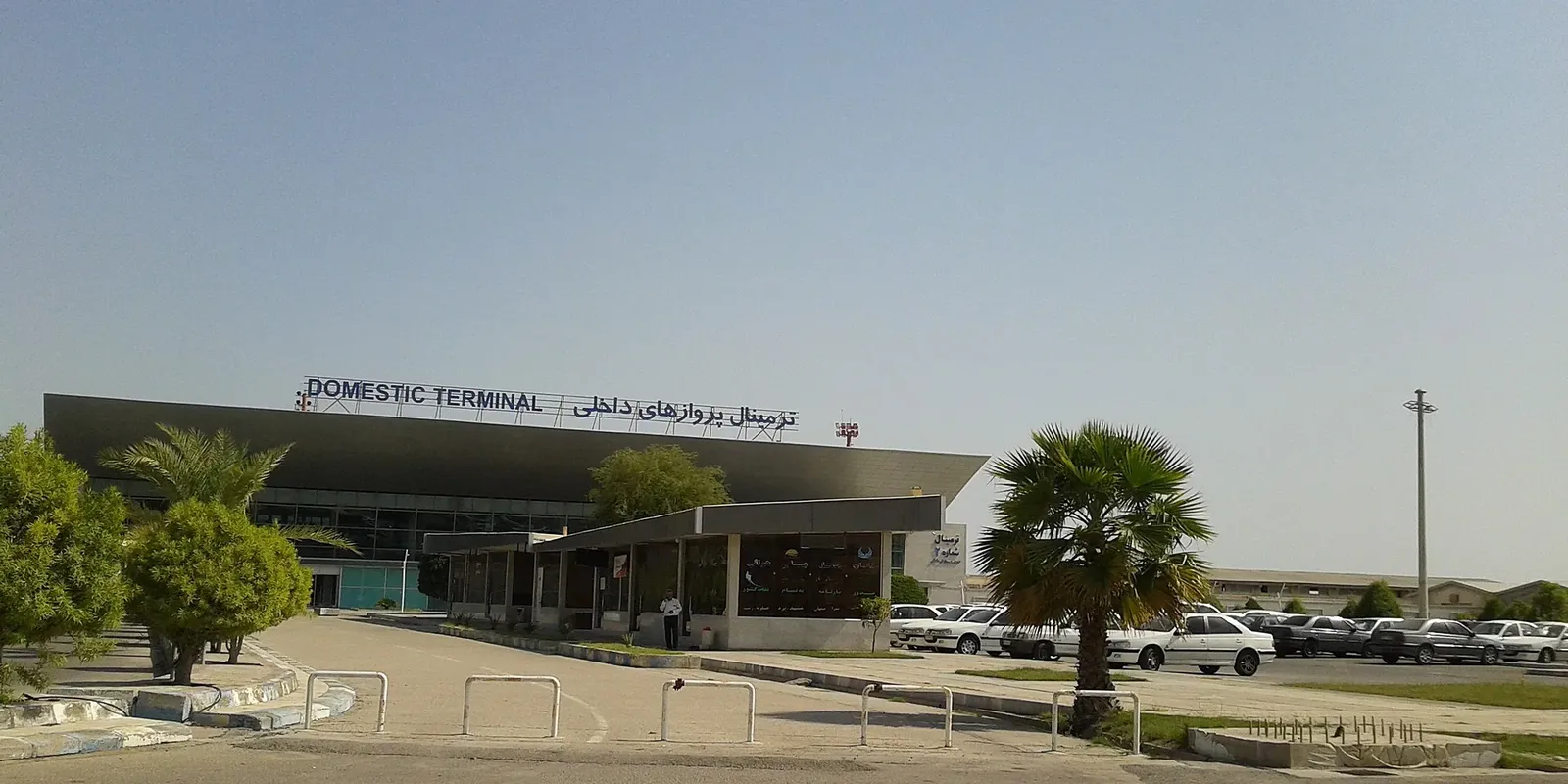
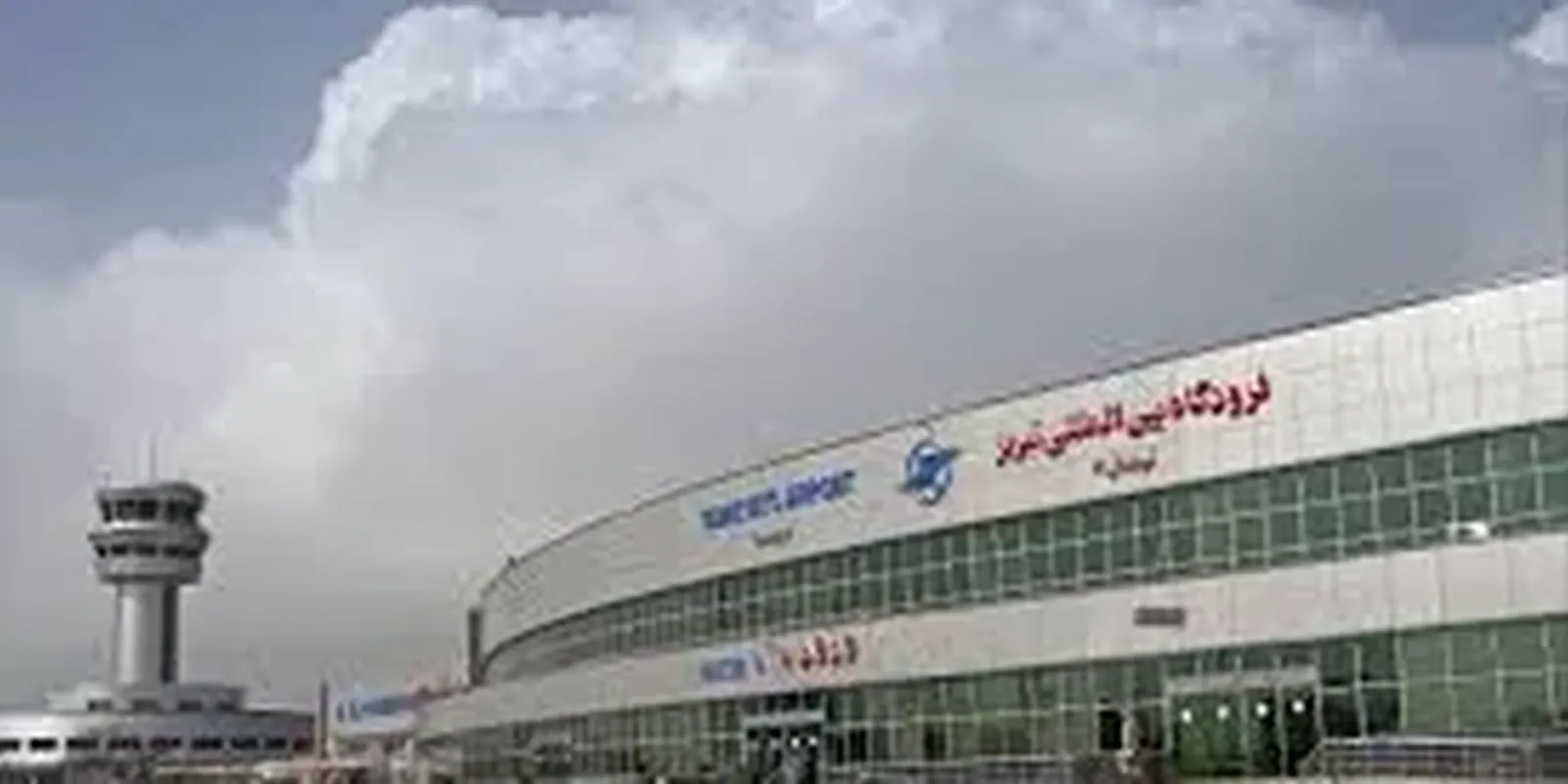
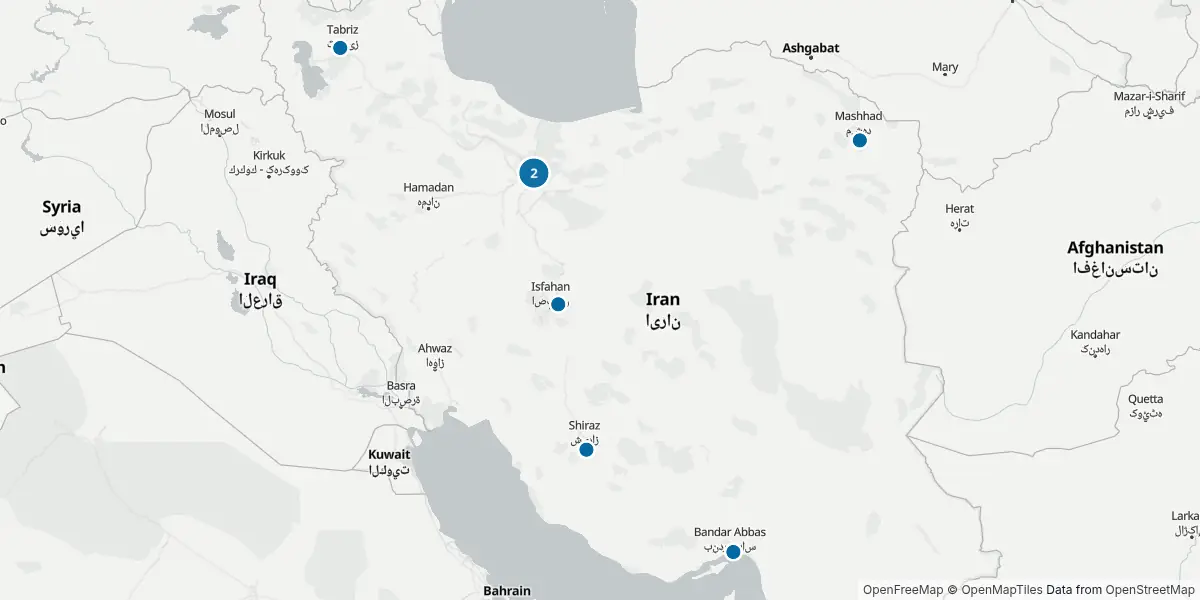
Iran has seven airports with active connections: Imam Khomeini Airport, the main international airport near Tehran, Mehrabad Airport for domestic flights in the capital, and the airports of Mashhad, Shiraz, Isfahan, the country's cultural capital, Tabriz and Bandar Abbas.
Iran: recommended activities
Iran: visa and entry requirements
A visa is mandatory for almost all nationalities. Most countries, including Italy, can apply for the e-visa online (30 days, extendable), with processing generally taking a few working days. Citizens of the United States, United Kingdom and Canada cannot use the standard e-visa: they must travel with an organised tour and a licensed guide for the entire stay, with a separate and more complex application procedure. The passport must have at least 6 months of remaining validity.
Iran: safety
It must be said honestly: Iran's political and diplomatic situation remains complex and can change rapidly depending on the regional context; the United States classifies the country as Level 4 ('do not travel') for its own citizens, citing in particular the concrete risk of arbitrary detentions of foreigners, especially Americans, British and dual nationals. That said, many European travellers visit Iran every year without incident, often describing a very warm local welcome: nonetheless, always check your country's diplomatic updates before departure. For women, covering the head (hijab) in public is mandatory, including at the airport on arrival, and dressing modestly (long sleeves, loose-fitting clothing) is required.
Iran: health situation
No specific vaccinations are required for those arriving from Europe. Tehran's healthcare facilities are adequate for common emergencies; travel insurance with medical coverage is essential, since international credit cards do not work to pay for any healthcare expenses on site.
Iran: currency, payments and connectivity
The currency is the Iranian rial (IRR), subject to strong inflation and devaluation: to get your bearings on costs it's better to think in USD/EUR and check the day's exchange rate, rather than relying on rial figures that age quickly. Due to international sanctions, foreign credit and debit cards (Visa, Mastercard) do not work at all in Iran: bring with you all the cash you need in USD or EUR, to be exchanged on site. There are no international ride-hailing apps (Uber does not operate), but the local app Snapp is widely used in major cities. For connectivity, the operators Irancell and MCI sell prepaid SIM cards; many Western social media and apps are blocked and require a VPN, which often also disables digital payments if left active during a transaction.
Iran: travel guides
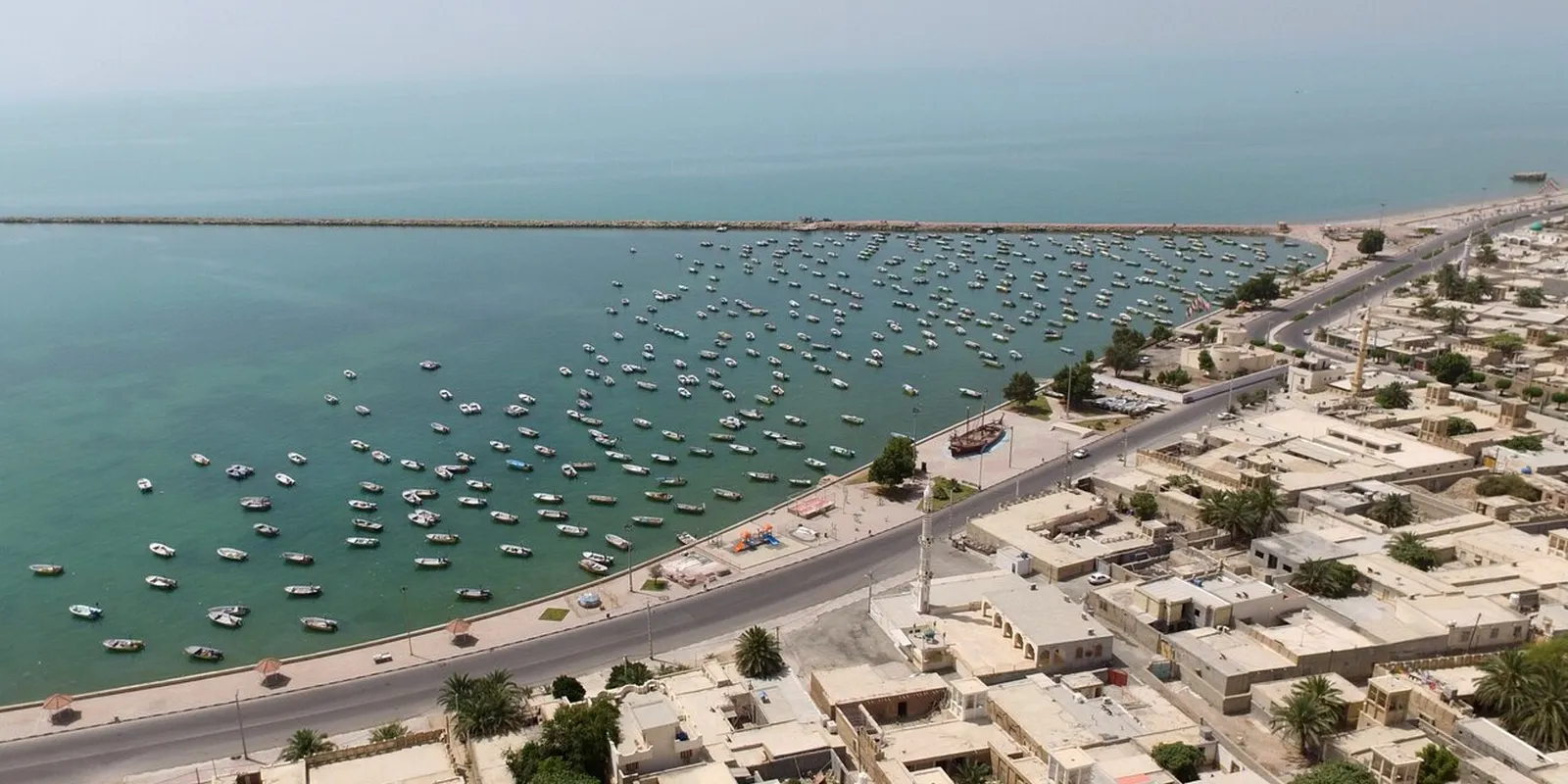
Bandar Abbas: the gateway to the Strait of Hormuz
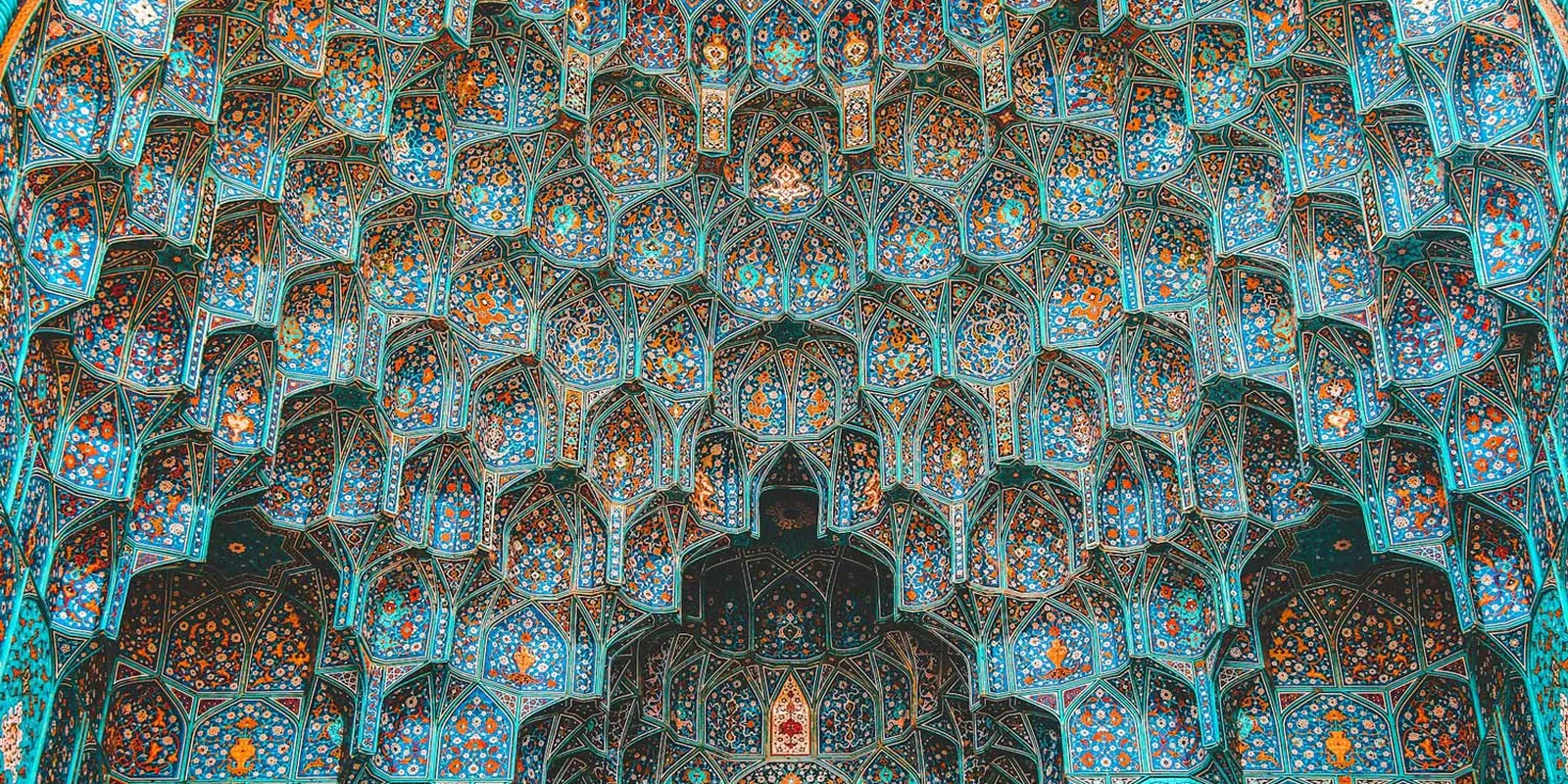
Isfahan: half the world beneath blue domes
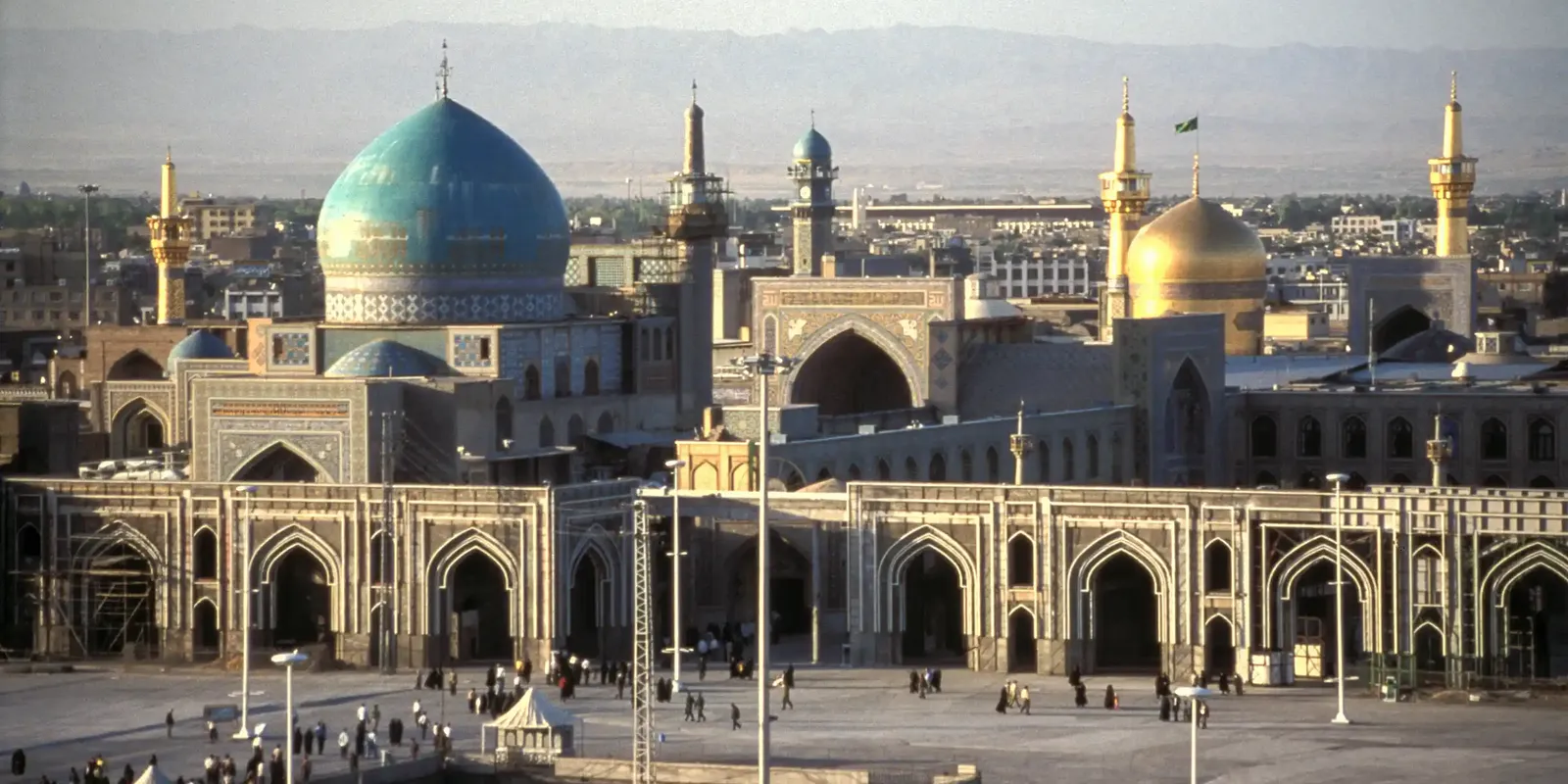
Mashhad: Iran's most sacred shrine
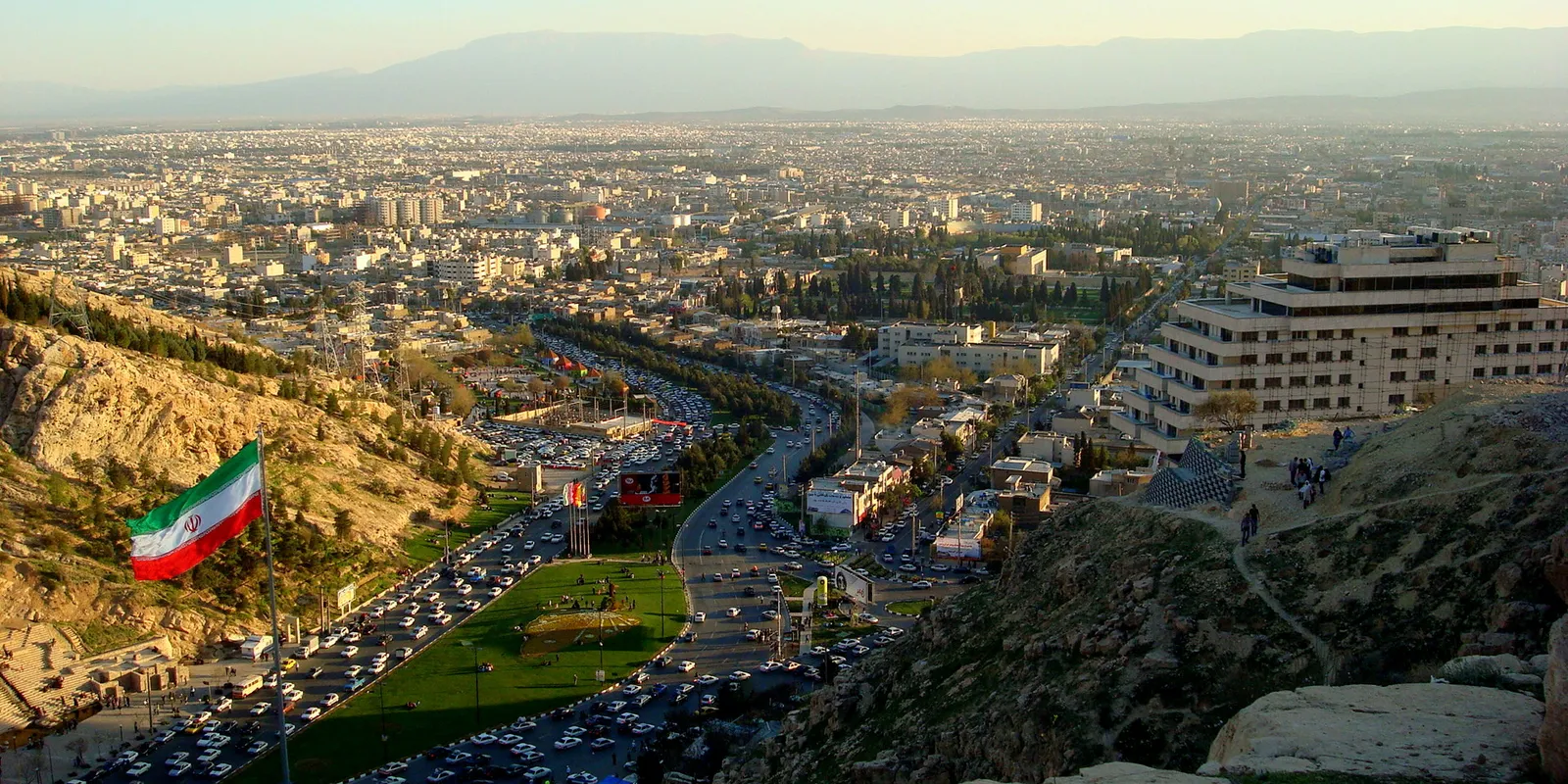
Shiraz: roses, poetry and nearby Persepolis
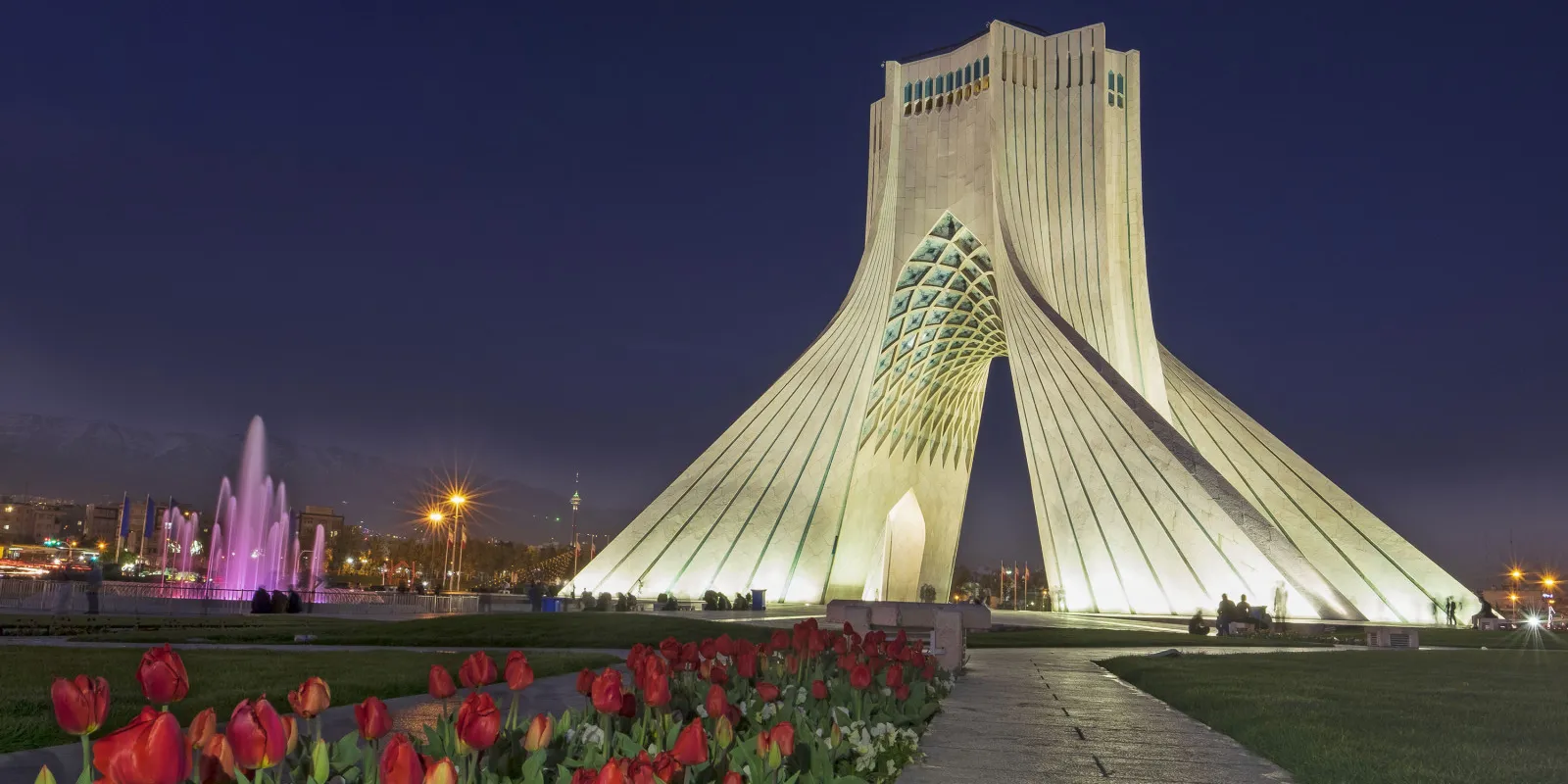
Tehran: Golestan Palace and the Grand Bazaar