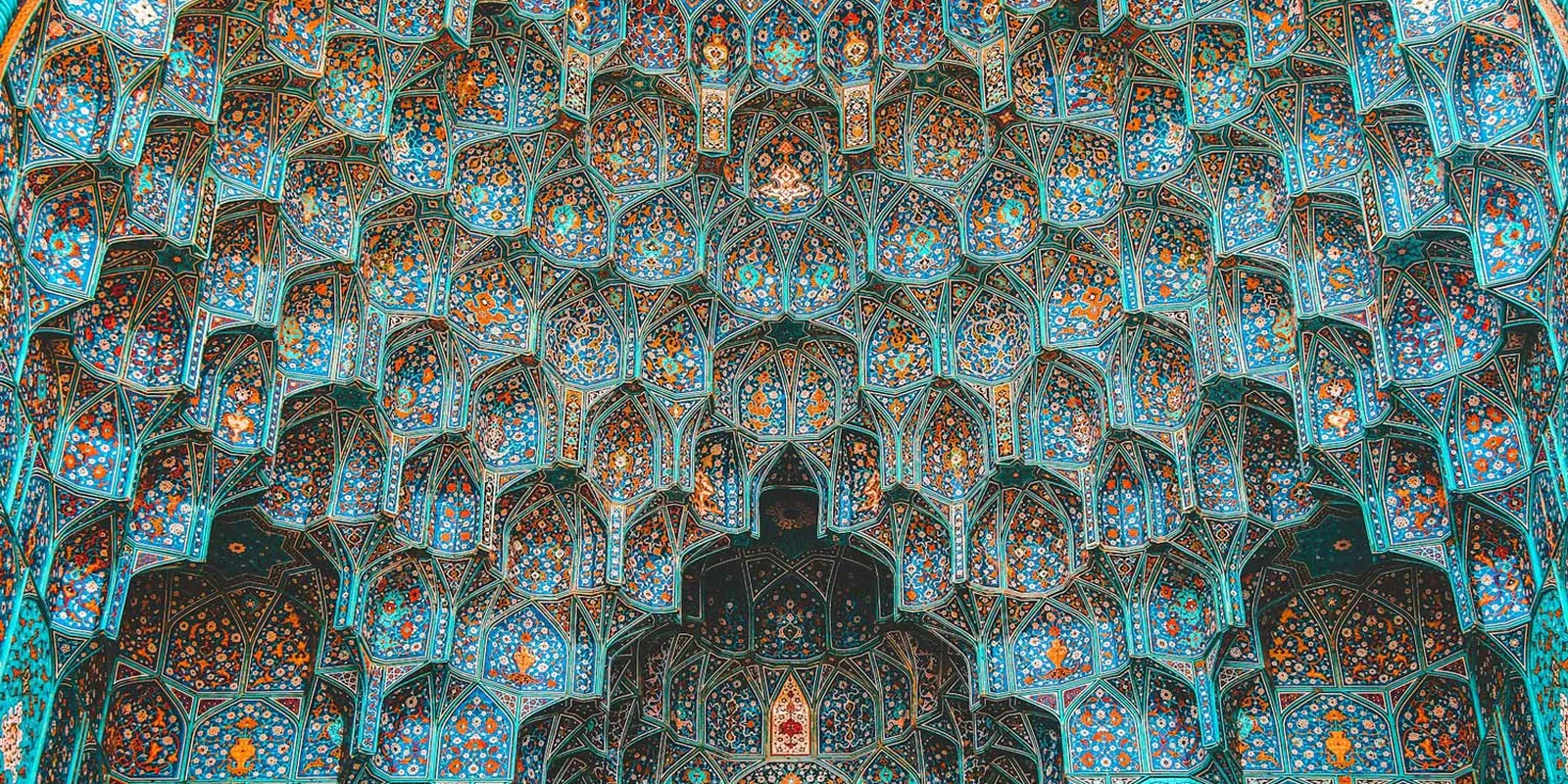

Isfahan: half the world beneath blue domes
An ancient Persian proverb says 'Isfahan is half the world': its central square, among the largest ever built, still justifies that exaggeration today.
The centre, around the great Naqsh-e Jahan square, a UNESCO World Heritage site, is easily explored on foot.
The Naqsh-e Jahan Square, a UNESCO World Heritage site and the second largest square in the world, is surrounded by mosques, a palace and a covered bazaar built in the seventeenth century.
On one side of the square, the Sheikh Lotfollah Mosque houses beneath its dome, cream-colored, mosaics of tiles that change shades with the light of day.
Continuing, you cross the Si-o-se-pol Bridge, with its thirty-three stone arches, a meeting point for residents in the evening above the Zayanderud River, often almost dry.
As evening falls, the Isfahan Bazaar, covered and active for centuries, sells carpets, spices and Persian miniatures painted by hand beneath vaults blackened by time.
The dome of the Sheikh Lotfollah Mosque changes color throughout the day, shifting from cream to pink, an effect intentionally achieved by the seventeenth-century architects through their choice of tiles.
The Si-o-se-pol Bridge, built in 1602, remains a gathering place in the evenings for Isfahan residents, who sit on its steps to sing or simply converse.
Related articles
You might also like...
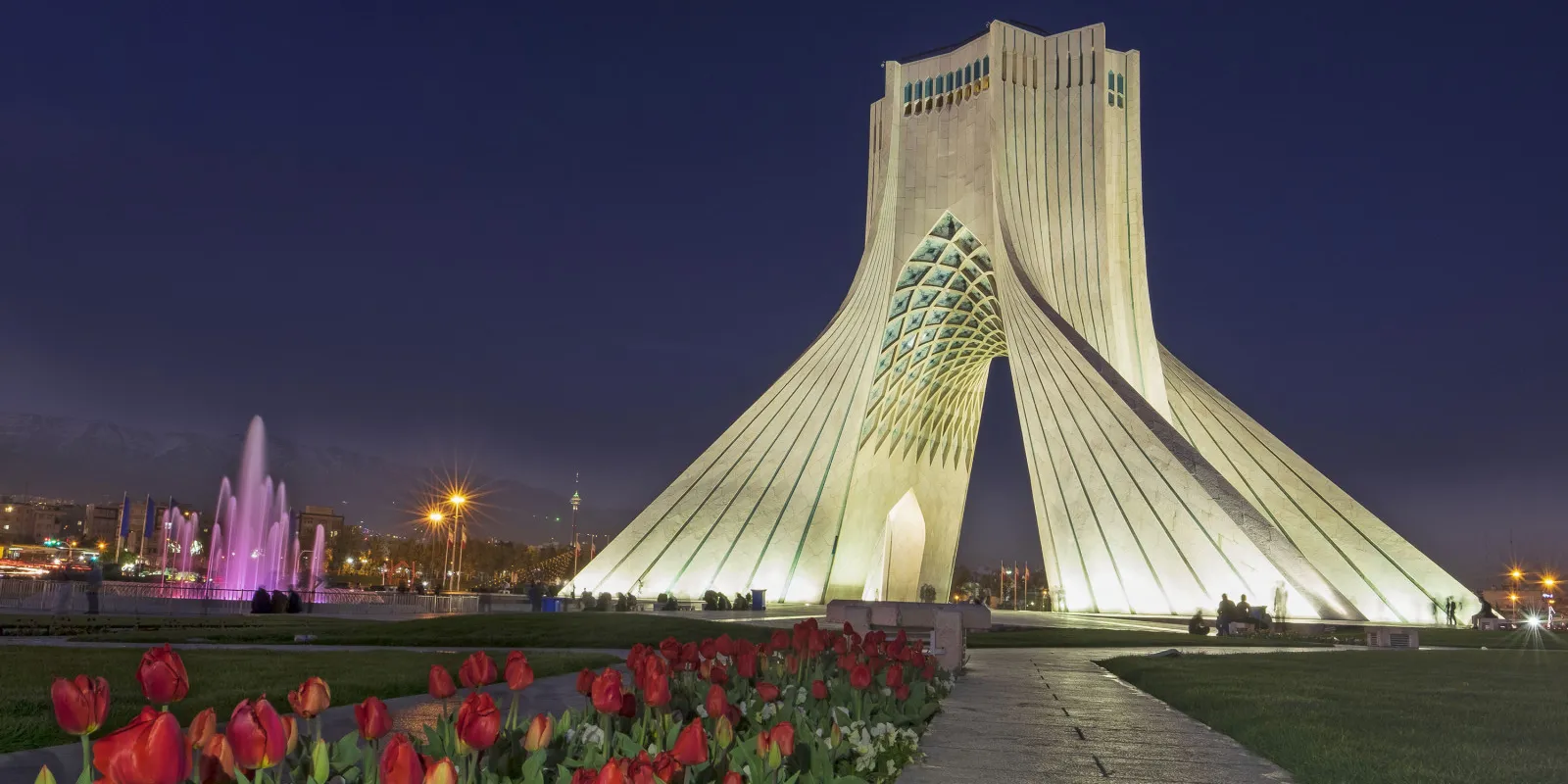
Tehran: Golestan Palace and the Grand Bazaar
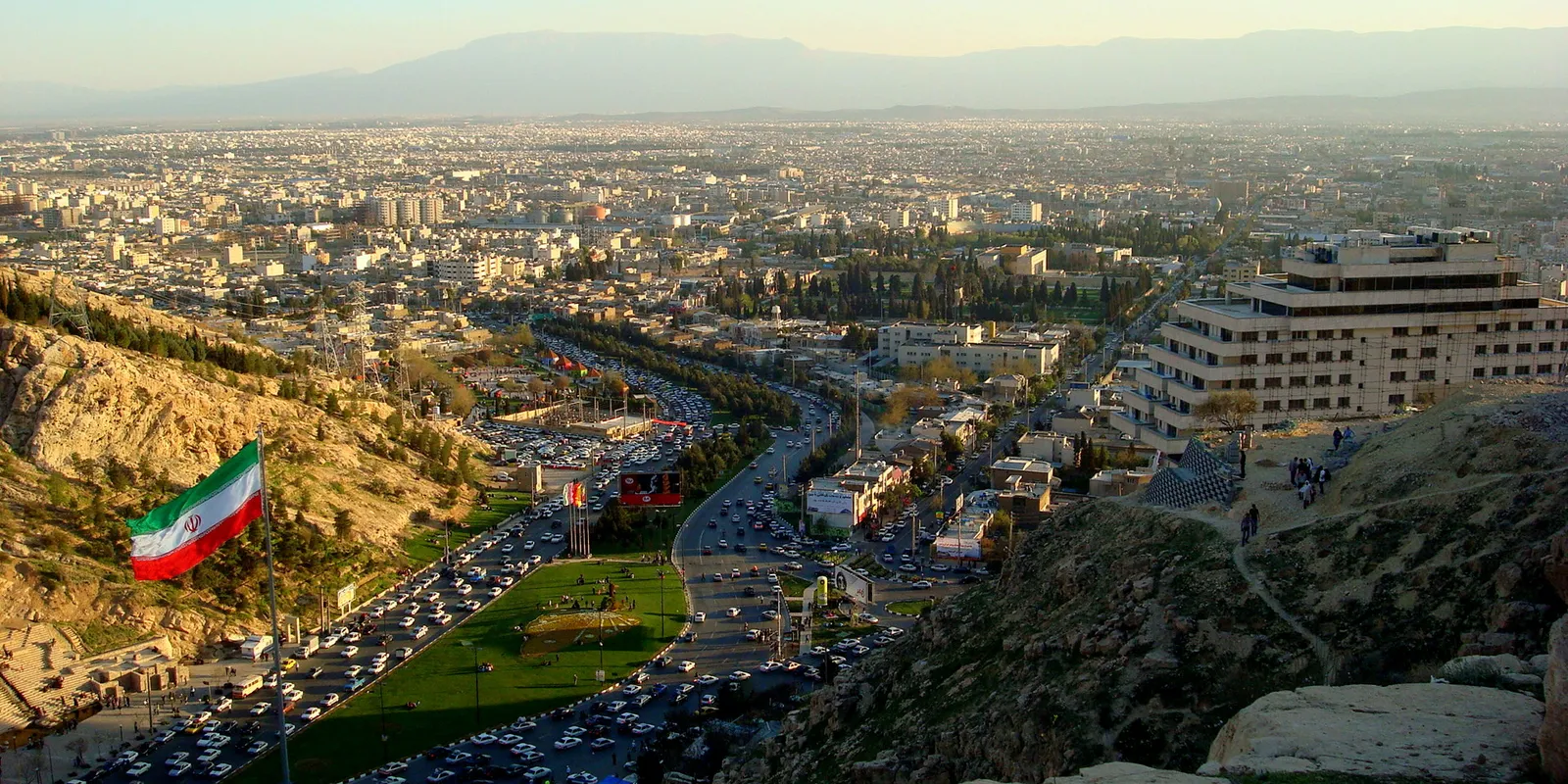
Shiraz: roses, poetry and nearby Persepolis
Lounges at Oslo Airport: which one should you choose

Fear of flying: what the numbers say and where to find help
Tan Son Nhat airport lounges: which one to pick in Ho Chi Minh City