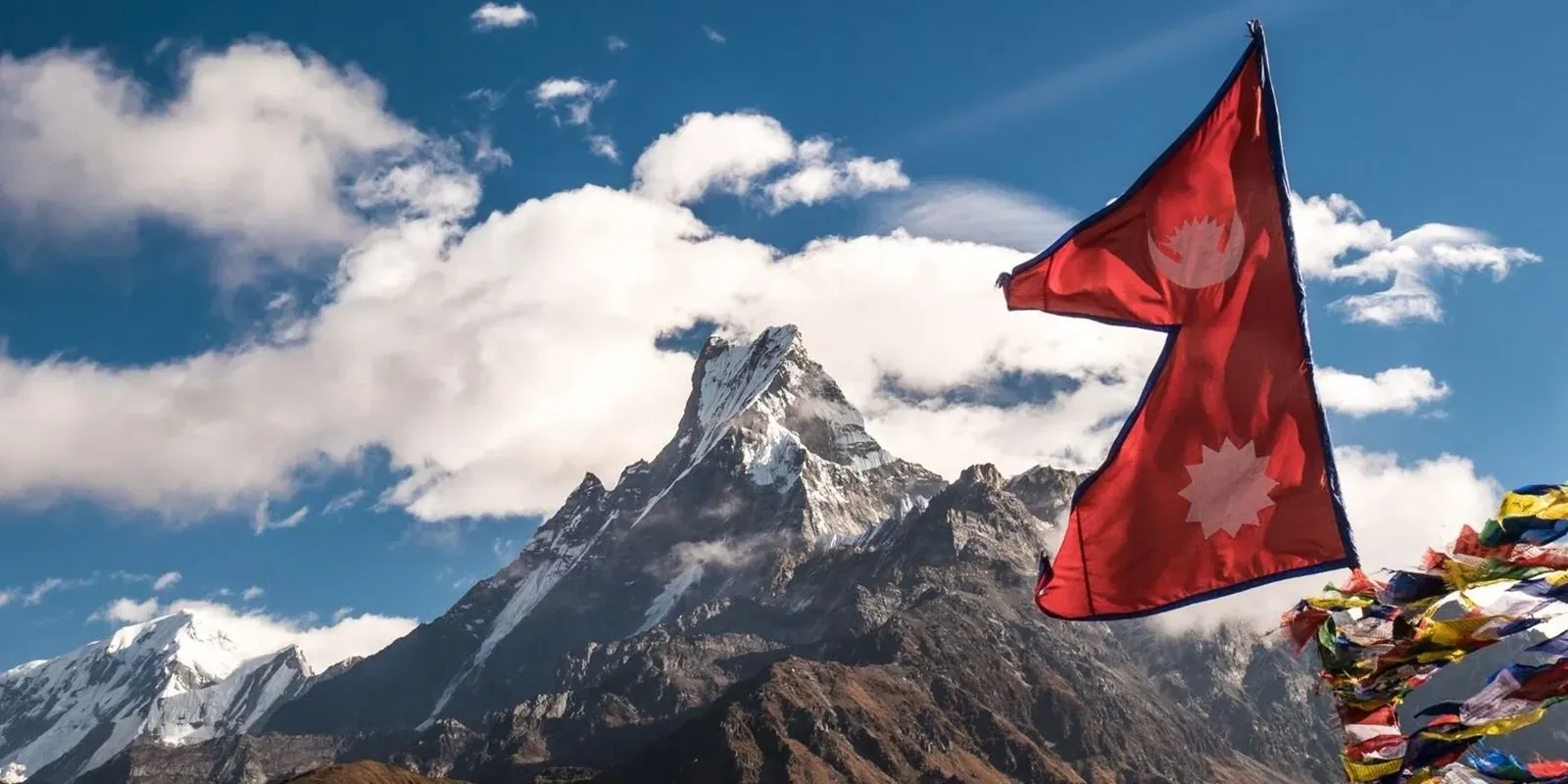
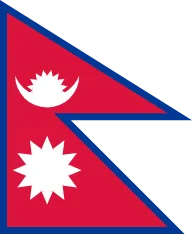
Nepal: main airports
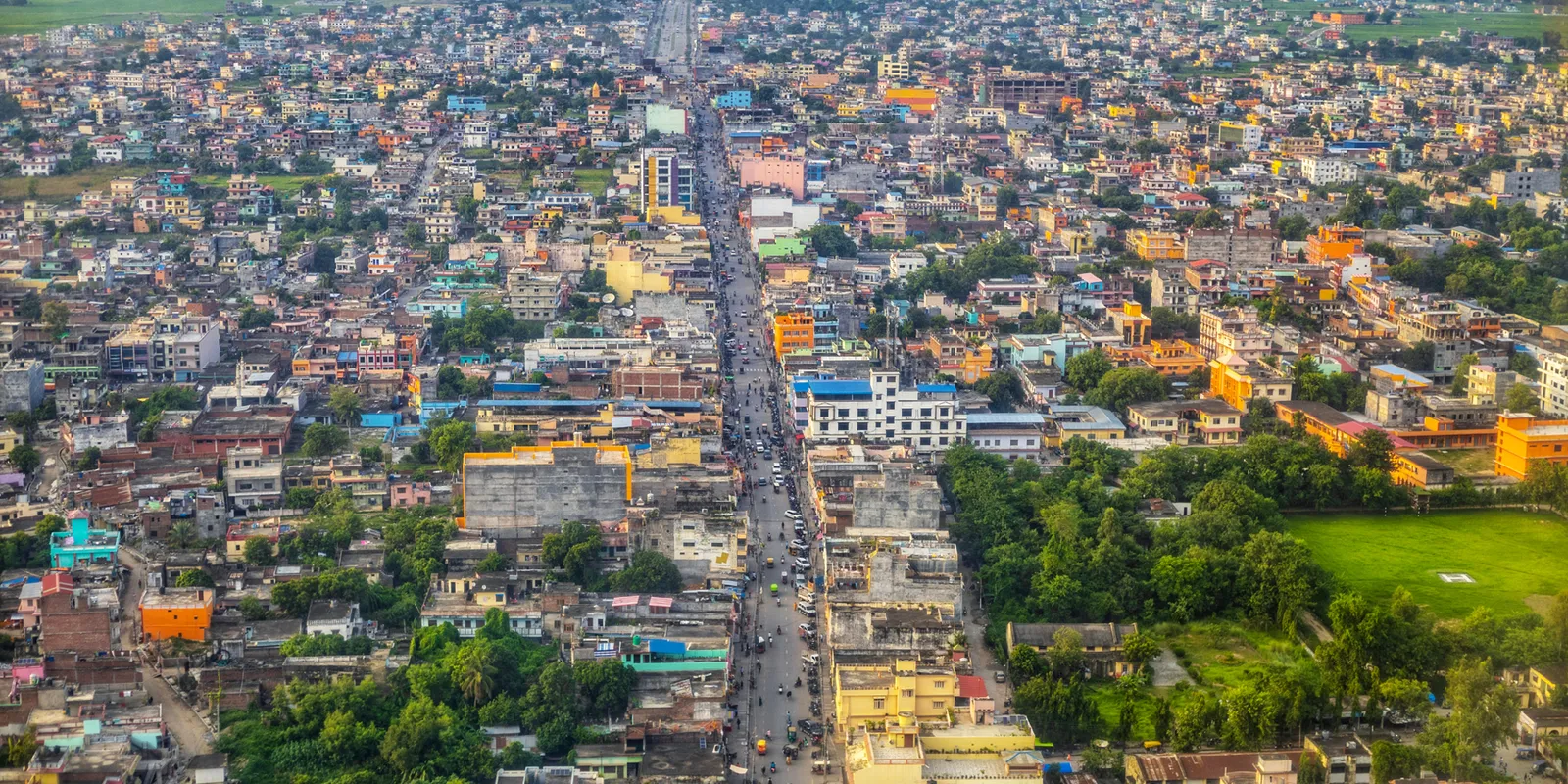
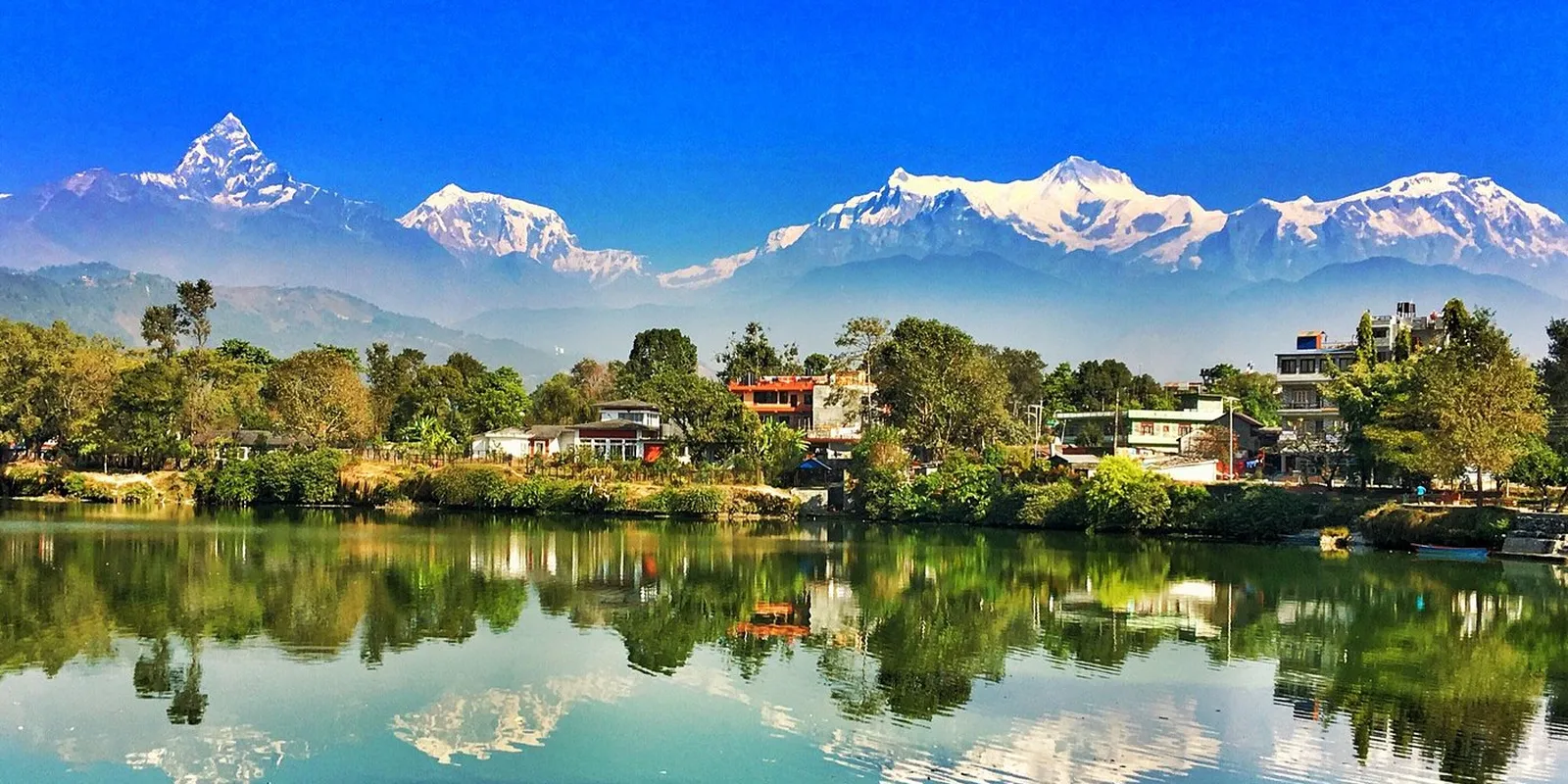
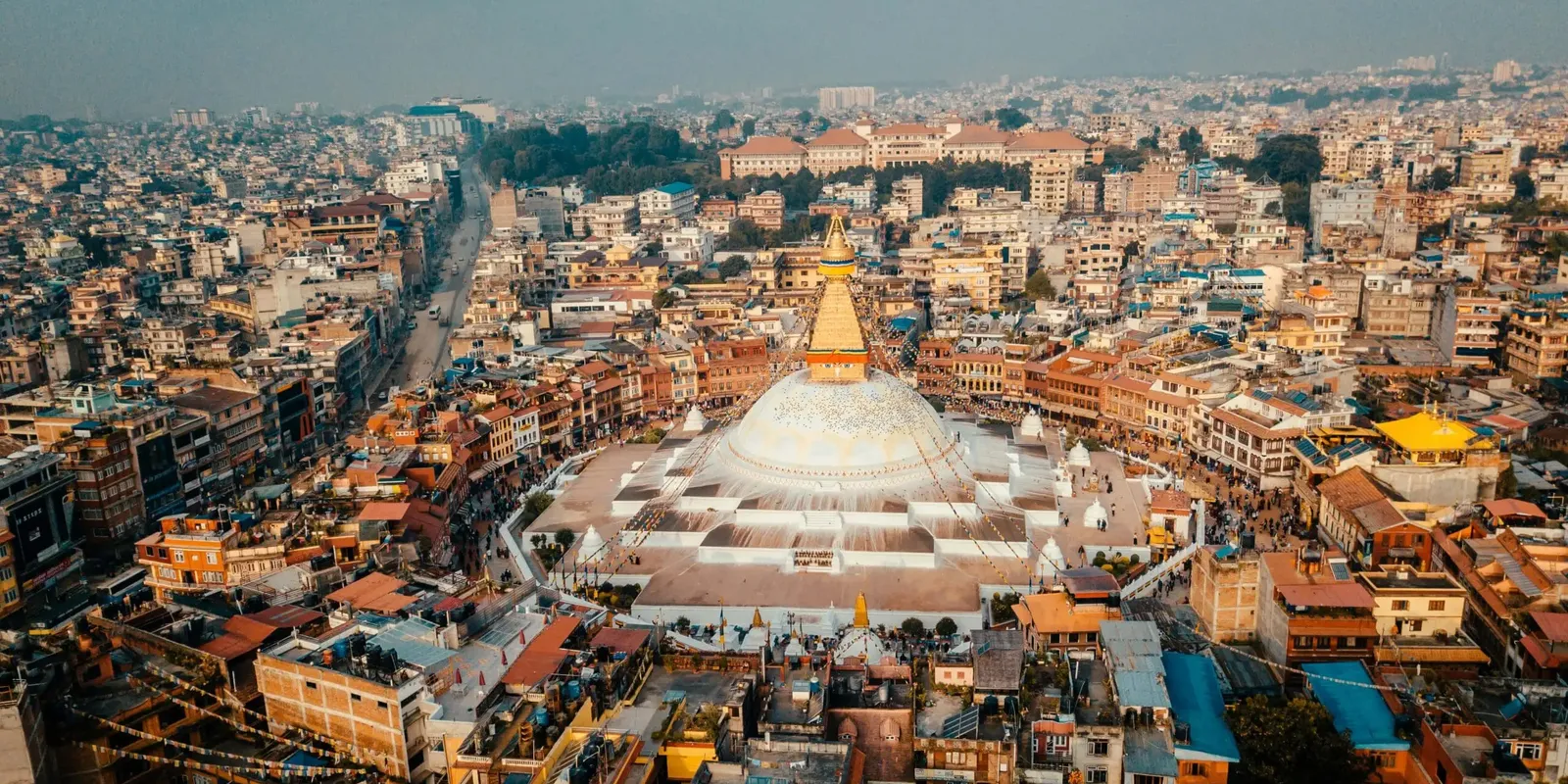
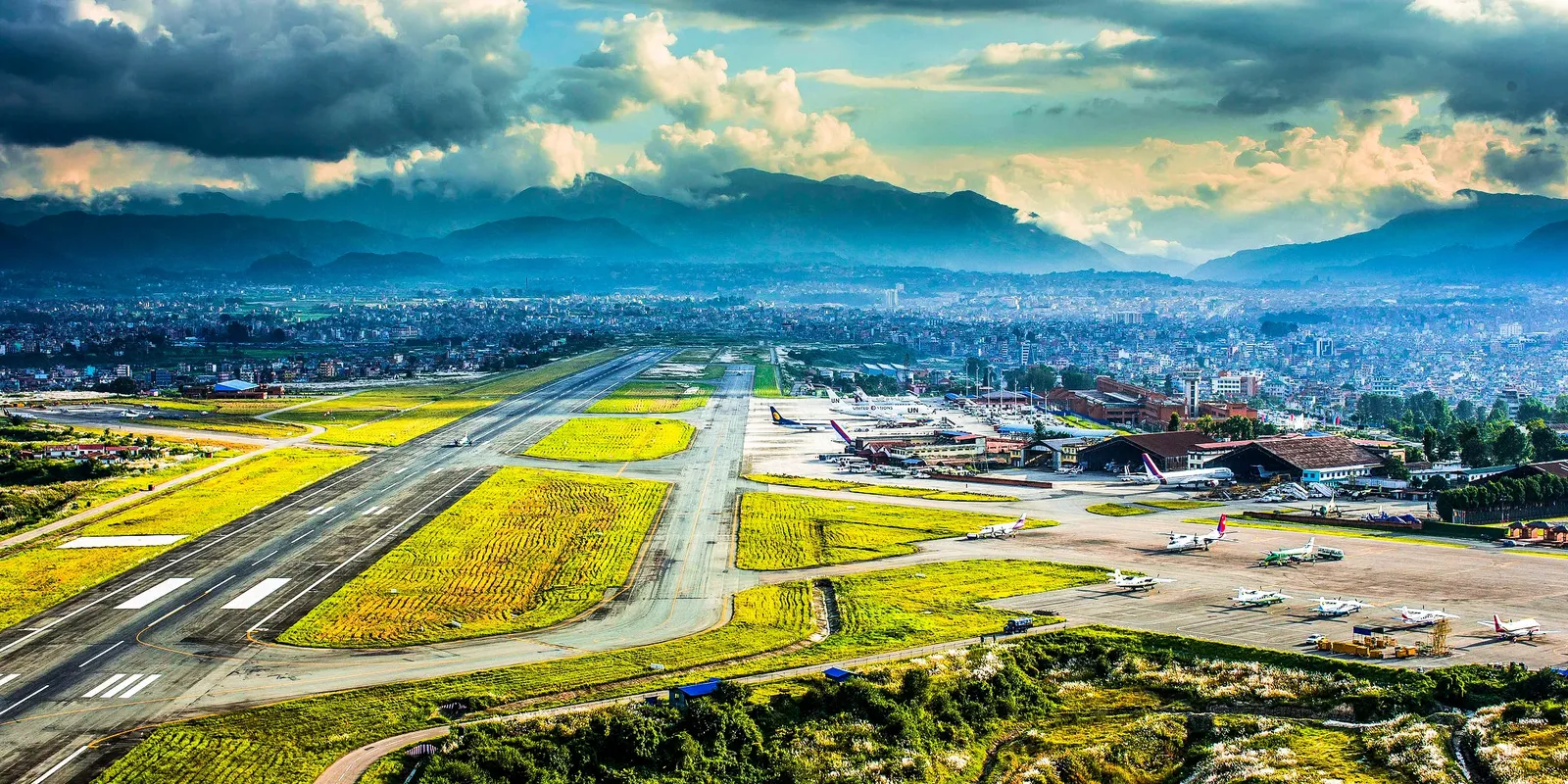
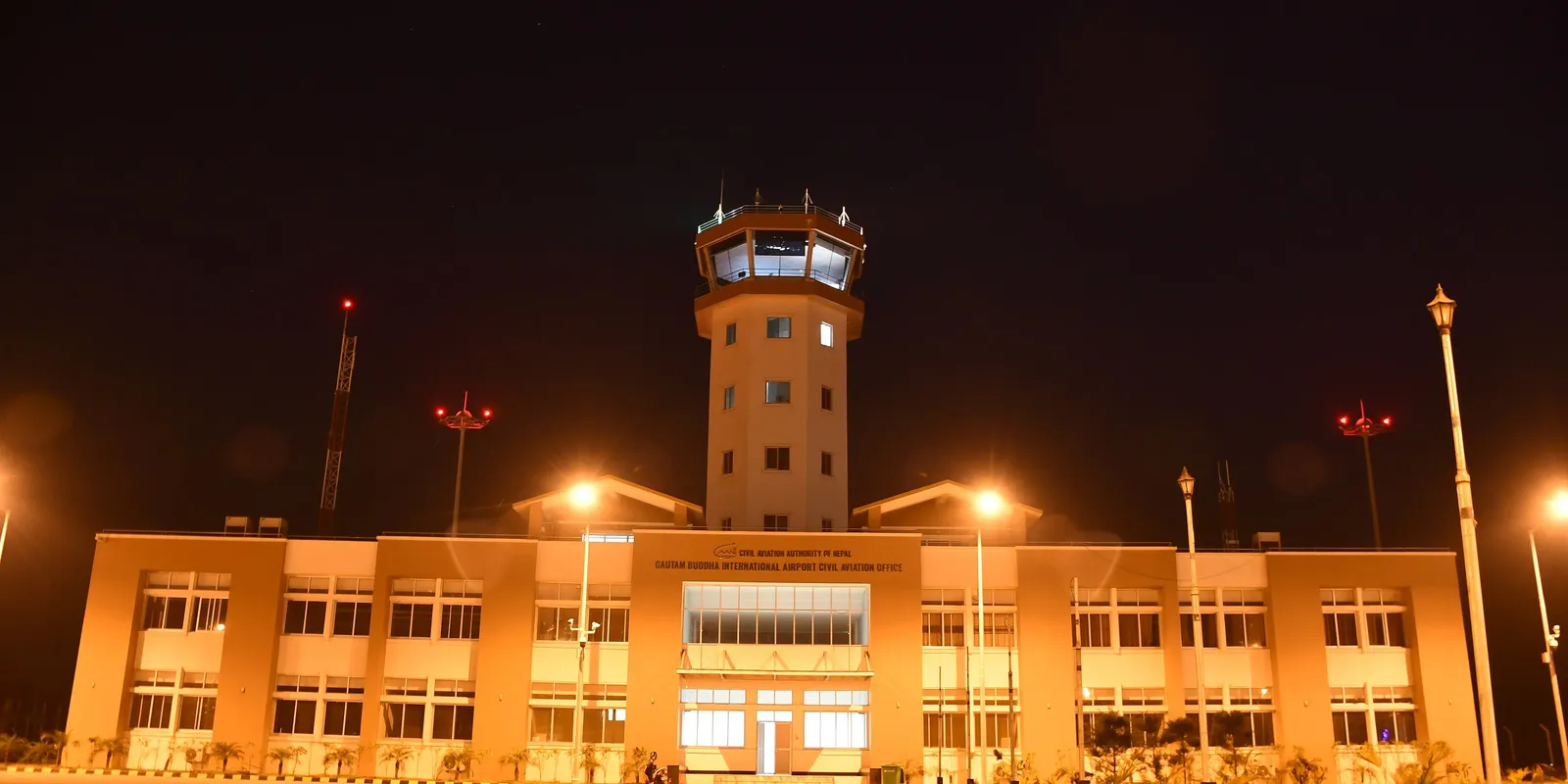
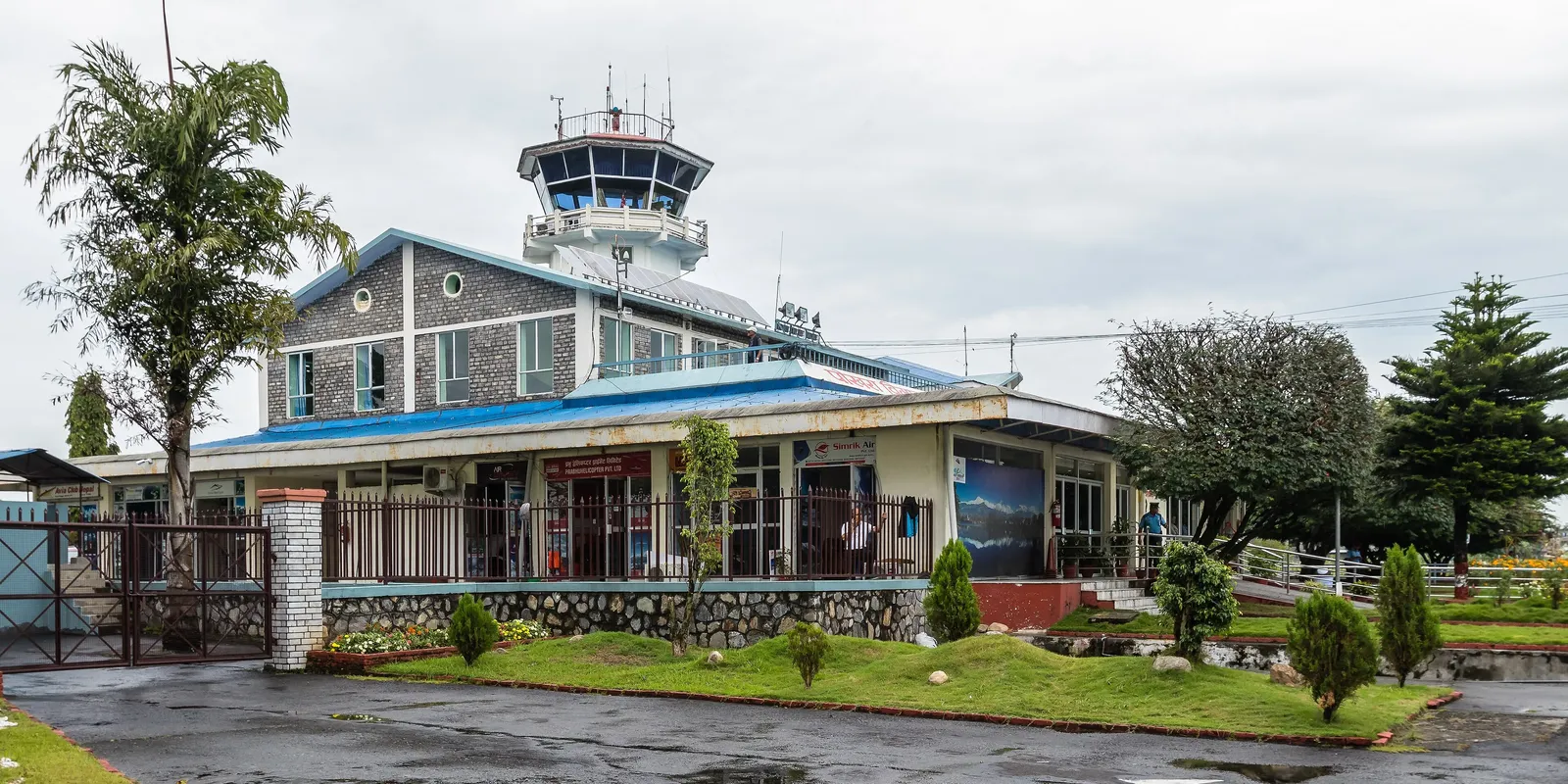
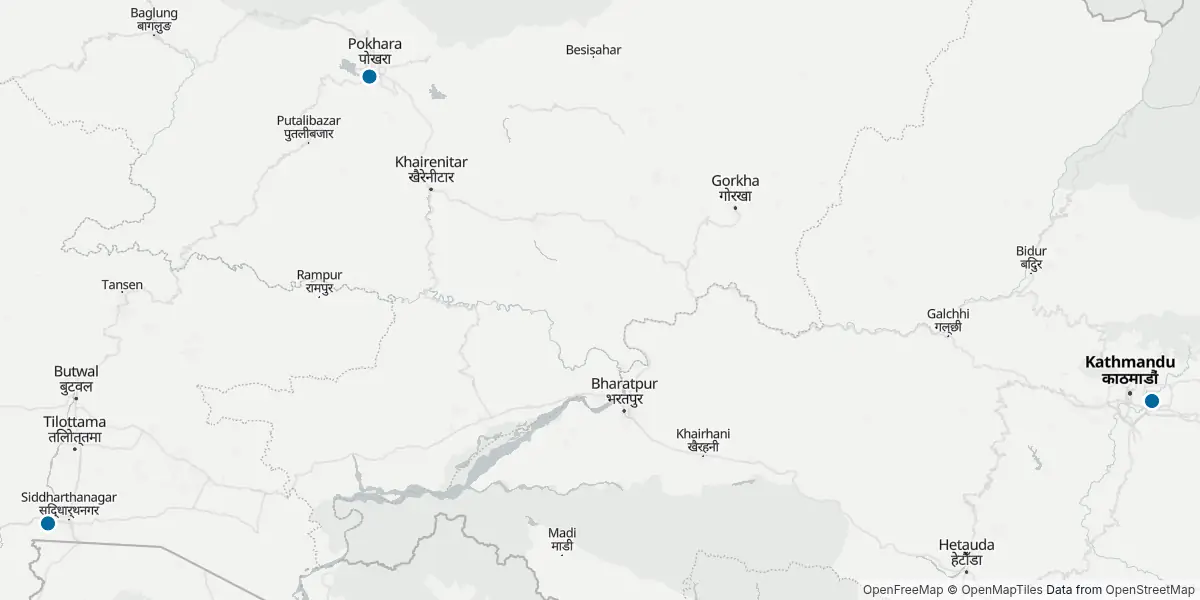
Nepal is served mainly by Tribhuvan Airport in Kathmandu, the capital, as well as Pokhara, at the foot of the Himalayas, and Bhairahawa, gateway to Lumbini, the birthplace of Buddha.
The country is home to eight of the fourteen highest peaks in the world, including Everest, and is a historic destination for trekking and mountaineering.
Nepal: recommended activities
Nepal: visa and entry requirements
Citizens of many nationalities, including the EU, UK and US, can obtain a visa on arrival at the airport for tourist stays of up to 90 days (15, 30 or 90 days depending on the fee chosen).
Always check the updated requirements before departure; additional permits (TIMS, area permits) are required for trekking in some protected areas.
Nepal: safety
Nepal is generally a safe country for visitors, with violent crime rare.
High-altitude treks require adequate physical preparation and attention to altitude-related risks; always rely on experienced guides for the more demanding routes. Always check weather conditions before departing, especially during the monsoon season (June-September).
Nepal: health situation
Vaccinations against hepatitis A and typhoid are recommended; antimalarial prophylaxis is advisable only for some areas of the southern Terai. Yellow fever vaccination is required only for those arriving from at-risk countries.
Those undertaking high-altitude treks should inform themselves about the symptoms of altitude sickness and proceed with gradual acclimatisation.
Nepal: currency, payments and connectivity
The currency is the Nepalese rupee (NPR). Credit cards are accepted at hotels and restaurants in Kathmandu and Pokhara, less so in trekking areas, where it is advisable to have cash.
The languages spoken are Nepali (official) and numerous local languages; English is common in the tourism sector. A tip (10%) is appreciated at restaurants and strongly expected for trekking guides and porters.