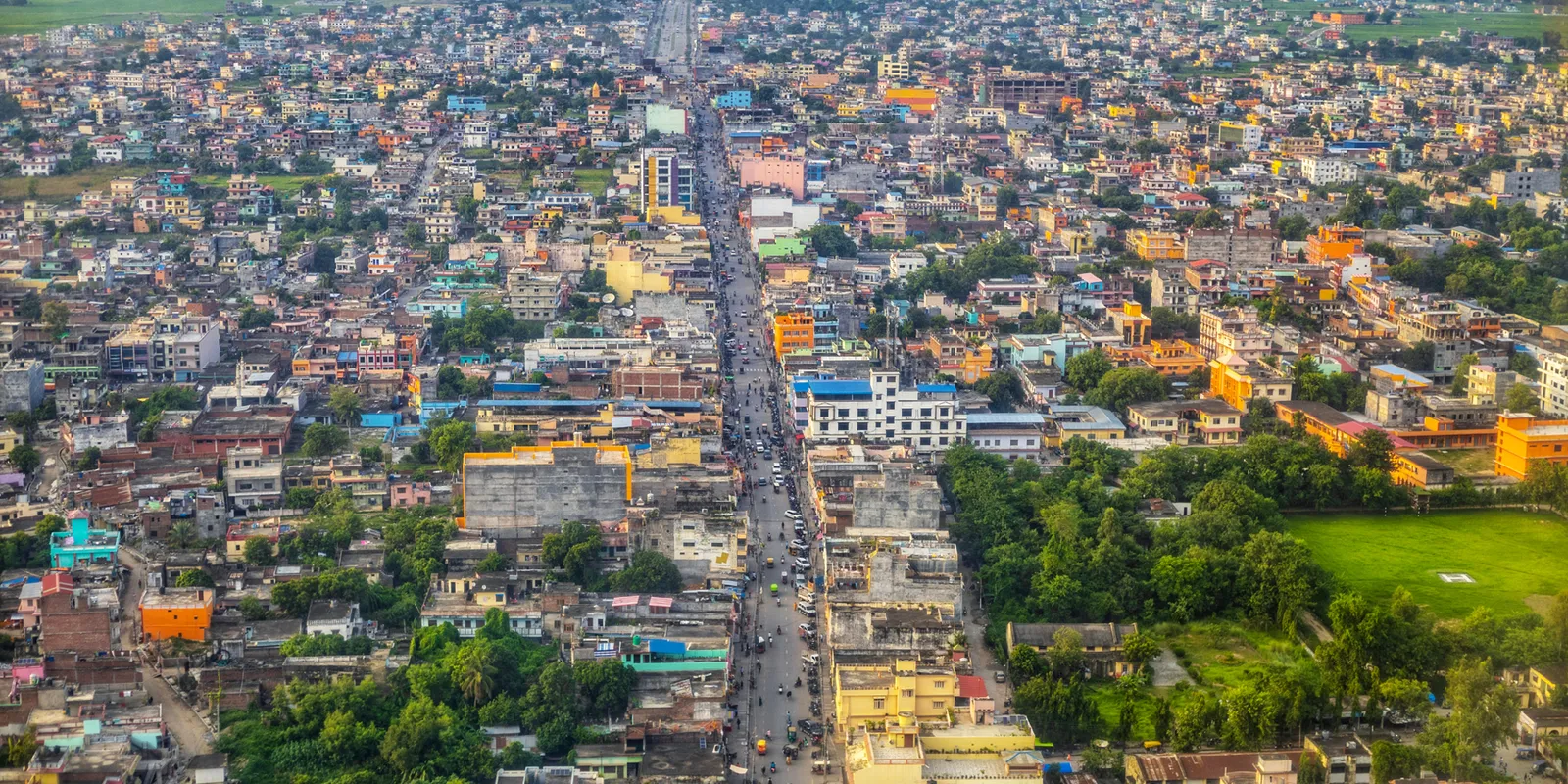

Lumbini: where the Buddha was born
In Nepal's Terai plain, Lumbini remains the historically confirmed birthplace of the Buddha, a UNESCO World Heritage site and pilgrimage destination worldwide.
Rickshaws and bicycles remain the most common way to move through the sacred park.
The Maya Devi Temple, which marks the exact spot of Buddhas birth in the sixth century B.C., preserves a stone indicating the precise location according to archaeologists.
A few steps away, the Ashoka Column, erected by the Indian emperor in the third century B.C., remains among the most ancient epigraphic testimonies confirming historically the birthplace.
Heading through the sacred park one visits the international monasteries, built by Buddhist communities from dozens of different countries, each in its national architectural style.
As evening falls, the sacred pond of Puskarini, where according to tradition Buddhas mother bathed before childbirth, offers a moment of quiet among pilgrims.
Ashoka's Column, erected in 249 B.C. by the Indian emperor during his visit to the site, bears an inscription confirming Lumbini as the Buddha's birthplace, making it one of the oldest epigraphic proofs of his historical existence.
Lumbini today houses over twenty-five monasteries built by Buddhist countries from around the world, from Thailand to Japan, each designed according to its own national architectural style.
Related articles

You might also like...
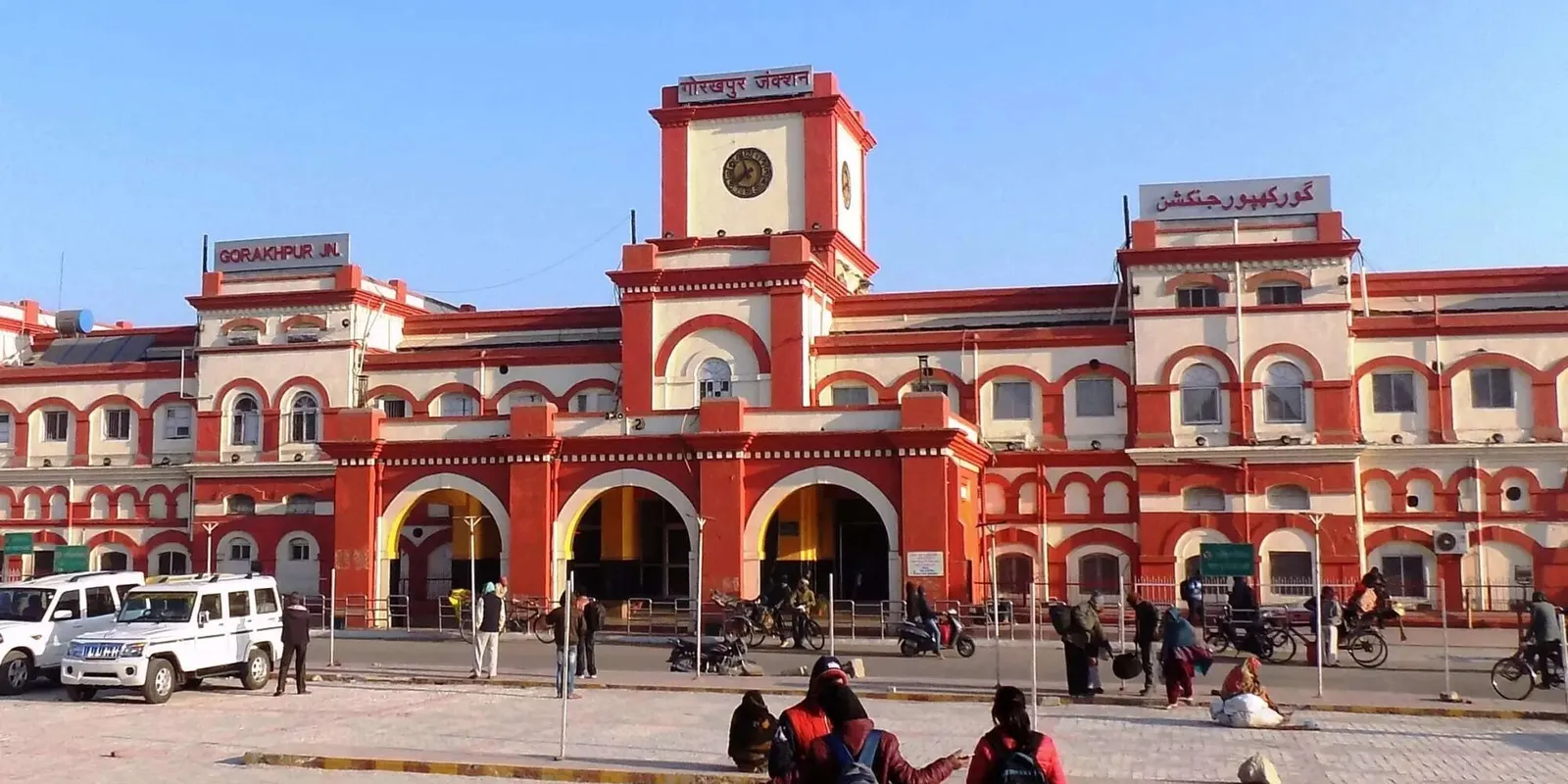
Gorakhpur: the gateway to the Buddha's death at Kushinagar
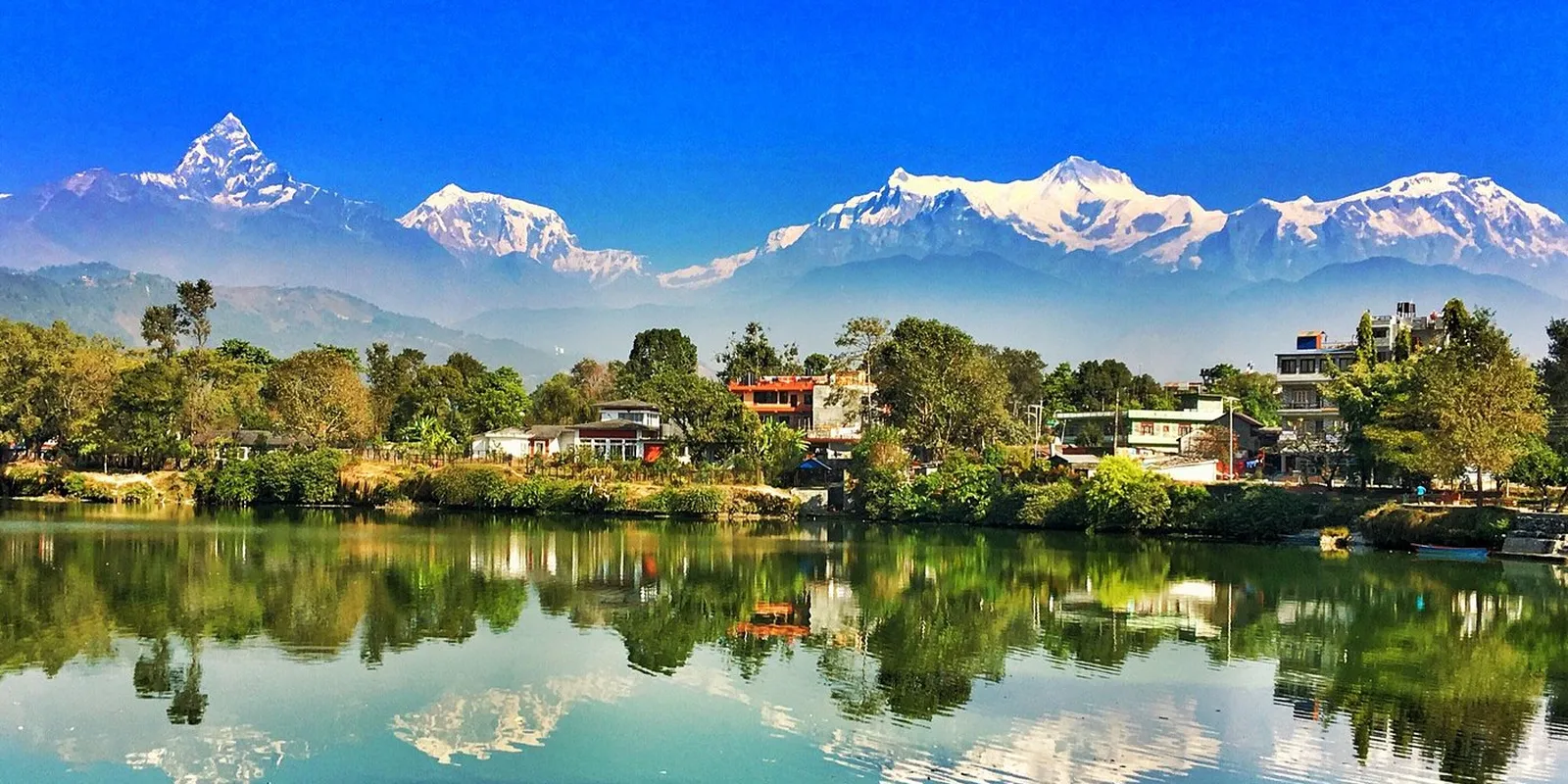
Pokhara: lakes and Himalayan peaks within sight
Wizz Air UK: The British Subsidiary of the Hungarian Low-Cost Carrier, the Luton and Gatwick Bases and What to Expect On Board
Essential checklist for an international flight

IrAero: The Siberian Regional Network, from Historic Antonovs to Superjets
