Venezuela: main airports
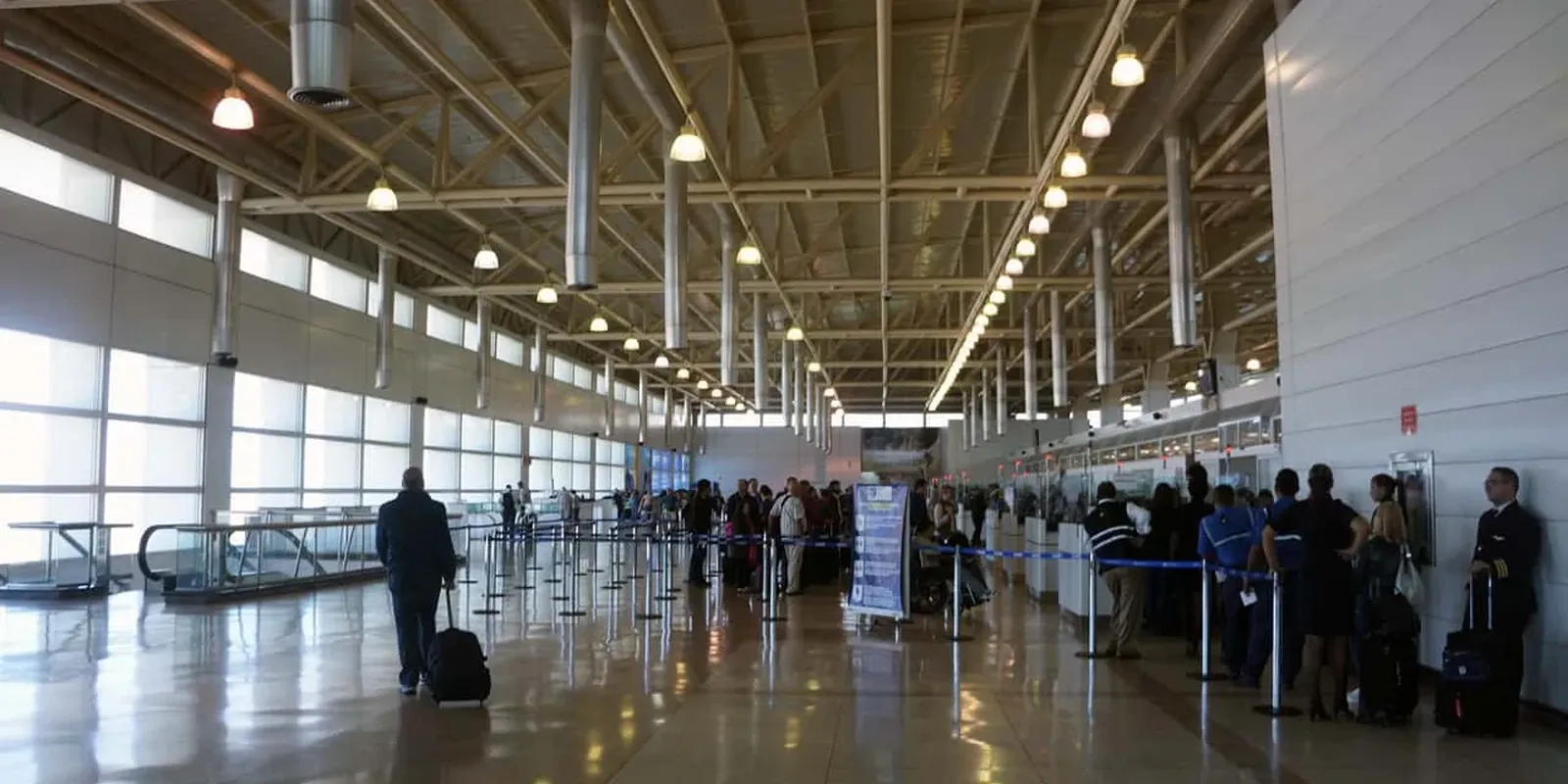
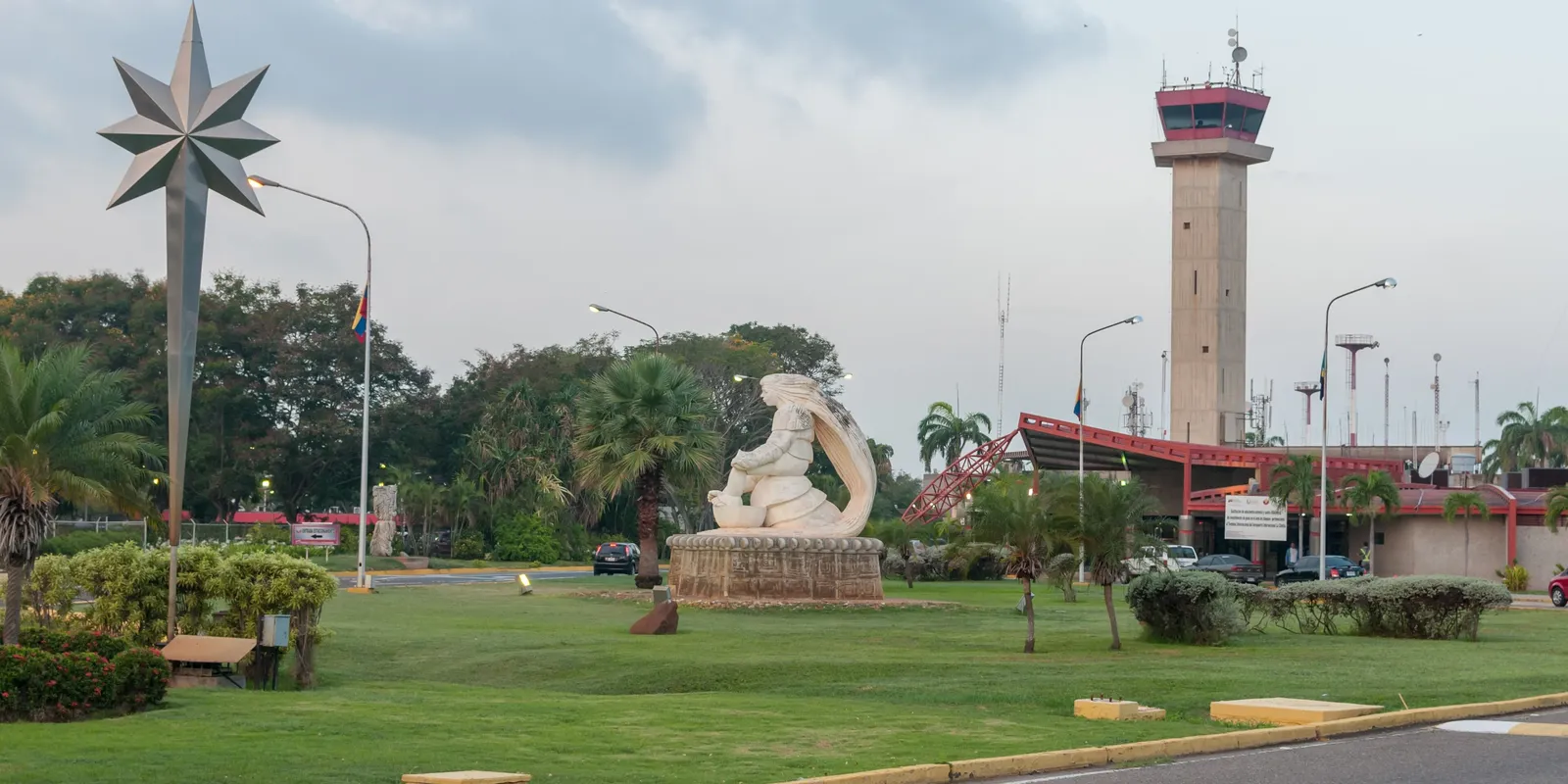
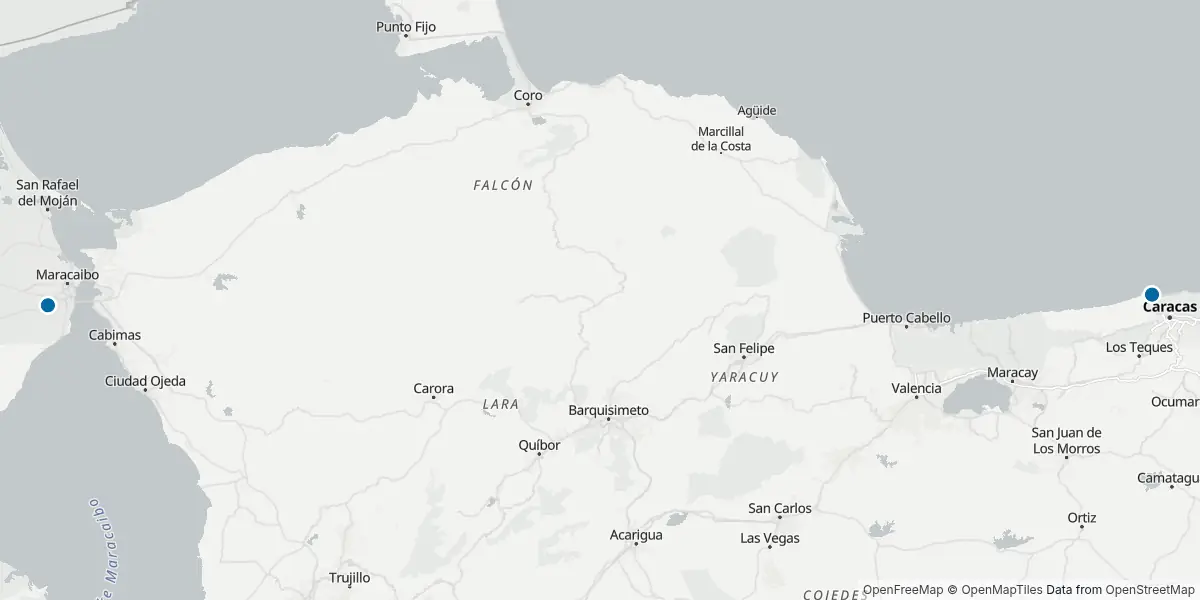
Venezuela is served by two main international airports: Simón Bolívar International Airport in Maiquetía, near the capital Caracas, and La Chinita Airport, near Maracaibo, the country's second city and heart of the oil-producing Zulia region.
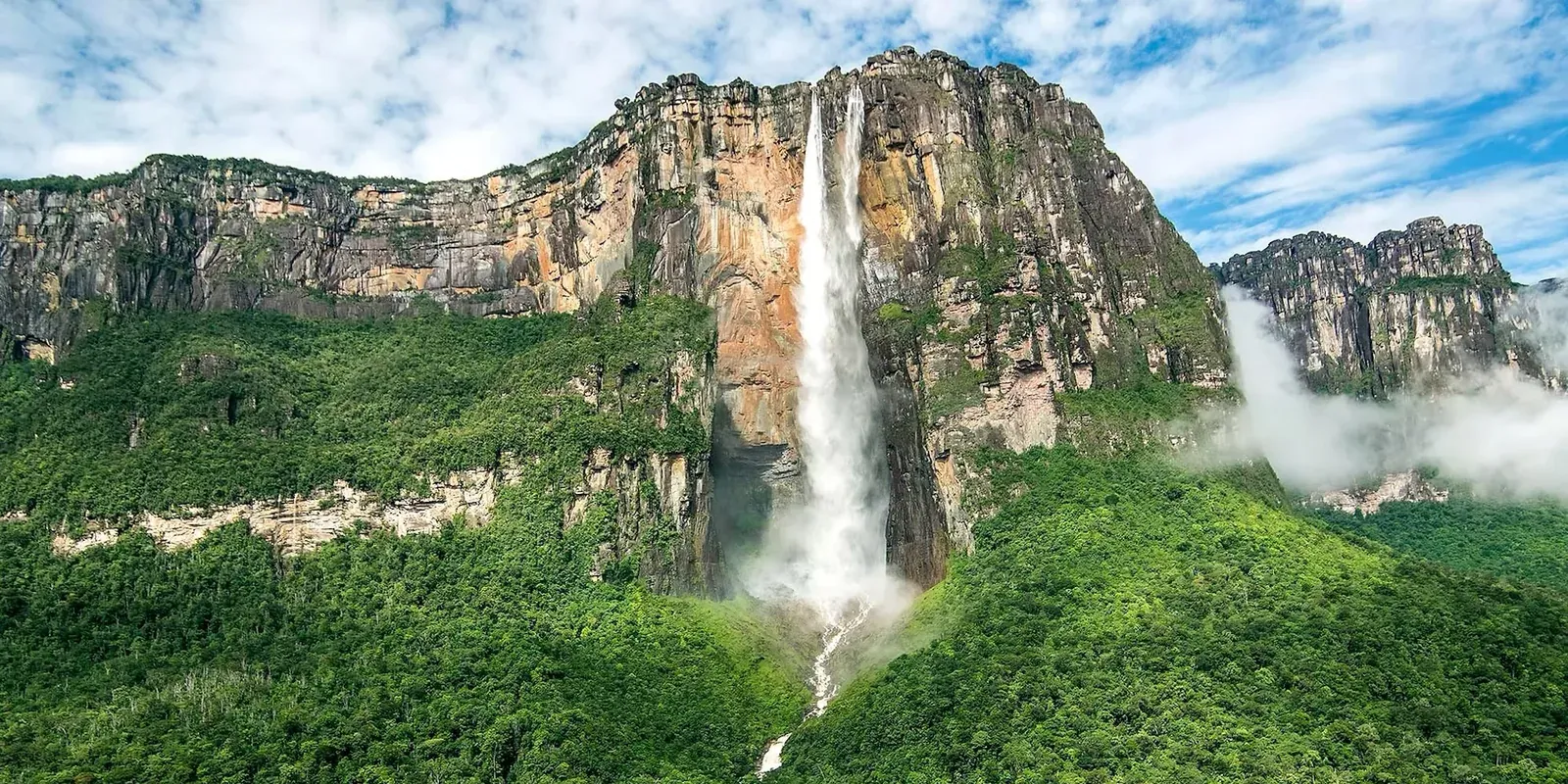
The country offers the Gran Sabana plateau with Angel Falls, the highest waterfall in the world, the Caribbean beaches of the Los Roques archipelago, and the natural phenomenon of Catatumbo, the near-continuous lightning that lights up the sky over Lake Maracaibo.
Venezuela: recommended activities
Venezuela: visa and entry requirements
A mandatory electronic visa (e-Visa) system has been introduced for numerous nationalities, including US citizens (from 6 April 2026 for the US tourist/business visa): the application is done entirely online, with no need to visit a consulate, and the visa cannot be obtained on arrival. For US citizens the cost is about 180 USD, valid 12 months with multiple entries, stays of up to 90 days (extendable), approval in 3-15 days. Requirements vary from country to country: check those specific to your nationality before organizing the trip.
A passport with at least 6 months of remaining validity is required.
Venezuela: safety
Venezuela was downgraded by the United States to Level 3 (Reconsider travel) in March 2026, after years in the highest alert category: the situation nonetheless remains delicate, with risks of crime, kidnapping and inadequate healthcare infrastructure.
It is recommended to use only official taxis or organized transfers, avoiding unauthorized drivers who offer their services unsolicited at the airport, and to always check your country's updated travel advisories before departure.
Venezuela: health situation
The yellow fever vaccine is recommended for all travelers and mandatory for those arriving from countries at risk of transmission, such as Brazil. There is a year-round malaria risk in the states of Amazonas, Bolívar, Delta Amacuro and Sucre (including Angel Falls): consult a doctor specializing in travel medicine to assess prophylaxis before departure.
It is also recommended to drink only bottled water and pay attention to food hygiene, given the limited healthcare infrastructure in many areas of the country.
Venezuela: currency, payments and connectivity
The official currency is the sovereign bolívar (VES), but the US dollar effectively circulates as a parallel currency: prices at hotels, restaurants and shops in tourist areas are often quoted directly in USD. Bring cash in small denominations (1, 5, 10 USD), as change is often scarce.
International credit cards are not reliable for payments or withdrawals: although growing at more modern establishments, they remain little used. It is better not to rely on them as the sole source of liquidity.