
Arequipa: the white city of the Andes
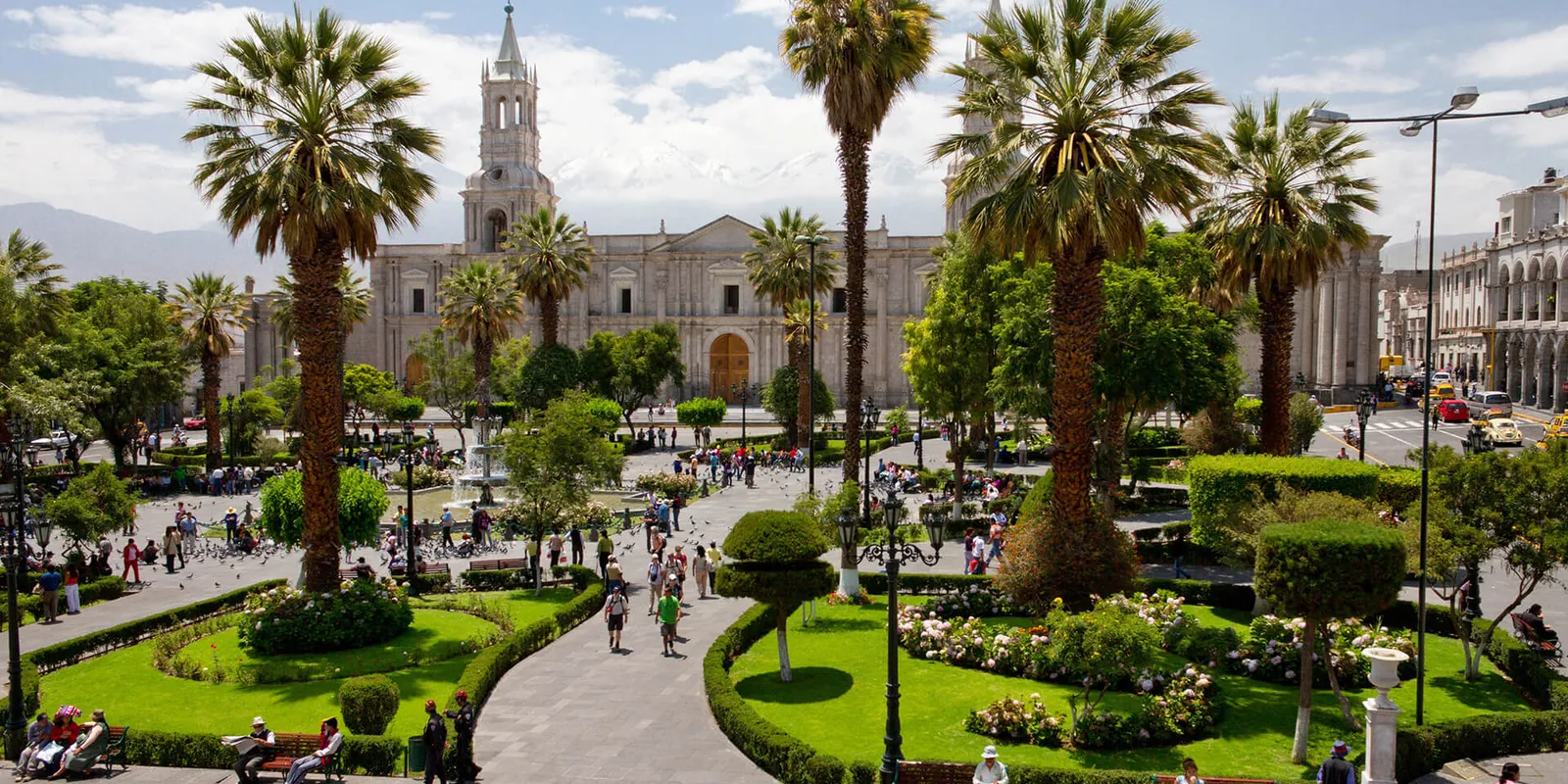
Built almost entirely in sillar, a white volcanic stone quarried from the surrounding volcanoes, Arequipa owes to this material the nickname of 'white city' and a UNESCO World Heritage historic center.
The center can be explored comfortably on foot; the Misti volcano remains visible from nearly every corner of the city.
The day begins almost in a city within a city: the Monastery of Santa Catalina occupies more than two hectares of colorful alleys, monastic cells and inner courtyards where Dominican nuns lived isolated from the world for centuries.
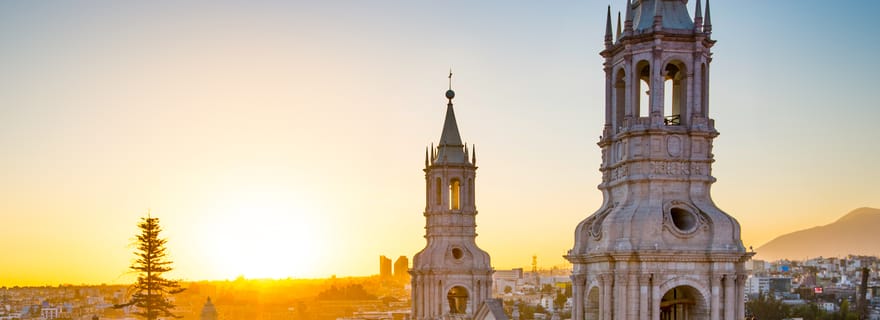
Just a few blocks away, the Cathedral overlooking the Plaza de Armas has been rebuilt many times after earthquakes and eruptions, framed by arcades of white sillar stone with the Misti volcano serving as a constant backdrop.
Right on the square, the Museum of Andean Sanctuaries houses the mummy known as Juanita: a young Inca woman sacrificed at high altitude five hundred years ago and restored perfectly preserved by the ice of Ampato volcano only in 1995.
To close the route, the neighborhood of San Lázaro, the oldest in the city, predating the official Spanish foundation of 1540, today animated by cafés and small galleries in its narrow streets.
Now and then at night, a tremor shakes the white walls of the historic center: nobody in Arequipa seems to mind much, as if living alongside their own volcanoes were simply part of everyday habit passed down through generations.
The white sillar stone used in much of the historic center absorbs the heat of the Andean day and remains warm to the touch for hours after sunset, when the air has already grown cold.
Guided tours and experiences in Arequipa
Related articles

You might also like...
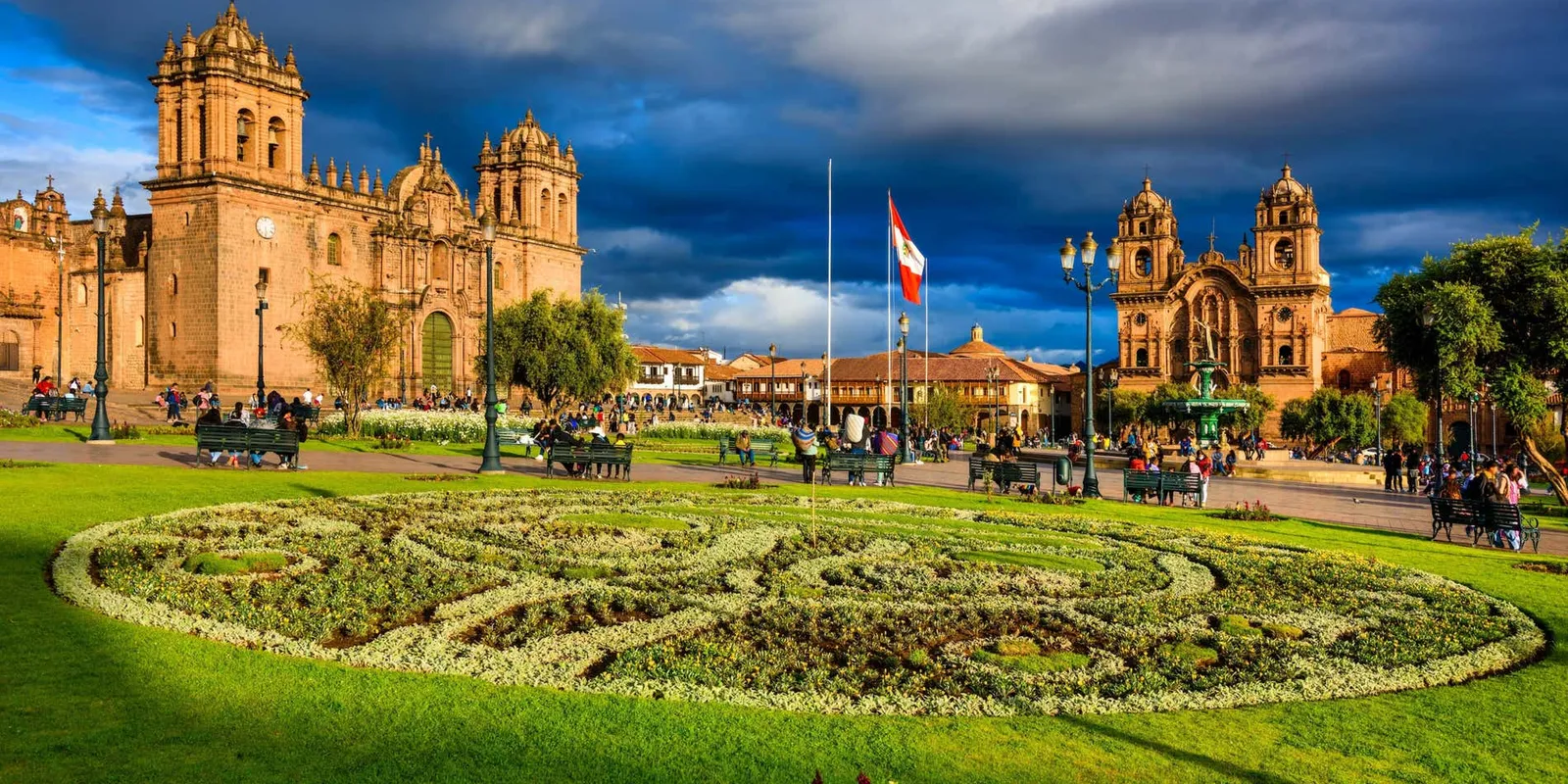
24 hours in Cusco: what to see
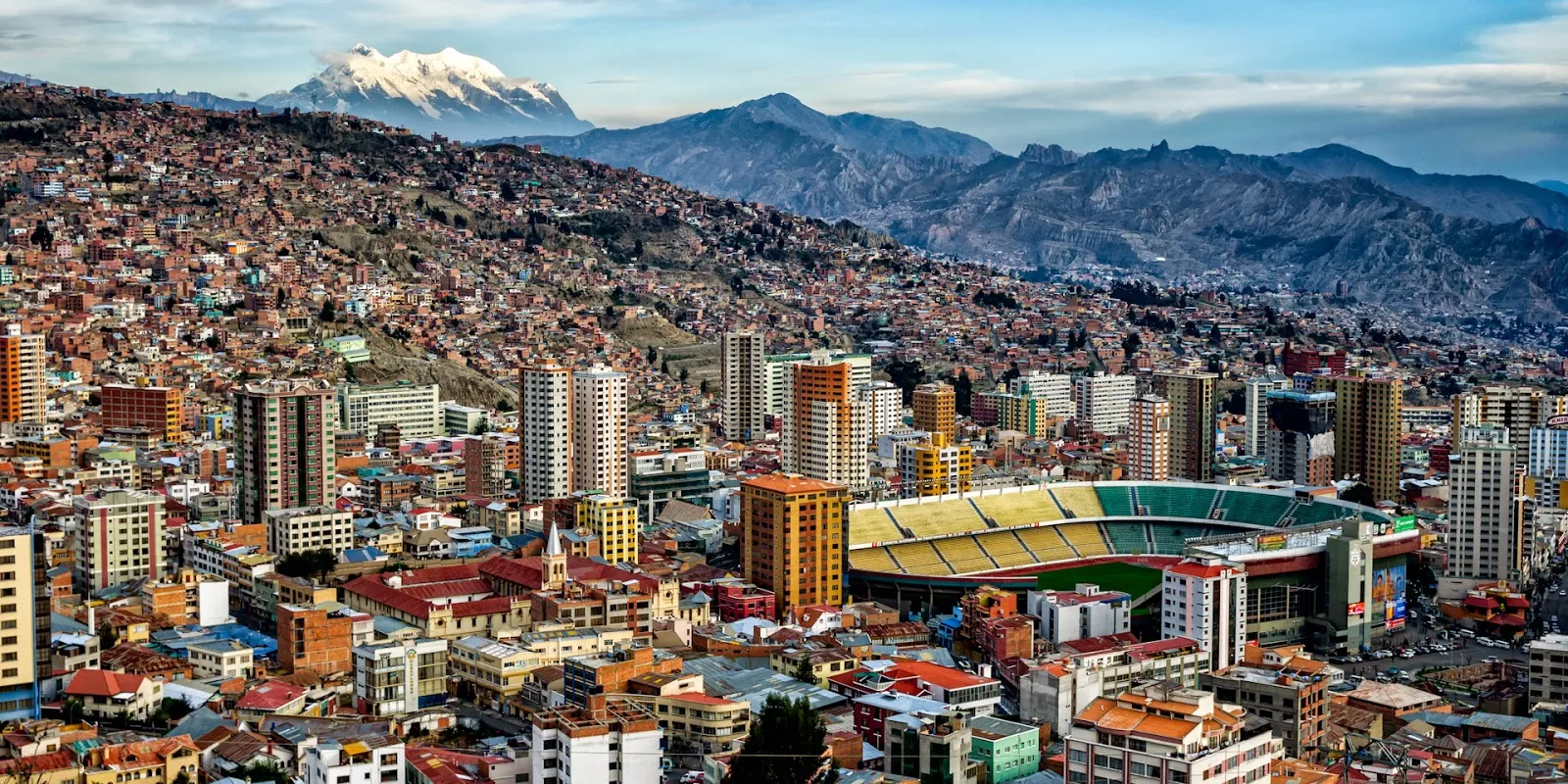
La Paz: the highest capital in the world

Hagfors Airport: where to stay, areas and recommended hotels

Salt Lake City International Airport: where to stay, areas and recommended hotels
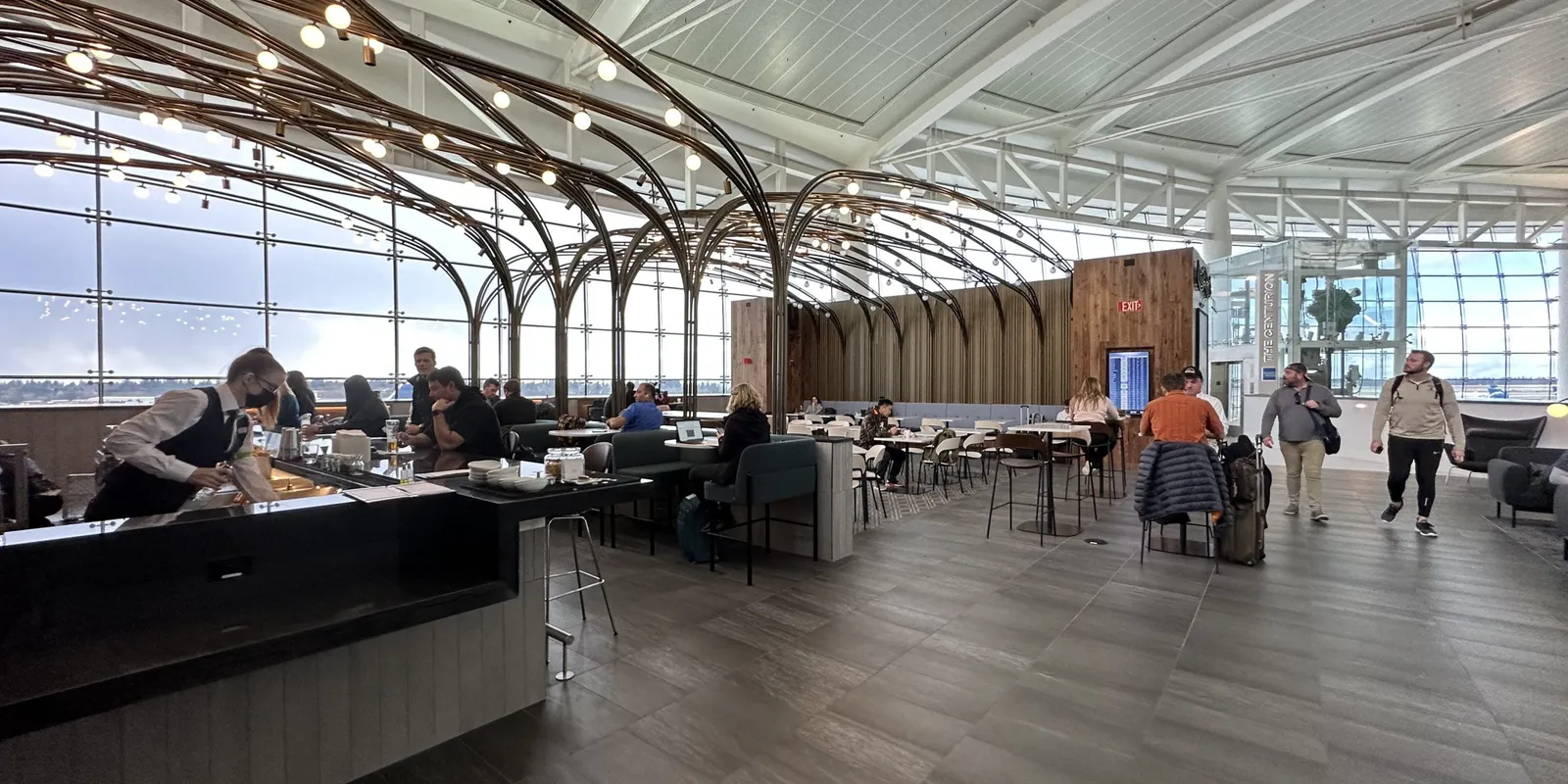
Seattle lounges: which to choose among Delta, Alaska, cards